Sleep is one of the important factors that determine the quality of our lives. However, many people also experience apnea during sleep.
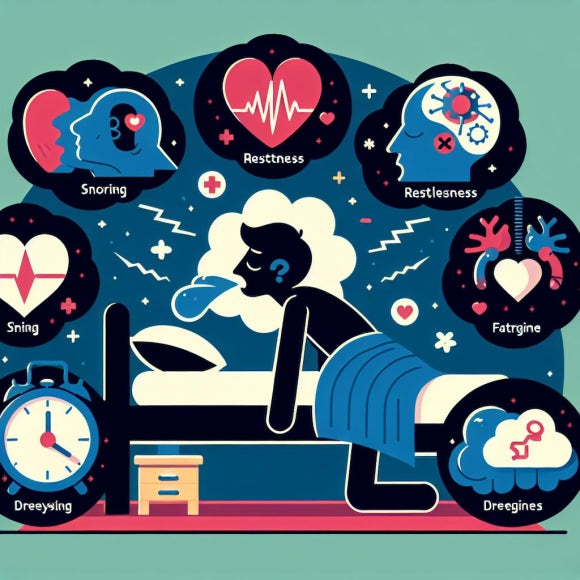
Sleep apnea is a symptom in which breathing temporarily stops during sleep, and this can lead to various health problems. In this article, we will look at the effects of sleep apnea on health.
First, sleep apnea increases the risk of cardiovascular disease. When breathing stops during sleep, the oxygen concentration in the blood drops, placing an excessive burden on the heart.
This can act as a factor that increases the risk of developing cardiovascular diseases such as high blood pressure, arrhythmia, heart failure, and myocardial infarction. If left untreated for a long period of time, it can lead to serious consequences, so early diagnosis and appropriate treatment are important.
Second, sleep apnea can cause metabolic disorders. Sleep plays an essential role in maintaining metabolic balance.
However, if continuous sleep disruption occurs due to sleep apnea, insulin resistance may increase, and the risk of weight gain and type 2 diabetes may rise.
These metabolic disorders can cause serious health problems in the long term, so it is necessary to manage sleep apnea.
Third, sleep apnea also has a negative effect on mental health. If you do not get enough sleep or do not get quality sleep, fatigue, decreased concentration, depression, and anxiety may increase.
This has a major impact not only on daily life but also on work performance, and in the long term it can reduce quality of life. Therefore, early detection and appropriate treatment of sleep apnea are also important for maintaining mental health.
Finally, let’s look at ways to manage and treat sleep apnea. If sleep apnea is suspected, getting a diagnosis from a doctor is the first priority.
Treatment methods include lifestyle changes such as weight management, sleep position adjustment, and continuous positive airway pressure device use, and in severe cases, surgical treatment may be necessary.
Above all, the important thing is to understand your condition well and consistently receive the treatment you need.
Sleep apnea is not just simple snoring; it is a symptom that can cause various health problems. Recognizing potential risk factors in advance and responding appropriately will be the first step toward a healthy life.