Williams syndrome, a lesser-known rare disease
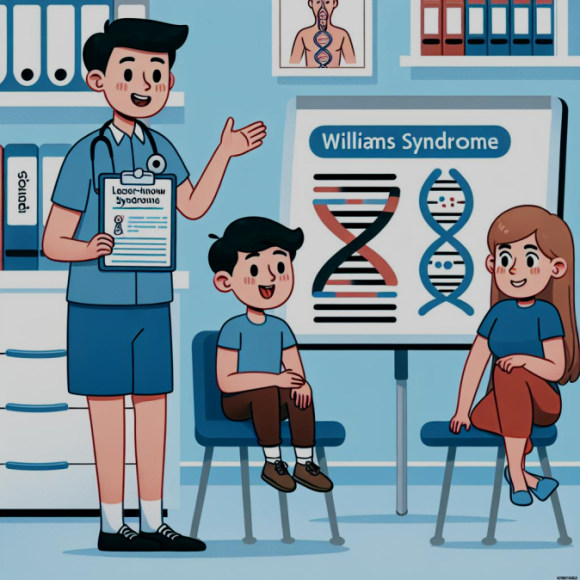
Williams syndrome is a rare congenital disorder caused by a deletion in a chromosome. This condition is mainly characterized by the loss of 26 genes on chromosome 7 and is a rare disease that occurs in about 1 in 20,000 people worldwide. In this article, we will look at the features, symptoms, diagnosis, and treatment methods of Williams syndrome.
First, let’s take a look at the main symptoms of Williams syndrome. One of the features that appears from early childhood is a change in facial appearance. Often described as an “elf-like face,” this feature includes a low nasal bridge, prominent cheekbones, thick lips, and a small jaw. In addition, children with this condition often experience developmental delays and learning disabilities, and many tend to show a very friendly and sociable personality in interpersonal relationships. This is known to indicate relatively high social interest and empathy.
In addition, Williams syndrome is also associated with cardiovascular disease, and may involve heart problems such as aortic stenosis or high blood pressure. Accordingly, regular heart checkups are essential. It can also affect the central nervous system, so there may be problems with sensory processing abnormalities, such as heightened sensitivity to loud noises or various sensory stimuli.
Williams syndrome is diagnosed mainly through genetic testing. This disease is not inherited from parents, and most cases are caused by a new mutation. It can be diagnosed by confirming whether a specific region of chromosome 7 has been deleted through genetic testing.
As for treatment, there is still no complete cure, and the focus is on relieving symptoms. Cardiovascular problems can be managed with medical treatment or surgery, and educational support for learning disabilities is also needed. In addition, various psychotherapy and counseling programs may be provided for the emotional support of parents and patients.
Finally, although the difficulties faced in daily life by people with Williams syndrome and their families are certainly not small, many of them can be overcome with appropriate support and treatment. In particular, there are various opportunities to positively develop their potential in social relationships, which can greatly help improve the quality of life for patients and their families. Continuous research and attention are needed to improve quality of life, and understanding across society is also important.