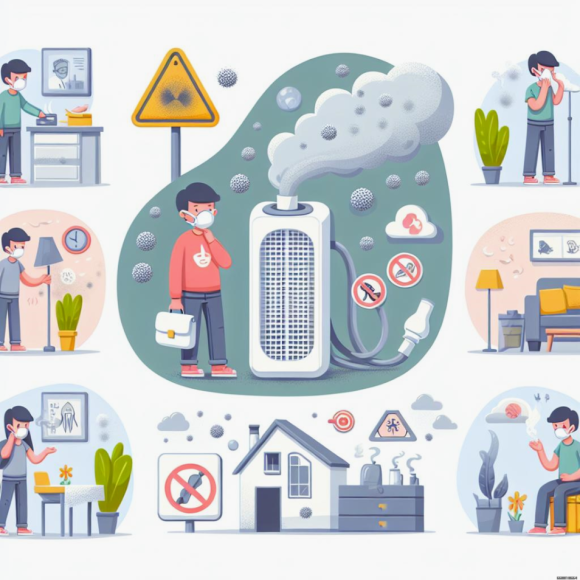
In recent years, as air quality has worsened, interest in fine dust has increased. Fine dust is one of the main causes of increased air pollution, consisting of particles so small that they are invisible to the naked eye. How does this fine dust affect health, and how can it be prevented?
Fine dust can cause inflammation in the airways and worsen asthma or chronic obstructive pulmonary disease. It is also known to increase the risk of cardiovascular disease and, over the long term, the risk of lung cancer. In particular, children, older adults, and people with underlying conditions are more sensitive to fine dust. For these reasons, on days when fine dust levels are high, it is best to avoid going outside and to take thorough care of your health.
To minimize the health effects of fine dust, it is important to practice several preventive measures. First, on days when fine dust levels are high, avoid going outside as much as possible, and if you must go out, wear a mask to protect your respiratory system. Masks with a rating of KF80 or higher are effective. Second, maintaining good indoor air quality is also important. Use an air purifier to manage indoor air quality, and when opening windows for ventilation, choose a time when fine dust levels are low. Third, a healthy diet and proper hydration also help strengthen immunity. Consuming foods rich in vitamin C and omega-3 fatty acids can help reduce inflammation in the body.
Lastly, do not forget to check your health status regularly. It is important to periodically monitor respiratory and cardiovascular health, which can be easily affected by fine dust, and to consult medical staff immediately if any abnormal symptoms appear. In particular, if you have asthma or chronic lung disease, symptoms should be managed through regular checkups and appropriate medication use.
Fine dust is one of the environmental factors that is difficult to avoid in modern society. However, its effects can be minimized through appropriate preventive measures. Protect your body from fine dust through healthy lifestyle habits and environmental management. For a healthy life, it is important to keep up to date with information about fine dust and continue making efforts to prevent its effects.