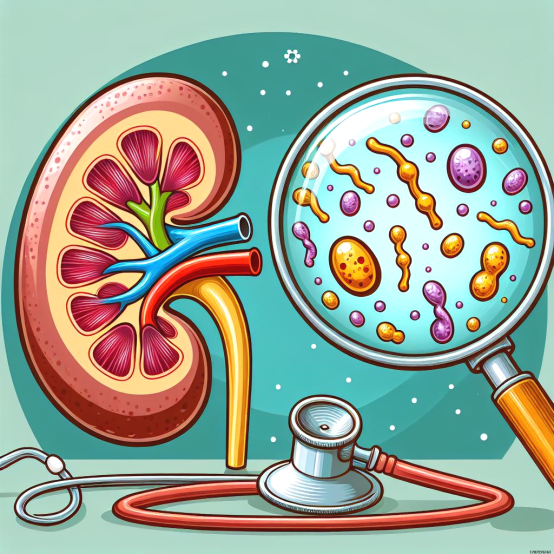
Immunoglobulin A nephropathy is a chronic kidney disease caused by the deposition of an immunoglobulin called IgA in the glomeruli of the kidneys. This disease is characterized by inflammation that occurs when the immune system attacks kidney tissue, reducing kidney function. In general, IgA nephropathy can occur across a wide range of ages, but it is more common in young adults.
The exact cause of IgA nephropathy is not yet clear, but it is known to be influenced by a combination of genetic and environmental factors. In addition, symptoms of this disease often appear after an upper respiratory tract infection. Early symptoms may include abnormal urine test results such as visible blood in the urine and proteinuria. However, some patients may not experience any symptoms for a long period of time.
Diagnosis of IgA nephropathy is mainly made through urine tests and blood tests, and sometimes a kidney biopsy. Urine tests can detect blood in the urine or proteinuria, while blood tests are used to evaluate kidney function. A kidney biopsy is used as the most definitive way to confirm IgA deposition.
Treatment varies depending on the patient's symptoms and the degree of kidney damage. In mild cases, regular monitoring and lifestyle management may be sufficient. However, if symptoms are severe or kidney function rapidly worsens, medication may be needed. Steroids or immunosuppressants can help reduce inflammation and prevent kidney damage. In addition, blood pressure control plays an important role in protecting the kidneys. Certain blood pressure medications are effective in reducing proteinuria and easing the burden on the kidneys.
In managing IgA nephropathy, lifestyle and dietary control are also important factors. It is important to reduce salt intake and maintain a healthy body weight. It is advisable to regularly measure blood pressure and consult with a doctor to establish the optimal treatment plan. In addition, maintaining a consistent exercise routine and having regular health checkups can help slow the progression of the disease.
IgA nephropathy is a chronic disease that may be difficult to cure completely, but with proper management and treatment, kidney function can be maintained for as long as possible. Through ongoing care, it is important to improve quality of life and reduce the occurrence of complications. The deeper your understanding of IgA nephropathy, the more effectively you can manage the condition, so it is necessary to continue learning and receive advice from experts.