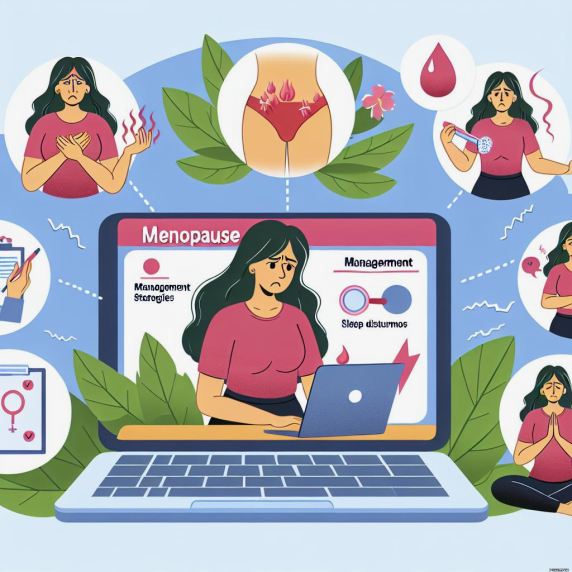
Menopause, a natural process in a woman’s life, usually occurs in the late 40s to early 50s. During this period, as the secretion of hormones such as estrogen and progesterone decreases, various changes and symptoms may appear. In this blog post, we will look at the main symptoms of menopause and how to manage them.
First, one of the most common symptoms is hot flashes. These are sudden feelings of heat and facial flushing that can last for a few seconds or minutes. In addition, night sweats can interfere with sleep. These two symptoms are caused by hormonal changes that affect the body’s temperature regulation. To ease these symptoms, maintaining a cool environment and reducing stress through lifestyle habits may help.
Second, when menopause begins, women often experience insomnia. This is because not only hormonal changes but also symptoms such as night sweats combine to disrupt sleep. It is a good idea to try some simple sleep hygiene habits. Regular exercise, consistent sleep times, and creating a dark, quiet bedroom environment may help.
Also, as women enter menopause, many may experience depression or anxiety along with emotional changes. This may be a response not only to hormonal changes but also to physical symptoms and social changes. In such cases, finding emotional stability through activities such as appropriate exercise, and seeking professional counseling if needed, can be one approach.
Finally, the risk of osteoporosis may increase after menopause. Since a decrease in estrogen can accelerate bone mass loss, getting enough calcium and vitamin D, along with regular weight-bearing exercise, may help.
Menopause is a natural and inevitable process in a woman’s life, but the symptoms can be managed and health can be maintained with the methods above. The important thing is that the changes of menopause are neither frightening nor embarrassing, and that it is necessary to make an effort to understand and care for your own body. Through these efforts, I hope you can continue a healthier and more energetic life.