A disease that does not spread to others
Let’s learn about celiac disease
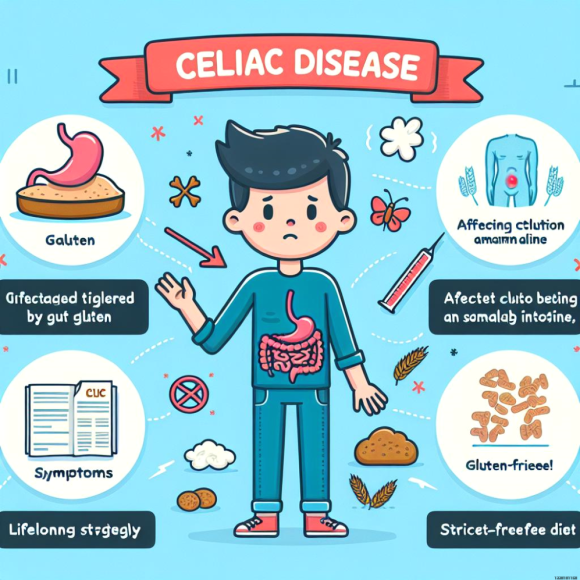
Celiac disease is a chronic digestive disorder caused by a sensitive reaction to gluten. It is characterized by damage to the lining of the small intestine due to an immune response that occurs when gluten protein found mainly in wheat, rye, and barley is consumed. This disease can develop due to genetic and environmental factors, and when foods containing gluten are eaten, various digestive symptoms may appear.
The main symptoms of celiac disease include chronic diarrhea, weight loss, and abdominal bloating. In addition, non-digestive symptoms such as iron-deficiency anemia, fatigue, joint pain, and skin rashes may also appear. Some people may even remain asymptomatic, which can make diagnosis difficult. Because of these symptoms, celiac disease is sometimes confused with other digestive disorders.
To confirm celiac disease, blood tests and a small intestine biopsy are needed. Blood tests measure specific antibodies to gluten, and a small intestine biopsy is used to check whether the villi in the small intestine have been damaged. Because gluten damages the lining of the small intestine, celiac disease is diagnosed by checking for that damage.
Treatment for celiac disease is simple but must be followed for life. It means avoiding all foods that contain gluten. This includes bread, cake, and some sauces and processed foods. Therefore, people with celiac disease need to carefully check food labels when eating. Recently, a variety of gluten-free foods have become available, making it somewhat easier to maintain the diet than before.
If celiac disease is managed properly, a healthy life can be maintained. A diet that completely avoids gluten can help the small intestine recover from damage and improve symptoms. At the same time, it restores nutrient absorption to normal levels. For a healthy life, it is important to consult medical professionals regularly and take nutritional supplements when necessary.
In this way, celiac disease is a condition that can be controlled through strict dietary management. It may seem unimportant at first glance, but if it is not properly managed, it can lead to various complications, so special care is needed. Interest and research should continue so that knowledge and understanding of celiac disease, which requires simple but ongoing management, can be properly established.