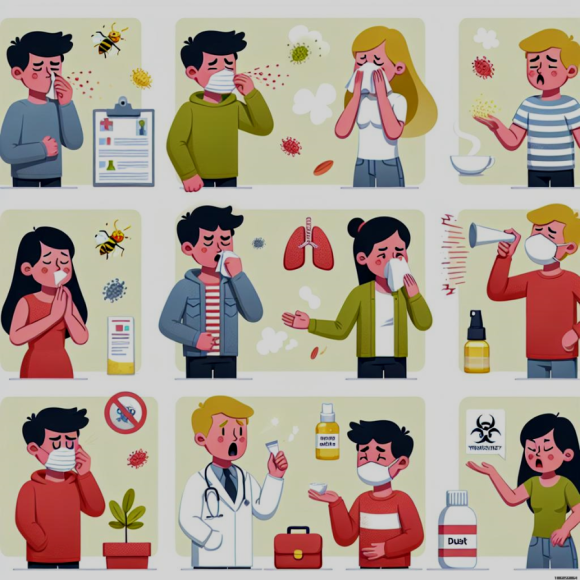
Allergic rhinitis is a common type of rhinitis experienced by many people, and it refers to a condition in which the inner lining of the nose becomes inflamed due to various allergenic substances. The main symptoms include sneezing, runny nose, nasal congestion, and itchy eyes, and these symptoms can cause considerable discomfort in daily life. In this article, we will look at the causes of allergic rhinitis and how to manage it effectively.
One of the main causes of allergic rhinitis is airborne allergens such as pollen and dust. Depending on the season, tree pollen in spring and weed pollen in autumn can also be the primary causes. In addition, house dust mites, mold, and pet hair can be common causes of allergic rhinitis. Factors such as changes in the living environment or eating habits can also affect symptoms, so overall management is important.
When it comes to managing allergic rhinitis, the first priority is to minimize contact with allergenic substances. After going outside, it is a good idea to wash clothes thoroughly and wash your hands and face often to remove allergens that have settled on the skin. Indoors, it is necessary to use an air purifier or ventilate frequently to keep the air clean. Also, if you have pets, keeping a certain distance is essential.
Medication can also help manage allergic rhinitis. Antihistamines suppress the body's immune response, relieve symptoms, and reduce inflammation of the nasal mucosa. Another option is to use steroid sprays to effectively reduce symptoms such as nasal congestion. However, when using medication, it is safest to do so after consulting with a professional.
Improving lifestyle habits is also important. Regular exercise and a balanced diet help strengthen immunity and reduce inflammatory responses. Getting enough sleep and managing stress are also essential factors. As a natural approach, it is good to consume immune-boosting foods such as ginger and garlic. Improving gut health through the intake of probiotics, such as prebiotics, is also one of the important management methods.
Allergic rhinitis is difficult to cure completely, but with proper management and prevention, symptoms can be effectively relieved. By reducing discomfort with accurate information and consistent care, you can maintain a better quality of life. It is helpful to check your condition regularly and, when necessary, make use of professional diagnosis and advice.