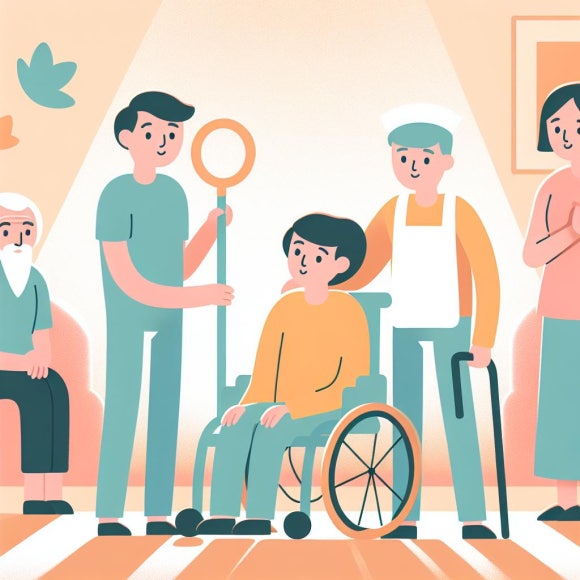
Cerebral palsy is a disability that affects motor function due to brain damage present from birth or acquired during growth. This can cause problems with muscle tone and movement. Cerebral palsy appears in various forms, and its causes and symptoms also vary. Therefore, it is important for people with cerebral palsy and their families to understand the condition well and manage it appropriately.
Understanding the causes and types of cerebral palsy is the first step. In many cases, brain damage occurs during the fetal stage, at birth, or in early infancy, and perinatal asphyxia or infection may be causes. The main types include spastic cerebral palsy, ataxic cerebral palsy, and dyskinetic cerebral palsy. Because the impact on motor ability and the treatment methods differ depending on the type, an accurate diagnosis is necessary.
Representative symptoms of cerebral palsy include muscle spasms, asymmetrical movement, and motor impairment. The severity of symptoms varies from person to person and may change over time. Since these symptoms can greatly affect daily functioning and independence, early detection and appropriate treatment are important.
Treatment for cerebral palsy is carried out in various ways depending on the individual’s symptoms and needs. Rehabilitation therapies such as physical therapy, occupational therapy, and speech therapy help improve motor skills and daily living abilities. In some cases, medication to relieve muscle spasms or the use of assistive devices may be necessary. Surgical treatment may also be considered, and this is determined according to the patient’s needs and situation.
Successful management of a person with cerebral palsy should be approached from a long-term perspective. The patient’s own determination and the support of the family are important. In particular, the goal should be to increase independence in daily life, and cooperation with various specialists is needed for this. With steady rehabilitation therapy and appropriate support suited to the situation, quality of life can be improved.
Although cerebral palsy cannot be cured, proper management and treatment can greatly improve a patient’s life. The patient and family need to keep learning and adapting, and social support is also important. Through understanding and interest in cerebral palsy, we hope that more people will extend a warm hand to patients and their families.