Before Nose Implant Removal Surgery
4 Most Common Concerns
[Charmin Plastic Surgery]
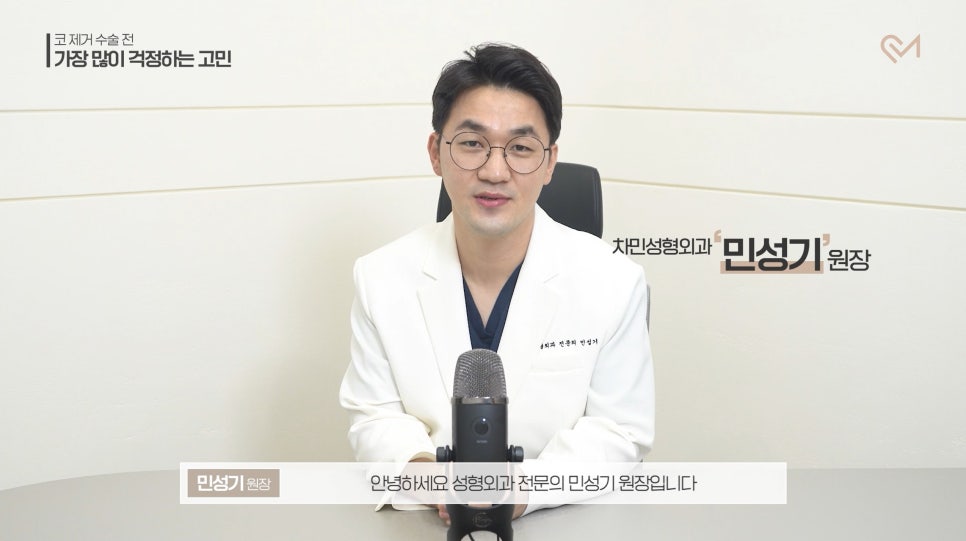
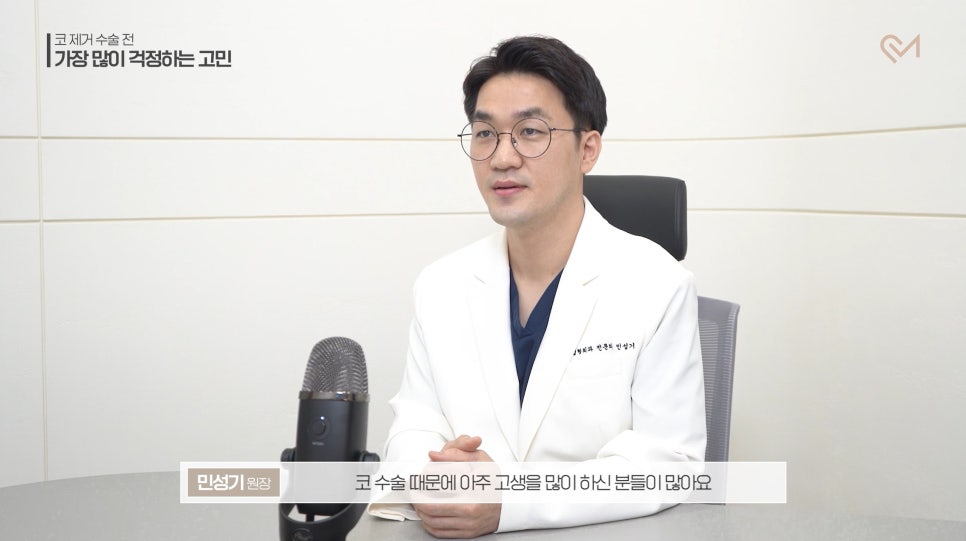
Today, we would like to introduce the answers, delivered in video form by Min Seong-gi, head director of Charmin Plastic Surgery, to the concerns most often asked by patients who are preparing for silicone nose removal or complete removal surgery.
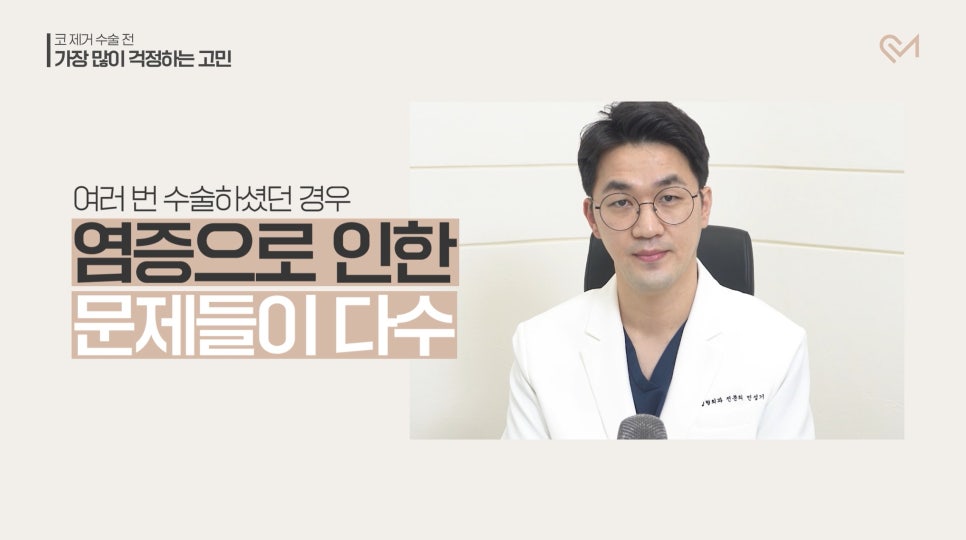
People who come to Charmin Plastic Surgery are often those who have had a very difficult time with nose surgery.
Some have had surgery 3 to 6 times, and in many cases up to 11 times, and many came after placing their trust in me.
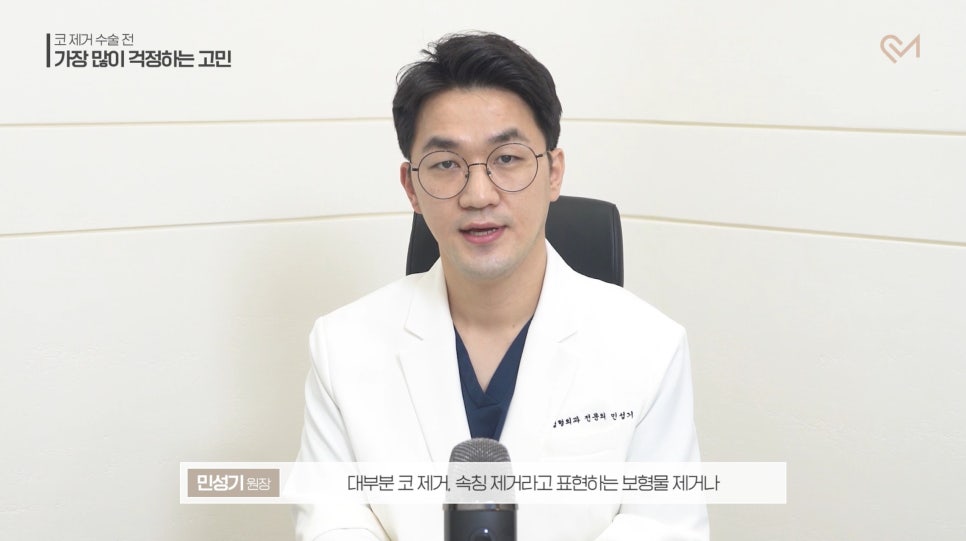 For those seeking simple revision rhinoplasty,
Many come in with dissatisfaction about the shape, such as:
"My nose is crooked."
"The tip of my nose has dropped."
However, many also seek revision or removal because problems such as contracture caused by inflammation, indentation, or an upturned nose have occurred.
So, when do people consider removal?
Sensory concerns
The first reason for wanting nose removal surgery
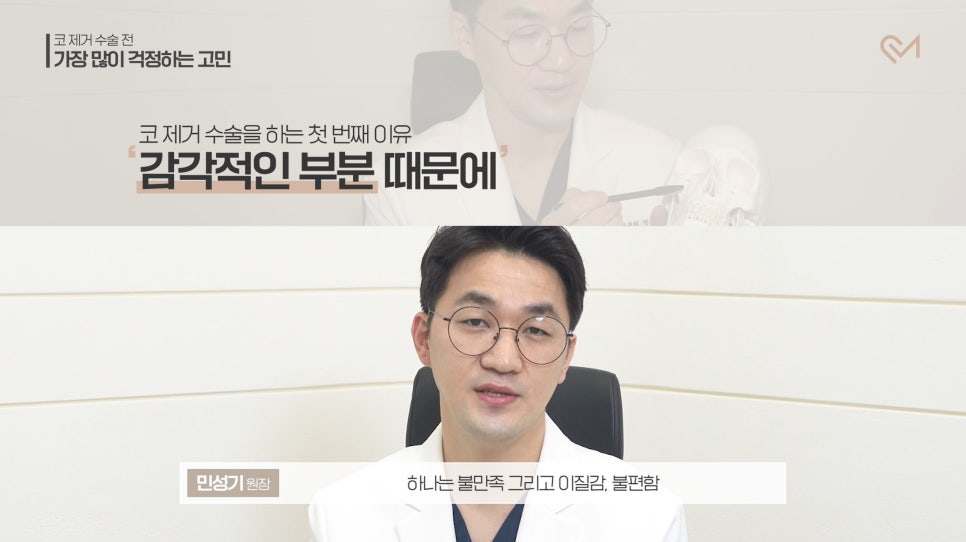
When someone wants removal because of discomfort such as a foreign-body sensation, inconvenience, or pressure caused by the implant
External damage
The second reason for nose removal surgery
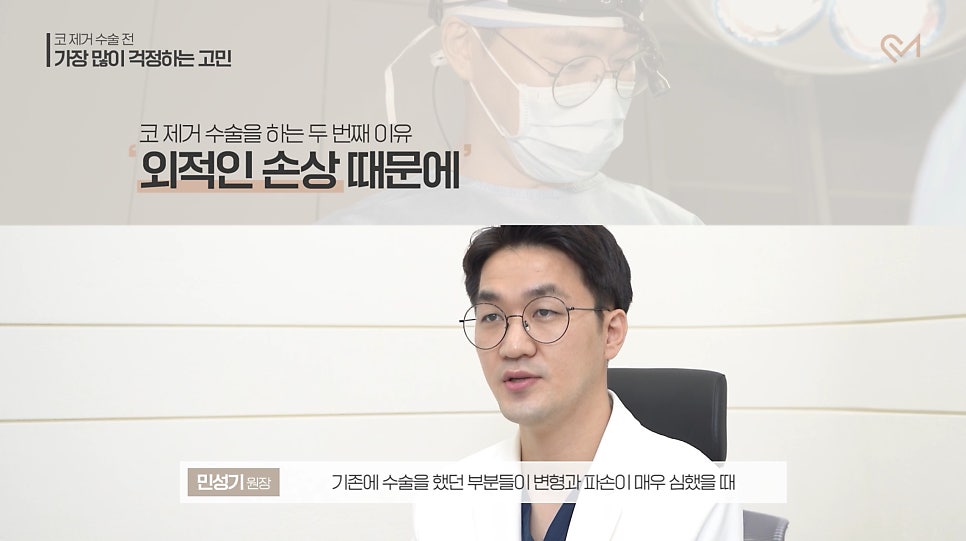
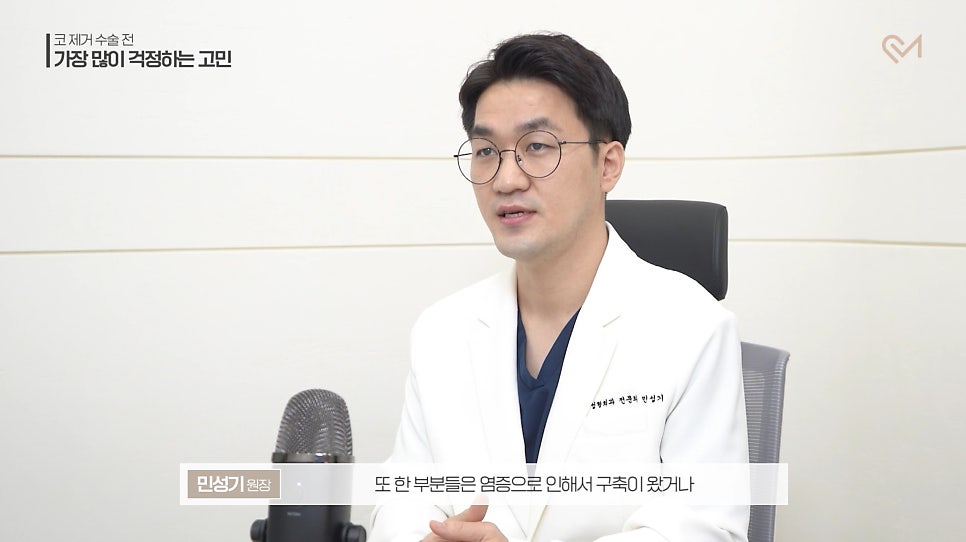
Next are cases where inflammation has caused contracture, or the shape has become indented, pinched, or otherwise distorted—when the nose has been severely deformed or damaged by the previous surgery.
So today, we will answer the questions that people preparing for removal ask most often.
Q1. If I have nose removal surgery, will contracture occur?
In general, for people without inflammation, when nose implant removal is performed, contracture itself is not something that is guaranteed to occur.
The area where the implant was placed may turn into an empty space and may pull up slightly, but it would be difficult to say that contracture, where the shape becomes distorted, will occur.
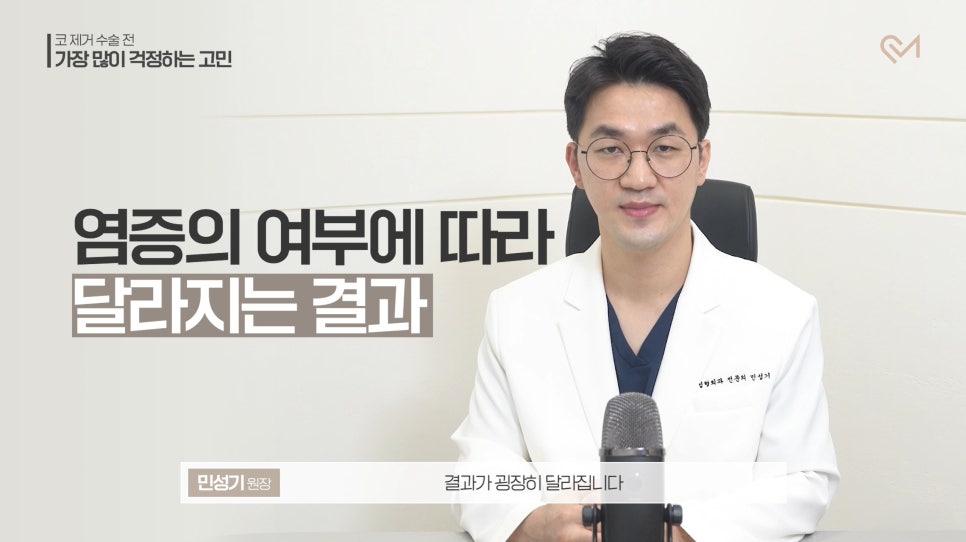
However, in cases with inflammation, because after-effects remain from the inflammation, the remaining tissue may change shape into a contracted form as it heals.
If inflammation has occurred, not removing the nose implant can lead to even more severe contracture, so in cases of inflammation, removing it quickly as soon as possible is the best way to avoid the worst outcome.
Q2. If I remove the nose implant and the nasal tip implant, can I return to my original nose?
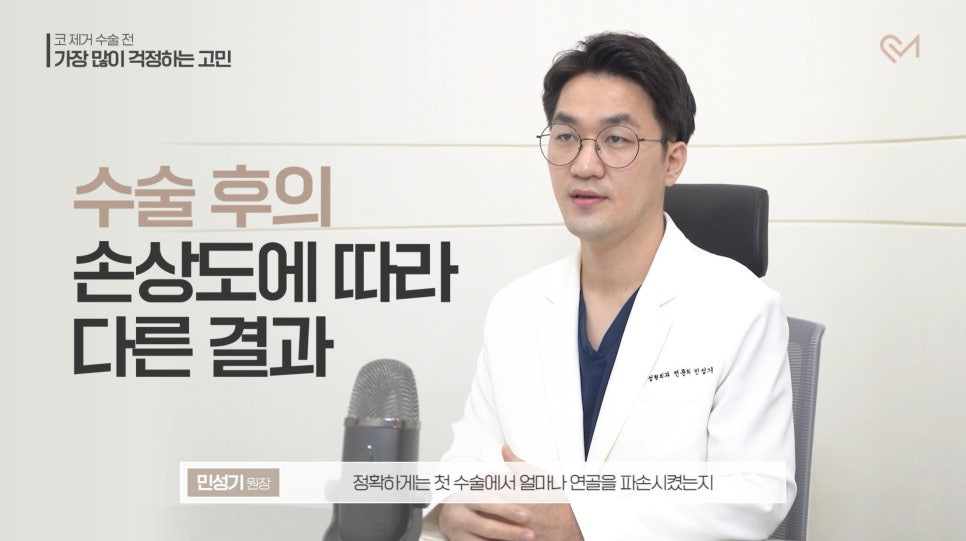
Whether you can return to your original nose after removing the nose implant and the transplanted cartilage is difficult to answer with a simple yes or no.
More precisely, the outcome depends on how much cartilage was damaged or destroyed during the first surgery.
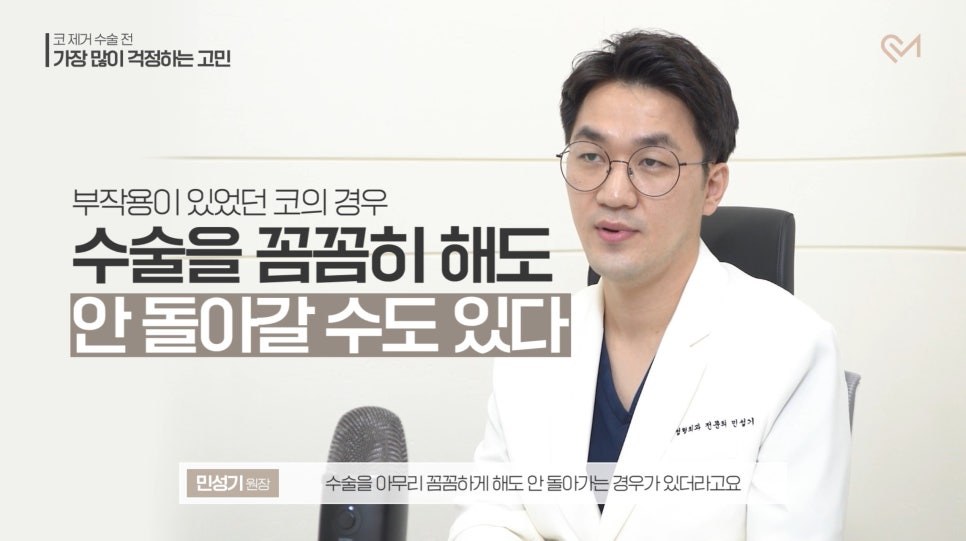
If the previous surgery was extremely rough, or if the nose was broken apart or damaged, there are cases where it is difficult to return to the original nose no matter how carefully the surgery is performed.
In such cases, Charmin Plastic Surgery works as delicately as possible to correct the nose and do our best to help it return as close as possible to the original nose.
Q3. If there is inflammation or contracture, can revision surgery be done immediately after nose removal?
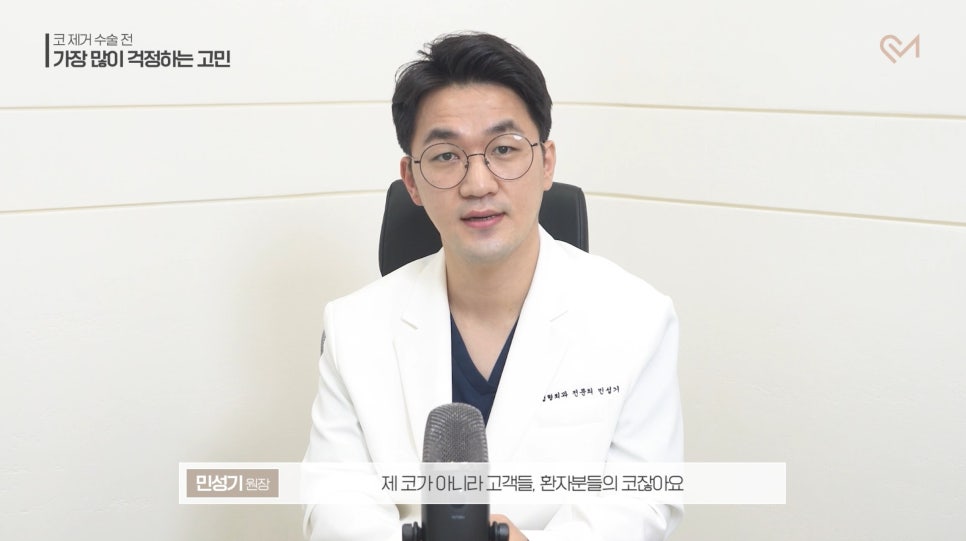
Honestly, from a personal standpoint, that makes me very nervous.
I am uneasy about performing surgery all at once, to be honest, but it is not my nose—it is the patients' noses.
If we perform surgery again in an area that has already had inflammation, and inflammation occurs again, it is not me who suffers; it is the patients who end up having a very hard time.
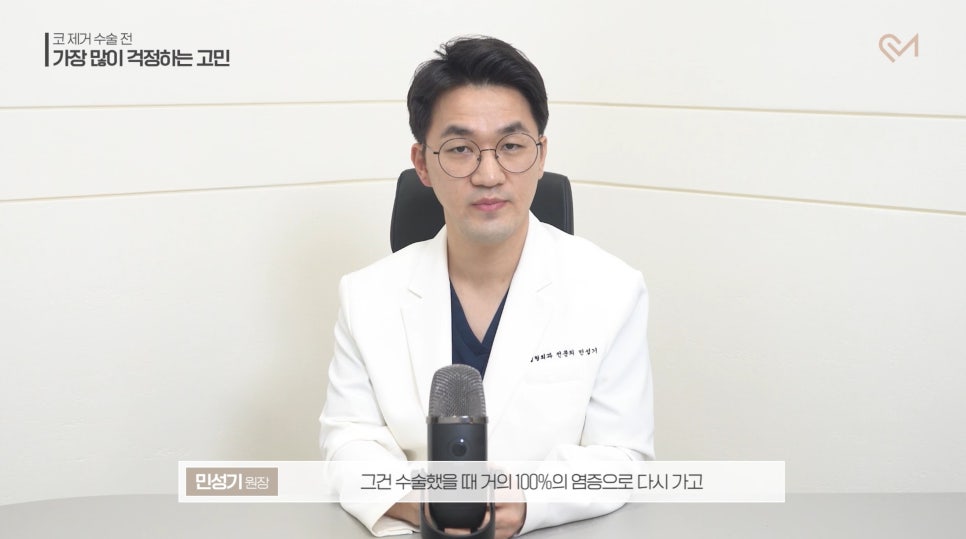
If the inflammation is severe, doing nose implant removal and revision surgery at the same time can cause the inflammation to return and extend the current recovery period to 2 or 3 years.
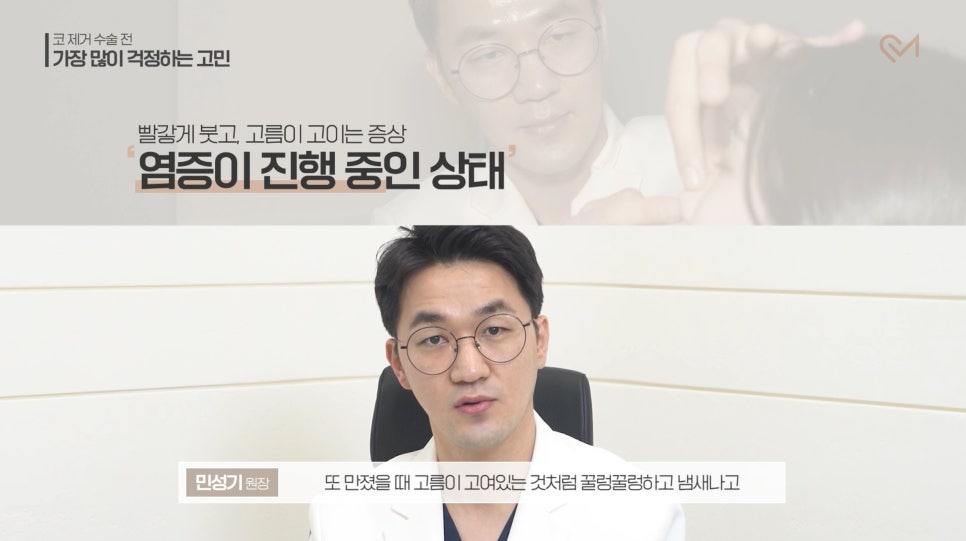
If the current nose condition has symptoms such as pus discharge, redness, swelling, warmth, a sloshing feeling as if pus is pooling when touched, or a bad smell, then surgery should absolutely not be performed in such cases.
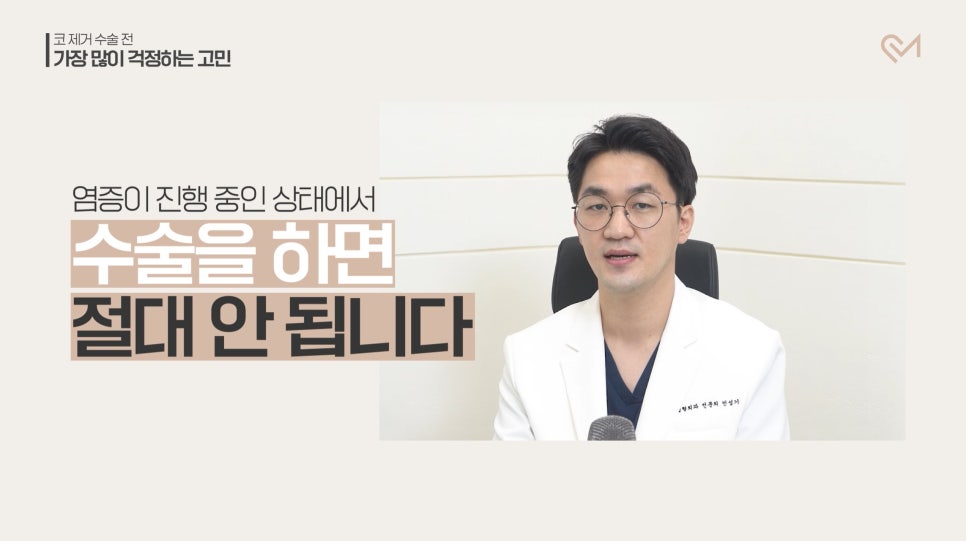
In those cases, after nose implant removal, you should recover for about 6 months before proceeding with surgery.
This is not for my benefit.
It is for the patients.
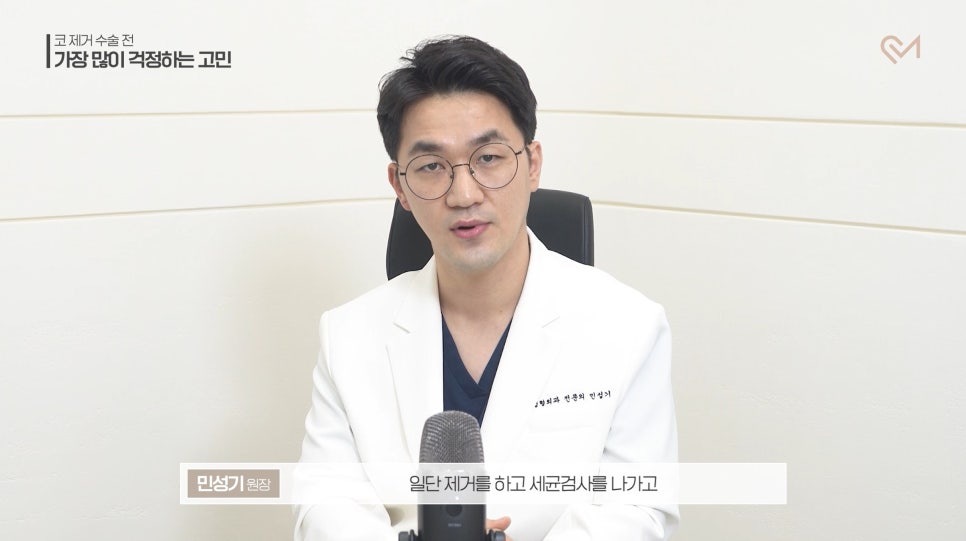
There are also people who do not have the symptoms above and even doctors may be unsure whether it is inflammation or not.
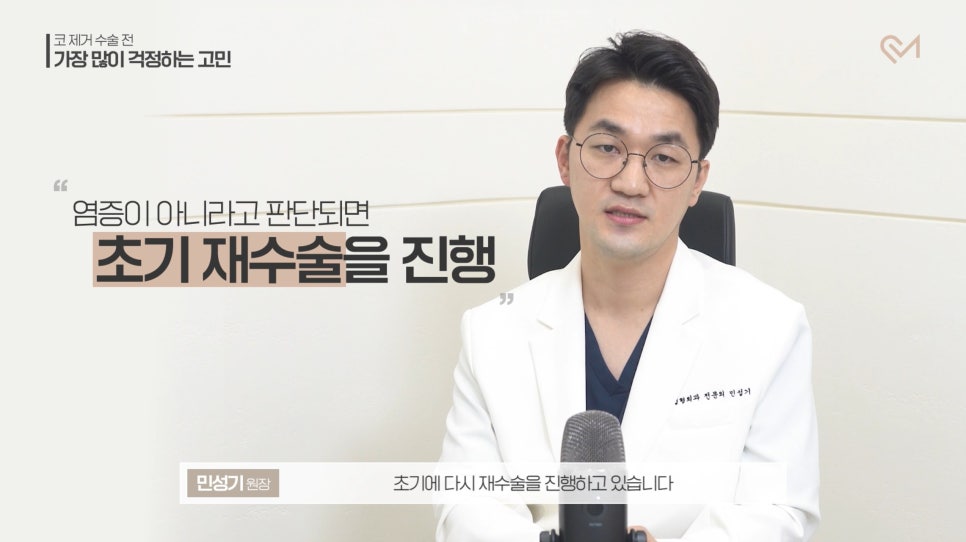
For such people, the most principled approach is to perform revision surgery 6 months after removal, but if the inflammation is very mild and even bacterial testing does not clearly show it, and if, based on the bacterial test results, it seems unlikely to be inflammation, then we proceed with revision surgery early.
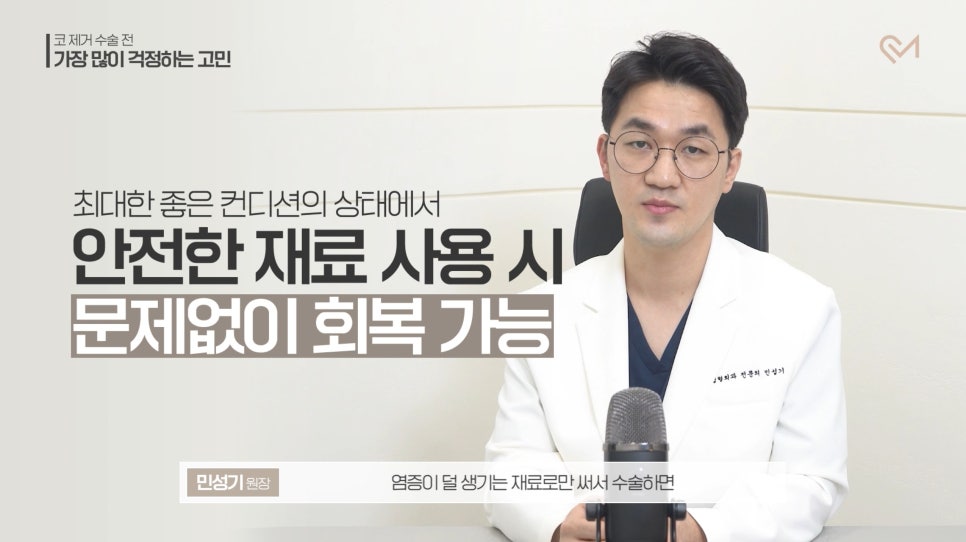
At Charmin Plastic Surgery, after removal, we perform a detailed bacterial test to check the condition inside the nose, and if it is determined that there is no inflammation,
we spend the 2 weeks after nose implant removal building up the patient's condition as much as possible in the best state, and then perform revision rhinoplasty using only the safest materials.
Today's conclusion
Director Min Seong-gi of Charmin Plastic Surgery
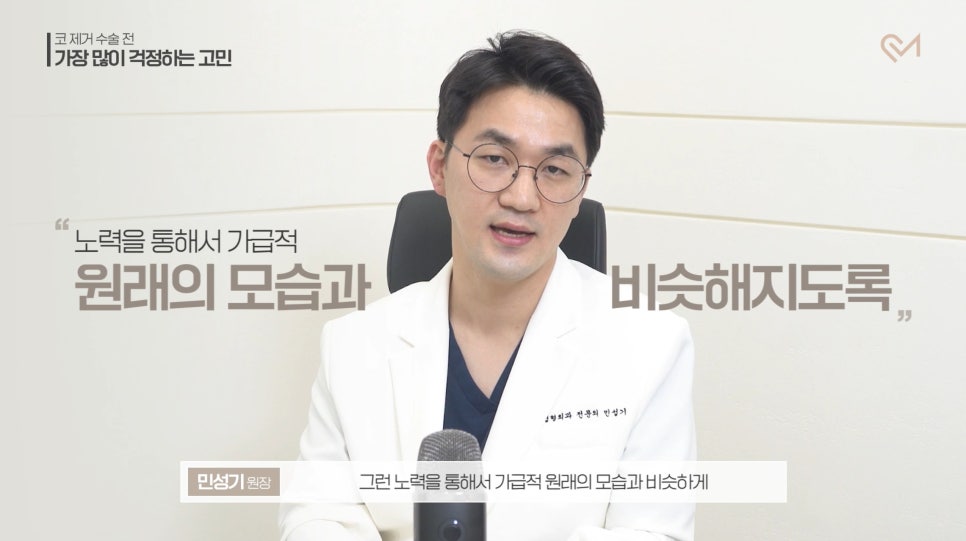
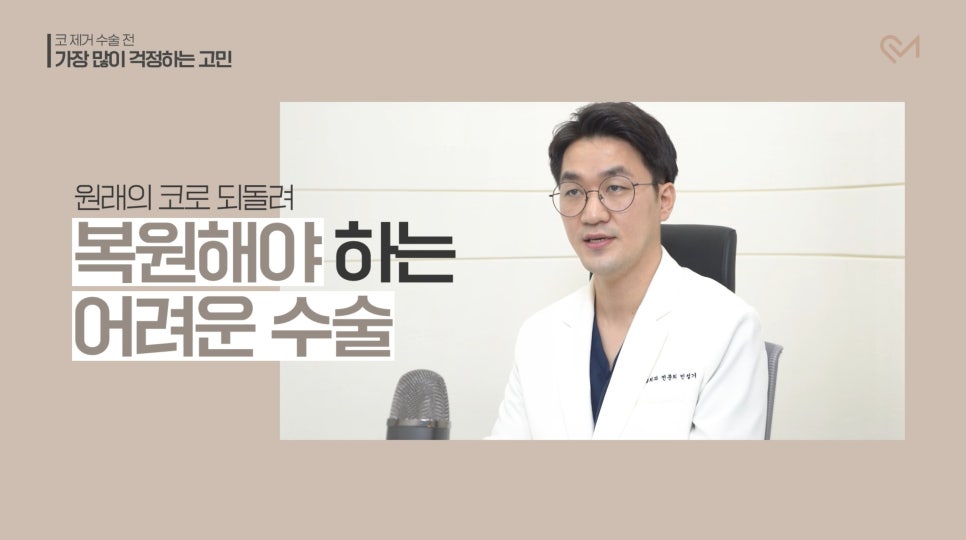
Nose implant removal and complete removal surgery are absolutely not easy procedures.
They are very difficult surgeries because the previously deformed nose must be restored to a normal state, and a nose with problems or discomfort must be returned to its original appearance.
So you should not think of it simply as removing silicone or an implant; you should think of it as a difficult surgery to restore the original shape.
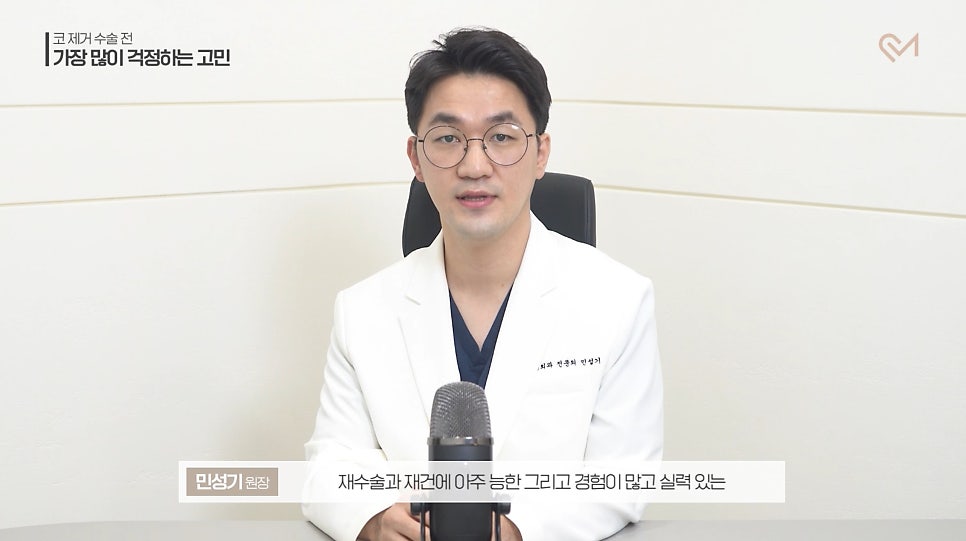
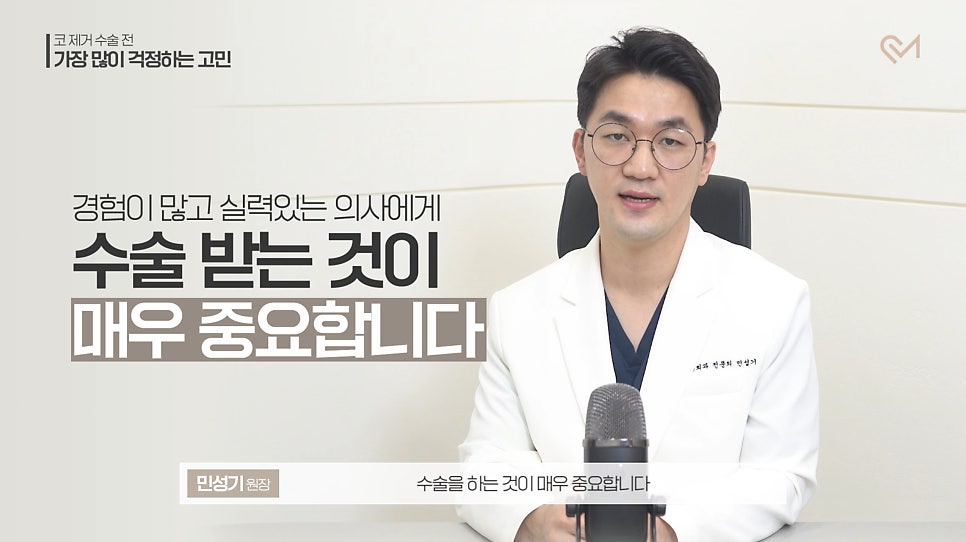
That is why I recommend that you have sufficient consultation with an experienced, skilled plastic surgery specialist who is proficient in revision surgery and reconstruction before undergoing the procedure.
Charmin Plastic Surgery
Please like and subscribe to the YouTube channel 👍❤️
We appreciate your interest.