For modern people, teeth have become a key element that determines not just chewing function, but also confidence and first impressions.
However, many people run into one major concern when considering laminate treatment.
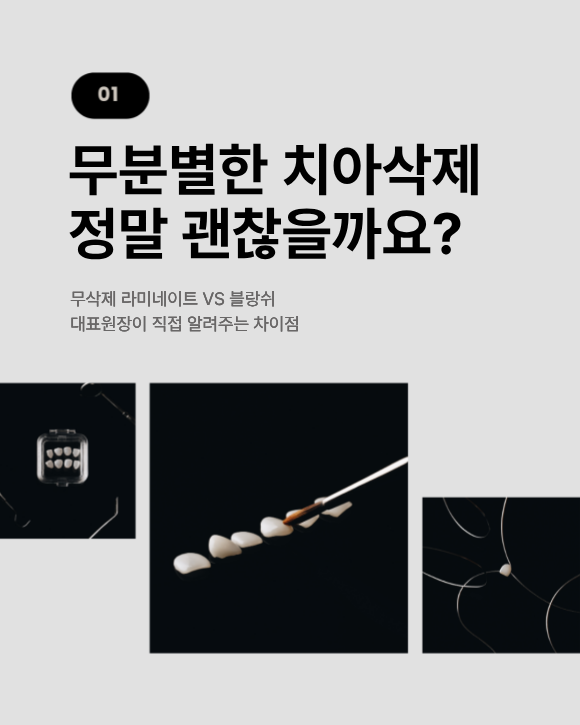
"Do I really need to shave down my healthy teeth
just to make them look better..?"
 Source: Naver Images
What emerged in the midst of this dilemma
was the no-prep laminate technique.
But does every no-prep laminate
procedure really guarantee the same result?
Today, I’ll honestly and clearly explain how the Blanch solution differs from conventional laminates.
Do you know how much tooth structure is actually shaved away in a conventional laminate procedure?
About 0.5 mm to 1.2 mm.
When you only hear the number, it may not feel that significant.
In fact, why this number matters becomes clear when you understand the structure of teeth.
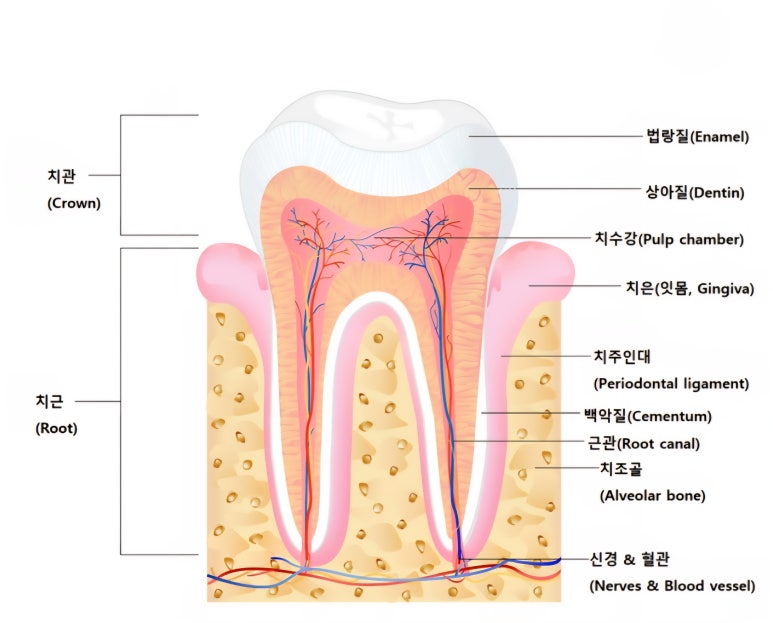
Our teeth are made up of multiple layers, like a fortress wall.
The outermost enamel is the first line of defense,
and inside it are the dentin, nerves, blood vessels, and periodontal ligament.
And the root is also precisely arranged.
However, the average thickness of enamel is 1.0 mm.
A conventional laminate procedure essentially removes most of the tooth’s most important protective layer and covers it with ceramic.
What happens to a tooth that has lost
a natural protective layer called enamel?
It becomes sensitive even to cold wind,
and the risk of bacteria entering through tiny gaps also increases.
As a result, side effects such as nerve damage, natural tooth discoloration, and restoration loss can occur in succession.
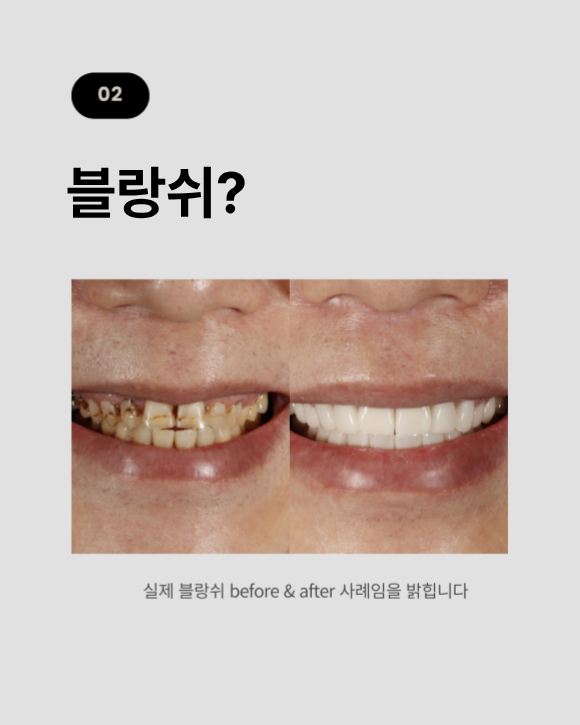
By contrast, Blanch’s average amount of reduction is
no-prep, or 0.1 mm to 0.2 mm.
Of course, in the industry there is also a skeptical view that
no-prep
is
practically impossible.
This is not wrong.
Because of the material properties of conventional laminate materials,
if they are made too thin, their strength drops significantly..
And there is a fundamental limitation that they must become thicker to make up for that.
As a result, even if a no-prep procedure is attempted, the tooth may protrude excessively, or the risk of discoloration and detachment due to bonding failure increases.
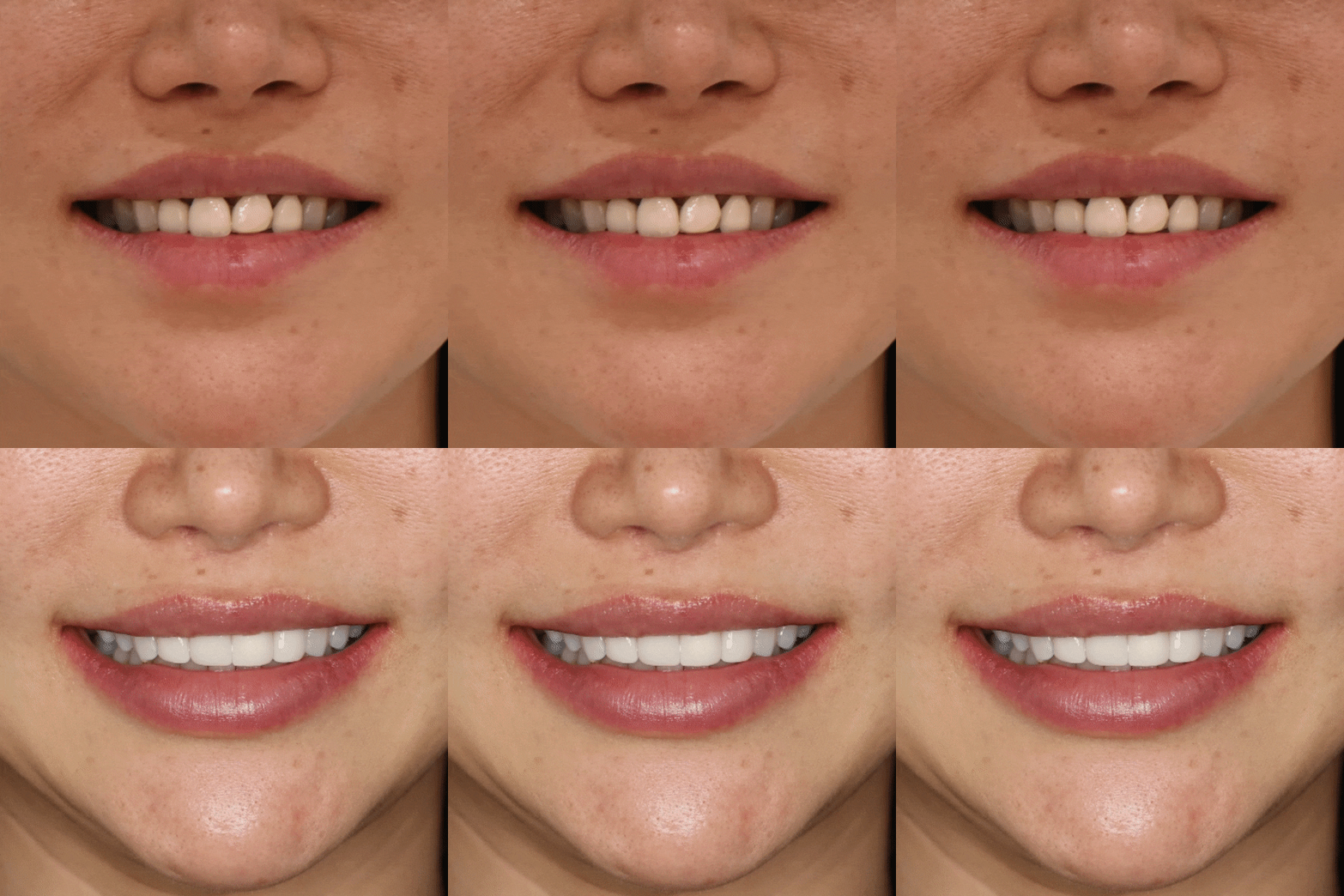 Blanch can also redo work on teeth that have already had conventional laminate treatment.
Many more people than you might expect come to us
to restore their existing teeth
with Blanch.
Due to these problems, the reality is that healthy teeth ultimately have to be removed in order to achieve a natural shape.
Then...
What makes Blanch able to overcome this?

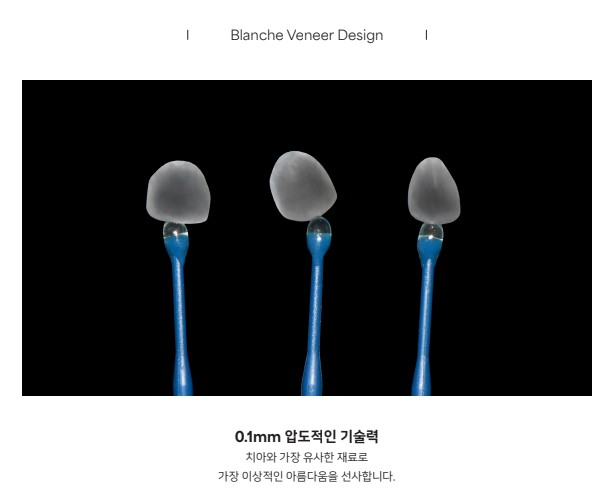
According to prosthodontic research,
when laminate thickness is 0.3 mm or less,
it is reported that sufficient aesthetics and strength can be secured without tooth reduction.
But the reality is different.
Then what material does Blanch use,
and how is it processed?
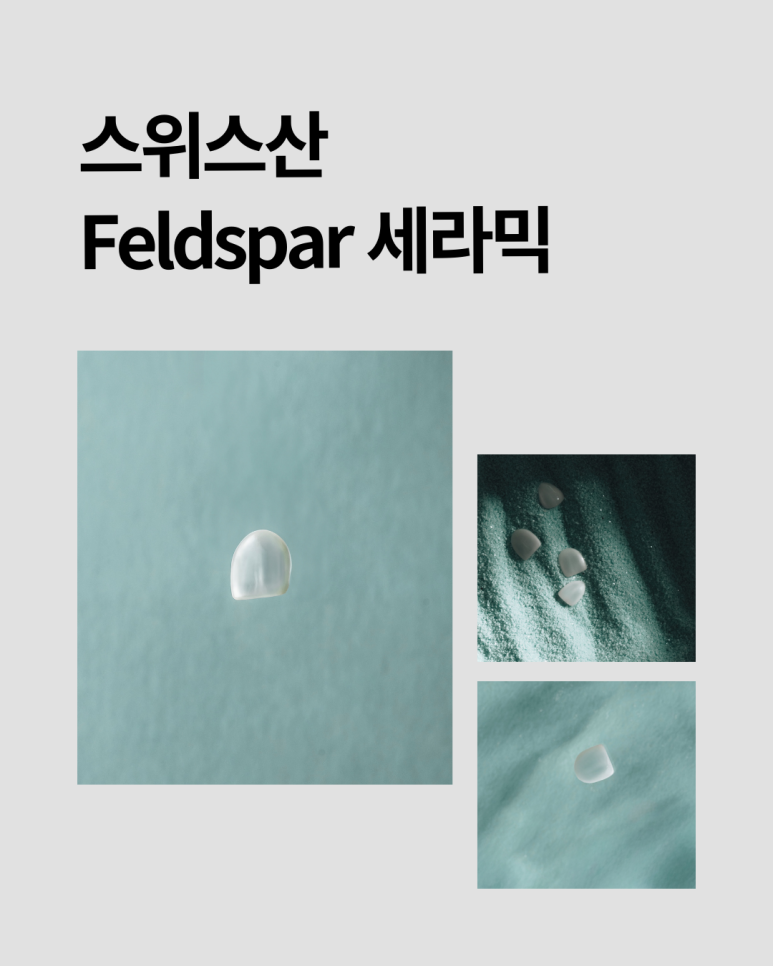
First, let’s look at the material.
At Blanch, we use high-quality Swiss feldspar ceramic, a material with optical properties similar to natural teeth.
The problem is that it is quite difficult to process, and high-quality Swiss feldspar ceramic is expensive from the start.
This is because in unskilled laboratory work, fractures or deformation occur frequently, which can lead to economic loss.
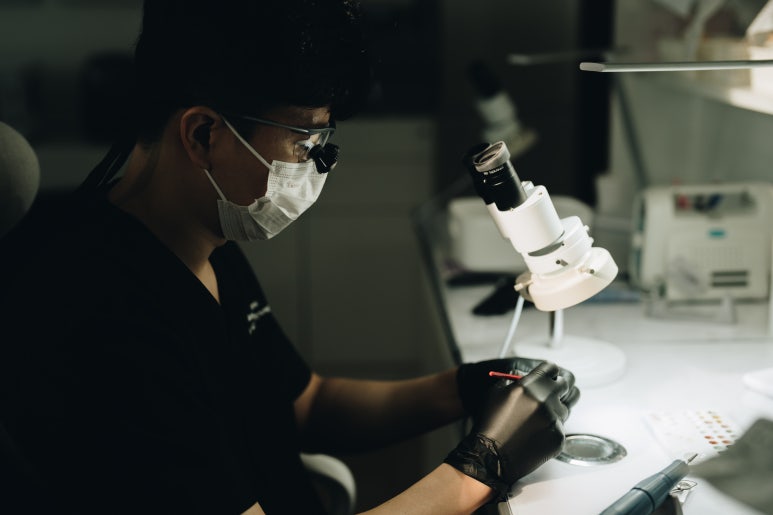
That is why Blanch does not outsource the work to an external dental lab, but instead produces it in its own in-house lab system.
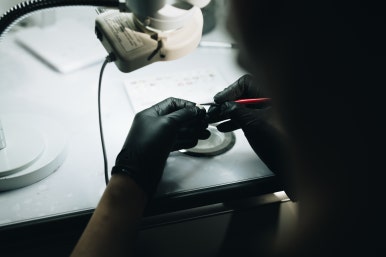
Because a ceramic specialist with more than 10 years of clinical experience handles the work directly, ultra-precise processing with a thickness of 0.1 to 0.3 mm is possible.
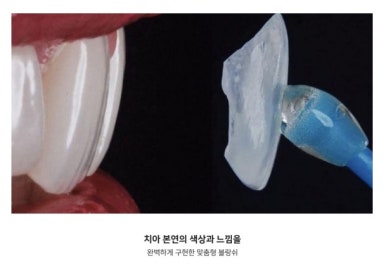
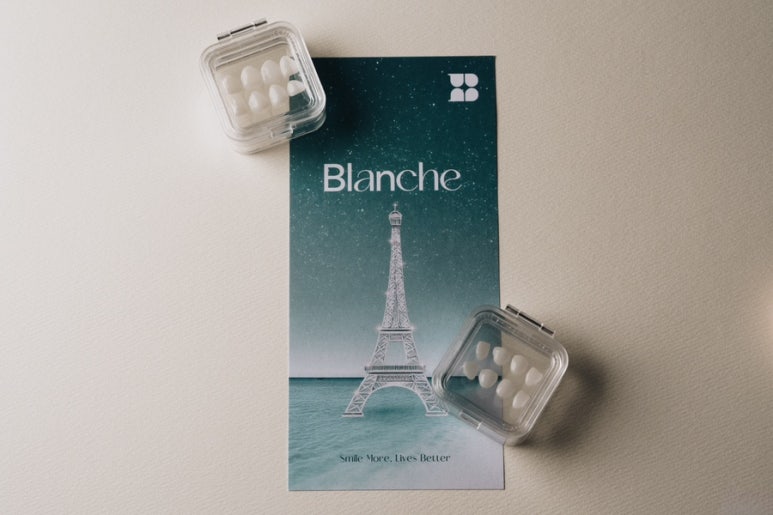
The look most similar to natural teeth
Blanch
Actual procedure scene
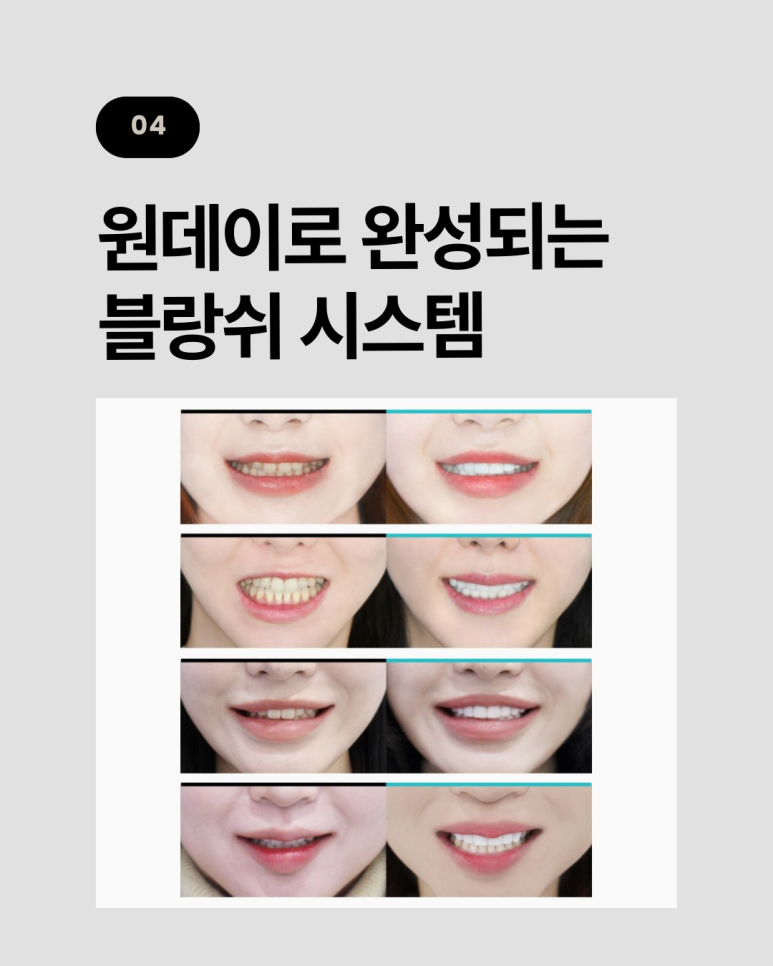
Conventional laminate procedures are generally carried out by taking impressions of the teeth, outsourcing the fabrication to a dental lab, and then returning 3 to 5 days later for bonding.
This structure requires patients to wait at least a week.
In particular, it is a significant burden for patients who travel from far away.
By contrast, having an in-house lab can largely solve these time constraints.
Blanch’s in-house lab is operated in a way that allows direct communication with the medical staff, so fabrication can begin immediately after the impression is taken.
If treatment begins in the morning, it also means the system is built to allow same-day completion.
This is not just about convenience;
it also minimizes the period of wearing a temporary restoration,
and helps patients return to daily life sooner.
If you receive treatment before 12:00 p.m., the schedule is as follows.
| 1. Visit | Arrive before 12:00 p.m. |
|---|
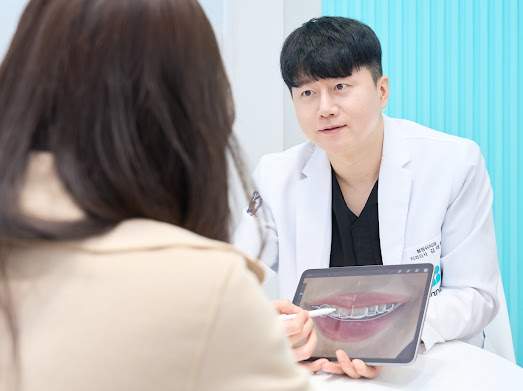
| 2. Consultation | After consulting with the medical staff, the number of units and the design are determined. |
| 3. Scan | The current tooth condition is scanned with digital equipment. |
| 4. Design | The lab director designs it specifically for one patient. |
| 5. Fabrication | First processing is done with a precision milling machine, and second processing is done by a master technician. |
| 6. Trial fit | Check whether the processed laminate fits properly. |
| 7. Bonding | Finally, it is bonded to the teeth. |
We could emphasize speed,
but we prioritize detail and completeness.
That is why the bonding process usually takes place around 5 to 6 p.m.
This is to uphold Blanch Dental’s philosophy of
"Do it right before doing it fast."
There is no design that suits everyone.
The core of the Blanch solution
Considering laminate treatment means you already have significant aesthetic concerns.
Therefore, of course we must focus on no-prep,
but we also need to focus on giving each patient the beauty that is right for them.
It is both treatment and, in a way, art.
No matter how excellent a work is,
it shines only when it suits the space,
and no matter how well a material is processed,
it has no meaning if it does not suit the patient.
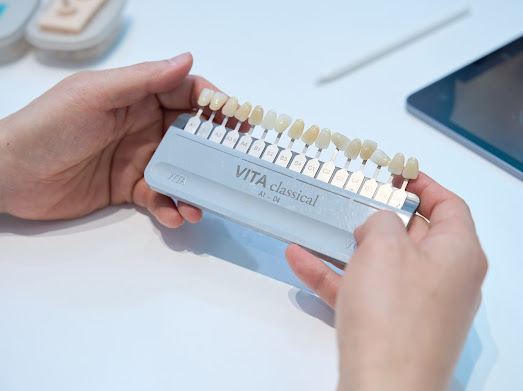
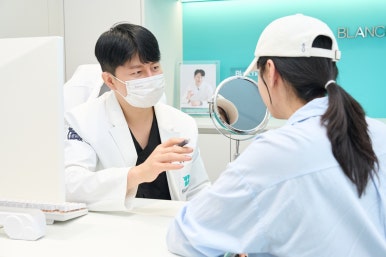
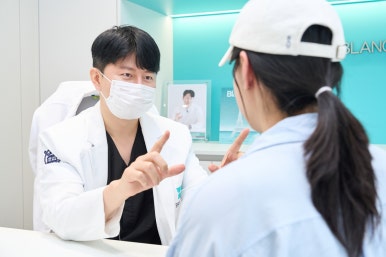
| Colors and sizes may seem similar at first glance... The fine difference that matches the lip shape, skin tone, and even eye color is what completes the art. Where smiles become masterpieces-Blanch Dental slogan |
That is why laminate treatment is difficult to satisfy through a factory-style procedure,
and only by designing the appropriate color and size for each patient one by one can a truly satisfying result be achieved.




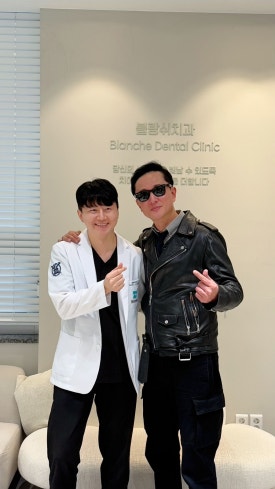



Blanch Clinic with Celeb
Only teeth?
Blanch solution that extends to the entire face
As mentioned at the beginning of the article,
teeth play a major role in maintaining the overall aesthetic balance of the face.
Because of that, there are several secondary issues that can arise when only the aesthetics of the teeth are improved.
| Issues such as a more noticeable, unrefined gum line, more concern about drooping mouth corners, or more prominent thin lips. |
So Blanch pursues a "Smile Makeover" that considers not only the teeth,
but also the aesthetics and beauty of the entire face.

Orthodontics, whitening, Botox, fillers, and gum contouring—
our ultimate goal is to maximize the positive impact that smiles bring to our lives.

Blanch’s value
is proven not at the moment of completion,
but through the warranty period.
No-prep Laminates vs. Blanch,
Key Differences Explained by the Chief Doctor
The biggest concern patients considering laminate treatment have is the issue of longevity.
"What if it falls off quickly?"
"What if a problem comes up and the clinic
just ignores me?"
Traditional laminate treatment is performed by so many clinics, with such varied prices and results,
that the concept of aftercare is at a very vague level.
It varies by clinic,
but there may not even be a clearly defined aftercare period.
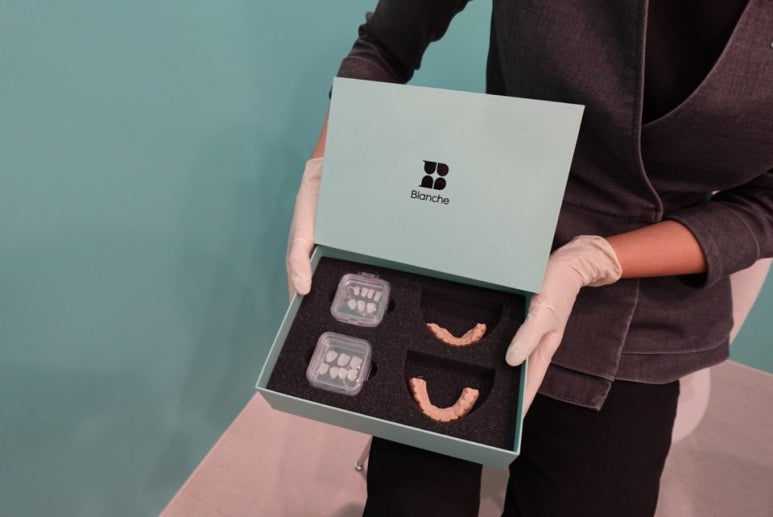
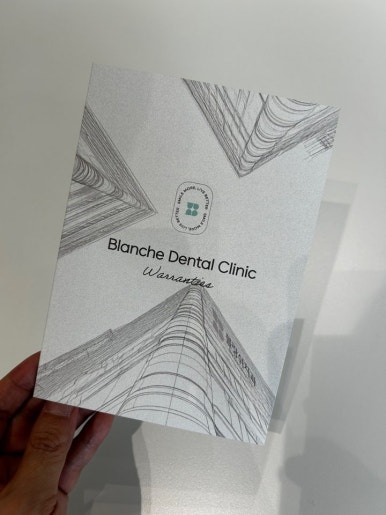
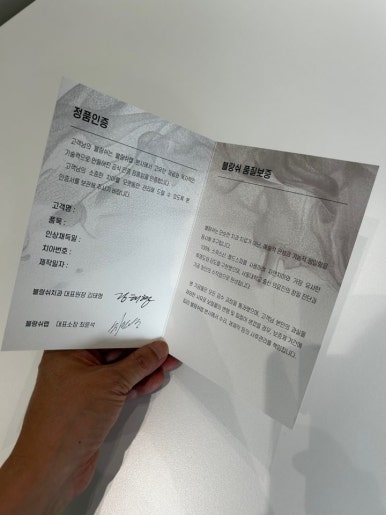
However, Blanch guarantees
aftercare for up to 10 years,
and the warranty period is 10 years only,
but if you take good care of it,
it can also be used
semi-permanently.
Could my own concern
also be solved?
No-prep Laminates vs. Blanch,
Key Differences Explained by the Chief Doctor
The cases we recommend are as follows,
but this is a treatment anyone who wants it can receive.
- Severe discoloration
- Irregular tooth size
- Cavities on the front teeth
- Poor alignment of the front teeth
- Feeling burdened by orthodontic treatment
The amount of reduction varies from person to person.
In general, most cases are done with no-prep,
but if the teeth overlap or are large,
0.1 to 0.2 mm may be removed.
Also, if there is decay, that area must be removed
so that decay does not recur,
so it may be easier to think of it as
"If there is decay, that area is removed."
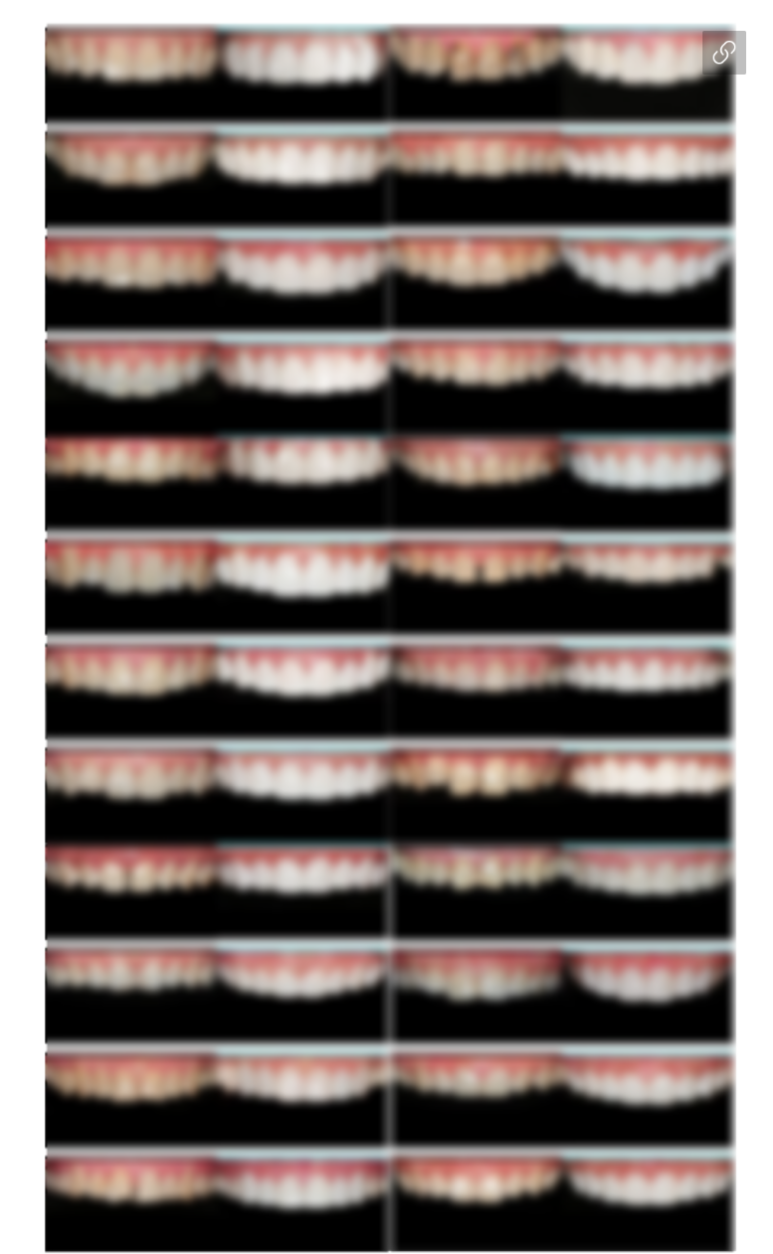 Blanch’s real value
is revealed in the before-and-after photos.
You can check them directly
by clicking the image.
※ If you add the blog as a friend,
it will be made public.
To conclude.
So far, I have explained the essential differences between the commonly known traditional laminate treatment and Blanch, as well as their characteristics.
Blanch is a no-prep laminate developed over 11 years of clinical research by medical staff from Seoul National University and researchers at Blanch Lab.
25 or more
types of research materials were compared,
with over 20,000 clinical research cases,
and 50,000 hours of training
invested in the result.
As a result, not only patients from outside Seoul such as Jeju and Busan,
but also patients coming from around the world,
including the UK and the US, are steadily increasing.
Many of the celebrities you know from TV are also now choosing Blanch.
We hope that more people will be able to enjoy proper, sustainable beauty through Blanch in the future.
This has been Kim Tae-hyung, Chief Doctor of Blanch Dental.
| Kim Tae-hyung, Chief Doctor of Blanch Dental |
|---|
| Ask questions right away |
| Check available reservation dates in 1 second |