If you don’t know ‘this,’
you’ll regret it 99% of the time.
Hello.
I’m Kim Tae-hyung, the chief director of Blanche Dental Clinic,
where smiles are turned into masterpieces.

You might think:
“No-prep laminates don’t require tooth reduction,
so they shouldn’t have side effects, right?”
That’s what many people assume.
Of course, it’s true that they involve less reduction than the conventional method, which requires more removal of tooth structure.
However, there are still several side effects of this procedure that should never be ignored.
There’s no need to worry too much.
Today, I’ll explain the side effects of no-prep laminates, along with how to prevent them.
Let’s get started right away.
- Side effects of no-prep laminates,
what are they?
Side effects of no-prep laminates,
If you don’t know ‘this,’ you’ll regret it 99% of the time.
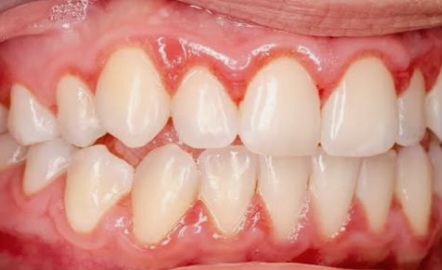
The most common side effect is gum inflammation.
Laminates are a procedure in which a ceramic veneer is bonded onto a natural tooth.
Because of that, no matter how well they are attached, there will inevitably be a boundary between the gum and the restoration.
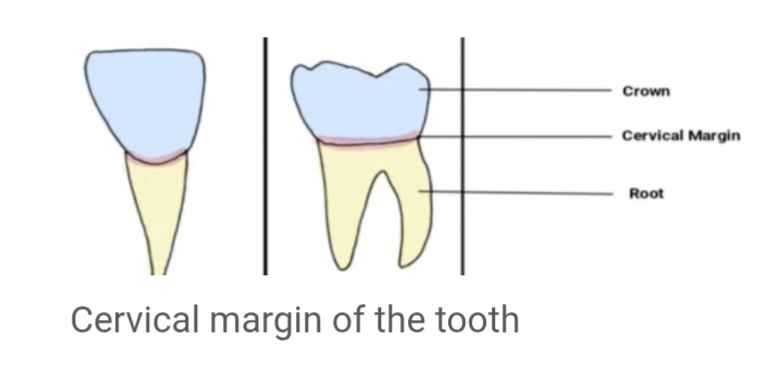
The boundary where the restoration meets the gum
is called the margin.
And this margin is determined at the discretion of the clinician and the dental technician who fabricates the restoration.
What matters here is that the margin must not invade the biologic width.
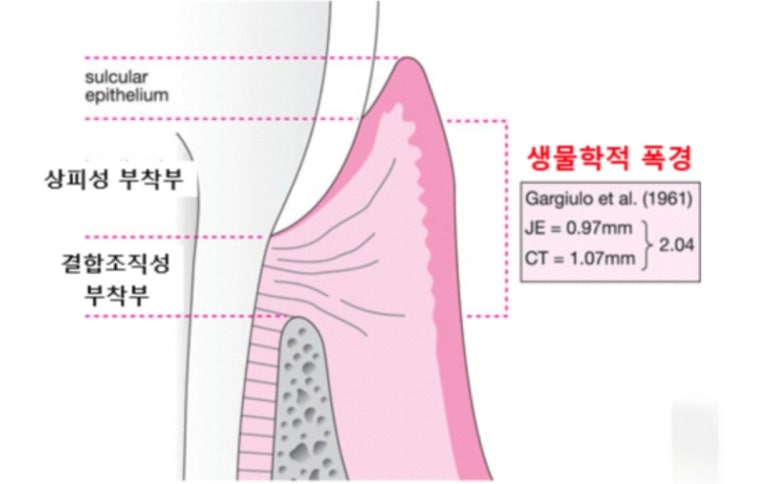
Biologic width refers to
the width the gum needs
to defend against bacterial infection from the outside.
In simple terms, it acts like a fence that helps the gums protect themselves from inflammation.
But what if the restoration’s margin crosses that fence and the biologic width is not secured?
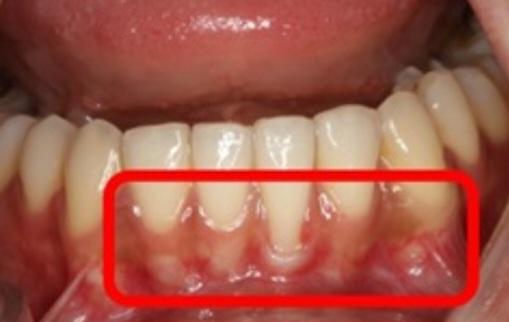
Gum pain, swelling, bleeding, and recession can occur as side effects of no-prep laminates.
If this kind of inflammation is not treated early, even the underlying alveolar bone can begin to resorb.
 Side effects of no-prep laminates,
If you don’t know ‘this,’ you’ll regret it 99% of the time.
Side effects of no-prep laminates,
If you don’t know ‘this,’ you’ll regret it 99% of the time.
If the alveolar bone resorbs, the strength that holds the tooth firmly in place weakens, and in severe cases, the tooth may even need to be extracted.
Gum inflammation can also occur when the restoration is too thick.
In some cases, ordinary ceramics are made thicker because of their limited durability,
but this is not only bad for inflammation—it also makes the teeth look bulky, which is poor for aesthetics.
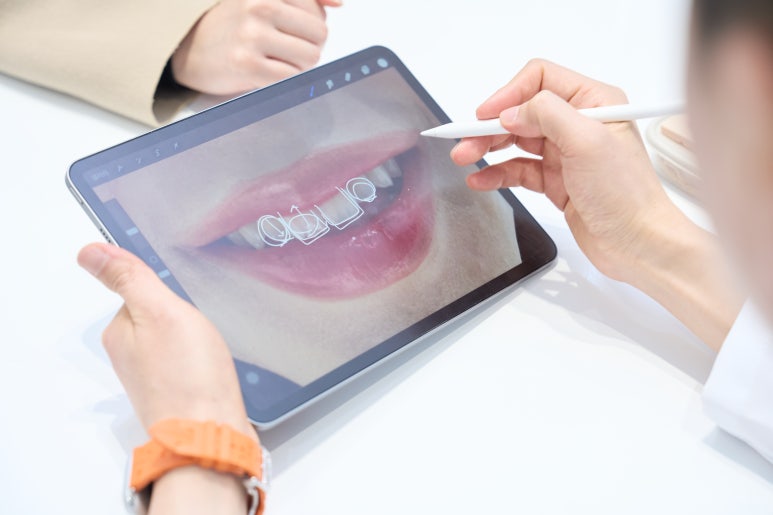
In addition, if bonding is not done properly, decay can develop in the gap between the ceramic and the tooth.
If decay spreads from the inside, it is hard to notice, and by the time you visit the dentist, it may already be severe.
Please be careful, because one bad laminate procedure could even lead to the extraction of a perfectly healthy tooth.
- Side effects of no-prep laminates,
no problem if you do this
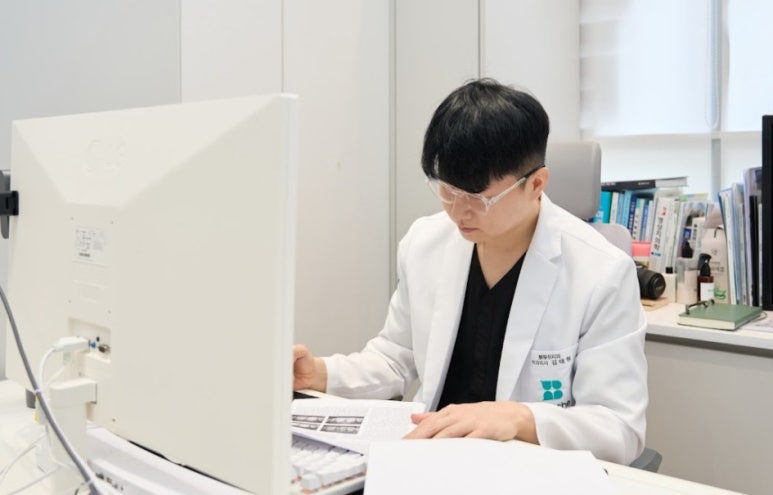
There is one easy way to prevent side effects.
It is the method of bonding a 'thin' ceramic
'properly.'
In the end, the clinician’s skill and the dental clinic’s technical capability are what matter.
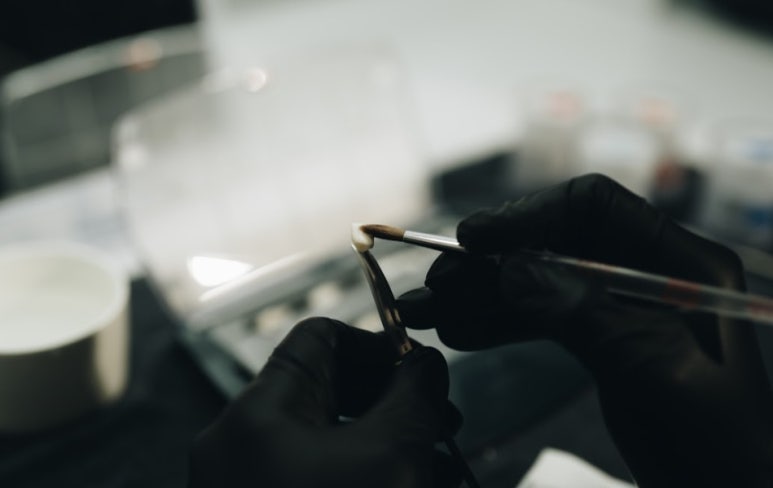
At Blanche, the ceramic thickness is about 0.1 mm.
 Side effects of no-prep laminates,
If you don’t know ‘this,’ you’ll regret it 99% of the time.
Side effects of no-prep laminates,
If you don’t know ‘this,’ you’ll regret it 99% of the time.
If you think about how the average thickness of an adult fingernail is 0.5 mm, this is extremely thin.
Usually, when the material is this thin, it has the drawback of being less durable and breaking easily.
Blanche’s ceramics are selected from among 25 different types of ceramics after a full comparison,
and only the final chosen material is used,
which is why, despite its thinness,
it is characterized by strong durability.^^
In addition, to avoid invading the biologic width, this is considered from the design stage and manufactured accordingly.
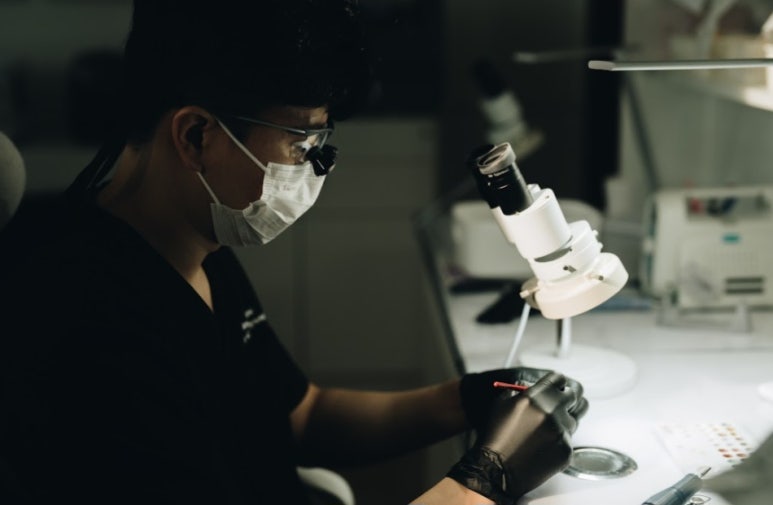
The most important thing at this stage is smooth communication between the clinician and the dental technician.
If the work is outsourced to an external lab,
there will always be some gap in opinion, no matter how carefully the details are communicated.
On the other hand, if the clinic has its own in-house lab,
there is far less chance of design errors.
 Side effects of no-prep laminates,
If you don’t know ‘this,’ you’ll regret it 99% of the time.
Side effects of no-prep laminates,
If you don’t know ‘this,’ you’ll regret it 99% of the time.
In other words, the risk of side effects caused by invasion of the biologic width is greatly reduced.
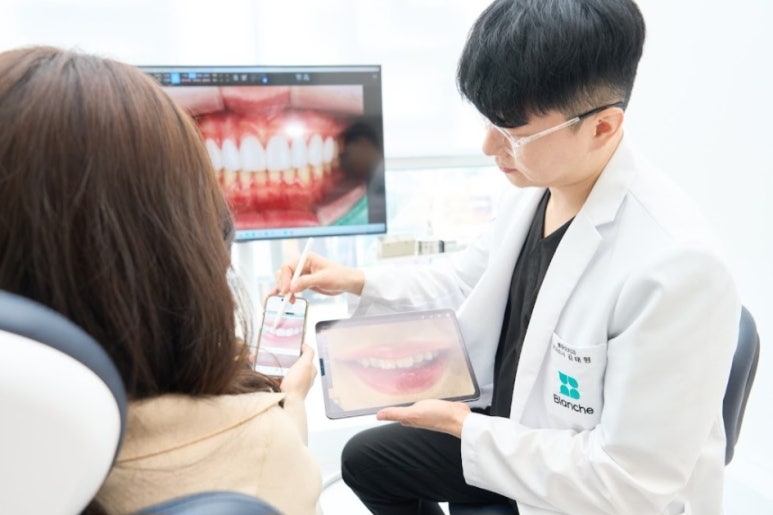
The bonding process also affects side effects.
If the adhesive layer is too thick, discoloration becomes more likely, and the risk of inflammation also increases.
You may need to undergo re-treatment sooner than expected..
 Side effects of no-prep laminates,
If you don’t know ‘this,’ you’ll regret it 99% of the time.
Side effects of no-prep laminates,
If you don’t know ‘this,’ you’ll regret it 99% of the time.
That is why Blanche has the clinician personally apply a thin adhesive measured in micrometers.
You can experience laminates that blend naturally with your teeth, as if they were one with your natural teeth.^^

Side effects of no-prep laminates,
If you don’t know ‘this,’ you’ll regret it 99% of the time.
That was the topic we discussed today.
I believe the side effects of no-prep laminates are problems that can be sufficiently prevented through skill and technical expertise.
It doesn’t have to be Blanche specifically,
but I do hope you avoid places that give up the natural function of your teeth just for immediate aesthetics.
If you have any further questions, please feel free to contact us anytime.
This has been Kim Tae-hyung.
Thank you.

| Kim Tae-hyung, Chief Director of Blanche Dental Clinic |
|---|
| Ask your questions right away |
| Check available reservation dates in 1 second |
With the hope that you will shine brightly,
Sincerely,
Kim Tae-hyung
Chief Director of Blanche Dental Clinic