Hello.
We are Blanch Dental Clinic in Shin Nonhyeon, which prioritizes each patient’s oral health above all else.
Among those who have considered implants and received dental consultations, many have likely been left wondering after being unexpectedly told about 'implant bone grafting.'
"The cost is becoming more expensive than I expected.."
"Will it really be a big problem if I don’t do it..?"
It is only natural to feel worried first.
Today, from the perspective of a medical team with extensive implant placement experience, I will talk about when implant bone grafting is truly necessary and why it should be decided carefully.
If you focus for just 3 minutes and read this,
you may be able to protect your precious teeth.
Bone grafting is the foundation work of implants,
but it is not always essential
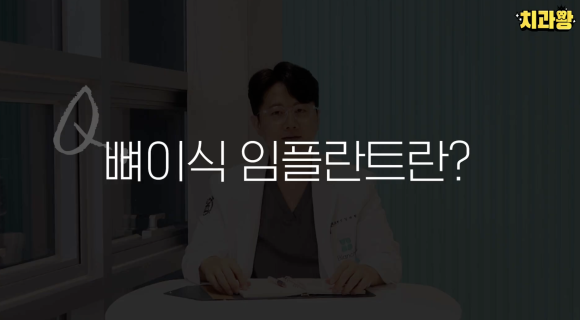
Alveolar bone grafting is an excellent treatment that reinforces insufficient jawbone so that implants can settle stably.
It works on the same principle as filling soil when there is not enough dirt to plant a tree, so the tree does not fall over.
However, bone grafting is not necessary for every patient.
If the patient’s bone density is sufficient and the width and height are appropriate to secure the implant, a successful outcome can still be expected without additional grafting.
In some cases, reinforcement bone grafting that requires careful judgment may place a financial burden on the patient and, because the incision area becomes larger, may also cause the inconvenience of a longer recovery period.
Therefore, performing it only in 'absolutely necessary cases' through precise diagnosis is the responsibility of the medical team and a basic principle.
The 3 representative cases in which bone grafting is medically recommended
When a dentist recommends bone grafting, if the following situations apply, it is a good idea to consider it positively for the long-term lifespan of the implant.
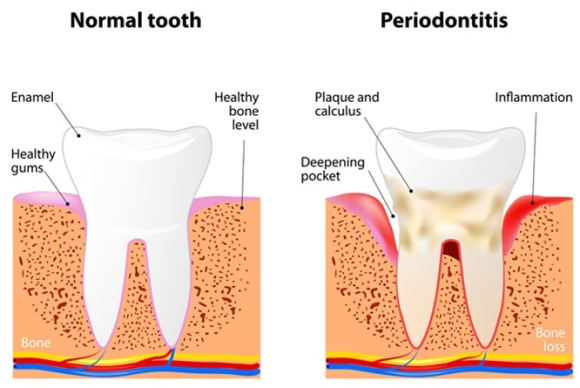
① Severe bone loss due to advanced periodontitis
If teeth were lost due to severe gum disease, there is a high chance that the bone surrounding the teeth has also resorbed.
If the area sinks deeply after extraction or the bone density is low, bone grafting is recommended to prevent implant failure.
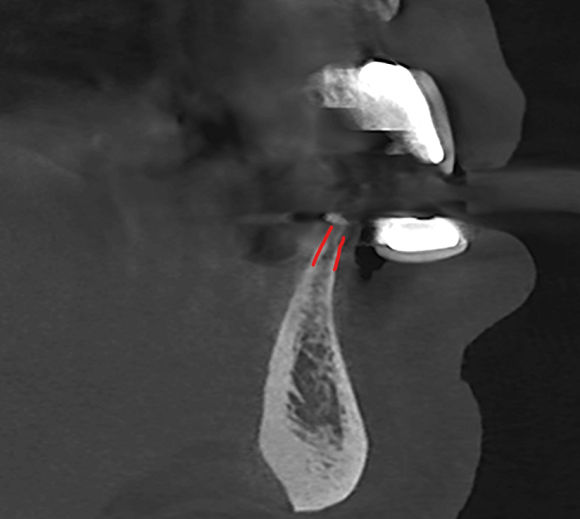
② Narrow bone width in the front teeth area
The bone on the outer surface of the front teeth is much thinner than that of the molars.
After tooth loss, bone resorption progresses quickly, so grafting may be needed to prevent aesthetic issues such as the metal body showing through after the implant is placed or gum recession.
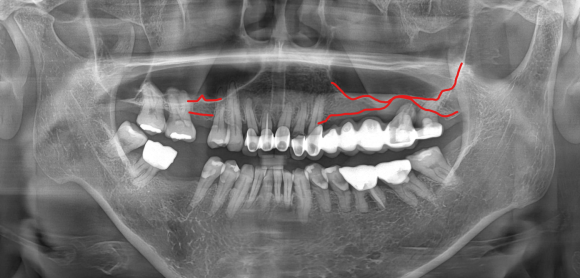
③ Upper molars involving a sinus lift
The upper jaw bone contains an air cavity called the 'maxillary sinus,' so the bone is often thin.
When there is not enough depth to place the implant safely, a procedure to lift the sinus membrane and secure space is necessary.
At Blanch Dental Clinic, we are studying ways to reduce the use of unnecessary graft materials depending on the patient’s condition.
According to the principle of GTR (guided tissue regeneration), which utilizes the body’s bone-forming ability, in certain conditions (such as when the degree of bone loss is mild), bone formation can be induced simply by securing space.
Through this, patient-centered care that shortens surgery time, minimizes foreign-body reactions and swelling, and reduces the financial burden is important.
✅ If your doctor recommends bone grafting, don’t panic—check these for yourself
-
Is the site where my gums were severely inflamed like they were 'hit by a bomb'?
-
Is the surgical site the 'front teeth' area where the bone is thin?
-
Is it the 'upper molars' area, requiring a sinus lift?
If it is not one of these three cases, when you visit the dental clinic,
try asking once, "Is bone grafting really necessary? Is there a way to place the implant without it?"
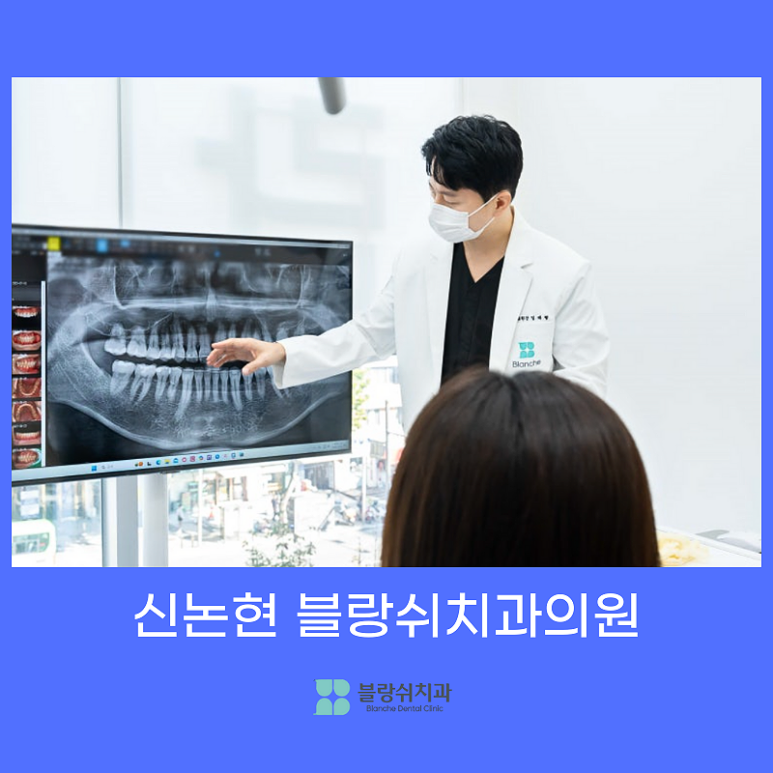
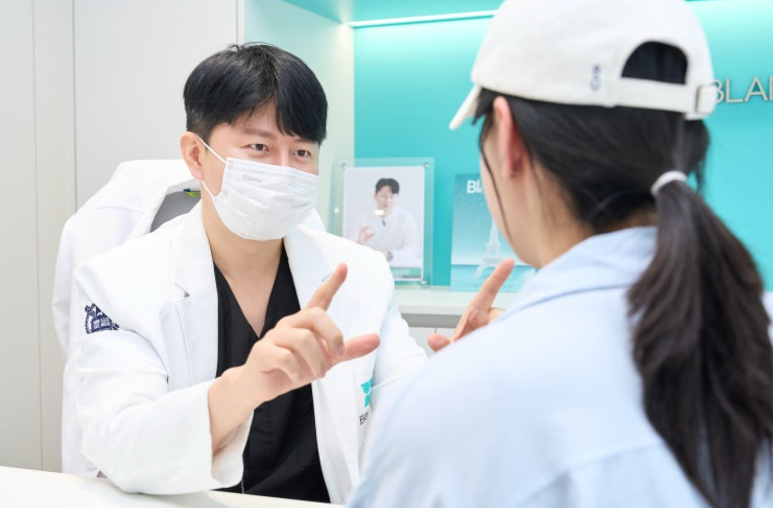 An honest medical team will explain clearly based on objective data such as 3D CT images so that the patient can fully understand.
The most important thing is not to look only for the cheapest place, but to use your judgment to check whether the clinic suggests only the treatment that is truly necessary for you.

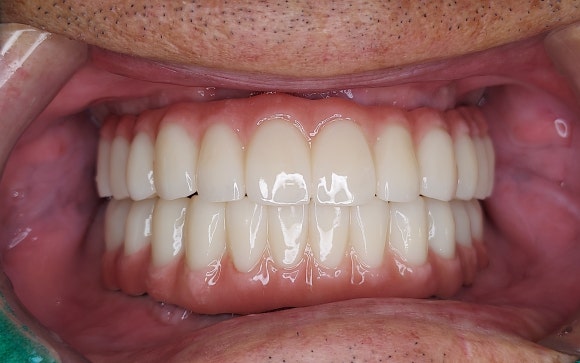
An implant is the second set of teeth, a major procedure that determines quality of life.
Without worrying about overtreatment, find the treatment direction that is best for you and you alone.
If you are currently 고민 중 after being diagnosed with an implant,
I hope you receive a thorough examination and consultation,
and if you have any questions, please leave a comment anytime!
This has been Shin Nonhyeon Dental Blanch Dental Clinic.
Thank you for reading this long post😊
| CEO Dentist Kim Tae-hyung of Blanch Dental Clinic |
|---|
| Ask your questions right away |
| Check available reservation dates in 1 second |
[🚨 Notice Regarding Cautions Under Medical Law]
All implant surgeries may cause side effects such as bleeding, pain, infection, sensory abnormalities, and peri-implantitis depending on the individual’s constitution and health condition (diabetes, high blood pressure, osteoporosis, etc.). You must have sufficient consultation with the medical team before surgery, and strictly follow the post-procedure precautions (such as no smoking and no drinking) to achieve satisfactory results.