“Doctor, I had orthodontic treatment somewhere else for two years.
After it was over, I felt that my teeth were actually worse than before.
Can I have the treatment done again? Honestly, I’m feeling overwhelmed at the thought of spending that much money all over again.”
I’m Kim Tae-hyung, the director of Blanche Dental Clinic.
After seeing orthodontic patients for many years, I often meet people like this.
The excitement they felt when they first started orthodontic treatment is long gone, leaving only a sense of injustice over the time and money they spent.
Speaking frankly as a dentist, retreatment is definitely more difficult than the initial orthodontic treatment.
And because it is more difficult, you need to make a careful decision and start properly the second time.
Today, I’ll explain why orthodontic retreatment is complicated and what you should check before beginning.
What kinds of people commonly need orthodontic retreatment?
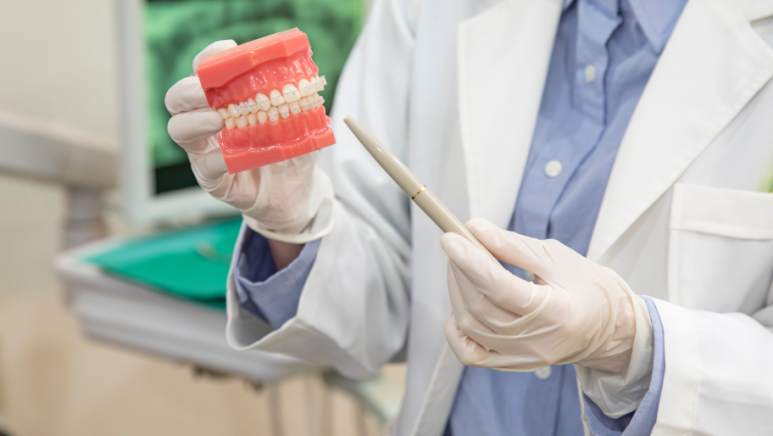
When I consult with patients about retreatment, they generally fall into three categories.
First, there are cases where the orthodontic treatment was completed, but the teeth gradually became misaligned again over time.
The front teeth slowly begin to shift after the retainers are removed. This is less a failure of the orthodontic treatment itself and more likely related to inadequate retention and maintenance.
Second, there are cases where the treatment result itself is problematic.
After the treatment is over, the bite may not fit properly, the dental midline may be misaligned, or protruding teeth may not have improved. In many cases, the initial diagnosis and treatment planning were insufficient.
Third—and this is the most distressing case—there are situations where side effects develop during orthodontic treatment.
Not long ago, a patient came to see me with trembling hands. They had started orthodontic treatment at a local dental clinic because one front tooth was slightly crooked. The treatment period kept getting extended, and various elastics were used. Eventually, the roots of two front teeth had resorbed. I asked to see the earlier photographs, and to be honest, I wondered why orthodontic treatment had been started in the first place. Yet the patient’s teeth were now actually worse than before treatment.
Thinking about the emotional hurt and wasted time that patient must have experienced at that clinic left me deeply saddened.
Why retreatment is more difficult than the initial treatment
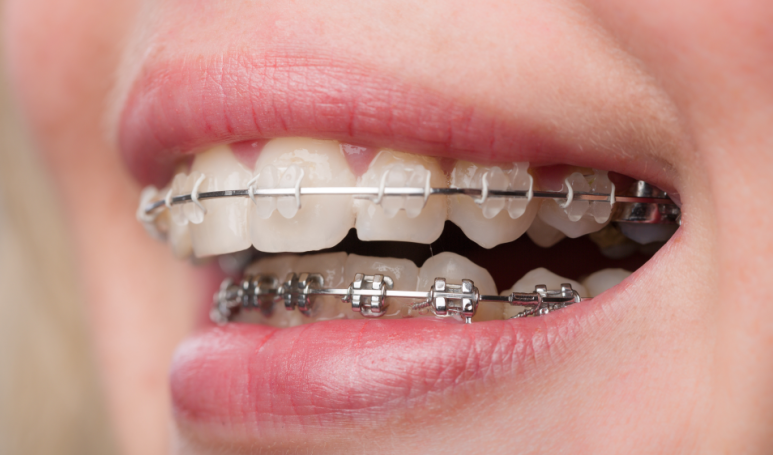
Initial orthodontic treatment is like drawing on a blank canvas. The teeth simply need to be moved from their original positions according to the treatment plan.
Retreatment, however, is like drawing again over an existing picture. The conditions are completely different.
Teeth that have already been moved may have weakened roots. The condition of the supporting bone may also differ from how it was initially, and if teeth were extracted during the previous treatment, the spaces must be recalculated and redistributed. As a result, retreatment requires more time for diagnosis, and the treatment plan itself may inevitably be more complicated than the first one.
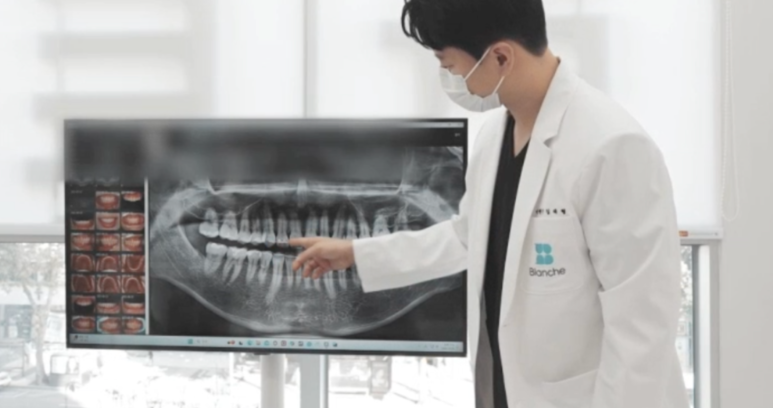
A CT scan may reveal teeth with ongoing root resorption even if they appear normal from the outside. Applying excessive force to such teeth can make the situation worse.
Therefore, the most important thing in retreatment is not “how quickly” or “how beautifully” the teeth can be treated, but accurately determining “what is possible and what is not possible in the current condition.”
What you must check before orthodontic retreatment
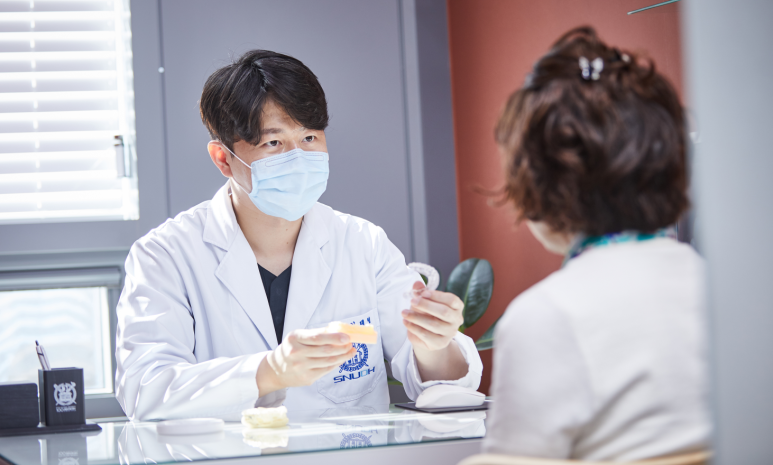
If you have decided to undergo retreatment, make sure to check the following when choosing a dental clinic.
Whether an orthodontic specialist personally provides the treatment. General dentists can also perform orthodontic treatment, but retreatment is a different level of difficulty. Since the treatment must be redesigned after a problem has already occurred once, the experience of a specialist trained specifically in orthodontics is important.
Whether the condition of the roots is checked first with a CT scan. The greatest risk in retreatment is applying excessive force to roots that are already weakened. Starting without a CT scan is like driving without a map.
Whether the treatment plan is explained in detail. Rather than simply being told, “You can just get started,” you should receive a thorough consultation about the expected duration, type of appliance, whether extractions are necessary, and the possible results and limitations. A useful standard is whether the clinic allows you to sit down one-on-one and talk for at least an hour.
If you would like to learn about points that are easy to overlook when choosing an orthodontic clinic, please refer to this article as well.
To be honest about cost and treatment duration
The cost of retreatment varies greatly from case to case, but at our clinic, it starts in the one-million-won range.
It may vary depending on your individual oral condition and the difficulty of the case.
The treatment period may also be shorter than, similar to, or longer than the initial orthodontic treatment. If the roots are in good condition and the range of movement is not extensive, treatment may sometimes be completed within a year. More complex cases can take nearly two years. This is something we can answer only after taking and analyzing a CT scan.
Installment payments are also available for those who find the cost burdensome. Some installment options are available for Invisalign as well. This is a principle we have maintained since opening the clinic. We fully understand that people who felt burdened after spending a large amount of money on orthodontic treatment for the first time may face the same concern once again with retreatment.
Those who have experienced orthodontic treatment once know this: the second time must not go wrong.
To avoid repeating the mistakes of the first treatment, the starting point is to accurately check the current condition of your teeth and roots.
Please feel free to contact us through the comments or by phone if you have any questions.
This was Blanche Dental Clinic in Gangnam. Thank you.