The Cost of No-Prep Veneers,
Why Prices Differ by Clinic and How to Choose
Hello. This is Gangnam Blanche Dental Clinic.
The first thing people considering no-prep veneers usually look into is the “cost of no-prep veneers.”
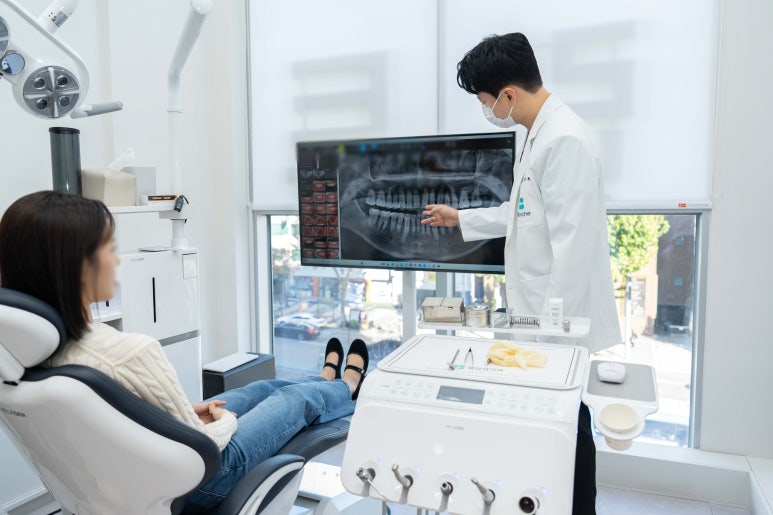
“How much do no-prep veneers cost?”
“Why is there such a large price difference between clinics?”
“Does a higher price mean better treatment?”
To get straight to the point, the cost is not determined simply by the price of a single ceramic veneer.
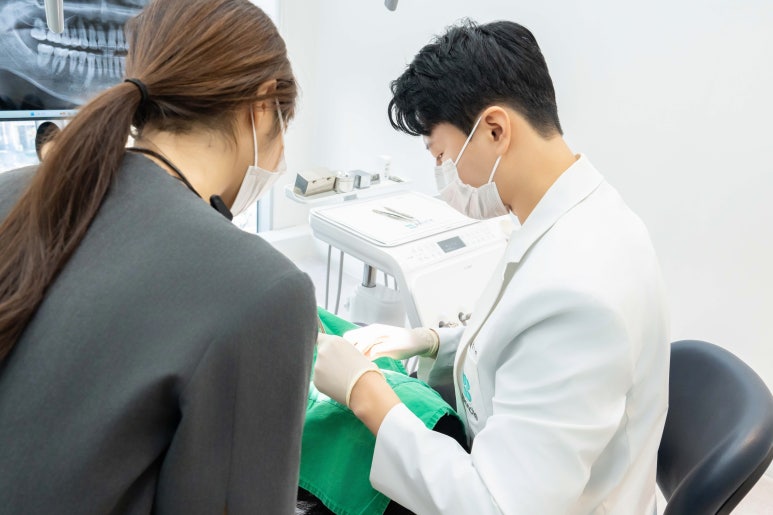
Various factors are considered together, including the patient’s dental condition, the diagnostic process, the method used to fabricate the restorations, and the materials and bonding system used.
Today, we will explain in detail why the cost of no-prep veneers differs from one clinic to another and what criteria to use when choosing a clinic.

What Are No-Prep Veneers?
✅ Candidates for Minimal-Prep / No-Prep Veneers
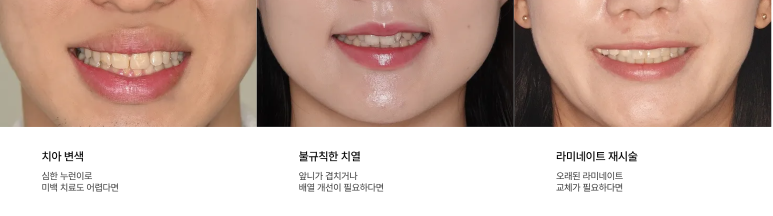
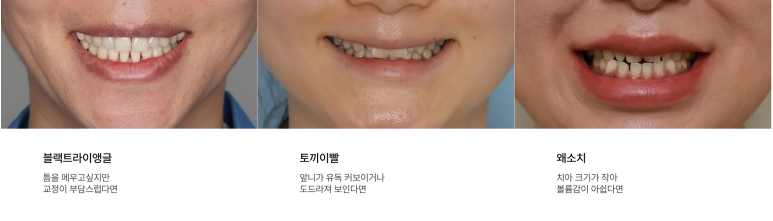
Veneers are a type of aesthetic restorative treatment that improves the shape and color of the teeth while preserving as much of the healthy natural tooth structure as possible.
However, because of the name, many people assume that no tooth reduction is performed at all for everyone, but that is not actually the case.
Depending on the degree of tooth protrusion, alignment, bite, and enamel thickness,
some cases require no reduction at all, while others may require very minor adjustments.
Therefore, the most important consideration is whether the natural teeth can be preserved as much as possible, making a no-prep or minimal-prep approach feasible.
Why Does the Cost Differ from Clinic to Clinic?
There are several reasons why costs can differ even for the same treatment.
This is not simply due to the size of the clinic or promotional events; the treatment process and fabrication system itself may be different.
The following are some of the main factors that affect the cost.
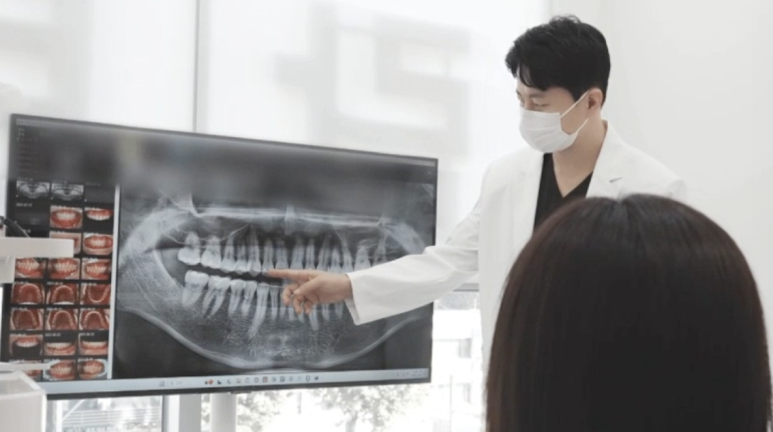
- Detailed Diagnostic Process
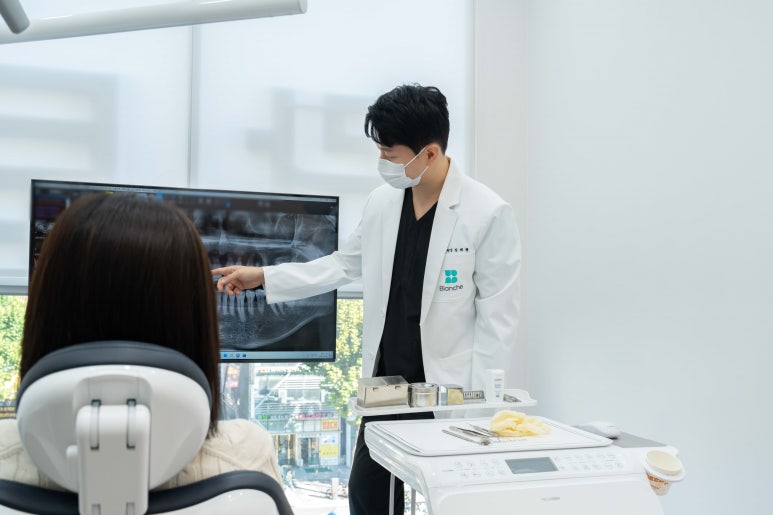
Because no-prep and minimal-prep veneers involve little tooth reduction, the initial diagnosis is even more important.
The alignment and bite of the teeth, the gum line, and even facial proportions must be analyzed comprehensively to establish a treatment plan that looks natural and can be used for a long time.
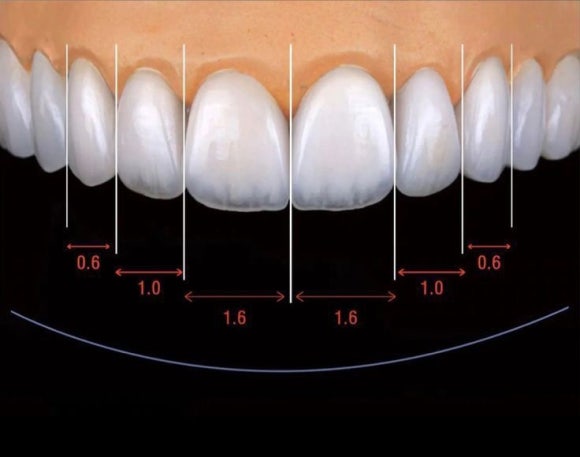
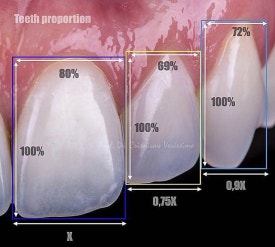
Blanche Dental Clinic
There is a difference from the preparation stage onward between a method that simply takes an impression for fabrication and one that uses digital scanning for detailed analysis.

- Differences in Ceramic Materials
Translucency, strength, and aesthetic qualities vary depending on the material.
It is important to select a material suited to the patient’s dental condition and desired outcome.
The material itself affects the cost, but an even more important factor is which material is applied to which case.

- The Dental Laboratory’s Fabrication System
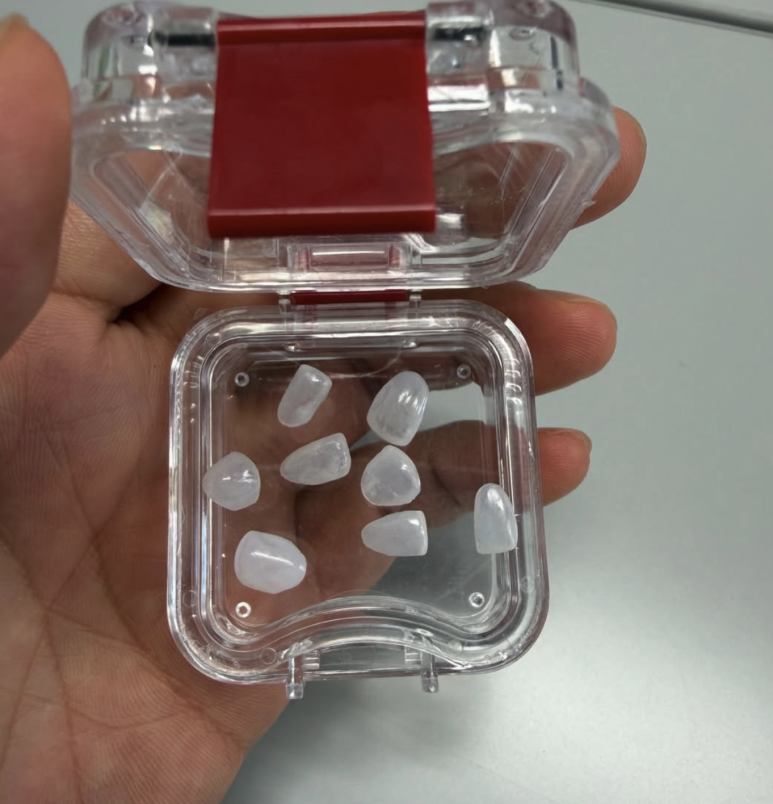
Veneers are not completed through the dentist’s treatment alone. The final result is also significantly affected by the dental technician’s fabrication process.
Because the color and translucency, shape, and left-right symmetry of the teeth must all be reproduced with precision, close collaboration between the dental team and the technician is important.

Blanche Dental Clinic operates its own dental laboratory, Blanche Dental Lab.

The dental team and technicians communicate in real time throughout the treatment process to coordinate the design. The clinic also operates a one-day or two-night, three-day fabrication system to accommodate patients’ schedules.
This system is not simply intended to increase fabrication speed. It is also part of Blanche’s philosophy: to quickly reflect any areas requiring adjustment and improve the level of completion.
- Bonding System and Treatment Process
Because tooth reduction is minimized, the quality of the bonding process is particularly important.
Depending on whether a rubber dam is used, how the tooth surface is treated,
and which bonding materials are selected, there may be differences in the treatment result and retention.
Although these steps are not visible from the outside, they are important factors that can influence long-term outcomes.
The Cost of No-Prep Veneers,
How Is It Determined?
As an elective treatment for aesthetic improvement, it is not covered by national health insurance.
The cost is not determined solely by the number of teeth. The treatment plan and cost are calculated by considering the following factors together:
-
Whether no-prep treatment is possible
-
Number of teeth to be treated
-
Tooth alignment and level of difficulty
-
Type of ceramic used
-
Digital diagnostic process
-
Dental laboratory fabrication method
-
Bonding system and treatment difficulty
In other words, even when treating the same two front teeth, the cost may vary depending on the patient’s condition and treatment plan.
What Matters More Than Cost When Choosing a Clinic


What matters more than cost is the preservation of natural teeth and aesthetics.
When people focus only on comparing costs, they may overlook the most important aspects.
Because no-prep veneers are intended to preserve as much of the natural tooth as possible, the accuracy of the initial treatment plan and the quality of the bonding are extremely important.
International research on aesthetic restorative dentistry has also reported that bonding that preserves as much enamel as possible may contribute to long-term stability.
In our view, good treatment is not simply inexpensive treatment. It is treatment that can preserve the natural teeth for a long time while maintaining both aesthetics and function.
Blanche Dental Clinic’s System

Under the principle of preserving as much of the natural teeth as possible, Blanche Dental Clinic carries out treatment through an integrated system, with the dental team and Blanche Dental Lab working together from diagnosis through restoration fabrication.
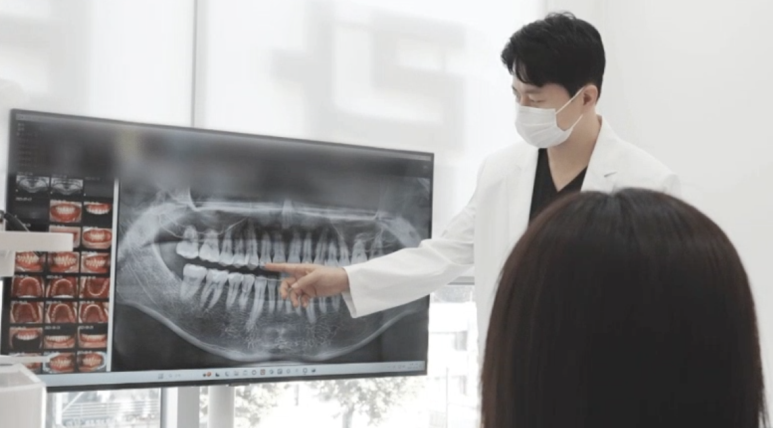
If you are considering no-prep veneers, rather than comparing prices alone, we recommend first checking how a treatment plan suited to your teeth is established. We hope this post was helpful.
This was Gangnam Blanche Dental Clinic.
✅ Recommended Related Reading