After receiving root canal treatment, you may hear this:
“Now you need to have a crown placed.”
But this is where many people become puzzled.
The root canal treatment they just received was covered by insurance, so why do they have to pay separately for the crown?
Hello. I’m Kim Tae-hyung from Banpo Blanche Dental Clinic.
Crown costs and insurance coverage are a source of frequent confusion in the dental office, so today I’ll explain the issue clearly.
To give you the conclusion first, most crowns are not covered by health insurance.
However, there are clearly defined cases where they are covered, so knowing the distinction will help avoid confusion.

Why are most crowns not covered by insurance?
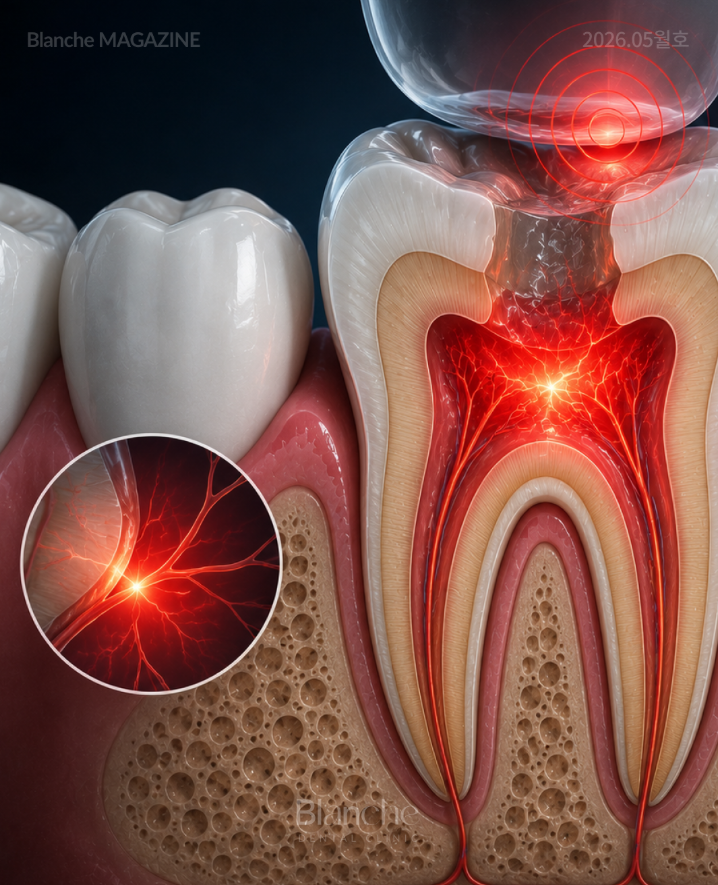
First, you need to understand that root canal treatment and crowns are different treatments.
Root canal treatment removes inflamed pulp tissue to relieve pain, so it is covered by national health insurance.
A crown, on the other hand, is a prosthetic restoration that covers and protects the weakened tooth, so it is generally considered non-covered care.
Simply put, if root canal treatment is like setting a broken bone, a crown is like a custom-made cast placed over it.
The treatment itself is covered by insurance, but the material used to finish and protect the tooth is generally paid for out of pocket.
Gold crowns, zirconia crowns, and ceramic crowns are generally non-covered items regardless of the material—in other words, they are not covered by health insurance.
That is why root canal treatment may cost only tens of thousands of won, while the cost seems to rise sharply when a crown is added.
However, there are cases where crowns are covered
This is the important part.
Not every crown is automatically non-covered.
A representative example is people aged 65 or older.
Under certain conditions, health insurance applies to metal-based (PFM) crowns, significantly reducing the patient’s out-of-pocket cost.
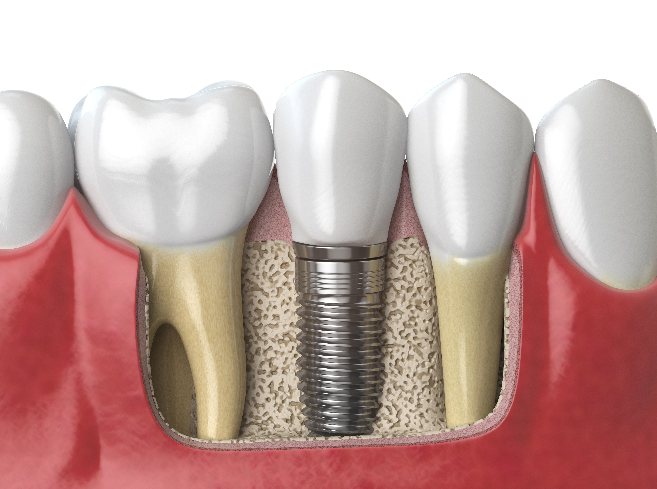
Another commonly confusing case involves crowns placed on implants.
For people aged 65 or older, health insurance covers up to two implants over their lifetime, and the crowns placed on those implants are also covered within that scope.
When crowns are covered vs. when they are not
| Category | Cases covered by insurance | Cases not covered by insurance |
|---|
| Age | Age 65 or older (under certain conditions) | Under age 65 |
| Material and circumstances | When conditions are met, such as for metal (PFM) crowns | Standard gold, zirconia, and ceramic crowns |
| Implant crowns | Age 65 or older, within the lifetime limit of two implants | Other implant crowns |
| After ordinary cavities or root canal treatment | — | Generally non-covered care (paid out of pocket) |
| Private indemnity insurance | May apply to trauma or other circumstances covered by a special rider (check with your insurer) | Ordinary crowns are generally excluded |
The conditions for insurance coverage vary in detail depending on age, the condition of the tooth, and the material. The most accurate way to determine whether you qualify is to check during your dental consultation.
Be careful about assuming, “I have private indemnity insurance, so it should be covered”
Another question we often receive concerns private indemnity insurance, also known as supplemental medical expense insurance.
National health insurance and private indemnity insurance are completely different, but many people confuse them.
The bottom line is that ordinary crown treatment is generally not covered even by private indemnity insurance.
Typical crowns placed after cavities or root canal treatment are non-covered items and are therefore excluded from private indemnity insurance coverage.
However, if a tooth is broken due to trauma from an accident, a claim may be possible depending on the policy’s special riders. You should check with the insurer from which you purchased the policy.
Remembering just this point—that root canal treatment may be covered by health insurance or private indemnity insurance, while the crown afterward usually is not—can greatly reduce confusion.
How should you choose the material?
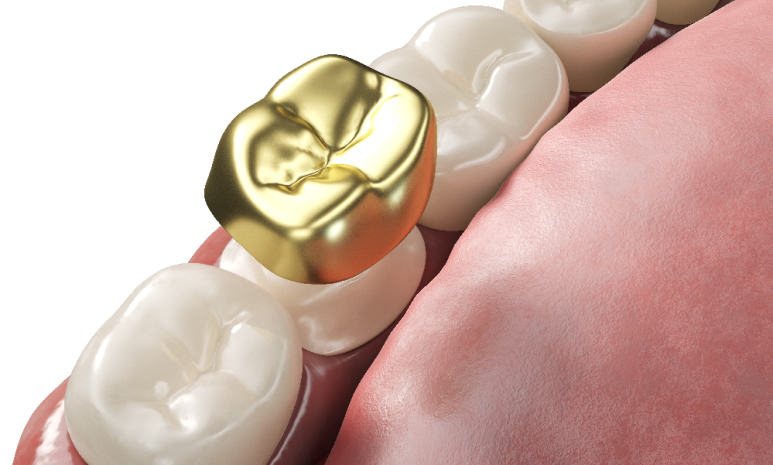
Since we have discussed insurance, let’s briefly review the materials as well.
Because crowns are generally non-covered, the material you choose ultimately affects the cost, and each material has different characteristics.
Gold crowns are resistant to fracture and cause less wear to the opposing teeth, making them suitable for long-term use on molars. However, their color is noticeable.
Zirconia is strong and similar in color to natural teeth, so it is the material chosen most often these days.
Ceramic materials offer the best aesthetics and are advantageous for front teeth, but they may be relatively weaker under strong forces.
The best material depends on whether the tooth is a molar or a front tooth and whether you grind your teeth, so the most expensive option is not necessarily the right answer.
To summarize

Most crowns are non-covered, but health insurance applies under certain conditions, such as for people aged 65 or older.
Also, insurance or private indemnity coverage for root canal treatment is separate from coverage for the crown placed afterward.
Whether you qualify for insurance coverage and which material is suitable for your tooth ultimately depend on its condition.
If you are preparing to have a crown placed after root canal treatment, you may also want to read the article “When Cavity Root Canal Treatment Costs Are Covered by Health Insurance—and When They Aren’t” to get the full picture.
This was Banpo Blanche Dental Clinic. Thank you.
✅ Recommended articles to read together