When the dry season arrives, makeup tends to sit unevenly, and skin texture can feel rough, making it harder than usual to achieve a polished look. At times like this, basic skincare alone can feel insufficient, and attention often turns to solutions that can help refine the overall appearance. There are various methods, but one treatment that draws particular interest is one that aims to smooth the surface texture.
Fraxel is one such option. It is a method that delivers fine stimulation at regular intervals, helping you expect changes in skin texture.
1 Bongcheon-dong Dermatology Fraxel: How does it work?

Fraxel is a treatment that delivers micro thermal energy to the surface to provide stimulation.
It creates tiny channels and encourages the formation of a new texture during the skin’s recovery process, helping create an overall more refined appearance.
It is used to help improve various concerns such as noticeable blemish marks, rough surface texture, and dull complexion.
Rather than a single session, its characteristic is that repeated care gradually leads to a cleaner, smoother feel.
2 Bongcheon-dong Dermatology Fraxel: How often should you get it?
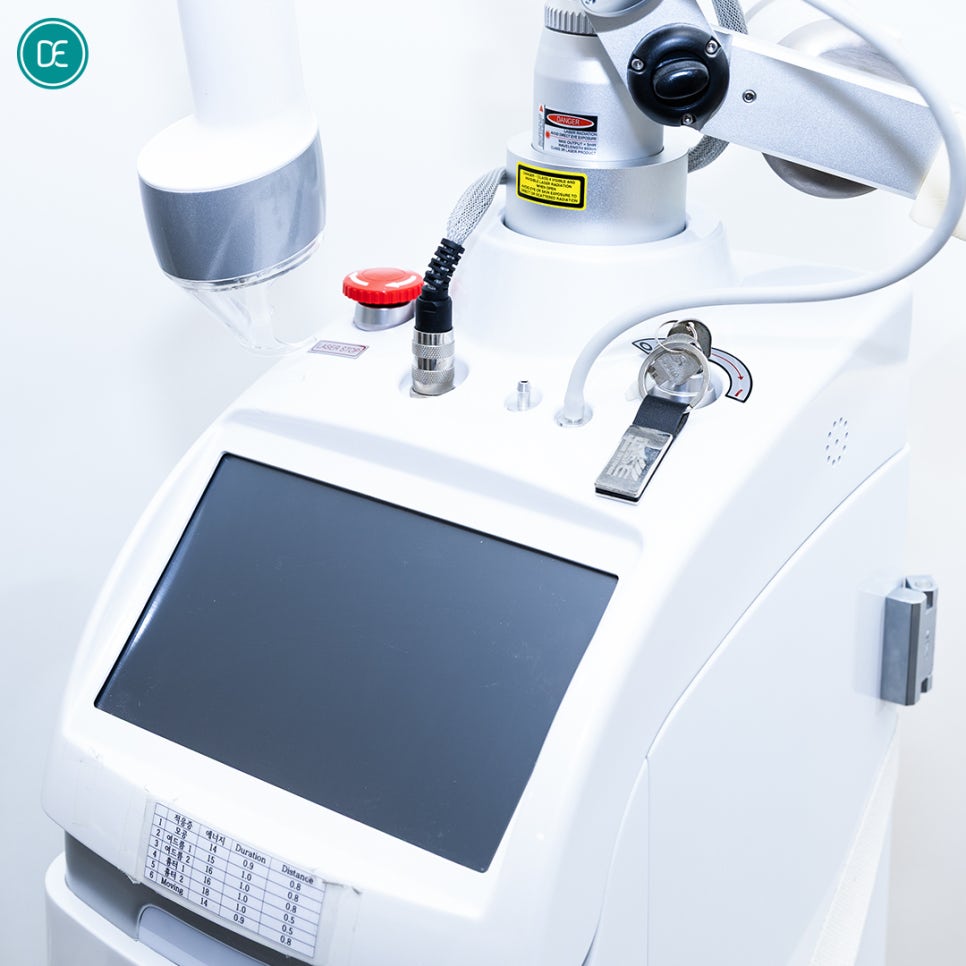
Now, let’s talk about the treatment interval.
Fraxel is generally received at intervals of about 4 weeks, with 3 or more sessions being common.
Because it works by giving the surface fine stimulation, a recovery period is needed, so it is important to receive care while maintaining the proper interval. At this time, the number of sessions and spacing can be adjusted depending on the individual’s condition and the depth of their concerns, and rather than expecting major changes from just one session, many people aim for gradual improvement through repeated treatment.
3 Bongcheon-dong Dermatology Fraxel: What kind of changes can you feel?
Next, let’s look at the kind of changes you can expect from Fraxel.
After the treatment, there may be slight redness or a warm sensation, but these are temporary reactions that gradually calm down with recovery. Over time, the surface may feel smoother and more refined, and uneven texture or uneven tone can be gently softened little by little.
With repeated treatment, noticeable blemish marks and a dull appearance may be eased, leading to a brighter overall impression.
4 Bongcheon-dong Dermatology Fraxel: Who is it suitable for?

Now that we’ve looked at the treatment interval, let’s see who Fraxel may be suitable for.
-
People whose skin texture feels rough and uneven
-
People concerned about blemish marks or pigmentation
-
People whose makeup does not sit well and who find it hard to look polished in daily life
-
People whose overall complexion feels dull
-
People who want to refine minor breakouts or subtle bumps
If you have ongoing surface concerns and want a more refined appearance, Fraxel may be a good option. It is one of the treatments many people choose because it can offer gradual changes in a relatively 부담없는 way.
5 Things to know before treatment
Finally, if you are considering Fraxel, here are some helpful points to keep in mind. If the surface is somewhat sensitive, temporary redness or stinging may occur. After treatment, it is best to pay attention to sun protection and moisturizing.
During seasons when the surface is more likely to become dry, recovery may take time. Rather than frequent treatments, repeating them at regular intervals is a better way to approach them without too much 부담. If you understand these points in advance, the experience can be more positive.
Fraxel is a treatment that can help refine skin texture with relatively little 부담 and may also help brighten the overall complexion.
If makeup does not sit well and surface concerns keep recurring, it may be worth considering Fraxel this time. Thank you for reading this long post today, and I hope you have a comfortable day.