As more people look to manage facial contours and firmness,
interest in thermal energy devices
has also been increasing.
In particular, while they are thought of as
care methods for the same purpose,
the actual methods differ,
so many people become curious.
Among them, there are two
care methods that are often discussed.
These are representative devices that use thermal energy.
Both methods are known as care that helps
organize facial firmness,
but the depth at which they act and their characteristics
are somewhat different.
There are also differences in the pain felt during the care process
and in the aftercare methods.
So today, I’ll organize the differences between the two care methods,
along with the pain that may be felt during the process
and the aftercare methods.
✦ 1 Basic Features of Mok-dong Ulthera and Thermage Pain Aftercare
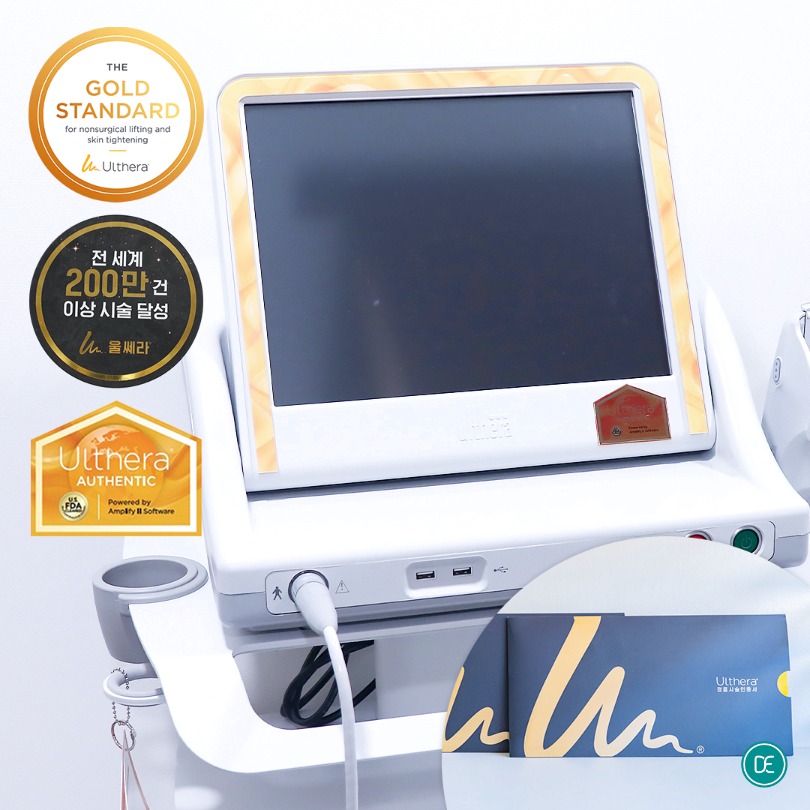
Both methods have in common that they use thermal energy.
However, the difference is said to be that
the depth at which the energy is delivered is not the same.
First, one method is known for delivering thermal energy
to the SMAS layer,
which is a relatively deeper layer.
Because of this, it is sometimes discussed as care for facial contours
or for organizing firmness.
On the other hand, the other method
is characterized by delivering thermal energy
mainly to the dermis layer.
So when people are interested in skin firmness
or skin texture care,
it is often mentioned together.
✦ 2 Pain Felt During the Mok-dong Ulthera and Thermage Pain Aftercare Process

One of the things many people wonder about is
the pain felt during the care process.
First, in the case of the method that delivers energy
to deeper layers,
it is said that a brief tingling sensation or
warmth may be felt.
In particular, in areas close to the bone,
such as around the jawline or cheekbones,
the pain may be felt a bit more.
On the other hand, the method that delivers energy
mainly to the dermis layer
is often described as producing a form of
repeated warm sensation.
So the two care methods may also feel different
in terms of the pain they produce.
✦ 3 The Two Methods Are Sometimes Performed Together in Mok-dong Ulthera and Thermage Pain Aftercare
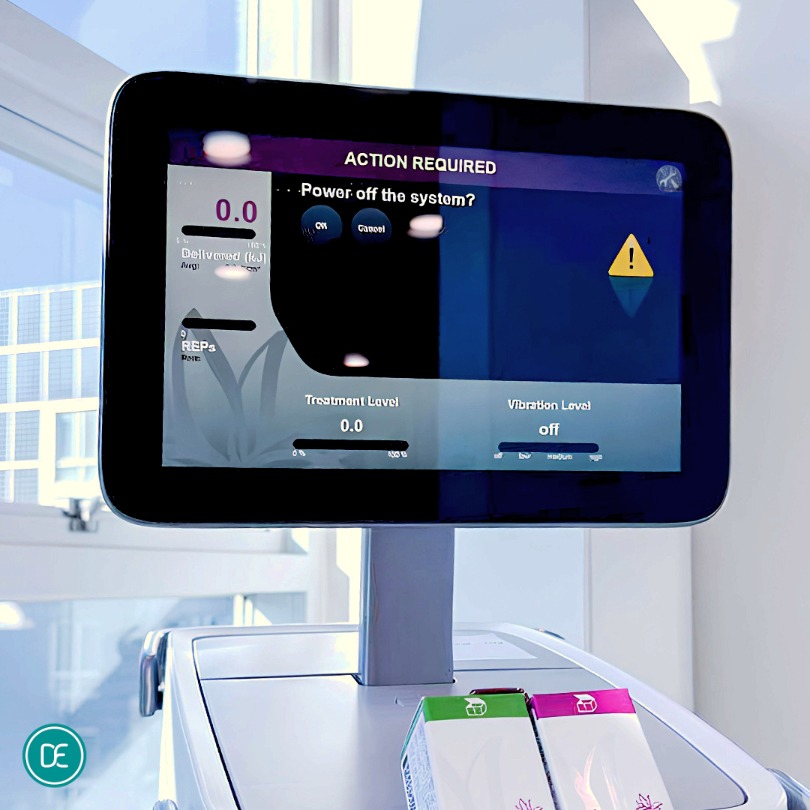
In facial care, there are also cases
where the two methods are performed together.
That is because the layers they affect are different.
While managing the deeper layers with a focus on contours,
there are cases where dermis-layer care is also considered together.
In this way, care methods that manage different layers together
are also discussed.
However, depending on an individual's facial condition
or care goals,
the approach may differ.
✦4 Helpful Things to Remember After Mok-dong Ulthera and Thermage Pain Aftercare
After thermal energy care,
it is good to remember a few lifestyle habits.
First, it is better to avoid, for a while,
rubbing the treated area strongly
or applying pressure to it.
Also, it is said to be good to pause for a certain period
from high-temperature environments such as saunas or hot baths.
Strenuous exercise is also better to moderate for a while,
as warmth may last for a long time.
In addition, paying consistent attention to moisturizing care
and sun protection is also mentioned as important.
These care habits may help maintain skin condition.
Today, I organized the differences and features of two care methods
that are often discussed as thermal energy devices.
Both methods are discussed as care that helps
organize facial firmness,
but the layer to which the energy is delivered
has different characteristics.
Also, the pain felt during the care process
can differ slightly.
And after care, it is important to pay attention to lifestyle habits
that reduce irritation and to moisturizing care as well.
Understanding this basic information
and looking into care details may be helpful.
Thank you for reading this long post today.
I hope you have a good day.