In everyday life, the area around the eyes is one of the first places where changes are felt. Because facial expressions change often and the area moves a lot, it is easy to feel a loss of elasticity over time. In particular, the skin around the eyes is thin and sensitive, so it is often approached differently from other areas.
Within this context, Lifttera 2 is mentioned as a relatively delicate approach, and among its options, the pen type device is characterized by its use in treating small areas such as the eye area. In this article, we will look at the working structure and also organize the flow of shot count settings when applied around the eyes.
- Principles of setting the shot count for the eye area with the Lifttera 2 pen type in Eunpyeong-gu
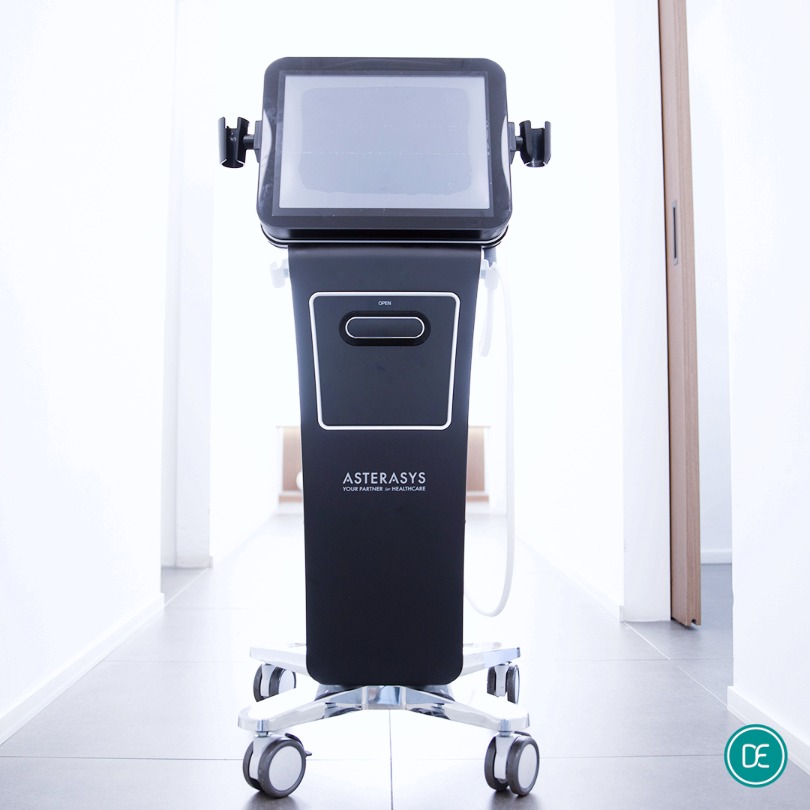
First, let’s look at the basic working structure. Lifttera 2 can be understood as a method that delivers stimulation to a certain depth using thermal energy. In this process, stimulation is delivered to loosened tissue, leading over time to a process of settling down.
In particular, the pen type is focused not on treating a wide area at once, but on dividing a narrow, delicate area and approaching it in detail. That is why it has the feature of allowing more precise adjustment when treating a small area like the eye region.
| Category | Feature | Description |
|---|
| Basic method | Thermal energy delivery | Stimulation formed at depth |
| Pen type structure | Focus on narrow areas | Delicate approach possible |
- Eunpyeong-gu Lifttera 2 pen type eye area shot count settings: features during application
Once you understand the principle, you can also look at what is different when it is applied around the eyes. Because the area around the eyes is structurally thin and moves a lot, it is important to take a detailed, divided approach rather than treating a broad area strongly.
At this time, the pen type proceeds by repeatedly dividing and treating a small area, allowing for more precise adjustment than spreading treatment broadly all at once. That is why this form is often used in delicate areas such as the eye region.
| Area feature | Approach | Feature |
|---|
| Thin structure | Small repeated doses | Stimulation dispersed |
| Frequent movement | Detailed sectioning | Even delivery |
- Eunpyeong-gu Lifttera 2 pen type eye area shot count setting tip

Now let’s continue with shot count settings. Since the eye area is not large, it is important to set it by dividing the area rather than applying the same standard as the entire face.
Usually, the area is divided into sections such as under the eyes, the outer corners, and the outer line, and the appropriate number of shots is distributed to each section. The key point here is not to focus on one area, but to divide it while considering overall balance.
Also, in the case of the pen type, since the procedure is performed point by point, spacing and distribution are more important factors than the shot count itself. In other words, how the shots are divided and placed has a greater effect than the simple number.
| Section | Setting method | Feature |
|---|
| Under the eyes | Even distribution | Delivered evenly |
| Outer corners | Concentrated placement | Area where changes are felt |
| Outer line | Supplementary placement | Overall balance |
- Eunpyeong-gu Lifttera 2 pen type eye area shot count settings: maintenance flow and interval
If we have looked at the setting flow above, it is also good to understand the maintenance process. A method based on thermal energy tends to show gradual changes over time and then return gradually after a certain point.
So rather than being a one-time concept, it is often continued at intervals while observing the direction of change. The same applies to the eye area, and the interval and flow may differ depending on the individual condition.
- Eunpyeong-gu Lifttera 2 pen type eye area shot count settings: factors considered together
Finally, let’s summarize the overall flow. For a small area like the eye region, the important thing is not to approach it with a single stimulus, but to divide it finely and maintain balance.
The pen type has the feature of allowing a precise approach in this regard, and for shot count as well, distribution and spacing are more important criteria than the total number. In addition, depending on the need, it may also be considered together with other methods, so it is helpful to understand the various factors separately.
In the end, eye area care can be understood as a process of organizing small units rather than treating a wide area all at once. Shot count is also a factor in which placement and balance matter more than a simple number.
I hope today’s summary was helpful in understanding the flow. Thank you for reading this long post. I hope you have a comfortable day.