LDM is not simply a concept of extending time,
but a structure in which the response changes depending on the depth and cumulative amount of energy delivered.
That is why 6 minutes, 12 minutes, and 24 minutes each have different purposes and flows,
and even with the same device, the perceived effect appears differently.
Understanding the differences by time makes the meaning of each mode much clearer.
- The principle behind the differences in Incheon LDM 6-minute, 12-minute, and 24-minute modes

First, let’s look at why differences occur depending on the time.
LDM uses ultrasonic vibration
to repeatedly deliver micro-stimulation to the surface and the tissue beneath it.
The important factor here is not the strength of a single stimulation,
but how long it has accumulated over time.
In a short time, the response appears quickly mainly at the surface,
and as the time gets longer, it gradually affects deeper areas as well.
Also, as repeated stimulation builds up,
it moves beyond simple cleanup and toward addressing overall balance.
In other words, time is not just a length of time,
but a standard that determines the range and depth of stimulation.
- Features of the Incheon LDM 6-minute mode
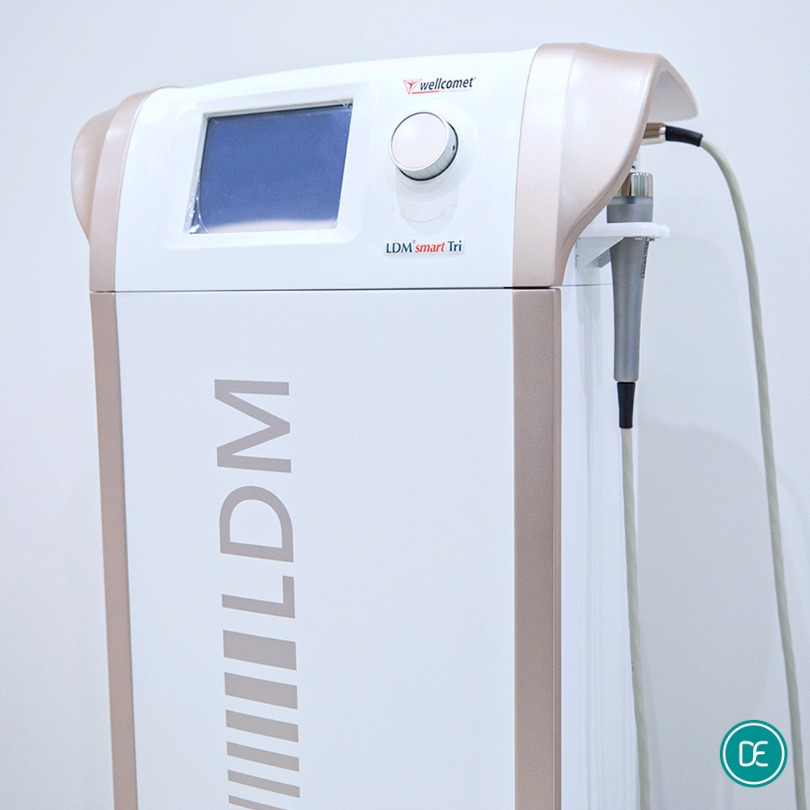
Now that we understand the principle, let’s start with the shortest time.
| Category | Feature |
|---|
| Time | Short |
| Area of effect | Surface-centered |
| Sensation | Light and quick tidying |
| Burden | Relatively low |
Because the 6-minute mode runs for a short time,
it is closer to the feeling of quickly organizing the condition mainly at the surface.
The warmth or stimulation is not strong,
and it is relatively easy to continue with daily life right after the session.
So rather than 크게 changing the overall flow,
it can be understood as a step that lightly tidies the condition.
Since the time is short, the cumulative stimulation is small,
but the burden is also low.
- Features of the Incheon LDM 12-minute mode
After checking the short-time flow, let’s move on to the middle stage.
| Category | Feature |
|---|
| Time | Medium |
| Area of effect | Surface + middle layer |
| Sensation | Balanced change |
| Feature | Cumulative stimulation begins |
The 12-minute mode goes beyond the surface
and delivers stimulation to slightly deeper areas.
From this stage onward, it goes beyond simply tidying up
and moves toward a flow that handles the overall condition in a balanced way.
It is the point where the effect feels a bit clearer compared with the shorter time,
and it can be seen as the stage where you begin to notice changes without overdoing it.
So it can be understood as a time range that balances burden and perceived effect.
- Features of the Incheon LDM 24-minute mode
Now let’s look at the mode for the longer time.
| Category | Feature |
|---|
| Time | Long |
| Area of effect | Delivered to deeper layers |
| Sensation | Sufficient cumulative response |
| Feature | Overall condition change |
As energy accumulates sufficiently in the 24-minute mode,
stimulation is delivered to deeper areas.
As the time gets longer, it goes beyond simple surface tidying
and moves in the direction of addressing the overall condition flow.
So the changes felt after the session
are often clearer than with other modes.
However, because this is a stage with accumulated stimulation,
the choice of time may vary depending on the condition.
- If you understand the differences between the Incheon LDM 6-minute, 12-minute, and 24-minute modes, what are the criteria for choosing a time?
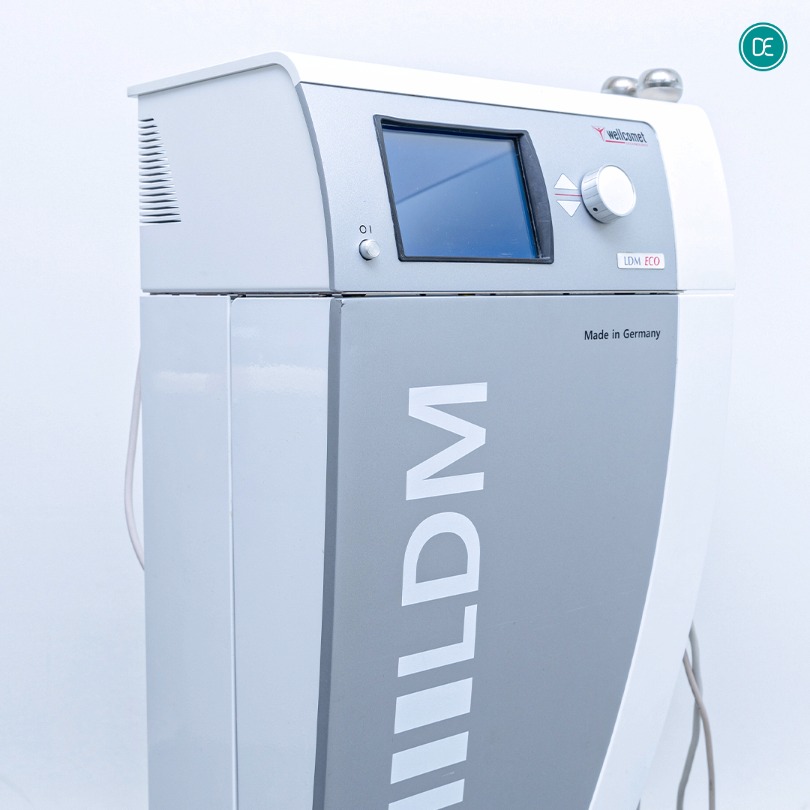
Finally, let’s summarize how to divide them by purpose.
| Purpose | Suitable time | Feature |
|---|
| Quick tidying | 6 minutes | Low burden, simple |
| Balanced management | 12 minutes | Organizes the overall flow |
| Focused care | 24 minutes | In-depth approach |
Rather than thinking that a longer time is always better,
it is important to choose according to your current condition and purpose.
If you want to lightly organize your condition, choose a shorter time;
if you want a deeper change, choose a longer time.
That is the natural way to approach it.
In this sense, time is not a selection criterion,
but an element that should be adjusted to match the purpose.
To summarize overall,
6 minutes can be seen as a step for quick tidying,
12 minutes as a stage for balancing,
and 24 minutes as a flow for more in-depth handling.
Even with the same LDM, the area of effect and perceived sensation change depending on the time,
so understanding this difference makes it much easier to approach.