These days, many people feel that even after washing their face carefully, their skin still does not feel fully refreshed, or they notice more days when makeup does not go on evenly. In particular, when sebum and dead skin cells build up together and pores start to look more prominent, simple cleansing can feel insufficient. In this context, one method often mentioned is Aqua Peel.
Although it may seem like a similar type of treatment at first glance, its distinguishing feature is that it is actually divided into Step 1, Step 2, and Step 3 and carried out in stages. Because each of these three steps has a different role, understanding the differences makes the overall flow much easier to follow.
- Anyang Aqua Peel: The Differences and Meaning of Steps 1, 2, and 3 — Principle
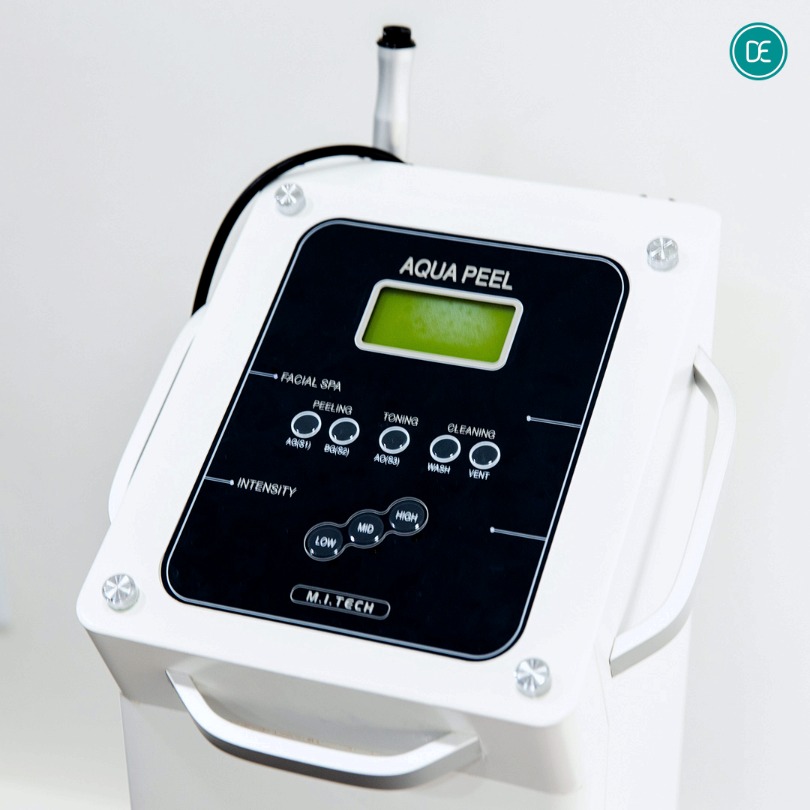
Aqua Peel is structured to cleanse the skin by combining a water-based solution with suction. Rather than a method that applies strong stimulation all at once, it can be seen as a process that gradually refines the skin through several stages.
At first, it gently loosens the dead skin cells accumulated on the surface, and then it moves on to clearing the inside of the pores. In the final stage, the treatment finishes by helping maintain a comfortably cleaned condition.
The reason these steps are divided in this way is that each process affects the next one. Since the next step can proceed naturally only when the previous step has been sufficiently carried out, it is helpful to understand this as a structure in which sequence matters.
- Anyang Aqua Peel: The Differences and Meaning of Steps 1, 2, and 3
Once you understand the overall flow, it is a good idea to start with Step 1. This stage plays a role closer to preparation, before the main cleansing process begins.
It gently loosens old dead skin cells that have built up on the skin and helps bring them to a state where they can come off more easily. Areas that are usually not easy to clear become more flexible in this step, making the next stage easier to carry out.
In addition, as the surface is smoothed out, the skin texture may feel a little more refined. This is not just a visible change; it can also be seen as a foundation that helps the solution work more effectively in the following stages.
- Anyang Aqua Peel: The Differences and Meaning of Steps 1, 2, and 3 — Roles and Differences

If Step 1 is the preparation stage, Step 2 can be said to be the center of the actual cleansing process. In this stage, sebum and impurities accumulated inside the pores are handled more intensively.
A specific solution is used to dissolve oil and sebum, and then suction is applied to draw them out. For this reason, people often feel that noticeable blackheads or whiteheads are being cleared away.
If Step 1 is the process of softening the outer surface, Step 2 is the stage that reaches deeper areas and clears out the inside. Because of this difference, the two processes are connected while still having clearly separate roles.
- Anyang Aqua Peel: The Differences and Meaning of Steps 1, 2, and 3 — Finishing Process
If cleansing has been completed in the previous stages, Step 3 follows as the final stage. This process is not simply an ending; it plays an important role in balancing the overall treatment.
After the cleansing process, the skin may temporarily become more sensitive. At this point, the treatment proceeds in a way that replenishes moisture and helps calm the skin comfortably. It is a step that reduces dryness and helps the refined condition continue naturally.
In other words, Step 3 can be understood as the finishing process that positively carries the results of the previous steps forward.
- Anyang Aqua Peel: The Differences and Meaning of Steps 1, 2, and 3 — A Quick Summary of Each Step
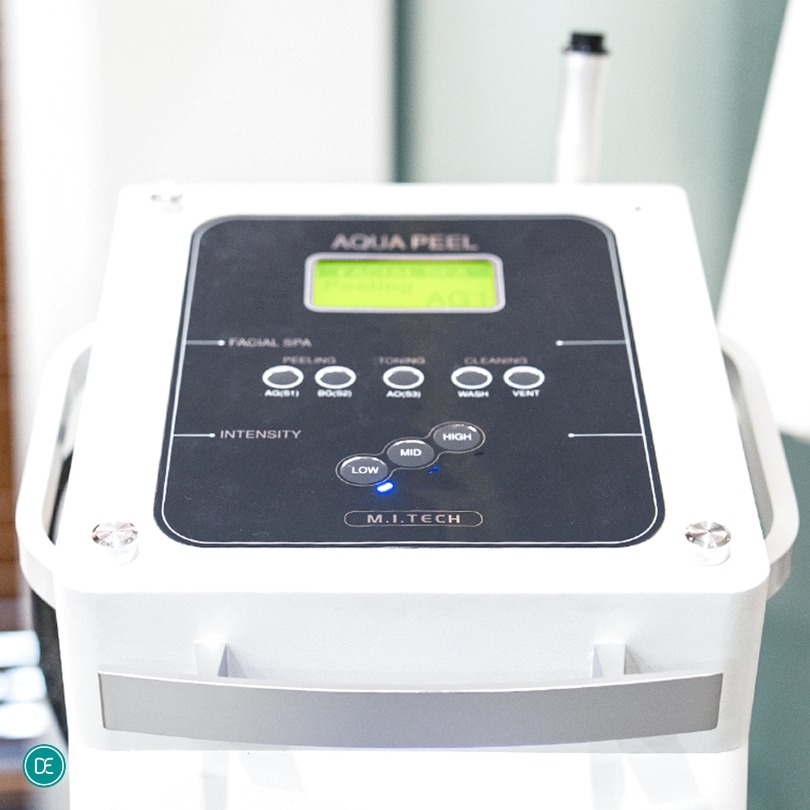
Looking back over the content so far, each step clearly has its own role.
First, Step 1 is the preparation stage that gently loosens dead skin cells. Step 2 is the core process that clears sebum and impurities from inside the pores. Finally, Step 3 is the finishing stage that replenishes moisture and calmly brings everything together.
As these three processes continue in order, cleansing is carried out in a deeper way than simple washing. Because each role is different, you can also understand that if even one step is skipped, the overall flow may change.
Aqua Peel is not a method that ends all at once; it is a treatment that progresses in a balanced way through each stage. Once you know the role of Steps 1, 2, and 3, it becomes natural to understand why sequence matters.
Rather than viewing the whole process as just a list, it is much more helpful to understand it as a connected flow. Thank you for reading, and I hope you have a comfortable day today.