As you repeat shaving in daily life, many people find themselves dealing not only with inconvenience but also with concerns caused by breakouts or irritation. In particular, beards tend to grow quickly and are relatively thick, so depending on how they are managed, they can affect both appearance and hygiene. For these reasons, there has been a growing trend toward looking for more long-term management methods beyond simple shaving.
In this post, we will take an overall look at one laser-based approach to beard care, including the pattern of changes, the number of sessions, and the level of irritation people may feel.
✔ Table of Contents
-
Principle
-
Effect flow
-
Number of sessions
-
Pain and sensation
-
Daily care
- Principle of Gwangju beard hair removal
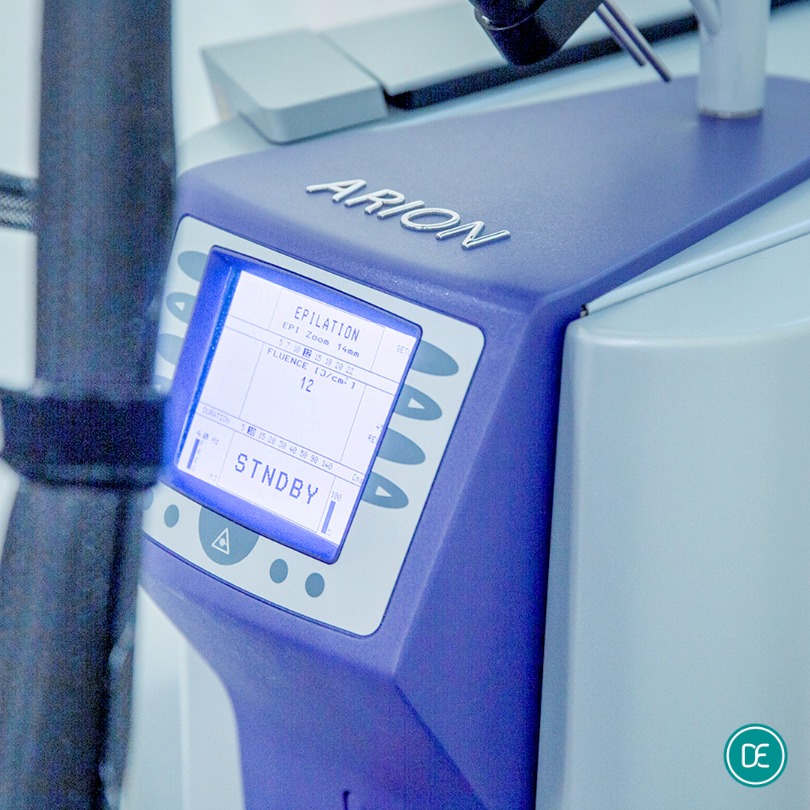
First, it is important to understand the basic structure. A beard grows from the hair root, and as long as that root remains, the hair will continue to grow repeatedly.
A laser-based care method works by delivering thermal energy to this root area and influencing the growth process. Rather than simply tidying up the visible part, it is carried out in a way that gradually weakens the growth process itself.
The important point here is that not all change is completed in a single session. Because hair has different growth cycles, the characteristics of this approach are that changes appear gradually through repeated sessions.
- Effect flow of Gwangju beard hair removal
Once you understand the principle, you can look at what kinds of changes actually appear. In the beginning, rather than noticing a big difference, many people start with the feeling that the beard grows back a little more slowly after shaving.
As sessions accumulate, the hair gradually becomes thinner and the overall density decreases. Since these changes do not appear all at once but continue gradually, it is important to observe them over a period of time.
Here is a table summarizing the flow of changes.
| Stage | Change flow | Characteristics |
|---|
| Early | Slower growth rate | Not very noticeable |
| Middle | Hair becomes thinner | Less burden from shaving |
| Later | Density decreases | Overall tidier appearance maintained |
In this way, changes continue step by step, and repeated sessions are an important factor.
- Number of Gwangju beard hair removal sessions
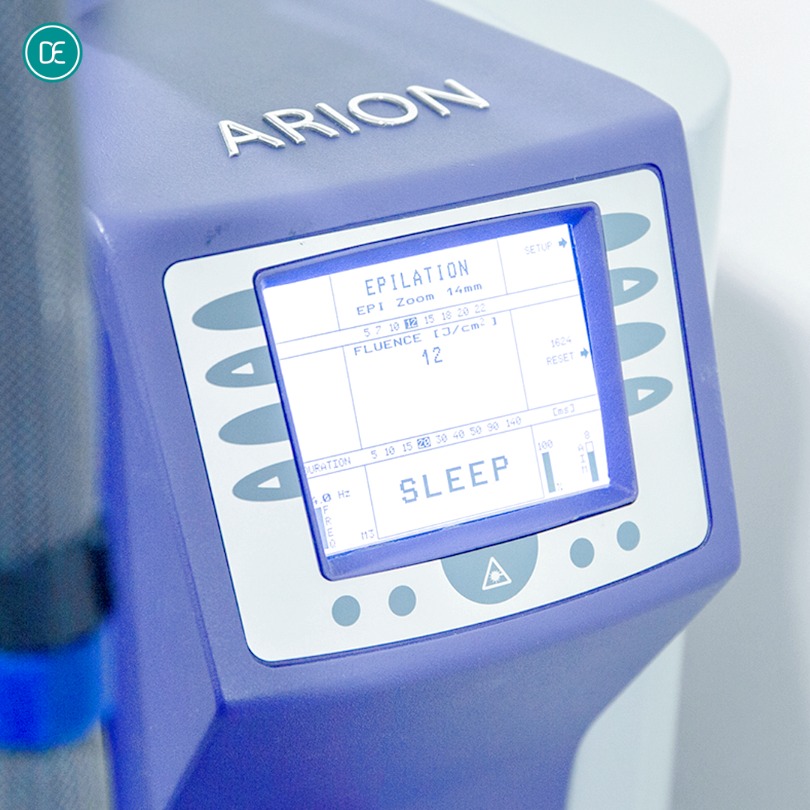
After looking at the effect flow, many people wonder how many sessions are usually needed. In general, the number varies depending on the individual’s hair condition, but the process is usually carried out over a certain number of repeated sessions.
Because beards are thicker and denser than other areas, they are known as a part that often requires a relatively larger number of sessions. It is also important to proceed at intervals that match the hair growth cycle.
Here is a basic table summarizing the session flow.
| Category | Session flow | Characteristics |
|---|
| Early | 3–5 sessions | Beginning stage of change |
| Middle | 5–10 sessions | Noticeable reduction in density |
| Later | 10+ sessions | Maintenance and tidying |
As such, the number of sessions is not a fixed value but can vary depending on the condition, and it is generally carried out at regular intervals.
- Pain and sensation of Gwangju beard hair removal
One of the most common concerns is how much irritation it may feel like. The beard area has dense, thick hairs, so a momentary sensation may be felt when thermal energy is delivered.
It is generally described as a stinging or pricking sensation, and this can vary depending on each person’s sensitivity. In particular, during the early stage when the hair is thick, the irritation may feel stronger.
However, as sessions progress and the hair becomes thinner and less dense, the sensation people feel often becomes more gradual as well.
- Daily care after Gwangju beard hair removal
Finally, an important part is daily care after the procedure. Since thermal energy has been delivered, reducing irritation in the early stage can be helpful.
It is better to temporarily reduce strong friction and frequent shaving, and care centered on moisturizing is often used as well. In addition, sun protection is also considered important to help reduce external irritation.
This type of care is not just a temporary measure; it can also affect how well the overall process is maintained.
Beard care can be approached in a variety of ways beyond simple shaving, and among them, the laser-based method is a structure that creates gradual change through repetition.
If you understand the overall factors, including the effect flow, the number of sessions, and the level of irritation, you can manage the process more systematically. Above all, because results can differ depending on the individual’s condition, it is important to proceed according to your own situation.
Thank you for reading this long post, and I hope you have a comfortable day.