The ways people organize skin condition in everyday life are becoming increasingly diverse.
Among them, care methods that use ultrasound
can feel different depending on the time setting,
which is one of the things many people are curious about.
In particular, even when using the same device,
modes with time differences such as 12 minutes and 24 minutes
can show different characteristics,
and understanding those differences helps in grasping the overall care flow.
So this time, we will compare and organize the differences
with a focus on the characteristics according to time.
- Compare the Differences Between Types of LDM Modes in Eunpyeong-gu, Principle
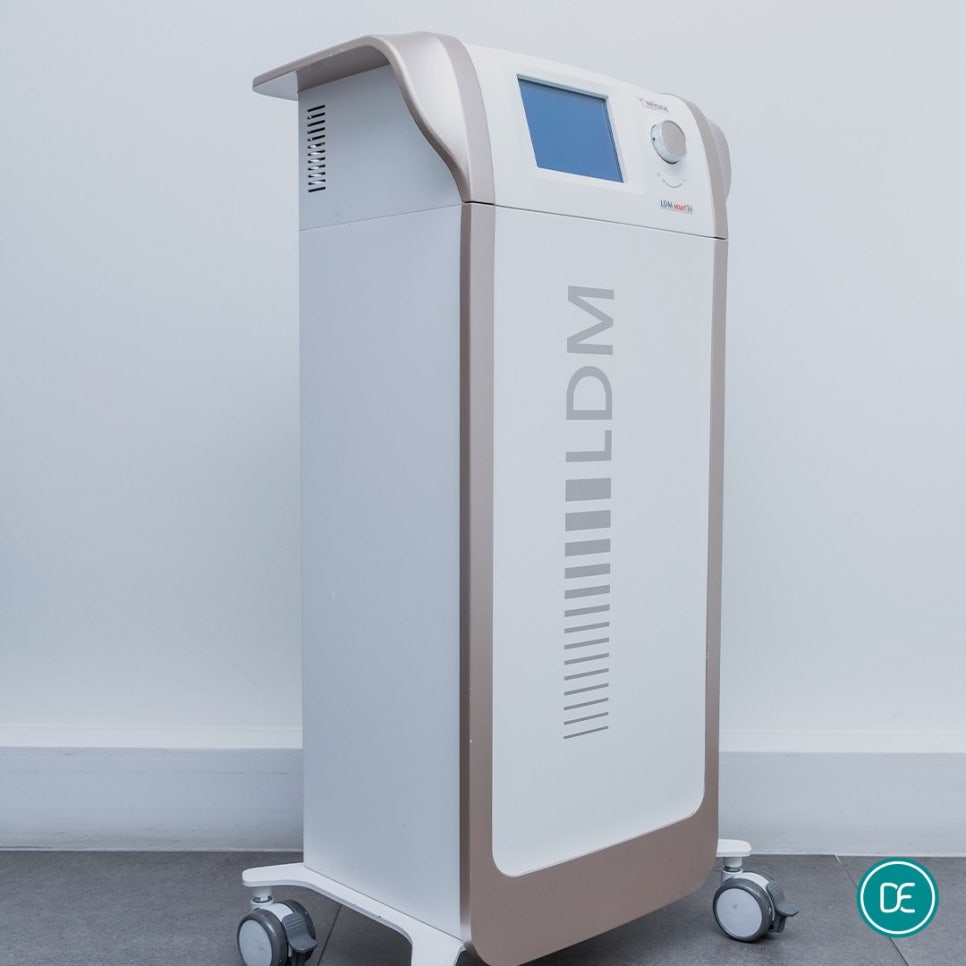
First, let's look at the basic structure.
This method uses ultrasound energy
to deliver vibrations deep into the skin.
During this process, fine movements are repeated,
which helps maintain a hydrated environment.
In other words, rather than acting only on the surface,
the characteristic flow is that it is gently delivered to the inside as well.
And depending on the time setting,
the duration of this delivery process changes.
- Compare the Differences Between Types of LDM Modes in Eunpyeong-gu, 12-Minute Characteristics
Now let's look at the shorter time setting first.
The 12-minute mode has a relatively concise structure
and is often used when you want to quickly organize skin condition.
Because it is carried out intensively over a short period of time,
it is characterized by a lightly refreshed feeling,
and it is an easy flow to include in an everyday routine without much burden.
Also, when trying it for the first time or
when the skin is sensitive to stimulation,
it can be approached in a relatively comfortable way.
Overall, it can be seen as a flow that focuses on
briefly and lightly organizing skin condition.
- Compare the Differences Between Types of LDM Modes in Eunpyeong-gu, 24-Minute Characteristics
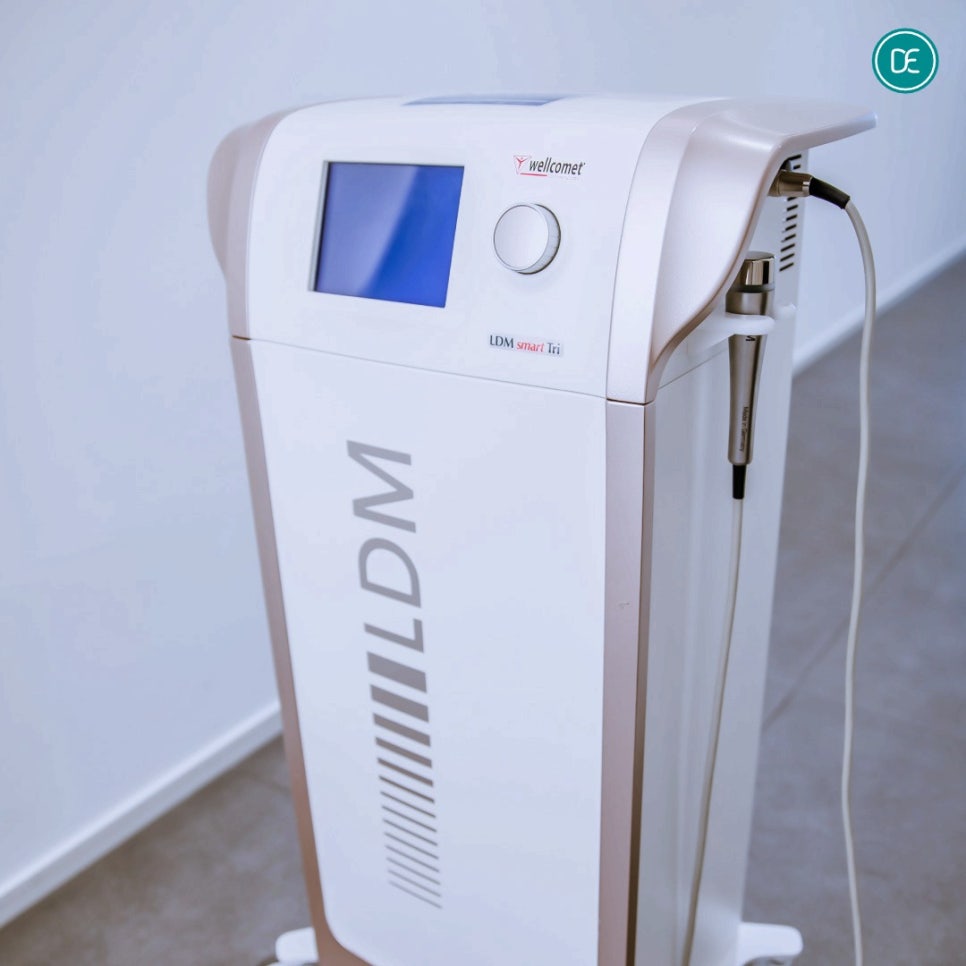
If we looked at the shorter time flow earlier,
this one continues for a little longer.
While the 24-minute mode maintains the same principle,
the longer duration means
that the delivery process continues more fully.
As the time increases,
the period during which the hydrated environment is maintained becomes longer,
which helps balance the overall condition.
It may also be used when you want to provide enough care at once.
Therefore, it can be understood as a flow that
progresses more leisurely.
- Summary of the Differences Between Types of LDM Modes in Eunpyeong-gu
Now let's compare the two together.
The 12-minute mode is focused on quickly organizing skin condition,
while the 24-minute mode can be seen as a flow that continues with enough time.
The shorter time is characterized by being less burdensome and more convenient,
while the longer time has a structure that is more favorable for balancing overall condition.
Also, depending on your condition or situation,
your choice of whether to proceed for a shorter or longer time may vary.
In the end, the difference in time is not simply a matter of length,
but can be understood as leading to differences in the direction and flow of care.
- Compare the Differences Between Types of LDM Modes in Eunpyeong-gu, Flow of Selection by Situation
Lastly, let's look at the 기준 by which they can be divided.
If the purpose is to maintain things lightly in everyday life,
the 12-minute mode can naturally be used.
On the other hand, if the condition is dry or
you need a little more focused care,
the 24-minute mode is often used.
Also, depending on your schedule or lifestyle pattern,
whether to proceed briefly and frequently or at longer intervals
is also something to consider.
In this way, the time setting
is not just a simple choice, but is connected to the overall care method.
Conclusion
To summarize, the 12-minute option can be seen as a flow centered on concise organization,
while the 24-minute option can be seen as a care method that continues for a more sufficient amount of time.
Both are based on the same principle,
but because the direction felt changes depending on the time,
it is important to choose according to the situation.
Considering your overall condition and daily pattern together,
setting an appropriate time is a natural approach.
Thank you for reading. I hope you have a comfortable day.