There are moments in everyday life when, looking in the mirror,
you feel that your facial contours are not as defined as they used to be.
Especially as time passes,
the overall contours may appear less distinct, or the skin may feel less firm.
Because of these changes, interest in various care methods has been growing,
and methods that use thermal energy are frequently mentioned among them.
In this post, we will organize the meaning of this method
and the differences between its specific modes in a clear sequence.
- Understanding InMode and the Differences Between Its Modes at Seolleung Station: Principles
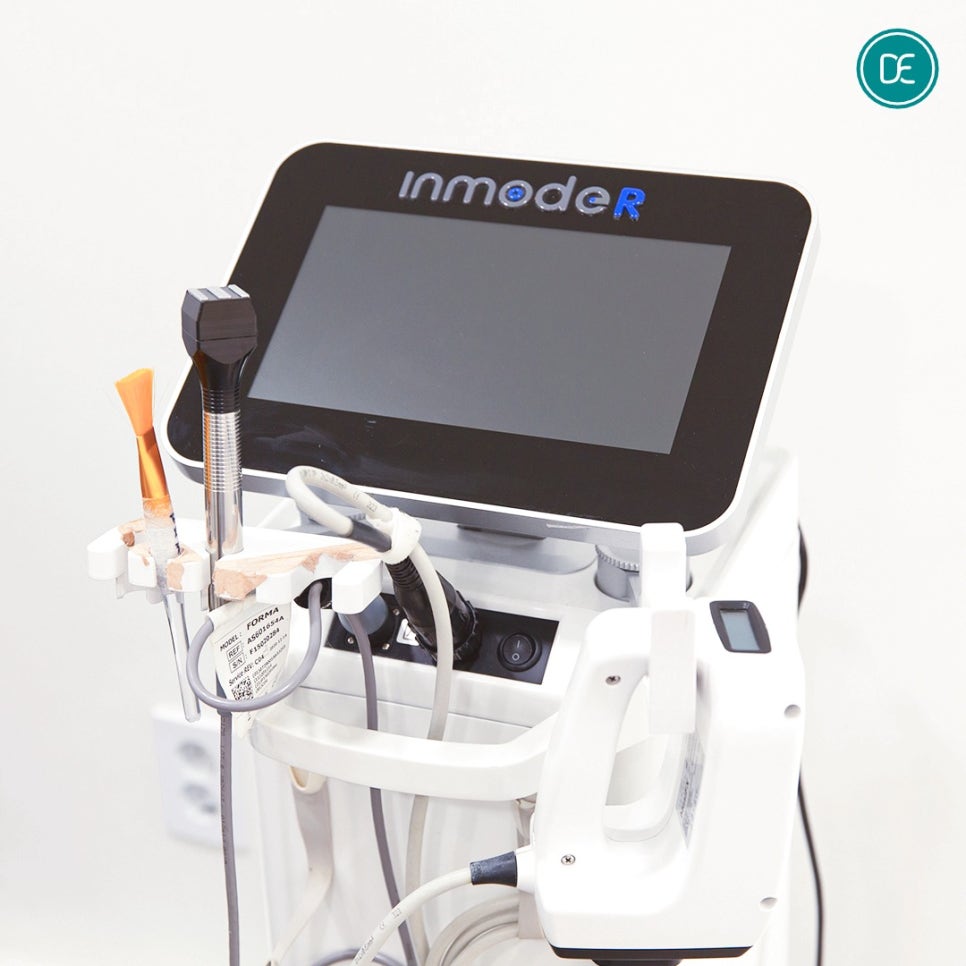
Let us first look at the basic concept.
This method uses thermal energy
to deliver stimulation to the deeper layers of the skin.
Rather than addressing only the surface,
heat is delivered to the inner layers,
with a focus on maintaining overall firmness and balance.
As the heat is delivered,
the tissue temporarily contracts,
which can lead to a more defined appearance of the contours.
It also has the characteristic
that changes may continue gradually over time.
- Understanding InMode and the Differences Between Its Modes at Seolleung Station: How They Are Used Together
Having looked at the differences,
let us also consider cases in which the two modes are used together.
In general, the overall area is addressed first,
after which the areas requiring attention are treated more specifically.
In other words, Forma is used to organize a broader area,
followed by FX to address specific areas.
The reason for dividing the process into these steps
is that establishing overall balance first
and then refining specific contours
can lead to a more natural result.
Depending on the individual’s condition,
only one of the two modes may also be selected and used.
- Points to Consider Along with the Meaning and Differences Between InMode Modes at Seolleung Station
Finally, while summarizing the overall process,
let us look at some points to consider.
Because this method uses thermal energy,
responses may vary depending on your current condition.
Therefore, rather than proceeding intensely all at once,
it is important to continue gradually while observing your condition.
The interval between sessions
may also vary depending on an individual’s lifestyle and care routine.
Thus, instead of considering only the type of device,
it is helpful to consider your current condition and the overall process together
in order to maintain overall balance.
So far, we have organized the meaning of methods using thermal energy
and the differences between the respective modes.
Even within a single device,
the approaches are divided,
so the process may vary depending on the situation.
Understanding the overall and specific aspects separately
can make it easier to grasp the structure naturally.
We hope today’s content was helpful in understanding the process,
and wish you a comfortable day.
- Understanding InMode and the Differences Between Its Modes at Seolleung Station: Structure

Now that we have covered the principles,
let us look at the structure represented by the name.
This device is based on thermal energy
and is configured so that several modes can be used separately.
Because each mode differs in its delivery method and depth,
one characteristic is that
several approaches can be considered rather than relying on just one method.
In other words,
within a single device,
surface-focused care and deeper-layer-focused care
can be applied separately depending on the situation.
Because it allows a step-by-step approach,
it is often used in a variety of ways.
- Understanding InMode and the Differences Between Its Modes at Seolleung Station: Forma and FX
Now let us take a closer look
at the difference between the two modes, which many people are curious about.
First, Forma uses a relatively gentle method of delivering heat
and focuses on evenly addressing a broad area.
It is often used to help organize overall firmness
or create smoother-looking contours.
FX, on the other hand,
is performed in a somewhat more concentrated manner.
It approaches specific areas more deeply
and focuses on addressing them intensively.
Therefore, it is natural to understand Forma as focusing on overall balance,
while FX focuses on addressing specific areas.