If you manage your hair by shaving or plucking it every time, you may be concerned about skin irritation and, above all, the time required for maintenance.
You may think about this even more as summer approaches or during seasons when you frequently wear sleeveless clothing.
In such cases, it may be worth considering a solution that works fundamentally on the hair roots.
Today, we will take a step-by-step look at a method that may help slow hair growth through repeated treatments.
We will also cover its principles, treatment intervals, who it may be suitable for, and what to keep in mind after care.
- Laser Hair Removal at Seoul National University Entrance Station: How Is It Different from a Men's Underarm Razor?
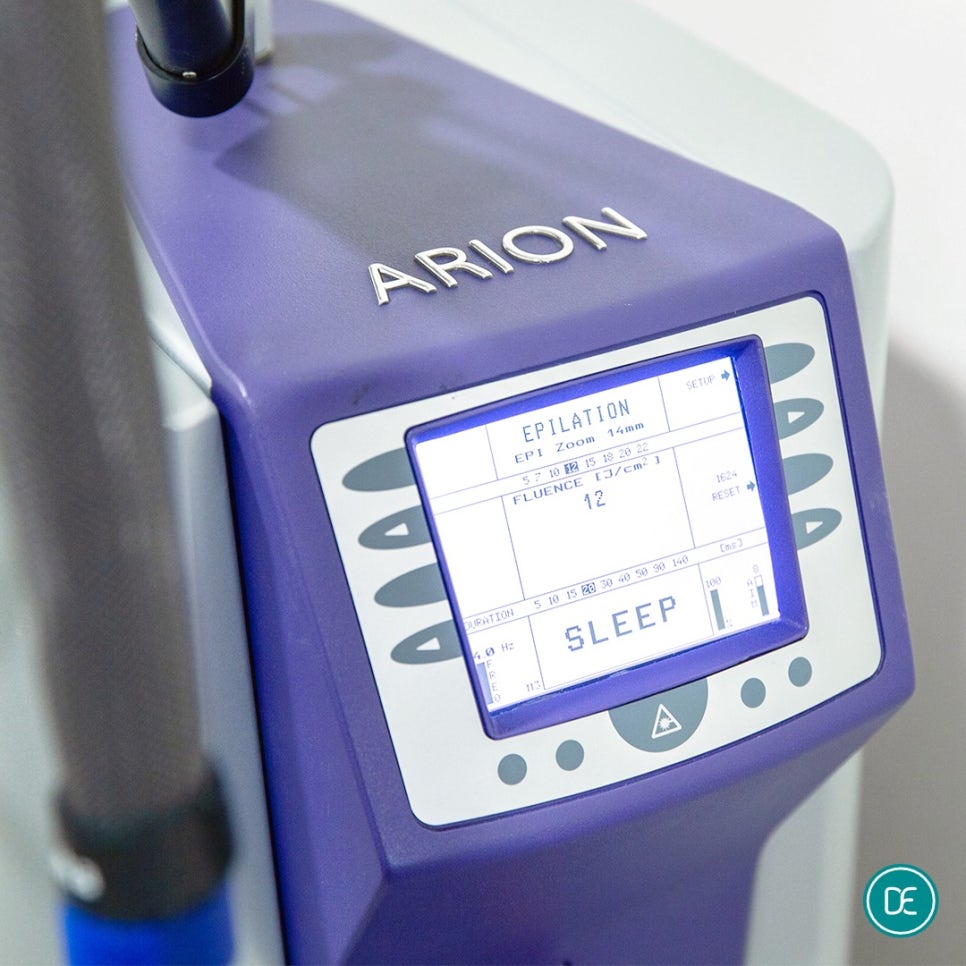
This method uses light energy that reacts to the dark melanin pigment in the hair.
It differs from using an underarm razor, which only removes the hair that has grown above the skin's surface.
This solution works by using a laser to weaken the hair follicles and alter the underlying structure responsible for hair growth.
Rather than ending after a single session, the treatment is performed repeatedly over several sessions.
Although not all hair disappears after one treatment, continued care may gradually reduce hair thickness and density.
Because the treatment is performed using a non-contact method equipped with a rapid cooling system, it is generally known to cause relatively less pain or irritation.
- Who May Be Suited to Laser Hair Removal at Seoul National University Entrance Station?

This method may be suitable for both men and women, regardless of gender.
It can be applied to a wide range of areas, including larger areas such as the arms and legs, as well as delicate areas such as the underarms and around the face.
It may be particularly helpful for those whose skin texture has become rough from frequent shaving or repeated waxing,
as well as those who find hair management bothersome because they have a large amount of thick hair.
However, if there is inflammation, it is best to receive treatment after the condition has improved.
It is also important to shave in advance, about one or two days before treatment.
This is because the hair on the surface should not be too long for the laser to reach deep into the hair follicles.
- What Are the Intervals and Recommended Number of Laser Hair Removal Sessions at Seoul National University Entrance Station?

Treatments are generally repeated at intervals of about four to six weeks.
The number of sessions required varies depending on the area, the individual's hair type, and the amount of hair, but many people receive at least 10 sessions consistently.
Maintaining consistent intervals is important because the hair growth cycle must coincide with the timing when the laser takes effect.
Although all the hair does not disappear at once,
with each successive session, the hair follicles gradually weaken, and the thickness and number of newly growing hairs may progressively decrease.
Even after treatment is completed, fine, weak vellus hair may occasionally grow, but you may notice a different result compared with before.
- What to Keep in Mind After Laser Hair Removal at Seoul National University Entrance Station
Immediately after treatment, redness or a burning sensation may continue for about two to three days.
On the day of treatment, sufficient cooling care, such as using an ice pack, may help reduce discomfort.
The remaining hair will naturally fall out within one to two weeks, so do not try to pull it out forcibly.
Avoid tanning before and after treatment, and apply sunscreen thoroughly when going outside.
Avoid tight clothing for the time being, and apply plenty of moisturizing lotion to maintain hydration.
Abstaining from alcohol and smoking may also help with recovery.
For men and women who have been considering another method instead of routinely managing their underarms with a razor,
we hope you will use the information summarized today to create a care plan suited to you.
Thank you for reading.