As summer approaches, many people have areas they feel self-conscious about whenever they wear sleeveless tops or shorts.
Even after shaving, the hair quickly grows back, while many people hesitate to try waxing because of the discomfort.
You have probably thought at least once about wanting to get away from the constant concern of hair management.
These days, many methods of managing it are widely available.
Among them, methods that use light reacting to melanin pigment are attracting attention.
Today, we will take a step-by-step look at everything from how this care method works to its treatment intervals, who it may suit, and what to keep in mind in daily life afterward.
- Gwangju Laser Hair Removal Intervals: How It Works Using Melanin Pigment
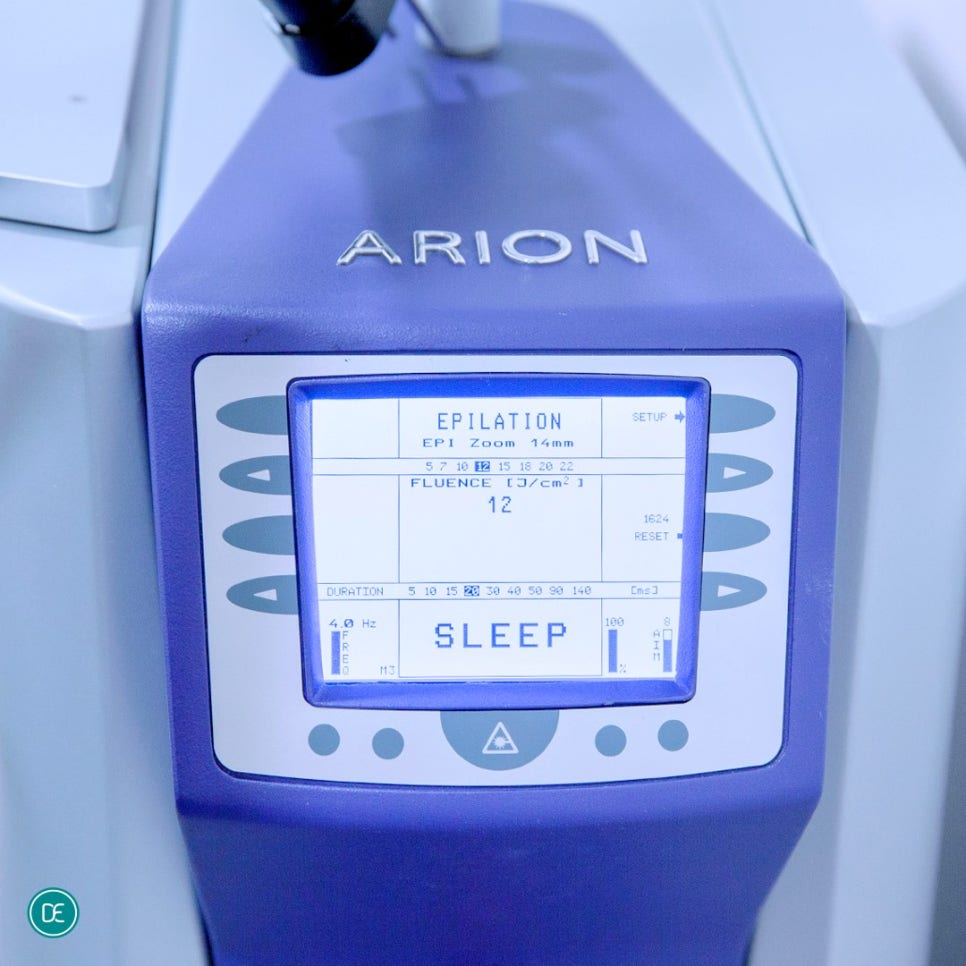
This care method uses light energy that selectively recognizes only the dark melanin pigment in the hair.
When the light passes through the skin's surface and reaches the hair follicles and roots, heat is delivered to the area, weakening the roots themselves or reducing their function.
Not all roots disappear after just one session, but with repeated sessions, the hair gradually becomes finer and grows more slowly.
You can expect the overall texture to become naturally smoother.
A rapid cooling system is also applied, which can significantly reduce the sensation of heat or prickling.
Another feature of this method is that it is hygienic while minimizing irritation.
- Gwangju Laser Hair Removal Intervals: Who May Find It Suitable
This is a care method available to both men and women, regardless of gender.
It can be applied anywhere on the body, including the arms and legs, as well as the underarms, back, chest, and abdomen, allowing you to choose the areas that concern you.
It may be helpful for those who find it bothersome when hair quickly grows back after shaving, or for those who have been concerned about dark, coarse hair.
If the repeated discomfort of waxing has been burdensome, this method may be more comfortable.
Starting care in advance can help you spend the summer more comfortably.
- Gwangju Laser Hair Removal: What Are the Repetition Intervals and Treatment Spacing?
In general, repeating the treatment at intervals of about 4 to 6 weeks is recommended.
Because hair growth cycles vary somewhat by body area, the number of sessions needed may also differ depending on the hair's thickness and density.
Many people generally plan for 10 or more sessions, and the number may be increased depending on the individual's condition.
During the first few sessions, it may feel as though the hair is growing back, but with repetition, you can notice that the amount gradually decreases and the hair becomes thinner.
If the intervals are too short, the treatment may not be meaningful, while spacing them too far apart can interrupt the course of care, so it is best to follow the recommended schedule.
- Gwangju Laser Hair Removal: When You Start to Notice Changes
Changes do not appear immediately.
About 1 to 2 weeks after care, the remaining hair naturally falls out. This is the process by which the weakened roots are shed.
It is important to leave the area alone, as forcibly pulling out or scraping the hair may irritate the follicles or cause hyperpigmentation.
Many people begin to feel that the hair has "definitely decreased" after about 3 to 4 sessions, and after 6 or more sessions, they often say that management has become much easier.
Changes can be expected with consistent repetition, so it is best to continue for the planned number of sessions without stopping midway.
- Gwangju Laser Hair Removal Intervals: Care Tips to Follow After Treatment
Redness or a burning sensation may continue for about 2 to 3 days afterward.
On the day of treatment, cooling the area sufficiently with something like an ice pack can help it settle down much faster.
For about a week, it is best to wear loose, breathable clothing rather than tight clothes.
You should also be sure to pay attention to sun protection.
When going outdoors, carefully apply sunscreen to the treated area, and it is best to avoid tanning before and after care.
Moisturizing is also important. Apply plenty of lotion several times a day to keep the area from becoming dry.
Abstaining from alcohol and smoking can also help with recovery.
If the area has inflammation or irritation, it is recommended to wait until the condition improves before receiving treatment.
If spending time repeatedly shaving or waxing has been burdensome, considering a manageable hair-care method may be one option.
With consistent care, you may find that management gradually becomes easier.
I hope the information summarized today will be of some help to those who are considering their options.