[One-Line Summary] : A guide to the recommended intervals for Incheon Pico Toning and precision care to help improve concerns about melasma and light pigmentation
A Guide to the Recommended Intervals for Incheon Pico Toning and Improving Melasma and Pigmentation
| For those who are concerned about
blotchy melasma and pigmentation
whenever they look in the mirror

Have you become increasingly concerned about the faint marks that remain or
an overall dull tone whenever you look in the mirror?
Melasma and subtle pigmentation can be difficult to improve once they have settled in,
often causing stress.
Recently, methods that work delicately over a short period of time
while reducing the burden on the surrounding skin
have been receiving attention.
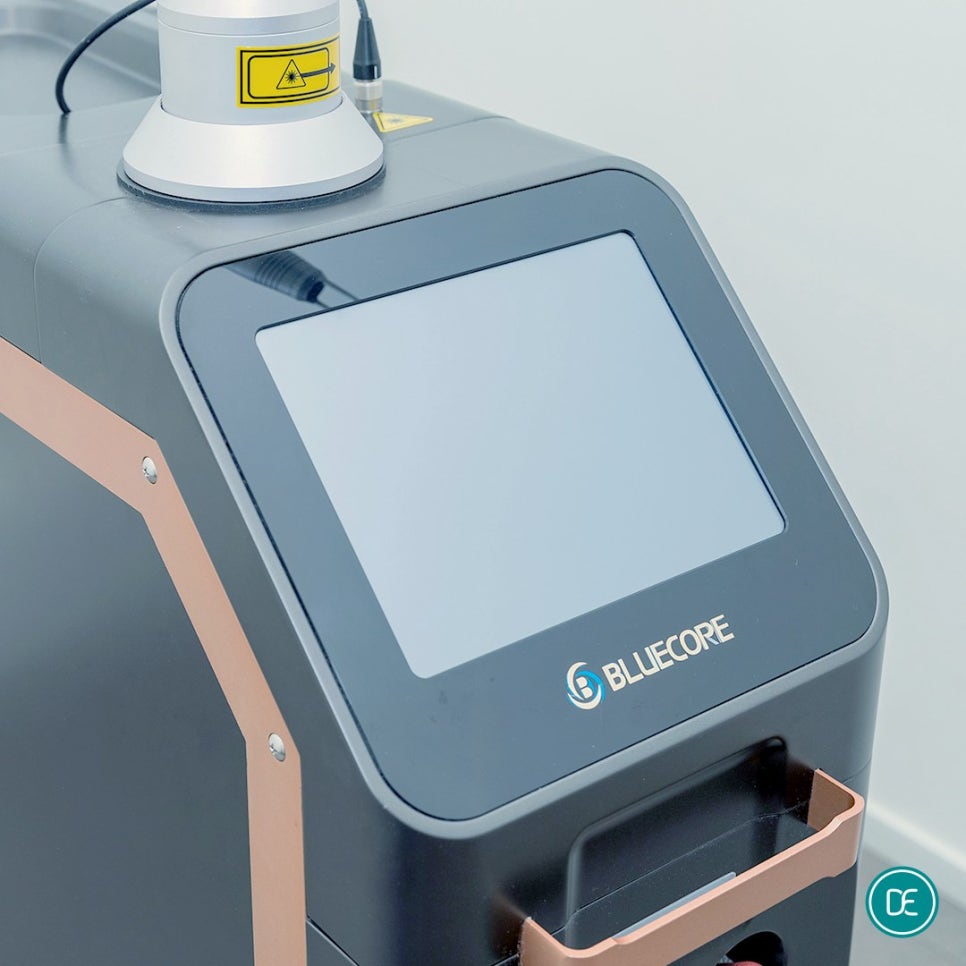
Using an irradiation speed 1,000 times faster than nanoseconds,
pigmentation in deeper areas can be treated efficiently.
We will introduce a method for evening out the skin tone and maintaining a clear skin condition
based on precise laser technology.
[Table of Contents]
-
The precision-care principle behind the recommended intervals and irradiation speed of Incheon Pico Toning
-
An analysis of the causes of worsening melasma and pigmentation conditions and target concerns
-
The synergistic effects of combining the recommended intervals for Incheon Pico Toning with a skin scrubber
-
Criteria for choosing the right pigmentation-management approach while reducing irritation
-
Post-care home-care guidelines to help maintain the recommended intervals for Incheon Pico Toning and support recovery
-
Recommended intervals for Incheon Pico Toning and frequently asked questions
[For the key points of this article]
Its short irradiation time helps reduce the burden of damage to the surrounding skin while delicately breaking up pigmentation.
It helps improve lightly dispersed, widespread melasma or hyperpigmentation and maintain a brighter tone.
Incheon Pico Toning is generally performed at intervals of 1–2 weeks, and approximately 10 sessions are recommended.
From around the third to fifth session, you may gradually notice changes in the tone becoming more even.
After treatment, pay attention to moisturizing and sun protection, and it is advisable to avoid alcohol and smoking for one week.
- The precision-care principle behind the recommended intervals and irradiation speed of Incheon Pico Toning
It works by delivering powerful energy over a short period of time
and finely breaking down pigment particles.
It helps reduce the spread of heat to the surrounding tissue,
which may help lessen the burden of pain or irritation.
It is designed to selectively respond to melanin pigment
using a 1064 nm wavelength band.
While conventional methods apply heat over a broad area,
this method breaks pigmentation down into microscopic particles
and encourages them to be expelled from the body.
Precise picosecond-level irradiation may help finely break down deep melanin pigment while reducing surface damage.
[Comparison of pigmentation-care methods and key steps]
| Category | Conventional nanosecond method | Pico laser method |
|---|
| Mechanism of action | Accumulated heating of pigment through thermal action | Fine fragmentation of pigment through shock waves and acoustic waves |
| Degree of irritation | Possibility of heat transfer to surrounding areas | Reduced heat transfer to lessen the burden on the surface |
- An analysis of the causes of worsening melasma and pigmentation conditions and target concerns
Ultraviolet rays, hormonal changes, and an imbalance in oil and moisture levels
are representative factors that stimulate pigment production.
If left untreated, pigment particles may become deposited deep in the dermal layer,
causing the overall tone to appear uneven and blotchy.
It can be a suitable alternative for those concerned about an overall dull-looking face or localized melasma.
It tends to be favorable when seeking to maintain a clear tone with little irritation amid a busy daily routine.
Marks caused by multiple factors require a precise approach that addresses the surface and dermal layers separately.
[Analysis of the causes of pigmentation concerns and assessment criteria]
| Category | Ultraviolet rays and external irritation | Hormones and stress |
|---|
| Main cause | Excessive activation of melanocytes | Pigment deposition deep in the dermal layer |
| Skin appearance | Light, widespread blemishes around the cheekbones | Deep, dark melasma mainly on both cheeks |
[Skin-care point] It is advisable to establish a care plan by analyzing the depth and causes of pigmentation from multiple perspectives.
- The synergistic effects of combining the recommended intervals for Incheon Pico Toning with a skin scrubber
Generally, treatment is repeated at intervals of 1–2 weeks.
Following an appropriate schedule allows enough time for the broken-down pigment to be naturally expelled.
Combining it with a refining treatment such as a skin scrubber
cleans up the surface and improves energy-delivery efficiency.
Compared with treatment alone, it can provide positive synergy in evening out the texture and creating a more uniform tone.
[Comparison for combining care methods]
| Type of combined care | Skin-scrubber refinement | Soothing moisture care |
|---|
| Main role | Removes surface dead skin cells and impurities | Protects the skin barrier and supplies moisture after care |
| Synergistic effect | Helps increase energy absorption | Helps relieve dryness that may occur after care |
- Criteria for choosing the right pigmentation-management approach while reducing irritation
Excessive irritation during pigmentation care may instead
cause a rebound effect in which hyperpigmentation becomes darker.
Therefore, a careful approach is required that protects the barrier while precisely addressing only the pigment cells.
The key is to assess each person’s skin thickness and the depth of the pigmentation
and adjust the output accordingly.
Equipment that minimizes surface damage should be selected
so that you can return to daily activities quickly without a heavy recovery burden.
Rather than a method that applies intense heat, a care method that targets precisely over a short period of time is recommended.
[Criteria for choosing the right pigmentation-care approach]
| Assessment item | Artificially intense care | Barrier-protective precision care |
|---|
| Energy-delivery method | Delivers intense heat across the entire surface | Brief, targeted irradiation focused on pigment particles |
| Downtime | Redness and irritation persist for a long time | Cleansing and makeup are possible on the same day |
| Effect on the barrier | May weaken the surface barrier | Reduces surface damage |
[Right care direction] Care that gradually reduces pigmentation while maintaining the health of the skin barrier is desirable.
- Post-care home-care guidelines to help maintain the recommended intervals for Incheon Pico Toning and support recovery
Post-care that maintains the protective barrier while the skin recovers
after treatment is very important.
Proper hydration and sun protection are necessary
to help maintain the brighter tone for longer.
Step 1 (Moisture replenishment) : Carefully layer a gentle moisturizer so that dryness does not develop.
Step 2 (Thorough protection) : Apply sufficient sunscreen when going outdoors and use a hat or mask.
Step 3 (Lifestyle adjustments) : Avoid saunas for one week and abstain from alcohol and smoking, which can interfere with recovery.
[Key post-care home-care guidelines and management information]
| Category | Essential practices | Points to note |
|---|
| Moisturizing and protection | Apply moisturizer frequently and use SPF sunscreen | Do not rub the surface forcefully or scrub it with a towel |
| Lifestyle habits | Avoid alcohol and smoking for one week | Refrain from strenuous exercise or sauna visits |
| Care intervals | Vary depending on skin condition, but generally 1–2 weeks | Maintain intervals without making them too short or too long |
[Post-care key point] A more improved texture may be expected when systematic home care is combined with following the appropriate schedule.
- Recommended intervals for Incheon Pico Toning and frequently asked questions
Q1. How much pain is involved?
A. The irradiation speed is very fast, so there is relatively little heat transfer,
and it feels like a mild tingling sensation.
(However, this may vary from person to person.)
Q2. What are the recommended intervals for Incheon Pico Toning?
A. Although this may vary depending on each individual’s sebum production and lifestyle,
it is generally performed at intervals of 1–2 weeks.
(However, this may vary from person to person.)
Q3. How are the maintenance period and total number of sessions determined?
A. Although this may vary depending on the skin condition,
approximately 10 sessions are generally used as a baseline, and a more even tone may be expected for several months or longer after care.
(However, this may vary from person to person.)
Q4. When can I wash my face and apply makeup?
A. Because this method reduces surface damage, cleansing and makeup
are possible on the same day and should not interfere with daily activities.
Q5. What should I do if flaking occurs after care?
A. Do not remove it forcibly. Apply sufficient moisturizer
and allow it to shed naturally.
Q6. Can it also be used for pigmentation on the body?
A. In addition to the face, it can also be applied to pigmented areas of the body, such as the arms, back, and shoulders,
and may help improve them.
Melasma and pigmentation are difficult to eliminate all at once,
but with consistent care, you may certainly notice positive changes.
We hope you can gradually experience the process of improving toward a brighter tone.