Proper Toothbrushing Methods
Smart Dental Care
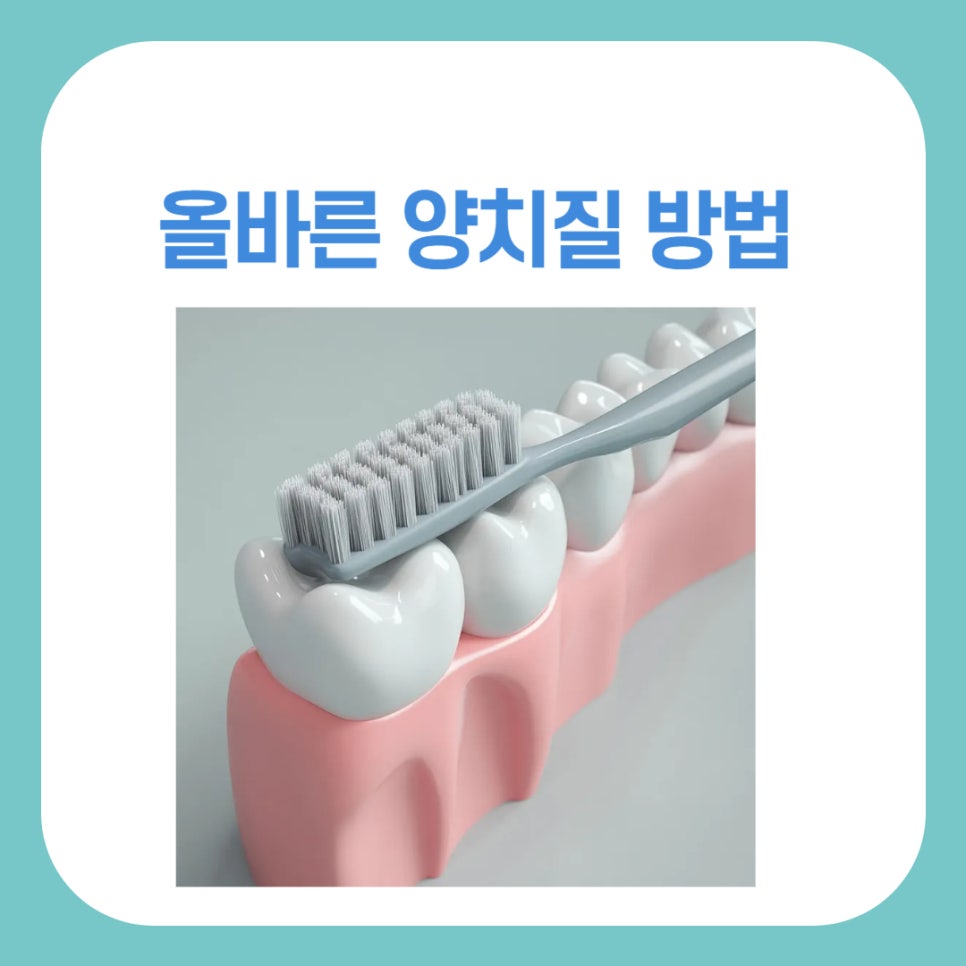
Proper toothbrushing plays an important role in maintaining dental health and oral hygiene.
However, many people brush their teeth the wrong way or
do not develop proper habits, which leads to problems with dental health.
In this post, I will explain proper toothbrushing methods and dental care.
- The Importance of Toothbrushing
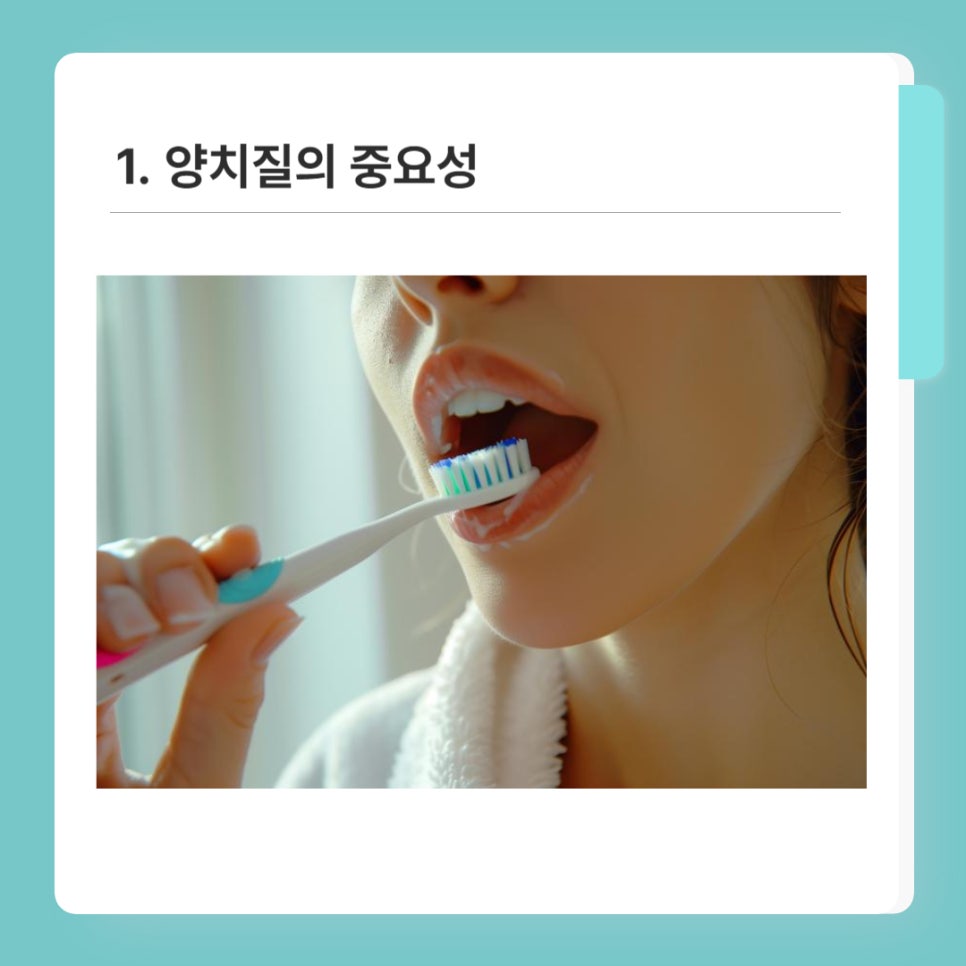
Toothbrushing is a key activity that removes food debris and plaque from the surface of the teeth,
helping prevent cavities and gum disease.
You should brush thoroughly at least twice a day, especially in the morning and at night.
Not only is brushing essential for preventing cavities, but it is also necessary for reducing gum inflammation and bad breath.
If you do not brush properly,
tartar can build up and may develop into serious conditions such as periodontitis.
- Choosing the Right Toothbrush
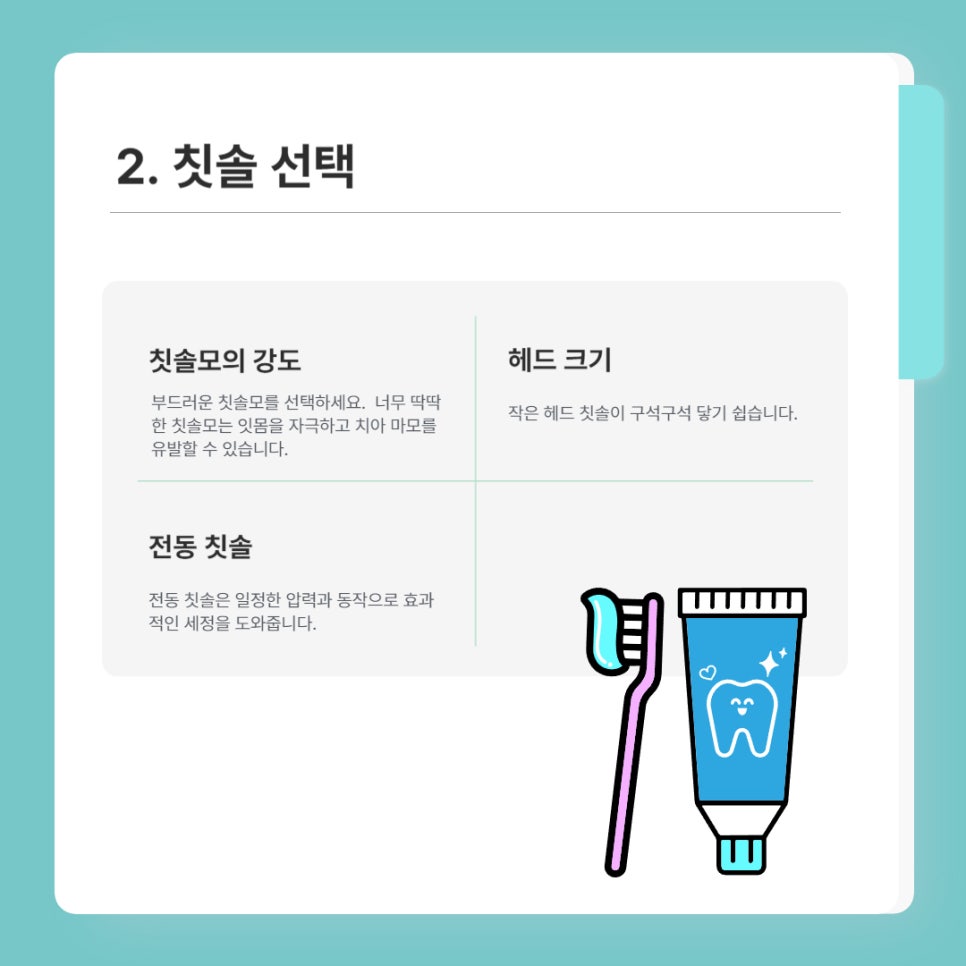
Choosing a toothbrush is the first step to proper brushing.
Here are the criteria for choosing a toothbrush.
Bristle firmness: choose soft bristles.
Bristles that are too hard can irritate the gums and cause tooth wear.
Brush head size: a small-headed toothbrush is recommended because it makes it easier to reach every corner.
Electric toothbrushes are also widely used, and electric products are recommended as well.
They help with effective cleaning through consistent pressure and movement.
- Brushing Method
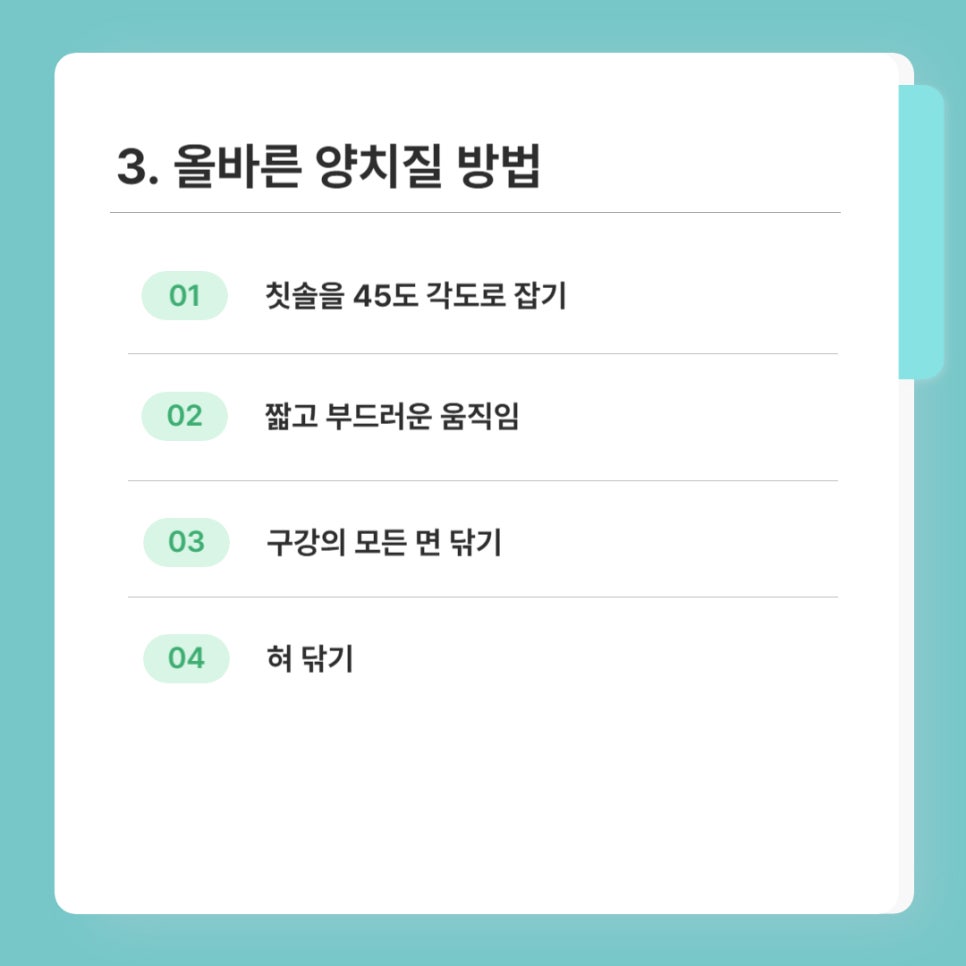
Here is how to brush properly.
If you follow just these steps, maintaining healthy teeth becomes possible to a certain extent. ^^
- Hold the toothbrush at a 45-degree angle
To clean the boundary between the teeth and gums effectively, hold the toothbrush at a 45-degree angle.
- Use short, gentle movements
When brushing the surface of the teeth, move the brush in short, gentle circular motions.
- Brush every surface of the mouth
Front surfaces: brush all teeth evenly.
Inner surfaces: do not forget the inside of the front teeth and the molars.
Chewing surfaces: be sure to brush the chewing surfaces where food tends to collect.
- Keep the proper amount of time
Brushing should take at least 2 minutes to be effective.
- Brush the tongue
A lot of bacteria build up on the surface of the tongue.
Gently brush with a tongue cleaner or toothbrush to help prevent bad breath.
- How to Use Toothpaste Properly
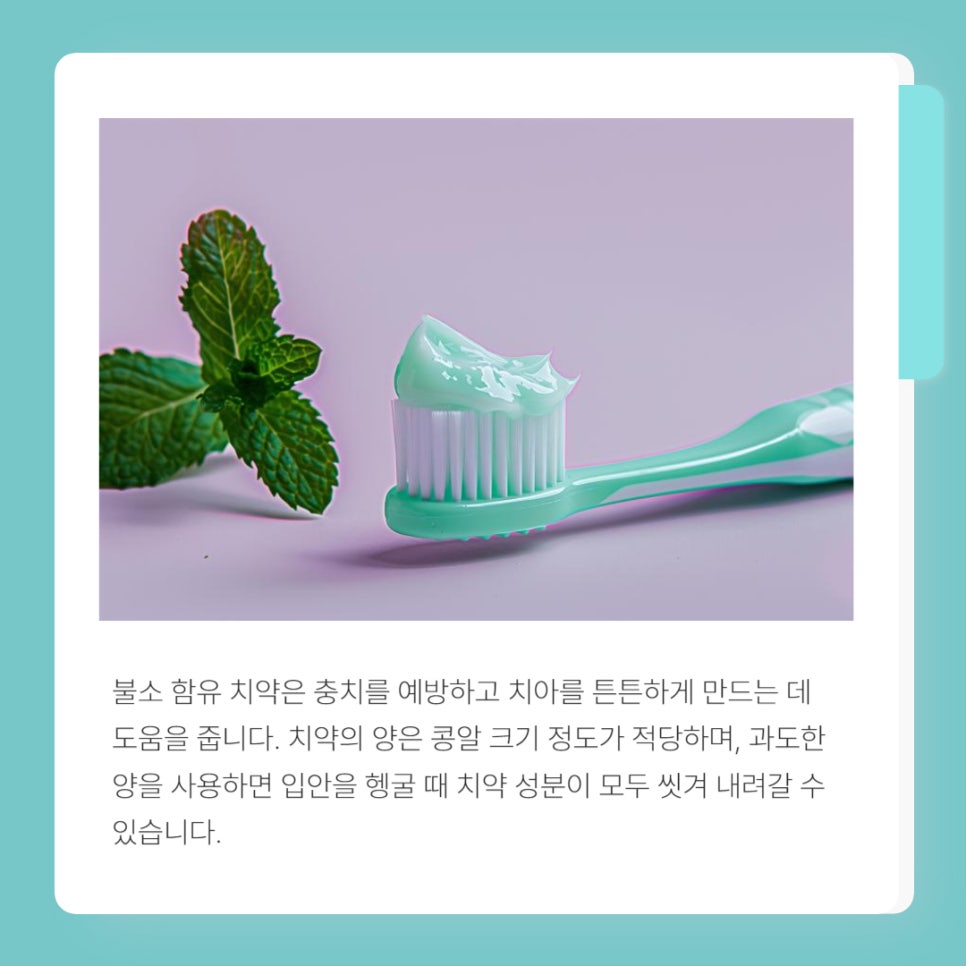
Toothpaste containing fluoride helps prevent cavities and strengthen teeth.
The right amount of toothpaste is about the size of a bean,
and using too much can cause the toothpaste ingredients to be washed away when rinsing your mouth.
Points to note when brushing
Do not brush immediately after eating
Brushing right after consuming acidic foods can damage the enamel on the surface of the teeth.
Brush at least 30 minutes later.
Do not apply too much pressure
Brushing too hard can damage the teeth and gums.
Replace your toothbrush regularly
Replace your toothbrush every 2 to 3 months, and if the bristles are worn out, switch to a new toothbrush immediately.
Additional oral care beyond brushing

It is difficult to maintain perfect oral health with brushing alone.
After brushing, floss and interdental brushes are recommended.
Use floss and interdental brushes to remove debris between teeth that is difficult to clean with a toothbrush.
Then use mouthwash.
Mouthwash helps remove bacteria and prevent bad breath.
Of course, care you can do at home is helpful too,
but regular dental visits are the smart way to manage your teeth.
It is recommended that you visit the dentist every 6 months for an examination and scaling by a professional.
The Difference Between Morning and Night Brushing
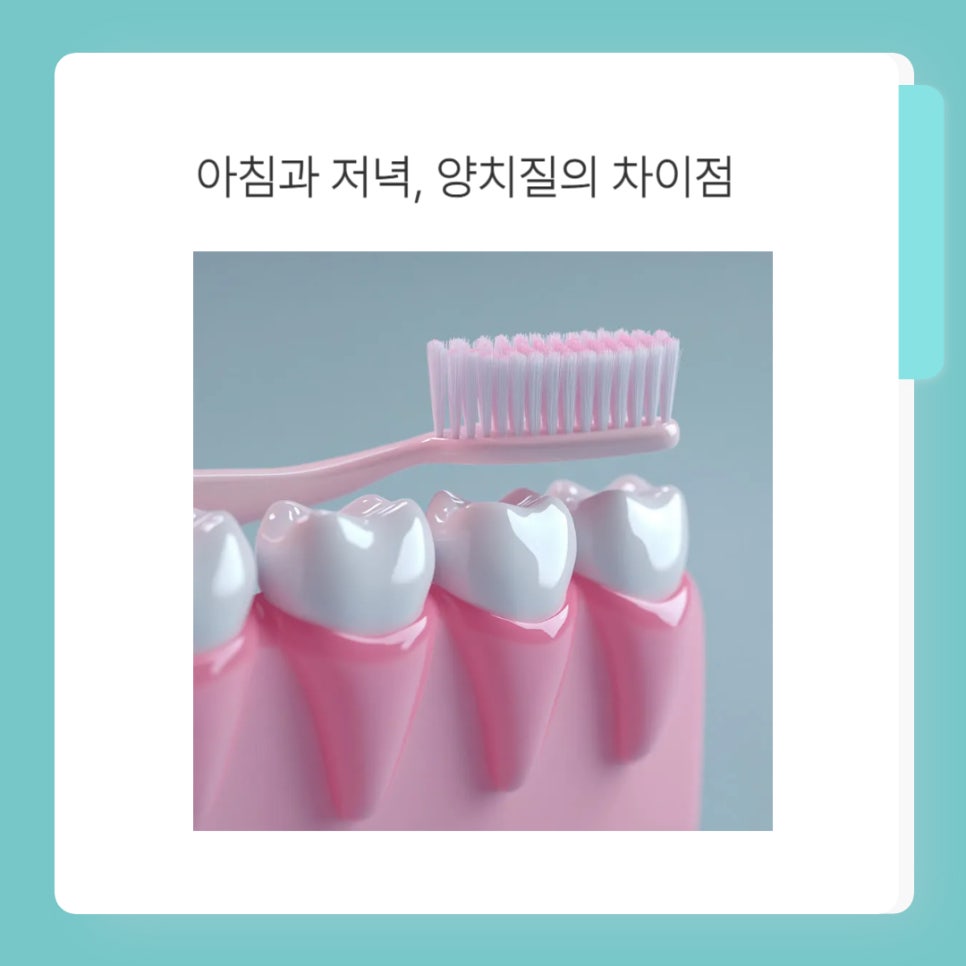
Do you know the difference between morning and night brushing~?
Each serves a different role.
Morning brushing removes bacteria and deposits that have accumulated overnight in the mouth,
keeping your mouth feeling fresh.
In the morning, it is effective to start brushing after a light rinse with water.
Night brushing focuses on thoroughly removing food residue consumed throughout the day.
In particular, night brushing is the most important brushing of the day, so you should brush more carefully.
Frequently Asked Questions (FAQ)
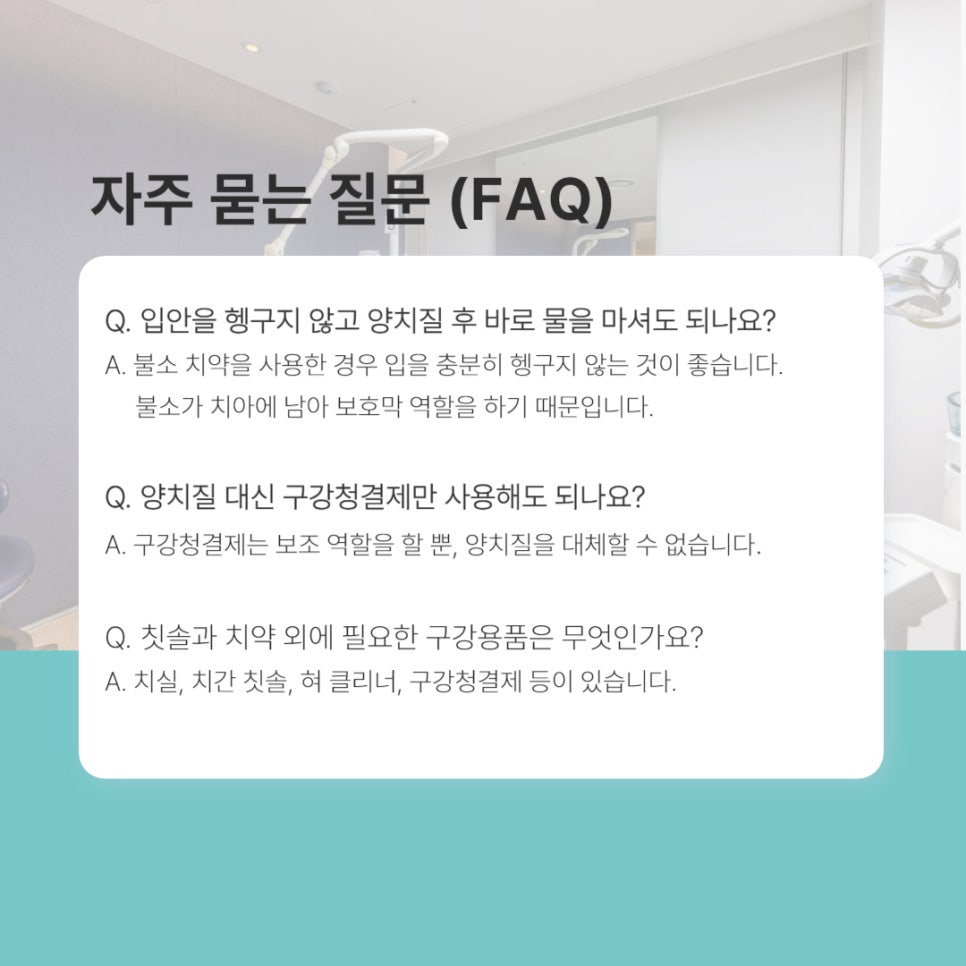
Q. Can I drink water right after brushing without rinsing my mouth?
A. If you use fluoride toothpaste, it is better not to rinse your mouth thoroughly.
This is because fluoride remains on the teeth and acts as a protective layer.
Q. Can I use only mouthwash instead of brushing?
A. Mouthwash only plays a supporting role and cannot replace brushing.
Q. What oral care products are needed besides a toothbrush and toothpaste?
A. Floss, interdental brushes, tongue cleaners, and mouthwash are included.
Proper toothbrushing is the foundation of oral health.
Brush at least twice a day using the proper method, and use floss and mouthwash together to maintain dental health.
Also, do not forget to check the condition of your teeth through regular dental checkups.
Proper brushing habits will protect your bright and healthy smile.










Previous image
Next image










Previous image
Next image
#올바른양치질방법 #올바른치아관리 #치아관리