Hello.
Pregnancy is a time when a woman’s body goes through many changes. It affects not only hormonal changes in the body, but also physical and mental well-being.
Among these, the health of the teeth and gums is a particularly sensitive topic and requires proper care.
In this post, we will take a detailed look at the various methods and precautions pregnant women can practice to protect their dental health.
Why Dental Health Management During Pregnancy Is Important
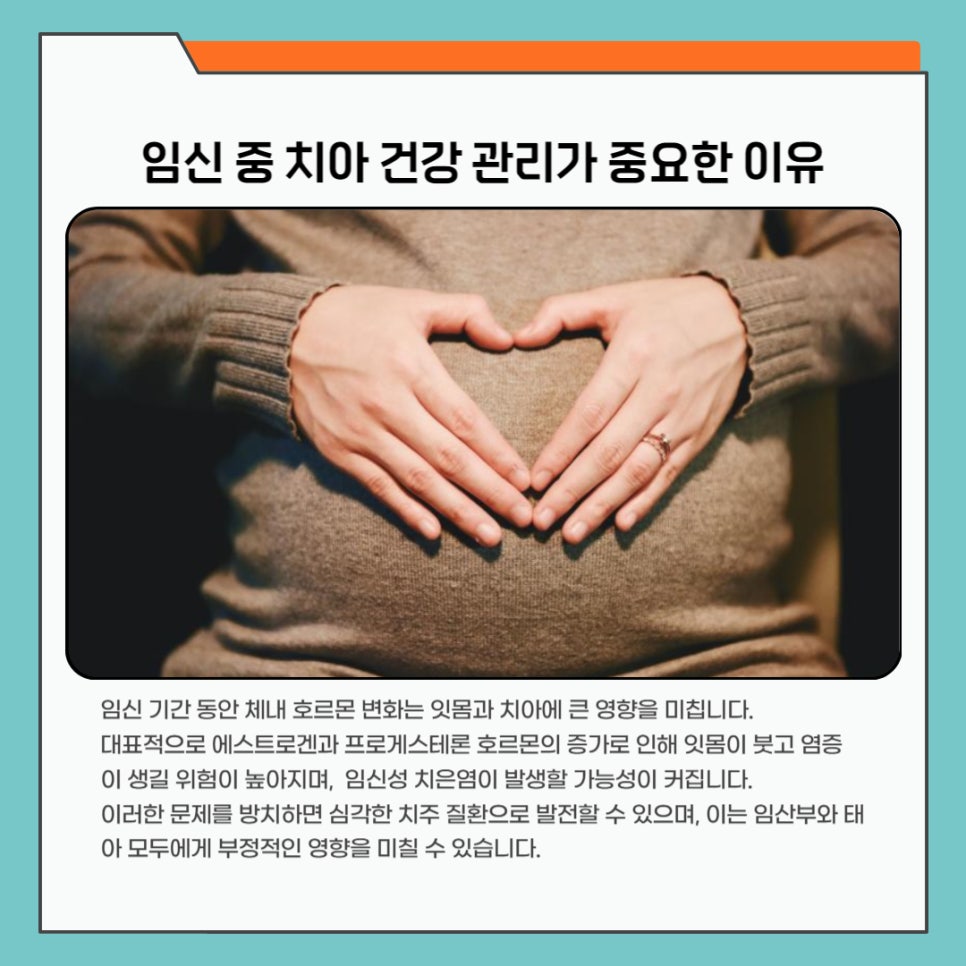
Hormonal changes during pregnancy have a major impact on the gums and teeth.
In particular, increased estrogen and progesterone levels raise the risk of swollen gums and inflammation,
and the likelihood of developing pregnancy gingivitis increases.
If these problems are left untreated, they can develop into serious periodontal disease,
which may negatively affect both the pregnant woman and the fetus.
In particular, periodontal disease can act as a risk factor for premature birth and low birth weight,
so it is important to remember that dental care during pregnancy goes beyond the mother’s oral health
and also plays an important role in the fetus’s health.
Common Dental Problems During Pregnancy
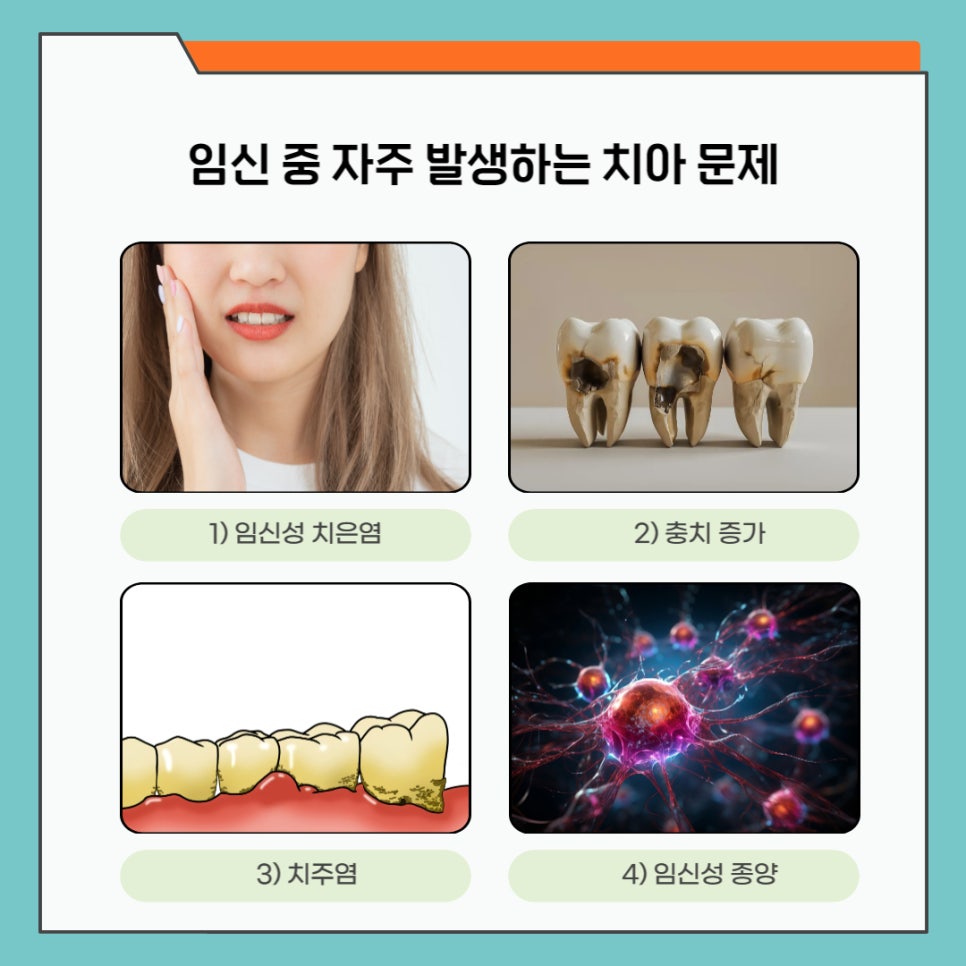
- Pregnancy gingivitis
A common problem experienced by about 60–70% of pregnant women,
it refers to symptoms such as swollen gums and frequent bleeding.
This usually worsens in the middle of pregnancy and can progress to periodontitis if not properly managed.
- Increased cavities
If vomiting occurs frequently due to morning sickness or if acidic foods are consumed,
the enamel layer of the teeth can weaken, making cavities more likely.
Also, pregnant women tend to snack more often,
which keeps the oral environment exposed to sugar for longer and can contribute to cavities.
- Periodontitis
This refers to a condition in which gingivitis worsens and inflammation spreads beyond the gum tissue to the bone that supports the tooth roots.
It can lead to tooth loss, so early treatment is essential.
- Pregnancy tumor
Sometimes a small growth may appear on the gums during pregnancy.
This occurs due to hormonal changes during pregnancy,
and it usually disappears naturally after delivery, but if it causes discomfort, a dental consultation is needed.
How to Manage Dental Health During Pregnancy
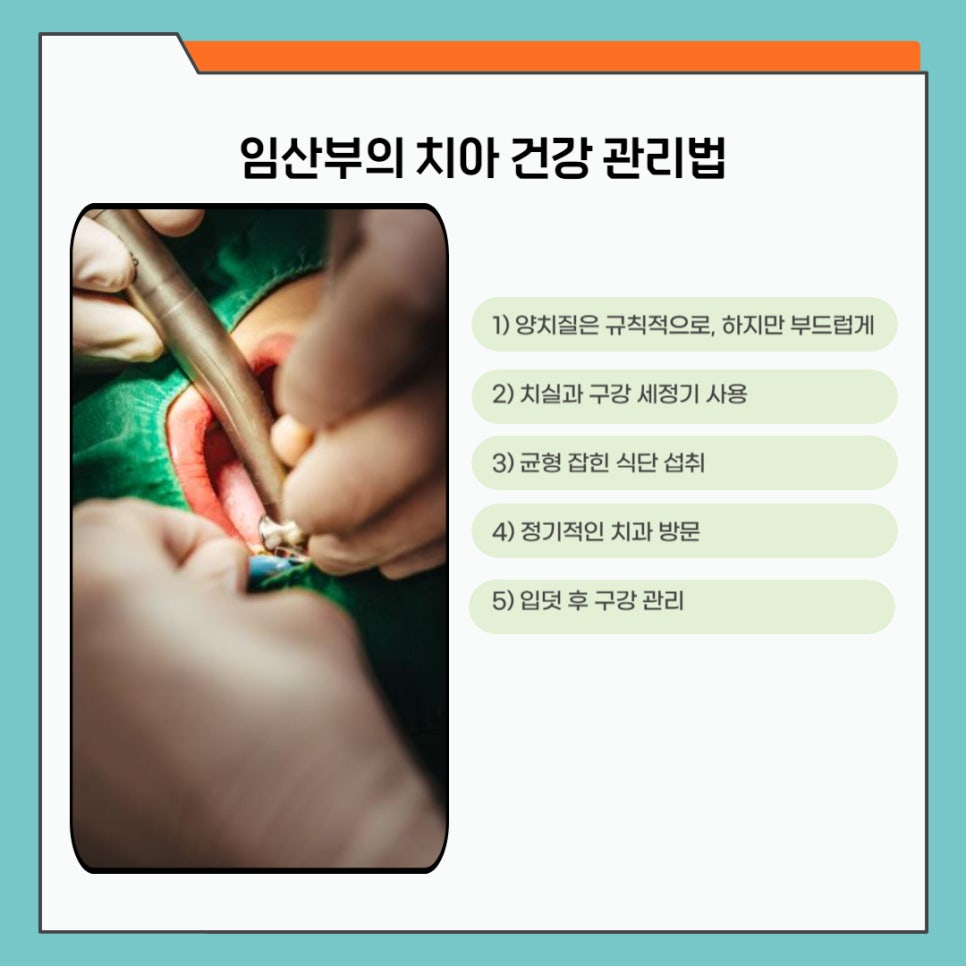
Pregnant women need to manage their oral health more carefully than the average adult.
Here are the main care methods you can follow.
- Brush regularly, but gently
Brush 2–3 times a day using a soft toothbrush and toothpaste containing fluoride.
Be careful not to scrub the gums too hard when brushing.
Using an electric toothbrush with a gum-massage function is also a good option.
- Use floss and an oral irrigator
Use floss and an oral irrigator to effectively remove food particles stuck between teeth.
It is important to thoroughly care for areas that a toothbrush cannot reach.
- Eat a balanced diet
Consume dairy products such as milk, cheese, and yogurt, which are rich in calcium, as well as foods rich in vitamin D.
Fresh vegetables and fruits help support gum health and also help fetal growth.
Reduce intake of sugary snacks, as they increase the risk of cavities.
- Regular dental visits
Get regular dental checkups and scaling during pregnancy.
The second and third trimesters (months 4–6) are suitable periods for dental treatment.
When visiting the dentist, be sure to inform them that you are pregnant, and if necessary, choose alternative diagnostic methods instead of X-rays.
- Oral care after morning sickness
After vomiting, acidic substances can damage the teeth,
so rinse your mouth with water and brush your teeth 30 minutes later.
Rinsing with water mixed with a small amount of baking soda can also be effective.
Precautions During Dental Treatment
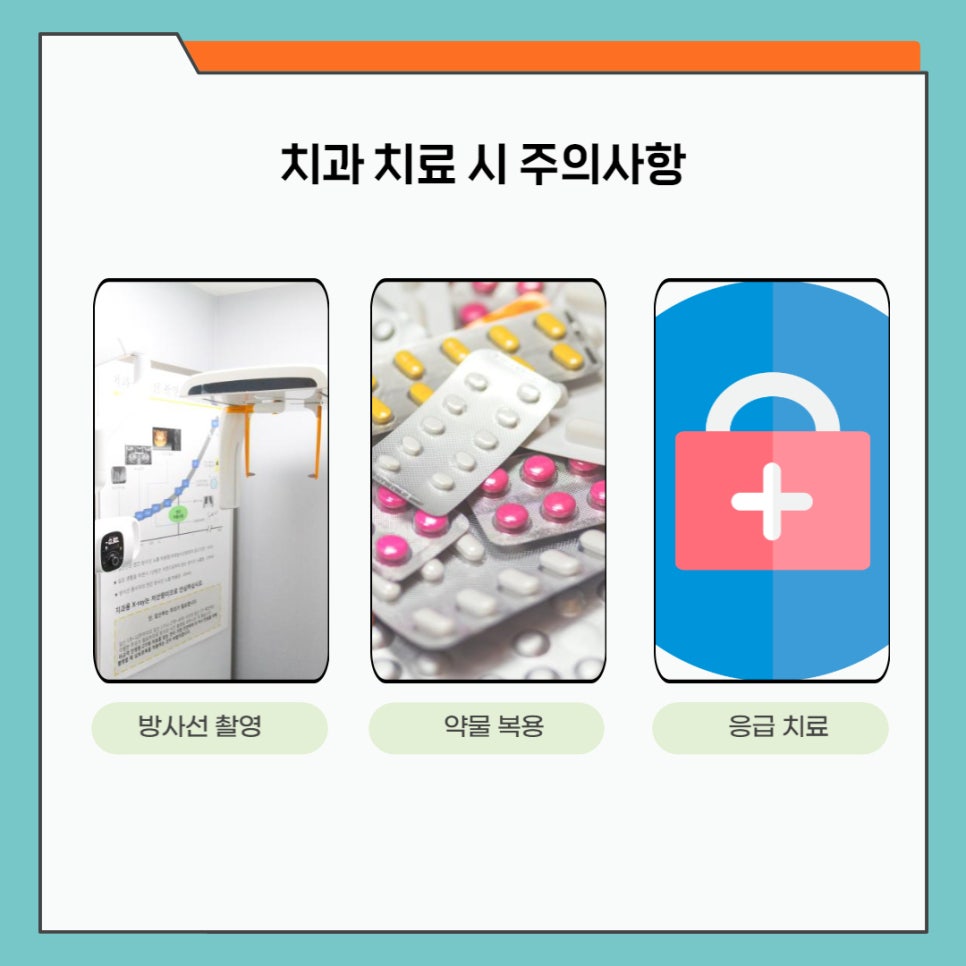
Because radiation exposure can affect the fetus,
if X-rays are needed, be sure to wear an abdominal protective apron.
If you need to take painkillers or antibiotics,
be sure to consult both your dentist and your obstetrician-gynecologist.
If you have severe tooth pain, inform the dentist that you are pregnant and receive emergency treatment safely.
Positive Effects of Managing Dental Health During Pregnancy
on the Fetus
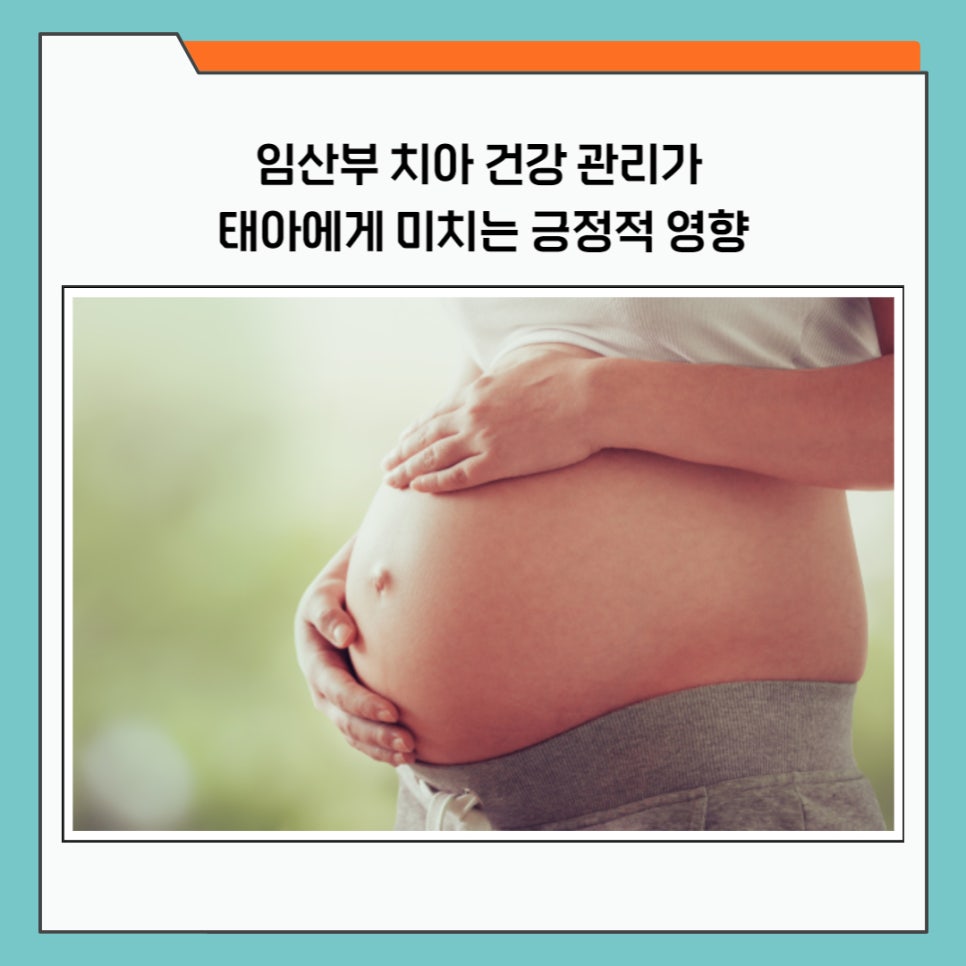
When a pregnant woman manages her oral health well, it also has a positive effect on the fetus’s health.
Preventing periodontal disease during pregnancy can reduce the risk of premature birth
and contribute to the fetus’s normal development.
In particular, if the mother maintains a healthy oral condition,
it can also have a positive effect on the development of the fetus’s teeth and gums.
Q&A on Dental Care During Pregnancy
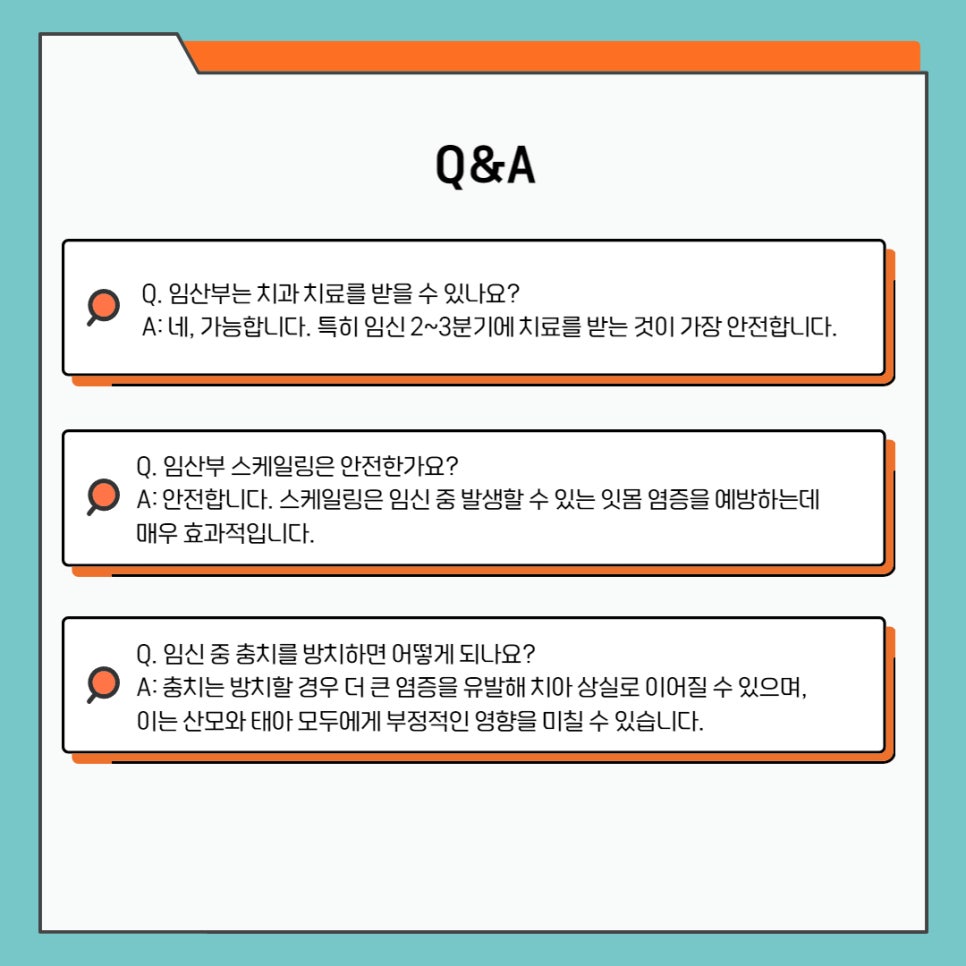
Q. Can pregnant women receive dental treatment?
A: Yes, they can. It is especially safest to receive treatment during the second and third trimesters of pregnancy.
Q. Is scaling safe for pregnant women?
A: Yes, it is safe. Scaling is very effective in preventing gum inflammation that can occur during pregnancy.
Q. What happens if cavities are left untreated during pregnancy?
A: If left untreated, cavities can cause more serious inflammation and lead to tooth loss,
which may negatively affect both the mother and the fetus.

Managing the health of your teeth and gums during pregnancy
is very important for both the mother and the fetus.
If you consistently practice the care methods introduced above, you can look forward to a healthy pregnancy and childbirth.
In particular, regular dental visits and proper oral care habits are
the most effective ways to protect a pregnant woman’s health.
Start putting them into practice now for a healthy pregnancy.









 Previous image
Next image
Previous image
Next image









 Previous image
Next image
Previous image
Next image