Hello. This is Gangnam Nueon Dental Clinic.
For healthy dental care, it is important to use proper brushing habits along with
appropriate auxiliary oral hygiene tools.
In particular, because a toothbrush alone makes it difficult to completely
remove food debris and plaque between the teeth, using an interdental brush is necessary.
In this post, we will explain the proper way to use interdental brushes and what to be careful about.
What is an interdental brush?
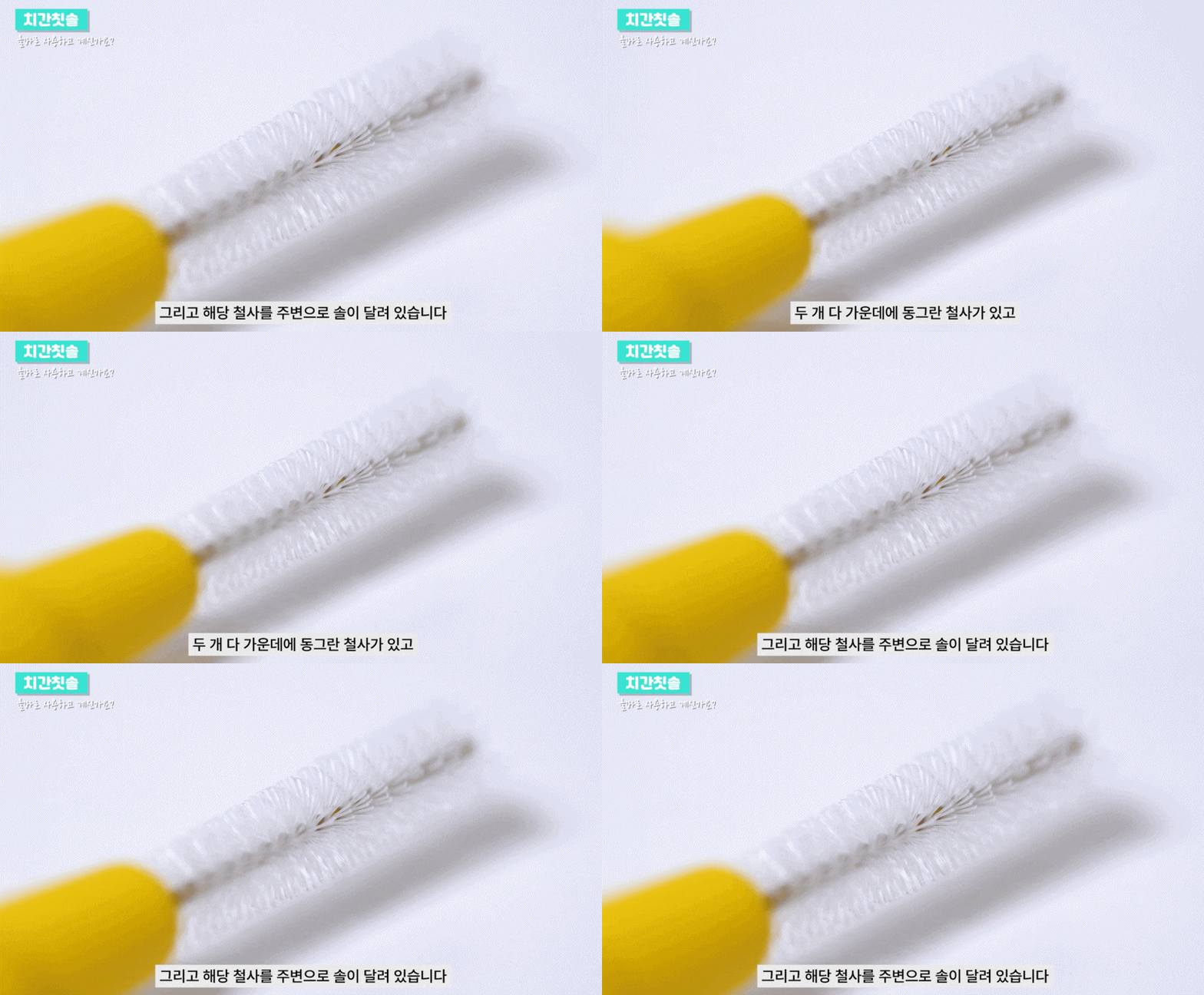
It is a small brush-shaped dental product designed to clean the spaces between teeth that a regular toothbrush cannot reach.
It is mainly used for preventing periodontal disease, during orthodontic treatment, and for implant care,
and is especially effective for people with wider spaces between teeth.


There are two types of interdental brushes:
straight and curved.
Use them differently depending on the position of the teeth.
<When an interdental brush is needed>
When the spaces between teeth are wide
When the gums have receded and the spaces between teeth have widened
During the prevention and treatment of periodontal disease
When using implants or bridges
When wearing orthodontic appliances
How to use interdental brushes properly
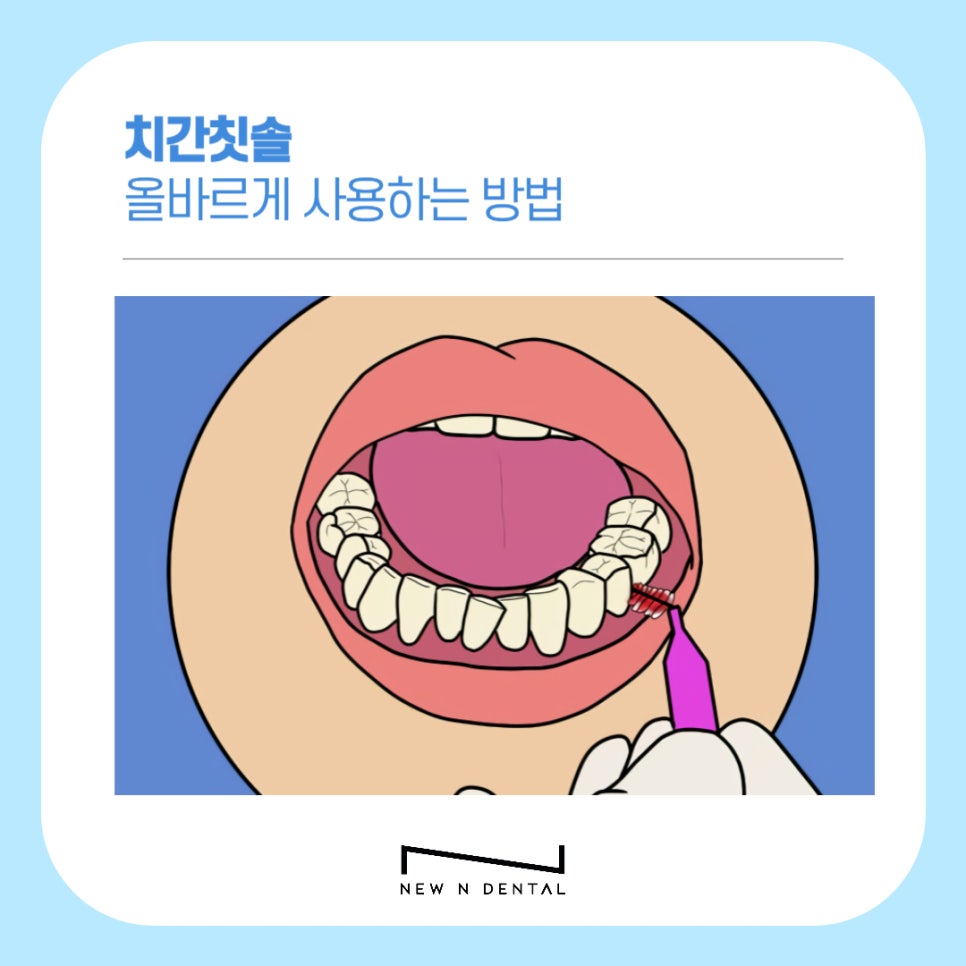
To use an interdental brush effectively, it is important to know the correct method.
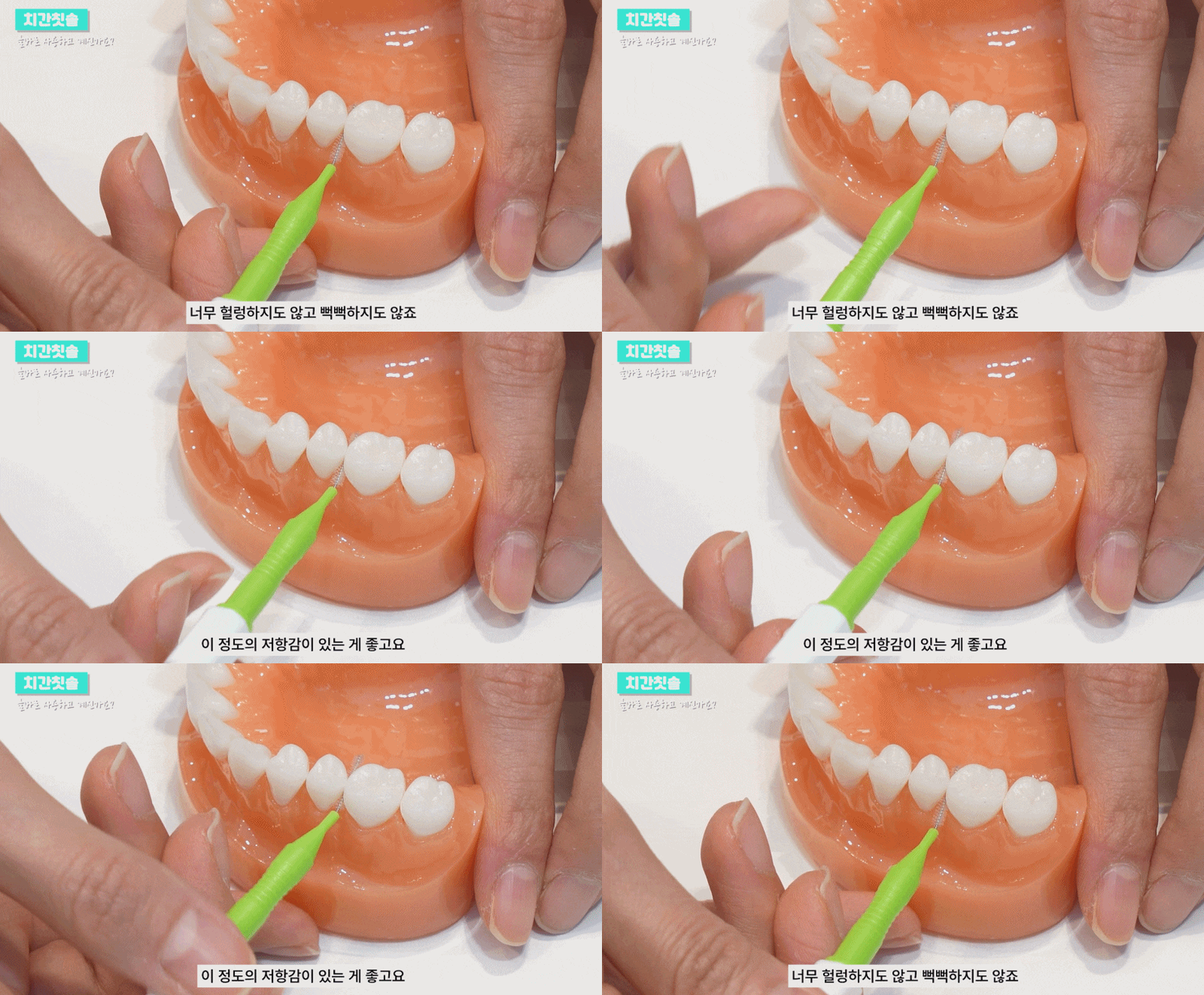
- Choose the right size interdental brush
Interdental brushes come in various sizes, so
it is important to choose a size that fits the spaces between your teeth.
If it is too large, it may irritate the gums,
and if it is too small, effective cleaning will be difficult.
If you are using one for the first time, it is best to consult a dental clinic about the proper size.
 2) Correct usage method
When using it for the first time, it is best to look in a mirror and check the spaces between your teeth.
Gently insert the interdental brush between the teeth.
Do not apply excessive force; slowly insert it to match the space between the teeth.
Move it gently back and forth
Move the interdental brush gently back and forth
2–3 times between the teeth to clean.
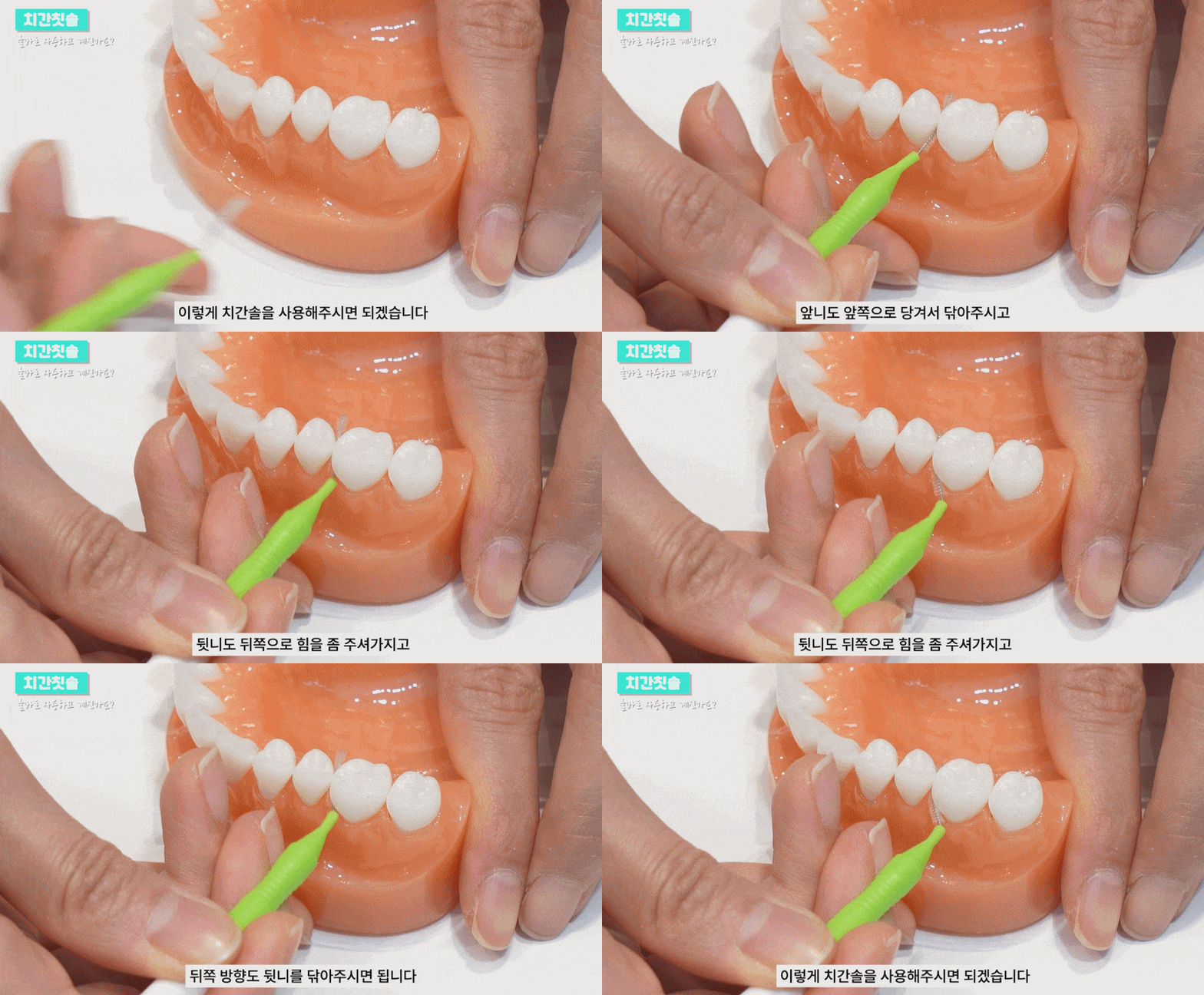
Since the purpose is to clean the spaces between teeth,
inserting it too deeply may damage the gums.
After use, rinse it thoroughly under running water and dry it to keep it hygienic.
- Use once or twice a day
An interdental brush is effective when used about once or twice a day,
especially at night before going to bed.
It can help prevent cavities and gum disease by removing plaque and
food particles that have built up between the teeth throughout the day.
Things to consider when choosing an interdental brush

If the gaps between the gums are not very wide, floss is recommended,
and if the gaps are wide, using an interdental brush is recommended.
- Brush size
When the spaces between teeth are wide → large size (XXL, XL, L)
When the spaces between teeth are average → medium size (M, S)
When the spaces between teeth are narrow → small size (SS, XS, XXS)
- Bristle material
Soft nylon material: suitable for people with sensitive gums
Silicone material: when gentle cleaning is needed to prevent periodontal disease
Metal wire type: strong durability and effective cleaning
- Handle convenience
A handle made of non-slip rubber is convenient to use
A rotating handle can improve convenience during use
Precautions when using interdental brushes
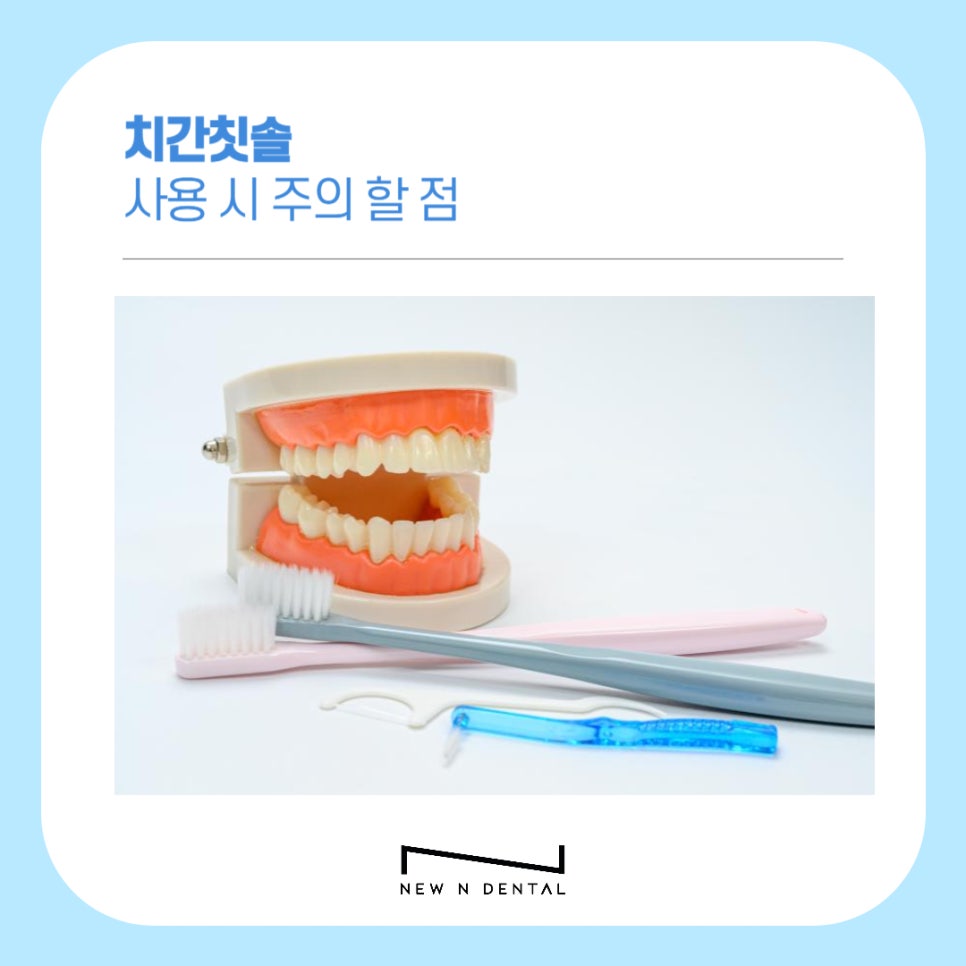
- Do not use excessive force
When using an interdental brush, pushing it in too forcefully can
damage the gums.
It is important to insert it gently and move it lightly.
- Use a size tailored to the individual
Because the space between teeth may vary from one area to another,
it is a good idea to prepare interdental brushes in several sizes and
use them according to the situation.
- Replace regularly
It is generally recommended to replace an interdental brush after 1–2 weeks of use.
If the brush becomes worn or deformed, its cleaning effectiveness decreases, so
make it a habit to replace it regularly.
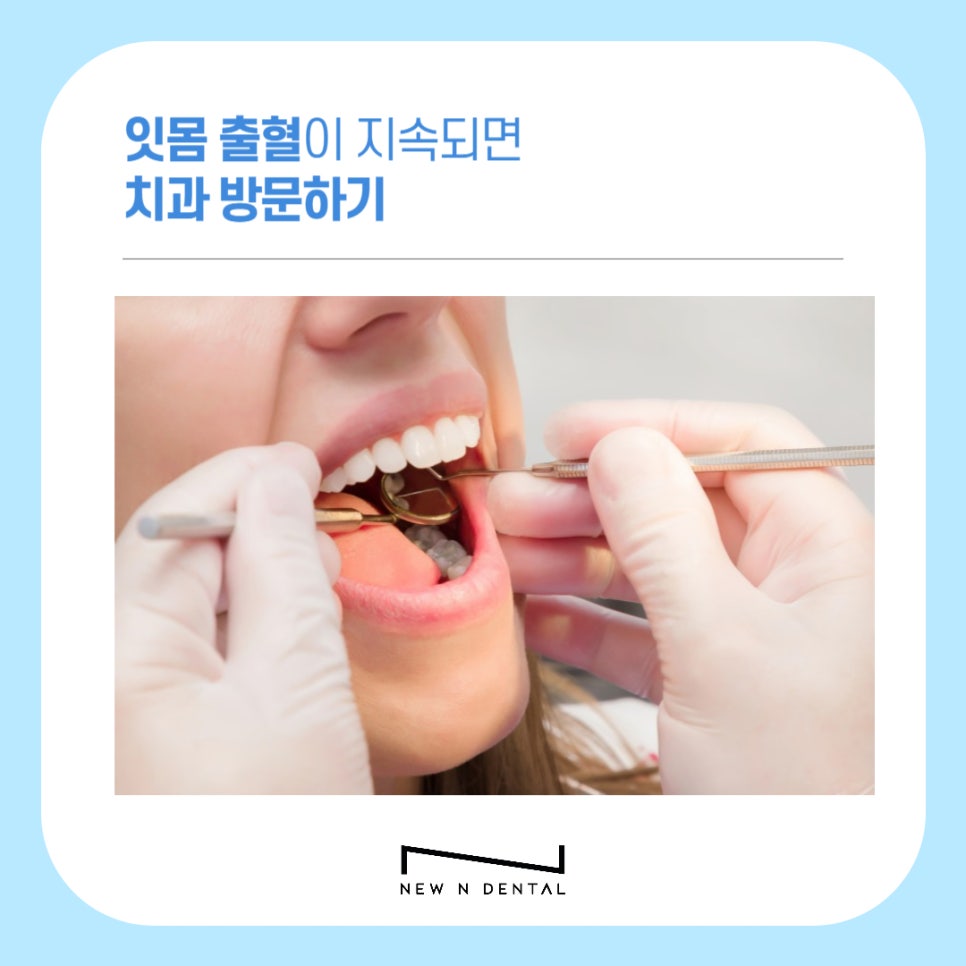
When using it for the first time, slight bleeding from the gums may occur.
This happens because there is inflammation in the gums, so if you continue using it,
the bleeding may stop after a week,
but
if bleeding continues, you should visit a dental clinic for a consultation.
This is because periodontal disease may be progressing.
Comparison of interdental brushes and other oral hygiene tools
| Oral care tool | Purpose of use | Advantages | Disadvantages |
|---|
| Regular toothbrush | Cleaning tooth surfaces | Daily cleaning is possible | Difficult to clean between teeth |
| Interdental brush | Removing plaque between teeth | Can clean even the spaces between teeth | Difficult to use if the spaces are narrow |
| Floss | Can also clean narrow spaces | | Difficult if you are not used to the method |
| Waterpik (oral irrigator) | Massaging teeth and gums | More convenient than floss and provides gum massage effect | Less portable and more expensive |

If used correctly, interdental brushes are an important oral hygiene tool that can greatly help prevent cavities and periodontal disease.
Choose the size that suits you, learn the correct way to use it,
and use it consistently once or twice a day.
Also, make it a habit to check your dental health through regular dental checkups.
Use interdental brushes correctly to keep your teeth healthier and cleaner.
If you have any questions, leave them in the comments. Thank you^^










Previous image
Next image










Previous image
Next image
#interdentalbrush #dentalcare #NueonDentalClinic