강남 임플란트 주위염
Causes, Symptoms, and Prevention
Hello. This is Gangnam Nuen Dental Clinic.
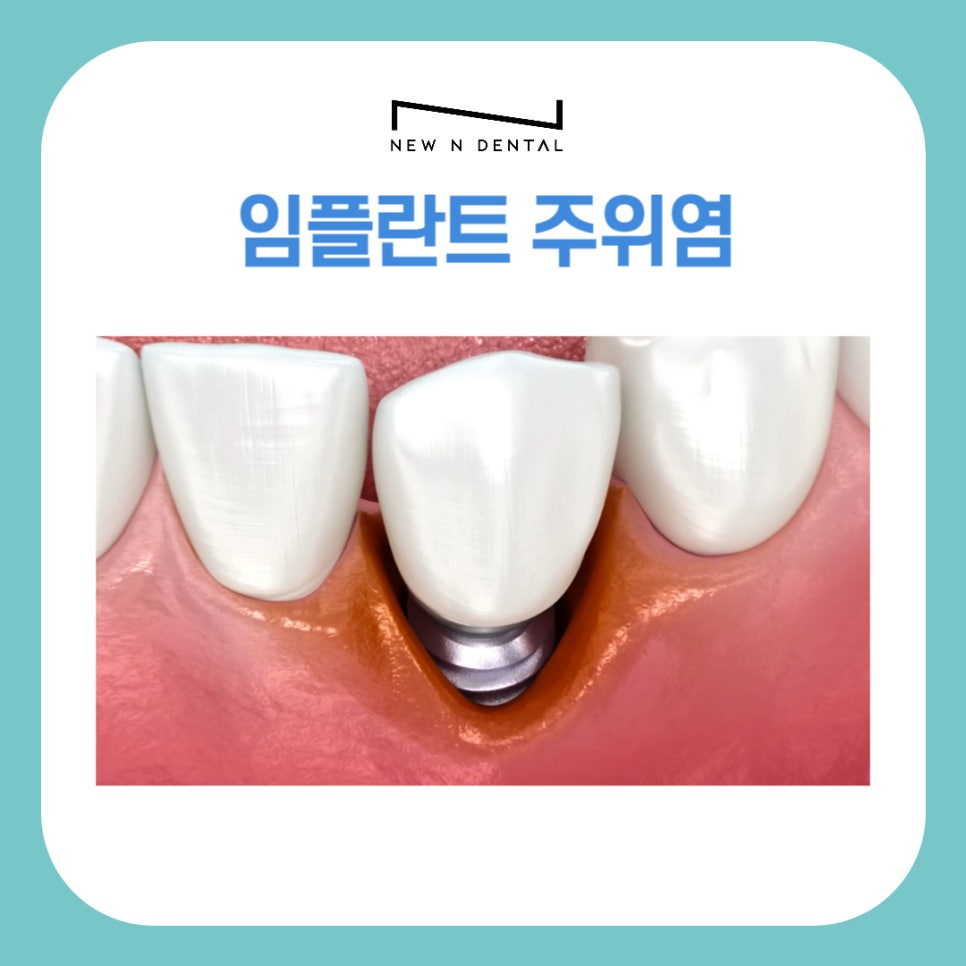
Peri-implantitis is a condition in which inflammation develops in the gums and alveolar bone around an implant.
Although implants have become an effective way to replace natural teeth,
if thorough care does not follow after the procedure,
bacteria can multiply around the implant and cause gum inflammation.
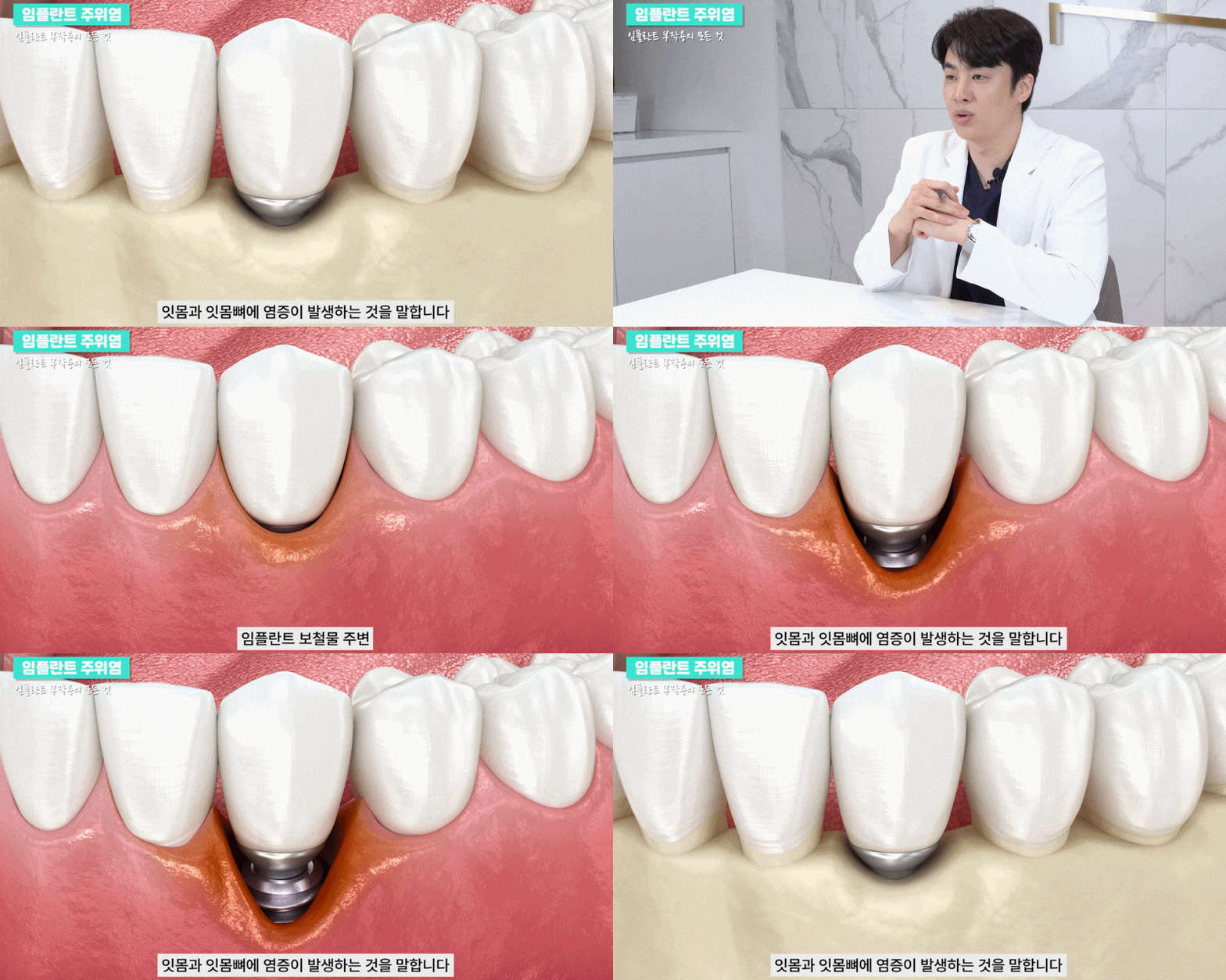
It may begin with mild symptoms such as pain or bleeding,
but if the inflammation progresses to the alveolar bone, the bone tissue supporting the implant is eventually destroyed,
which can cause the implant to loosen or, in severe cases, fall out.
To use implants healthily for a long time,
you need to understand in advance the causes, symptoms, and prevention of peri-implantitis
and receive regular care.
Causes of Peri-Implantitis
What causes peri-implantitis?
There are various reasons.
Let me explain them one by one.
Poor oral hygiene management
The biggest cause is insufficient brushing and oral cleanliness management, which allows bacteria to accumulate.
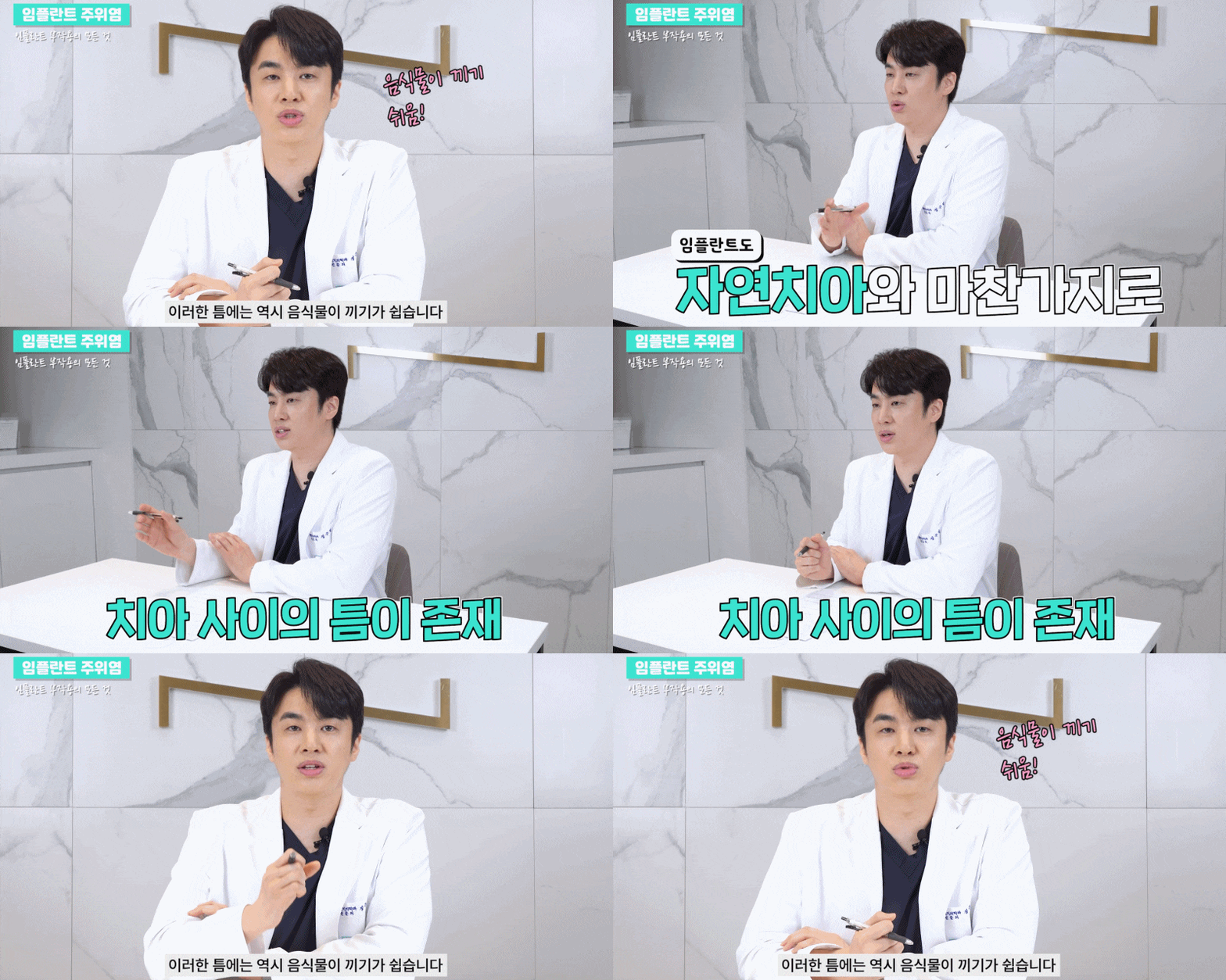 A buildup of plaque in tiny spaces between the implant and gums or between teeth can easily lead to inflammation.
Lack of regular checkups and professional care
After receiving an implant, it is advisable to visit the dental clinic at least every 6 months to check your oral condition
and receive professional care such as scaling.
If you neglect this, it becomes difficult to detect problem areas early,
and the risk of inflammation worsening increases.
Excessive bite force or bite imbalance
When force beyond the normal range is repeatedly applied to an implant, it places strain on the gums and bone tissue.
In particular, if you clench your teeth or grind them severely, a dental consultation for bite adjustment is essential.
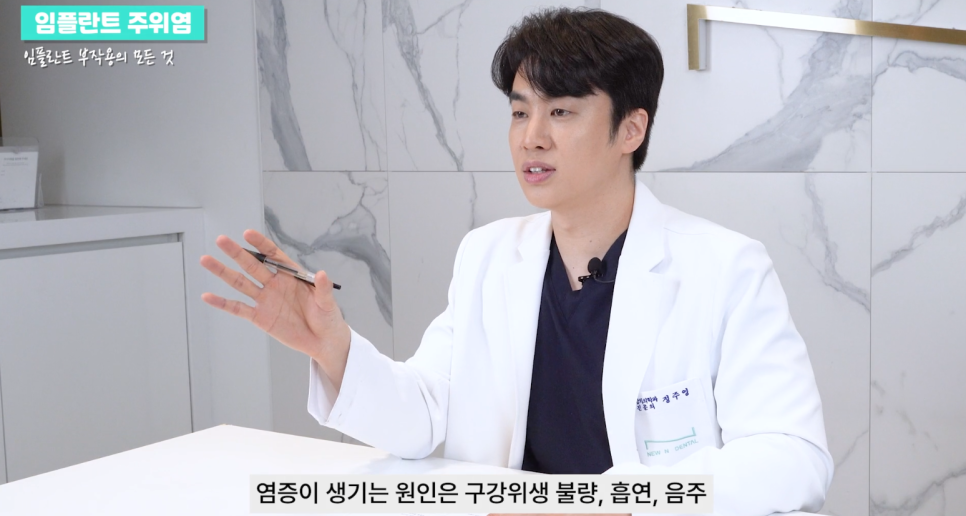
Smoking and systemic disease
Smoking causes blood vessels to constrict, reducing blood flow in the mouth,
and may promote bacterial growth.
If you have a systemic disease such as diabetes, lowered immunity can make inflammation progress more quickly
or delay treatment.
Symptoms of Peri-Implantitis
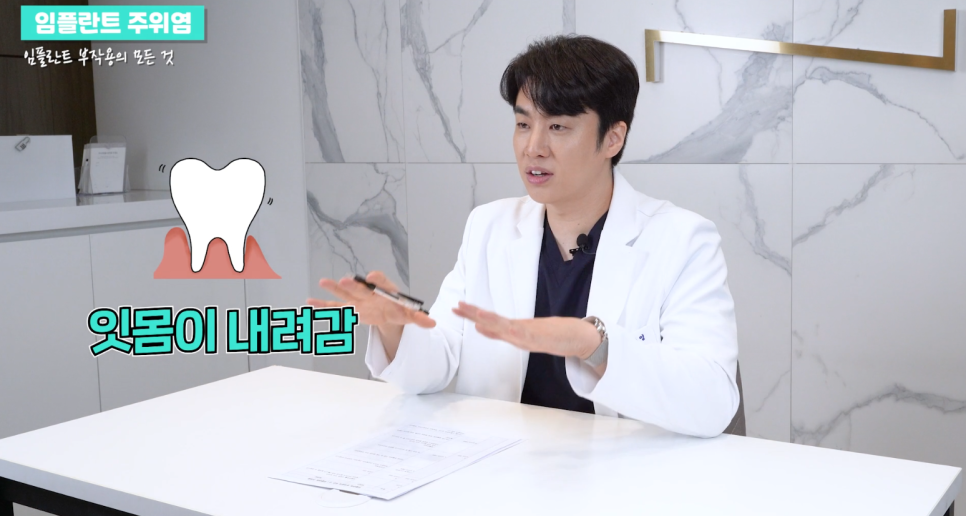
Gum bleeding and pain
You may notice bleeding when brushing your teeth or a sore feeling in the gums.
In the early stages, pain may be slight or absent,
but if left unattended, the inflammation expands, the gums swell, and the pain gradually worsens.
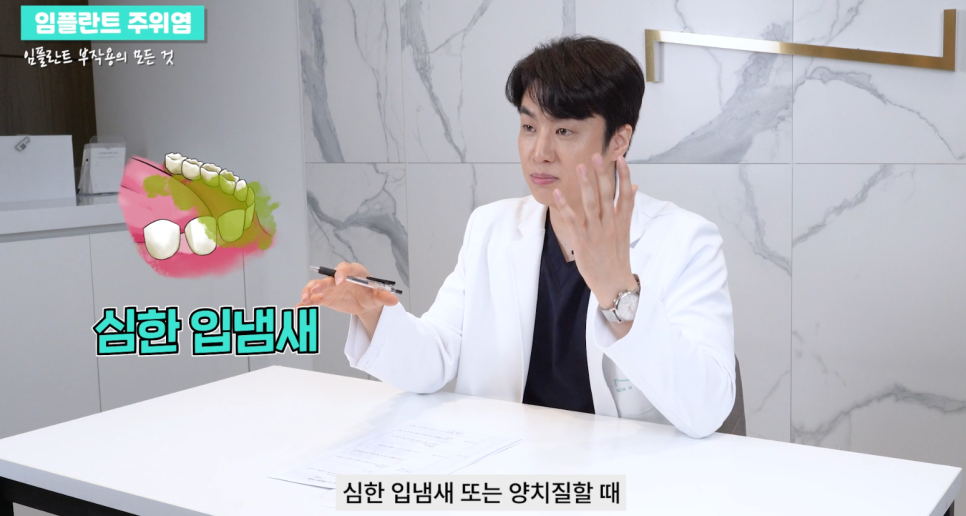
Gum swelling and discoloration
As the inflammation progresses, the gums may swell and turn red,
and in severe cases, pus may be visible.
Pressing on the area may cause pain, and the inflamed area may feel soft.
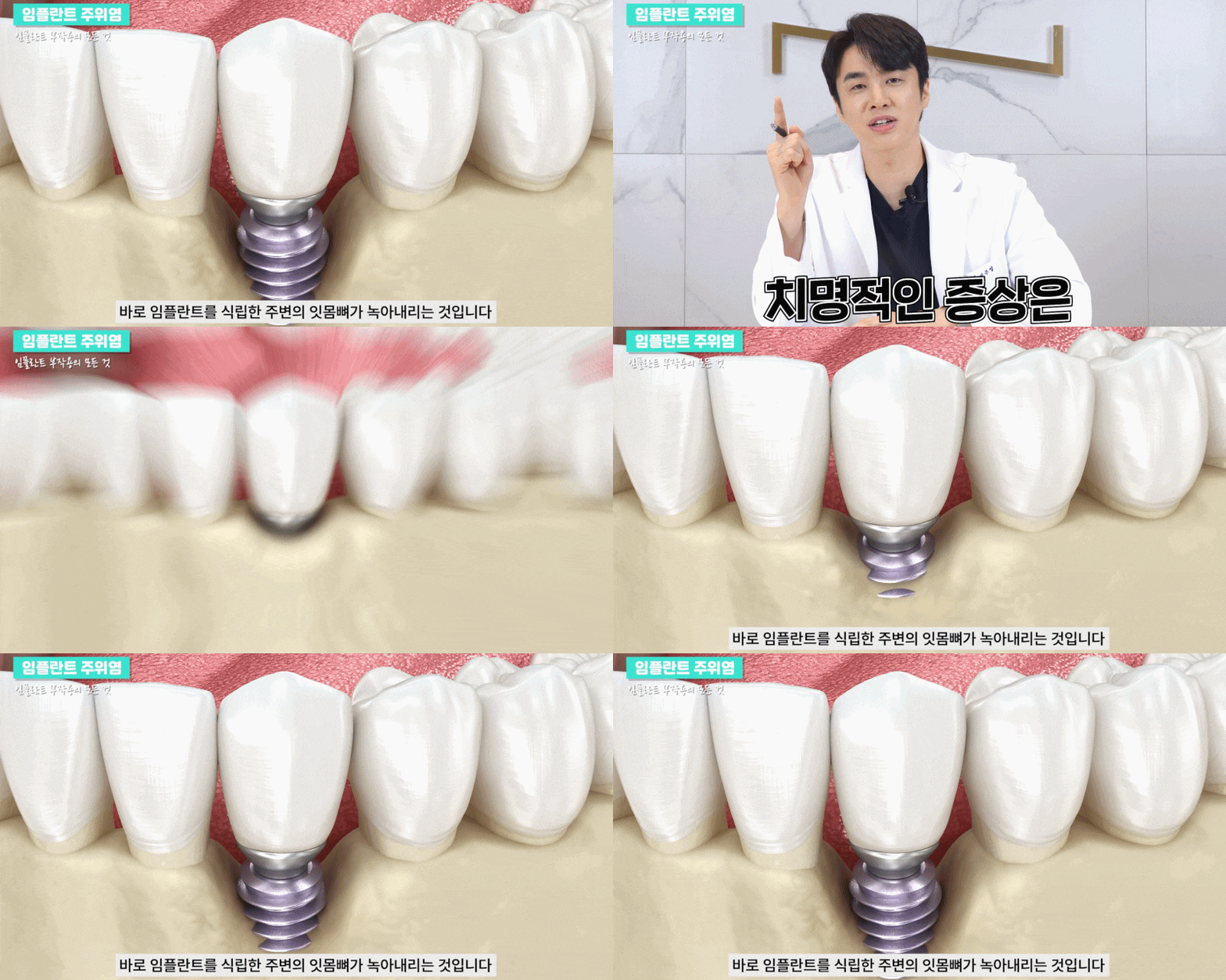
Loose implant
When the alveolar bone supporting the implant is damaged
and stability decreases, loosening occurs.
At this point, the condition is very advanced, so you should visit a dental clinic as soon as possible for treatment.
If you miss the right time for treatment, re-treatment or implant removal may become unavoidable.
Peri-Implantitis Prevention
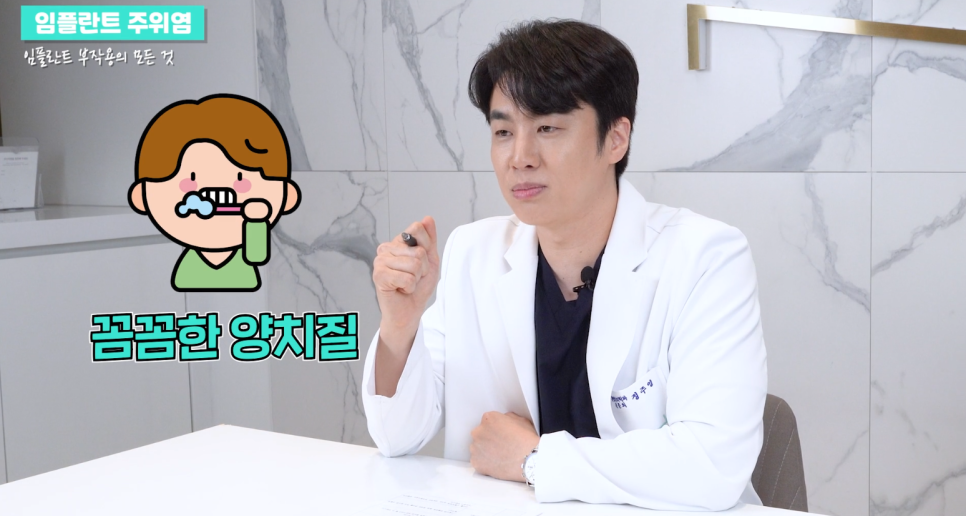
Thorough oral hygiene management
Please brush your teeth three times a day, within 3 minutes after meals.
Use a small-head toothbrush, an electric toothbrush, floss, and interdental brushes
to carefully clean even around the implant.
If you do not have enough brushing time or your habits are not correct,
plaque can easily build up on tooth surfaces and around the implant.
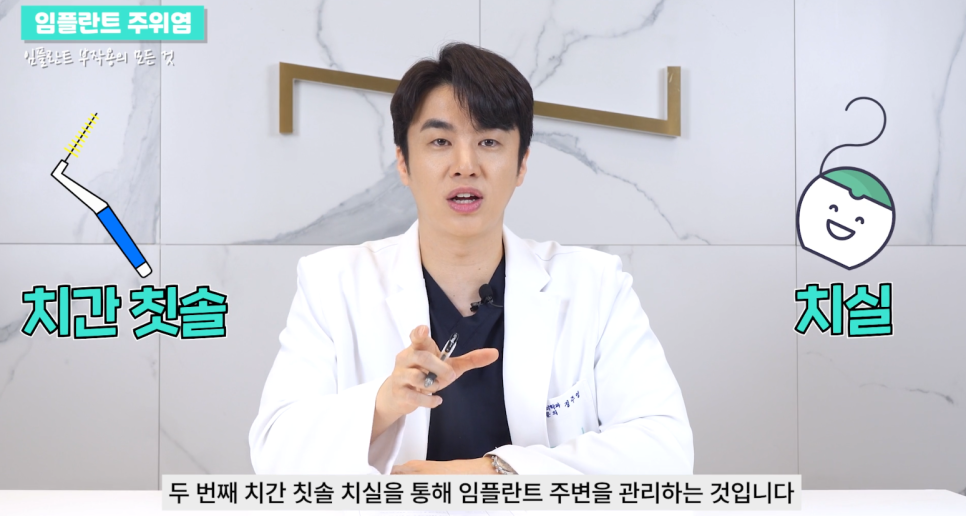
Manage the area around the implant with interdental brushes and floss
When a tooth is lost, the jawbone may lower to some extent,
which creates more space between prosthetic restorations.
Food particles that cannot be removed by brushing
must be managed with interdental brushes or floss to prevent inflammation.
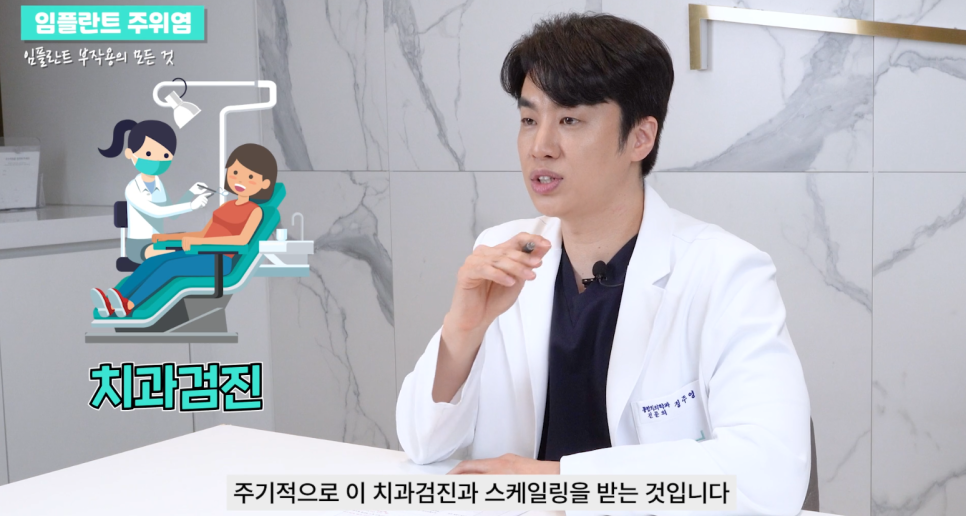
Regular scaling and professional examinations
Having scaling at 6-month intervals, or according to the schedule recommended by the dental clinic,
can effectively prevent the accumulation of plaque and tartar.
Through regular checkups, early inflammation or subtle bone loss can be identified quickly,
so that you do not miss the right time for treatment.
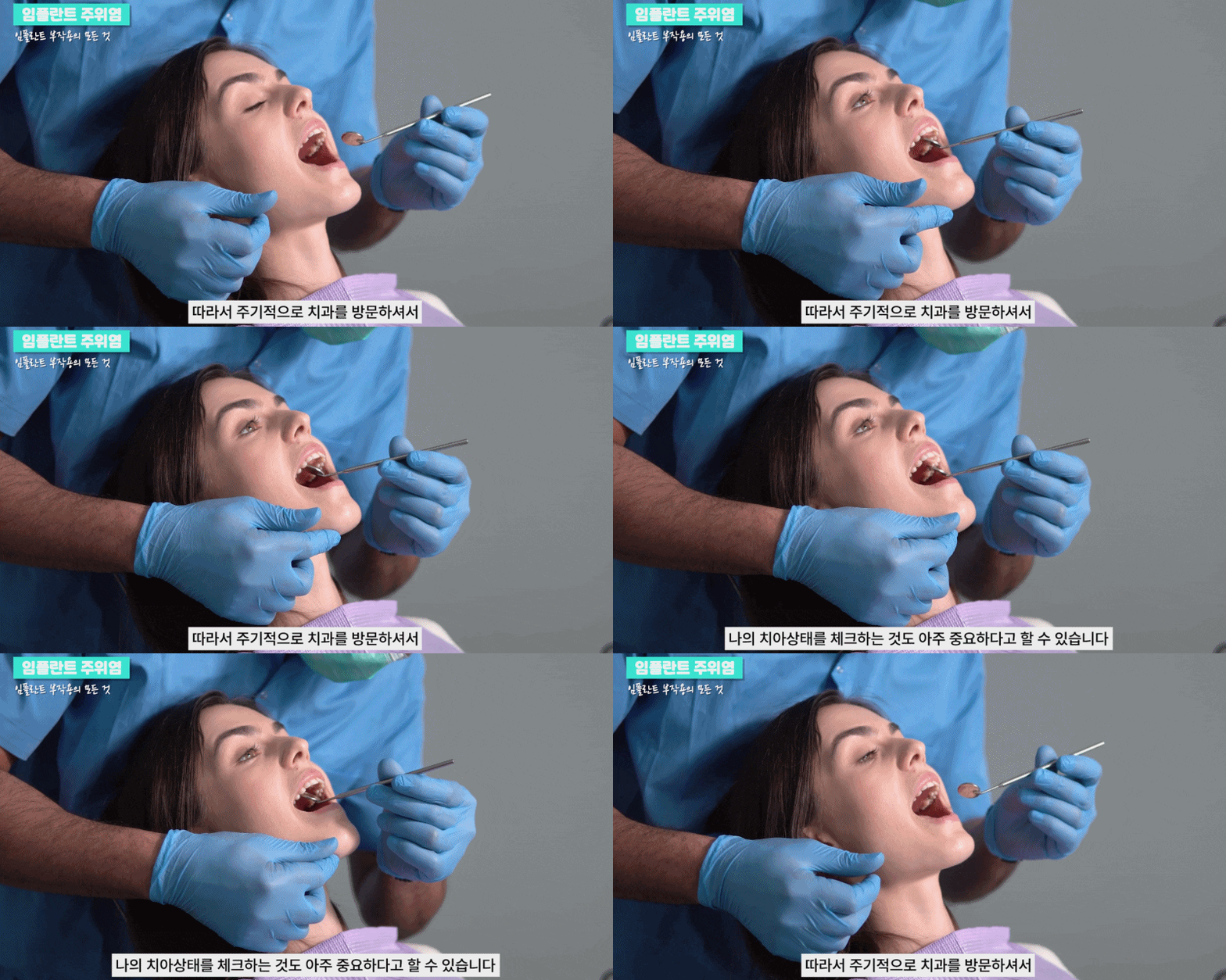
Peri-implantitis is not something you should only pay attention to after the procedure;
it is also important to develop the habit of checking and improving overall oral health from before the procedure.
If there is inflammation in the gums, it is safer to treat it first
and then proceed with the implant placement,
and if there is tooth decay, it is ideal to address that first.
After the procedure, regular checkups and scaling should be used to continually check for
inflammation or plaque buildup around the implant.
Because early diagnosis and proper treatment are most important for peri-implantitis,
if even minor symptoms occur, it is best not to delay and to visit the dental clinic.
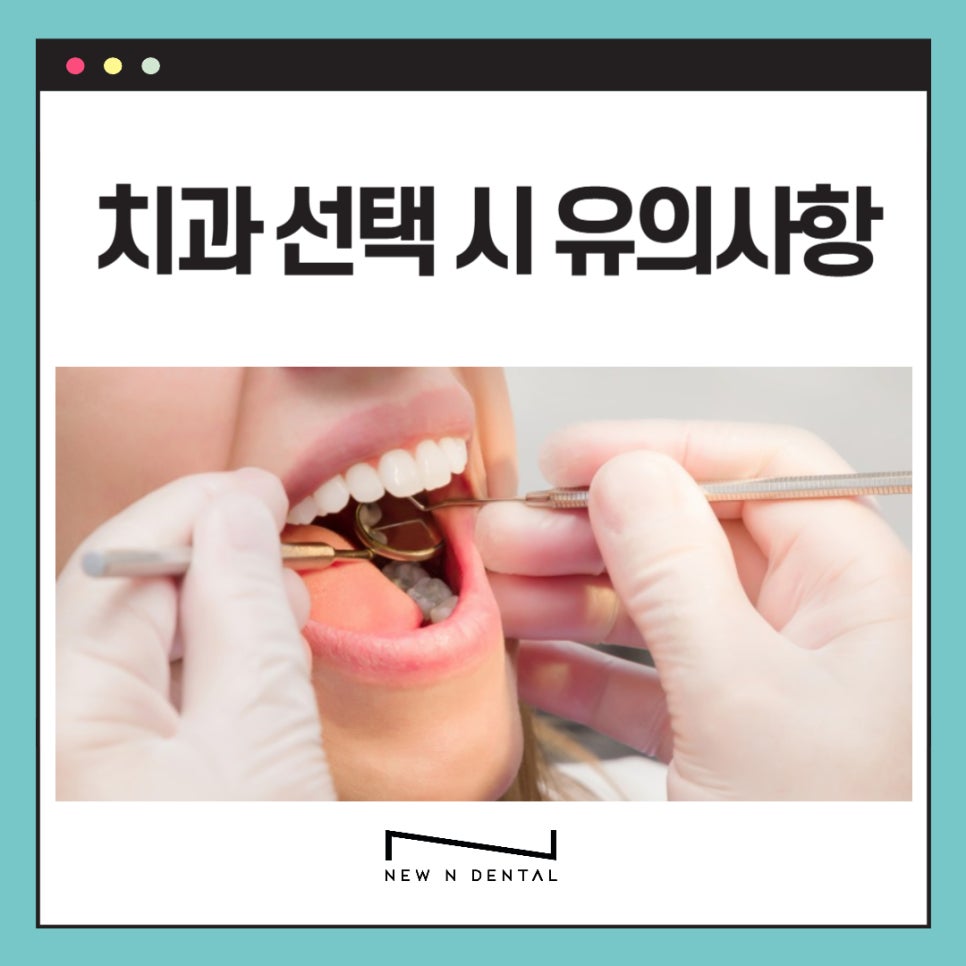
Implant expertise and extensive clinical experience
Choosing a dental clinic with extensive implant experience means better ability to respond to unexpected situations and more systematic aftercare.
Also, check whether it is backed by specialized equipment and know-how.
Regular checkups and aftercare program
To keep implants for a long time, consistent follow-up after the procedure is essential.
It is good to look at how the dental clinic handles regular checkups and aftercare,
and what kind of education and support patients can receive.
Facility and infection control system
Infection control is a factor directly linked to the success of implant surgery.
Choose a dental clinic equipped with infrastructure for accurate diagnosis and safe surgery,
such as sterilization and disinfection systems, 3D CT, and digital equipment.
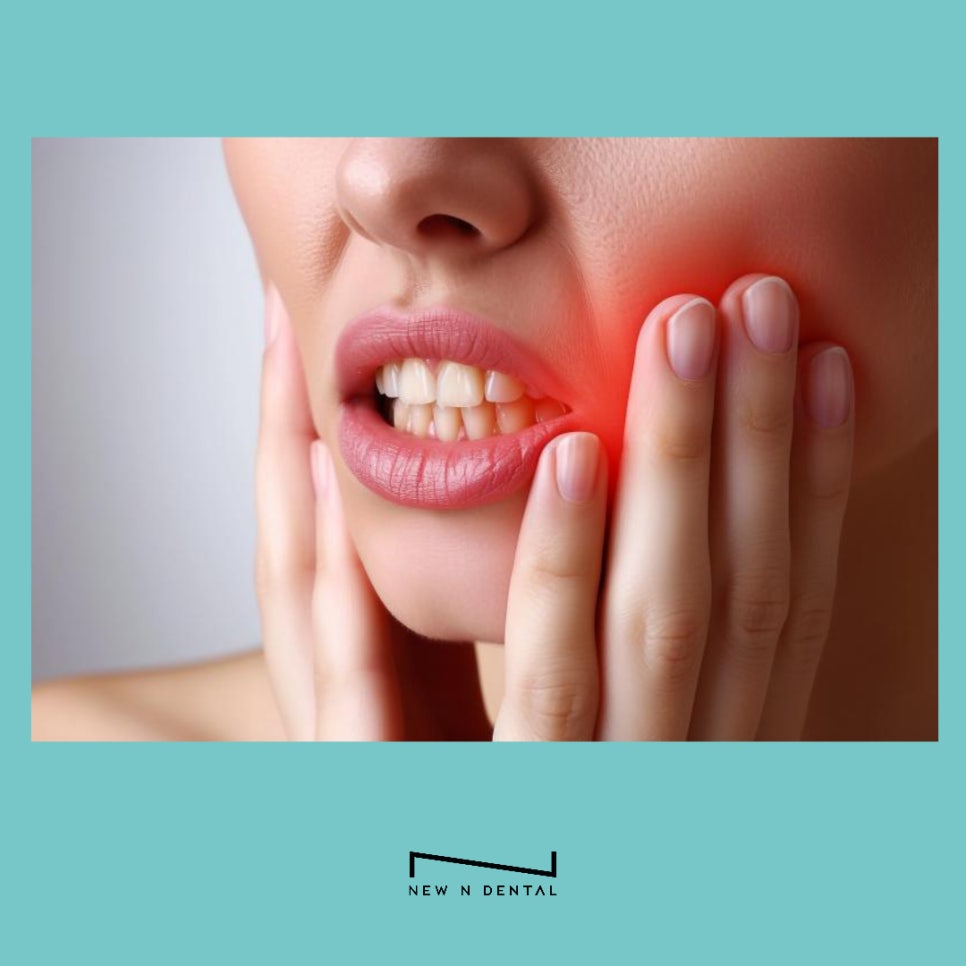
This is a condition that can be sufficiently prevented through thorough oral hygiene and regular checkups.
If you feel even a slight abnormal symptom such as pain, bleeding, or swollen gums,
consult a dental specialist experienced in Gangnam peri-implantitis
you should receive treatment early.
If you miss the timing, the inflammation may spread significantly, making it necessary to remove the implant
or undergo retreatment, so please keep this in mind.









 Previous image
Next image
Previous image
Next image










Previous image
Next image
#PeriImplantitis #NuenDentalClinic #Implant #GangnamNuenDentalClinic #GangnamPeriImplantitis