Bone Graft Implants
A Complete Solution for Concerns About Insufficient Jawbone
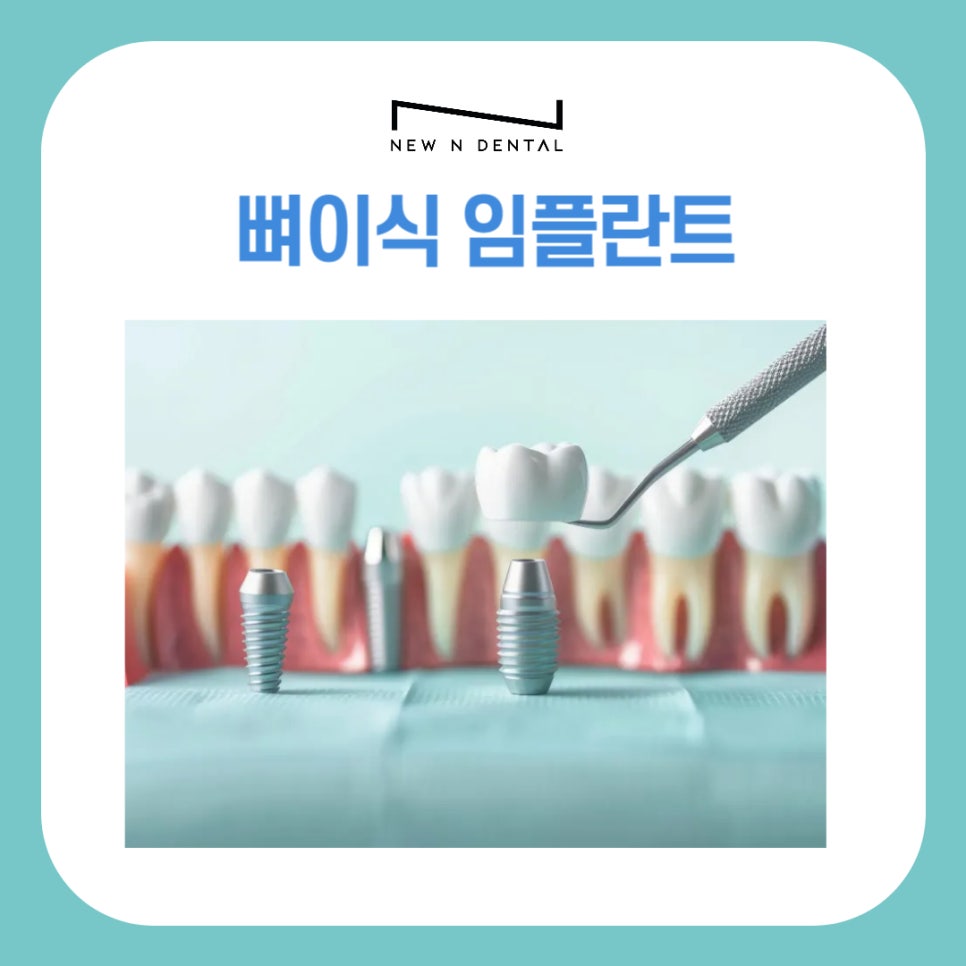
Hello, this is Gangnam Newn Dental Clinic.
Today, we’ll take a look at bone graft implants, which many people are curious about.
To place an implant in an area where a tooth has been lost, a strong jawbone is essential.
If there is not enough bone, a grafting procedure is needed.
Below, we’ll explain the concept of bone graft implants, the treatment process,
and precautions in detail.
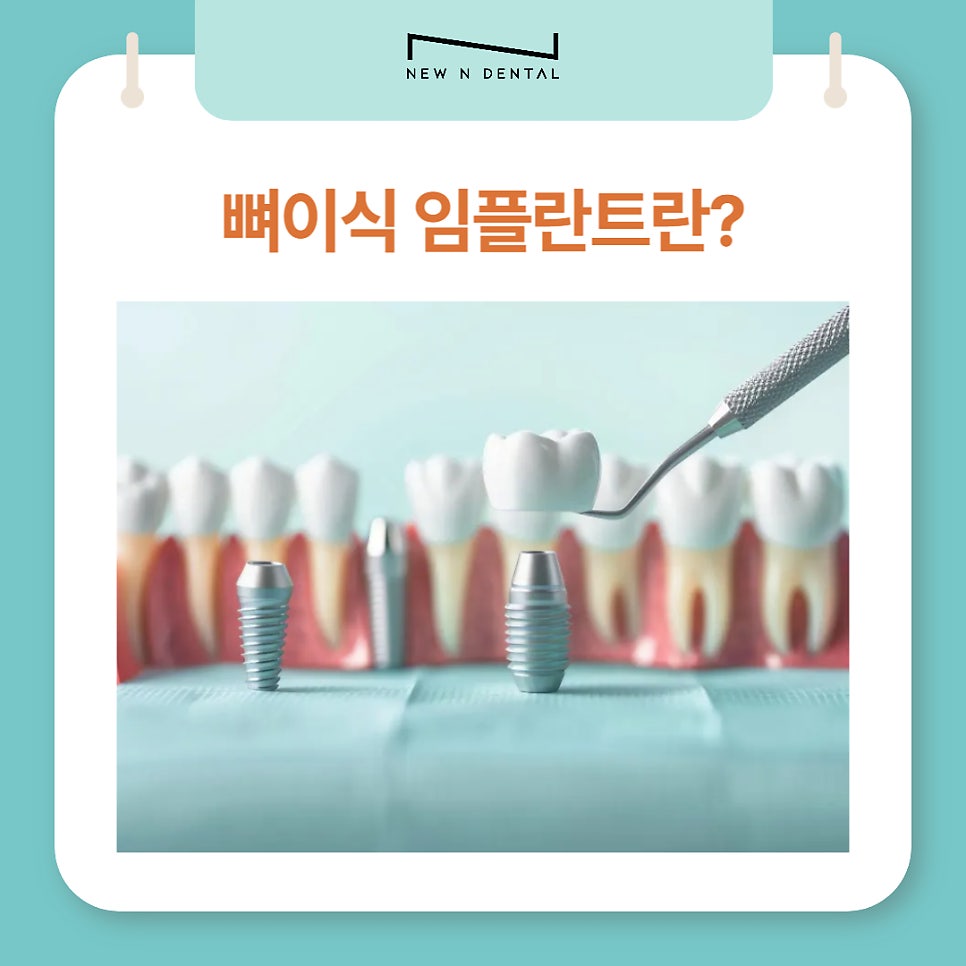
A bone graft implant is a procedure that supplements insufficient bone before placing an artificial tooth (implant)
in an area where the alveolar bone (jawbone) is lacking.
Since a sufficient amount of alveolar bone is necessary for the implant to be firmly fixed,
this can be considered an important step that increases the success rate of the procedure.
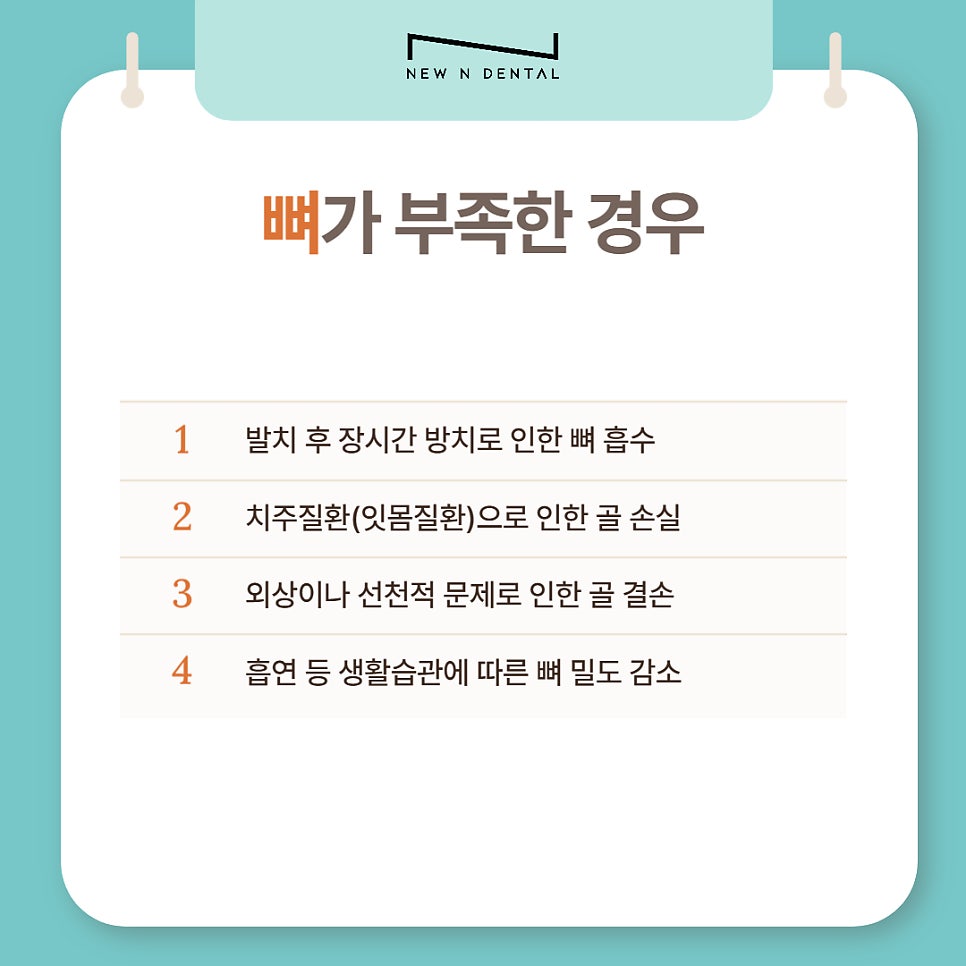
● Bone resorption caused by leaving a tooth extracted for a long time
● Bone loss caused by periodontal disease (gum disease)
● Bone defects caused by trauma or congenital problems
● Reduced bone density due to lifestyle factors such as smoking
When Bone Grafting Is Needed
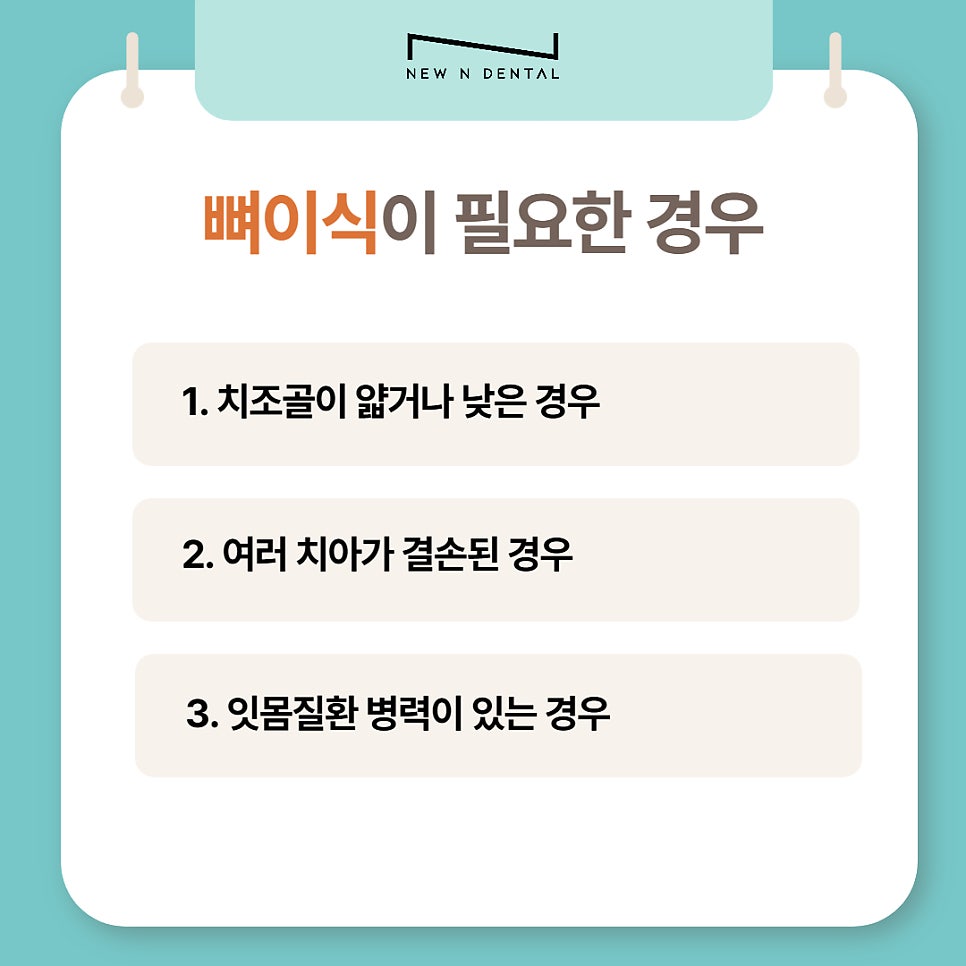
- When the alveolar bone is thin or low
If there is not enough bone, the implant may become unstable,
and the chance of treatment failure may increase.
- When multiple teeth are missing
If several teeth are missing, the rate of bone resorption may be faster,
so bone grafting before implant placement is often essential.
- When there is a history of gum disease
For patients who have already lost jawbone due to periodontal disease,
bone grafting may be needed before implant placement.
Types of Bone Graft Materials
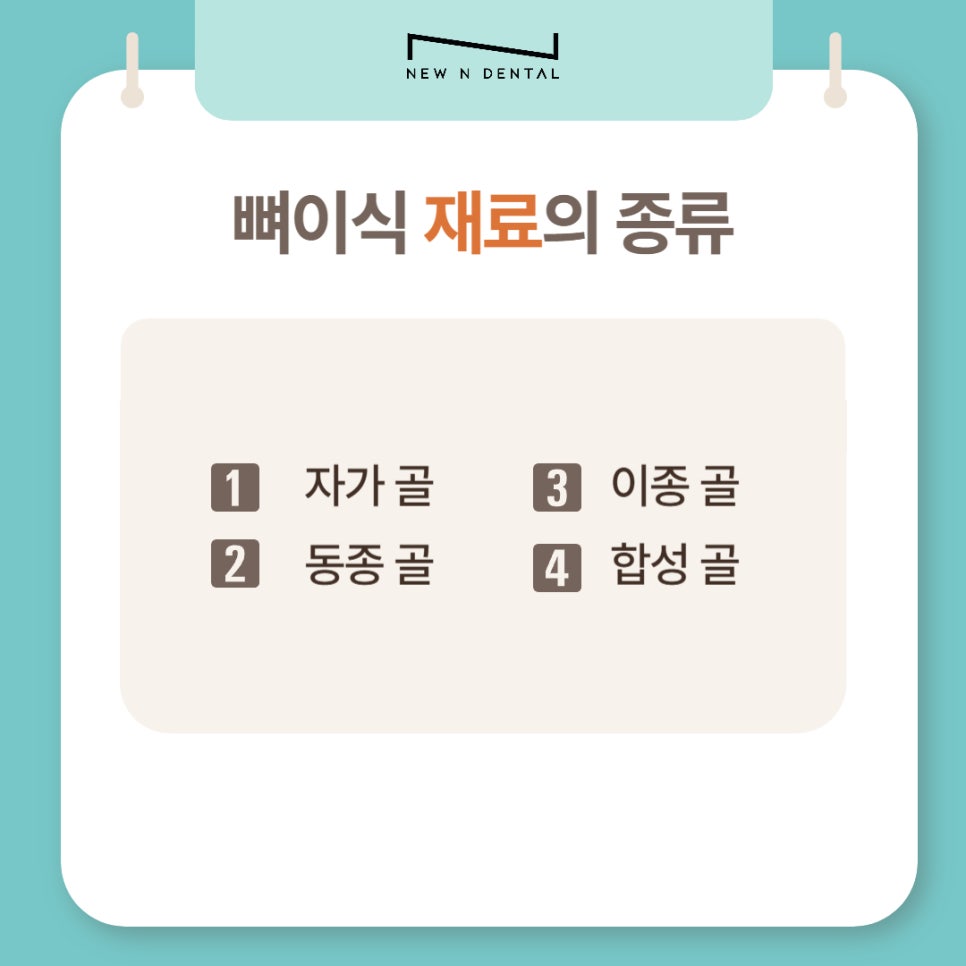
- Autograft
This method uses the patient’s own bone, usually from the jawbone or pelvic bone.
It has almost no rejection response and a high success rate,
but it has the drawback of requiring an additional surgical site.
- Allograft
This method uses bone provided by a human bone bank.
It places less burden on the patient than an autograft,
but it may take somewhat longer for the bone to integrate.
- Xenograft
Animal bone from cows or pigs is purified and sterilized for use.
It is relatively inexpensive and the procedure is fairly simple, so it is widely used.
- Alloplastic Graft
This is a bone material made from synthetic artificial substances.
It can be mass-produced, allowing for stable supply,
and it carries a relatively low risk of infection.
Gangnam Newn Dental Clinic Bone Graft Implant Procedure
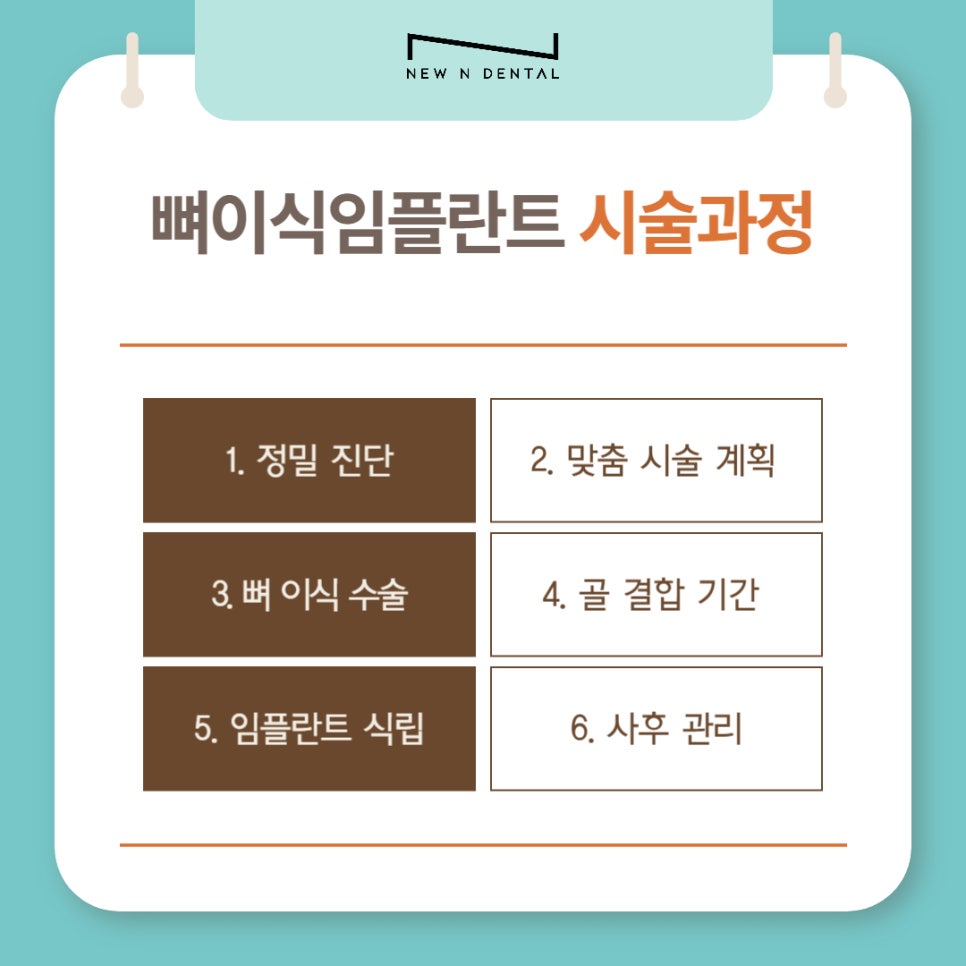
- Precise diagnosis
Using X-rays, CT scans, and other tools,
the condition of the alveolar bone and gum health is accurately assessed.
- Customized treatment plan
Based on the patient’s bone condition, overall health, budget, and other factors,
the graft material and treatment scope are determined.
- Bone graft surgery
The selected material is placed into the deficient area,
and if necessary, a sinus lift may be performed at the same time.
- Bone integration period
Wait about 3 to 6 months until the grafted bone firmly integrates with the existing bone.
- Implant placement
Once sufficient integration has taken place, the implant fixture (post) is placed,
followed by an additional healing period.
- Aftercare
The final prosthetic restoration is attached to the implant,
and afterward, it can be maintained for a long time through regular checkups and oral care.
Advantages and Disadvantages of Bone Graft Implants
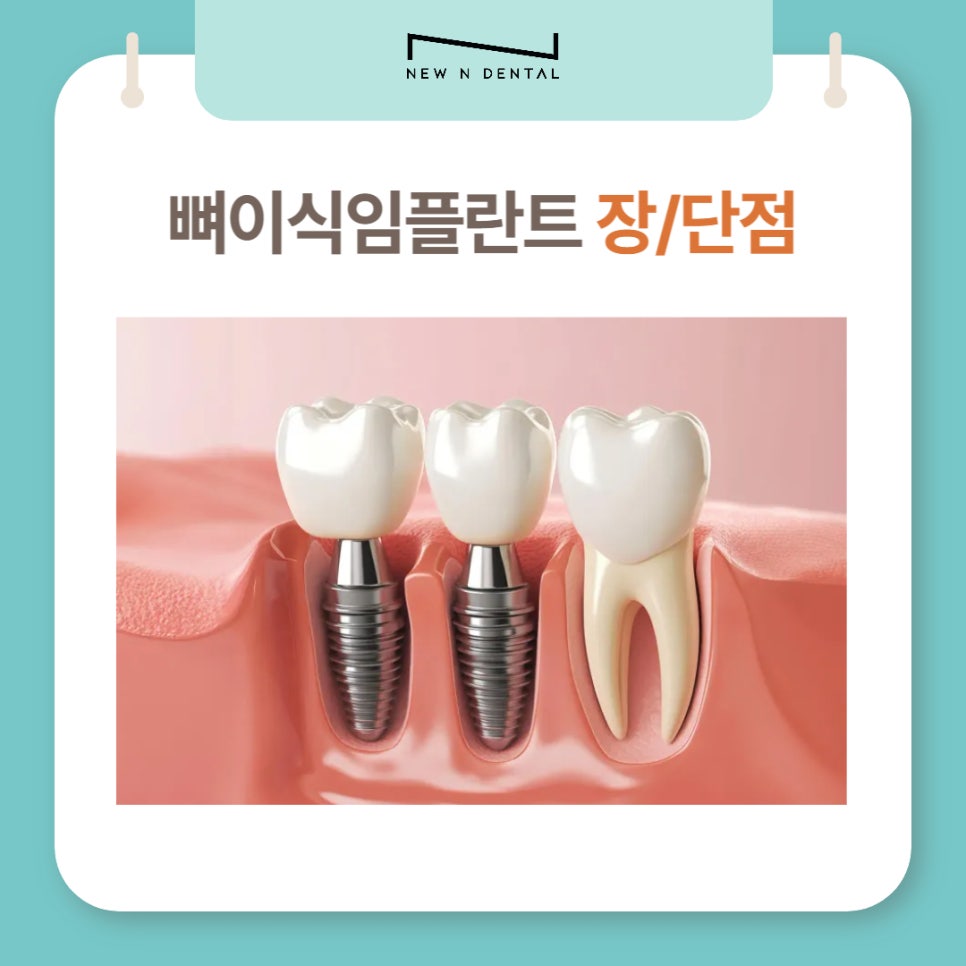
<Advantages>
Stable placement
Because sufficient bone support is ensured, the success rate and lifespan of the implant increase.
Aesthetic improvement
It reduces gum recession and creates a natural-looking tooth line.
Comfortable chewing function
A firmly positioned implant, like a natural tooth,
allows you to enjoy a variety of foods comfortably.
<Disadvantages>
Burden of an additional surgery
When bone grafting is needed before implant placement,
the number of treatment steps increases and the recovery period may become longer.
Higher cost
Because material and procedure costs for bone grafting are added,
the total cost may be higher than that of a standard implant.
Possible complications
In rare cases, infection at the graft site, inflammation, or bone resorption may occur,
so proper management is important.
Frequently Asked Questions (FAQ)
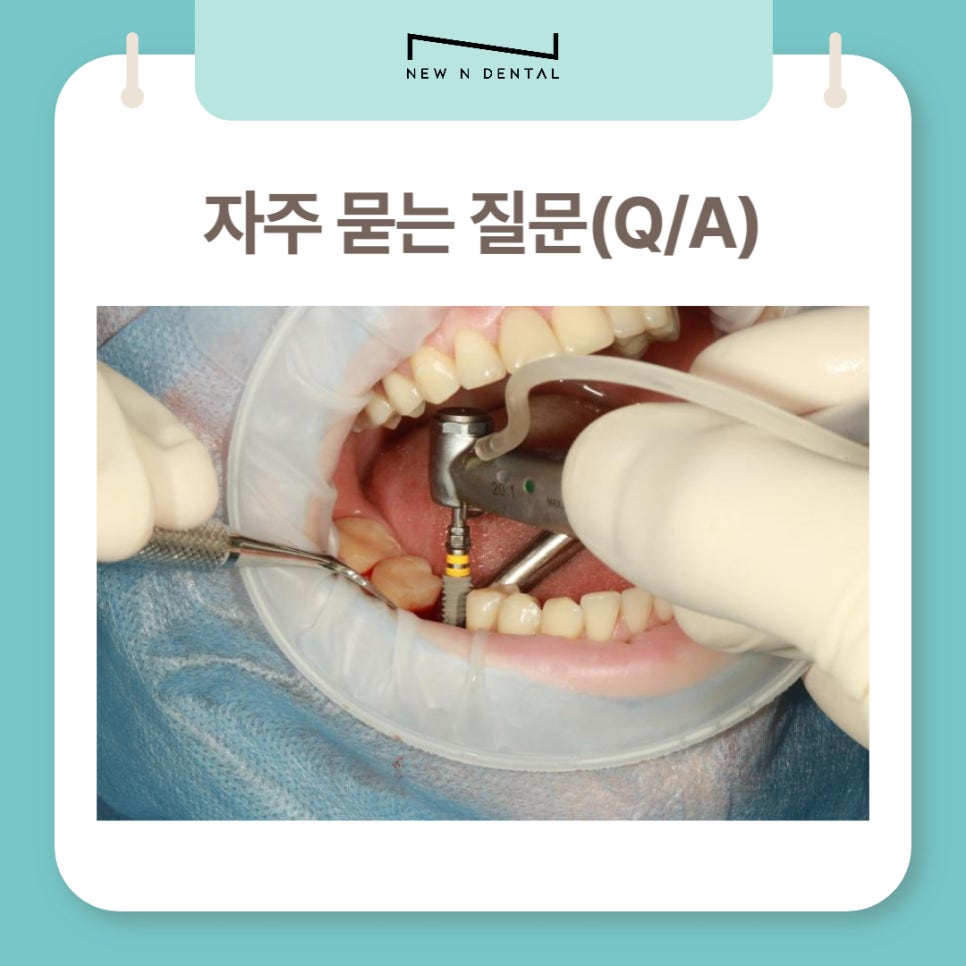
Q. Is bone grafting always necessary?
A. If there is insufficient bone when placing an implant,
the risk of failure due to instability increases.
It is best to proceed when needed based on a precise examination.
Q. Is the pain severe after the procedure?
A. Usually, mild pain and swelling may occur,
but they can be relieved by taking the prescribed medication and using cold compresses.
If the pain becomes severe, contact the dental clinic immediately.
Q. How long does it take until implant placement?
A. After bone grafting, a bone integration period of about 3 to 6 months is needed,
and after implant placement, another healing period is also required.
The exact duration varies depending on each person’s condition.











Previous image
Next image










Previous image
Next image
#뼈이식임플란트 #뉴엔치과 #강남뉴엔치과 #잇몸뼈부족