Gangnam implant costs for those 65 and older
Health insurance coverage conditions
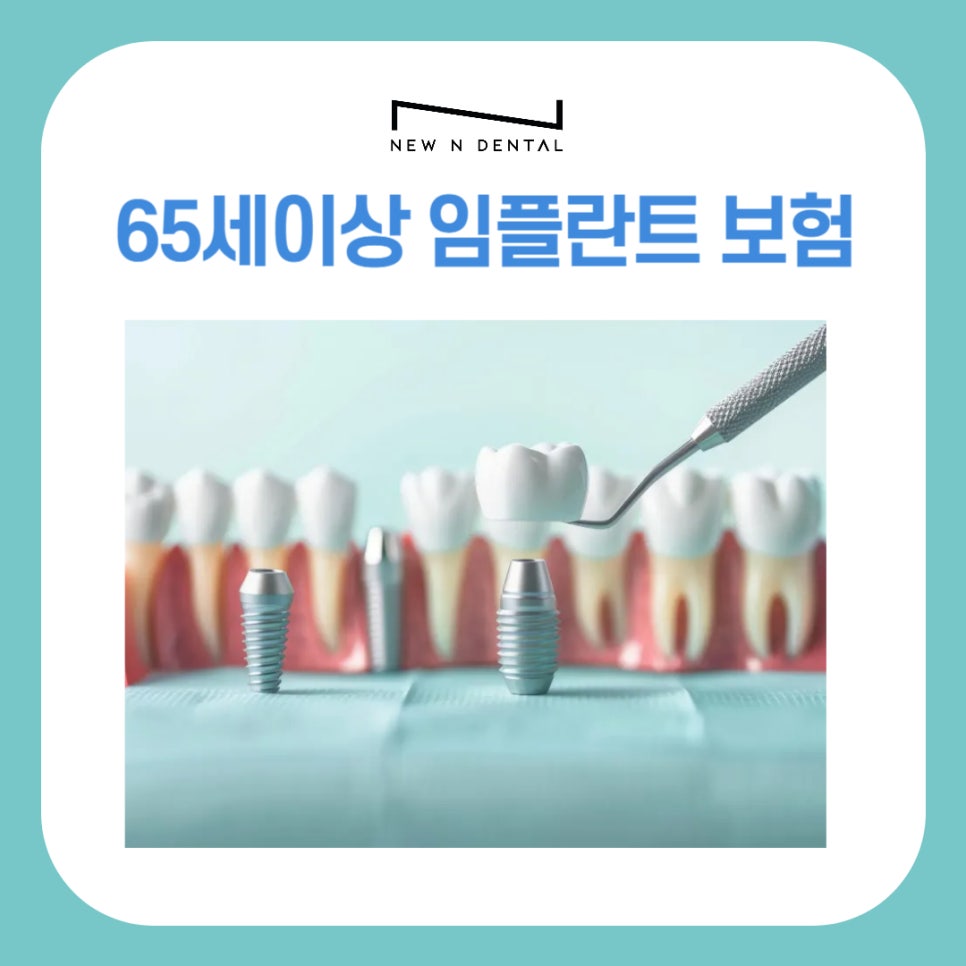
Hello, this is Nuen Dental Clinic.
For seniors aged 65 and older, teeth are more than just a matter of oral care;
they are an important factor that affects overall quality of life.
When teeth are lost, it can cause inconvenience from meals to speech,
and because nutrition intake may become difficult, it can also negatively affect overall health.
To address these issues, many people consider implant treatment.
Are there implant benefits for people aged 65 and older?
"How do implant types and prices differ?" is a question many people ask.
In this post, we will explain the health insurance benefits for implants for those 65 and older, implant types, prices,
and management methods before and after treatment so that they can be helpful to you.
Benefits of implants for those 65 and older
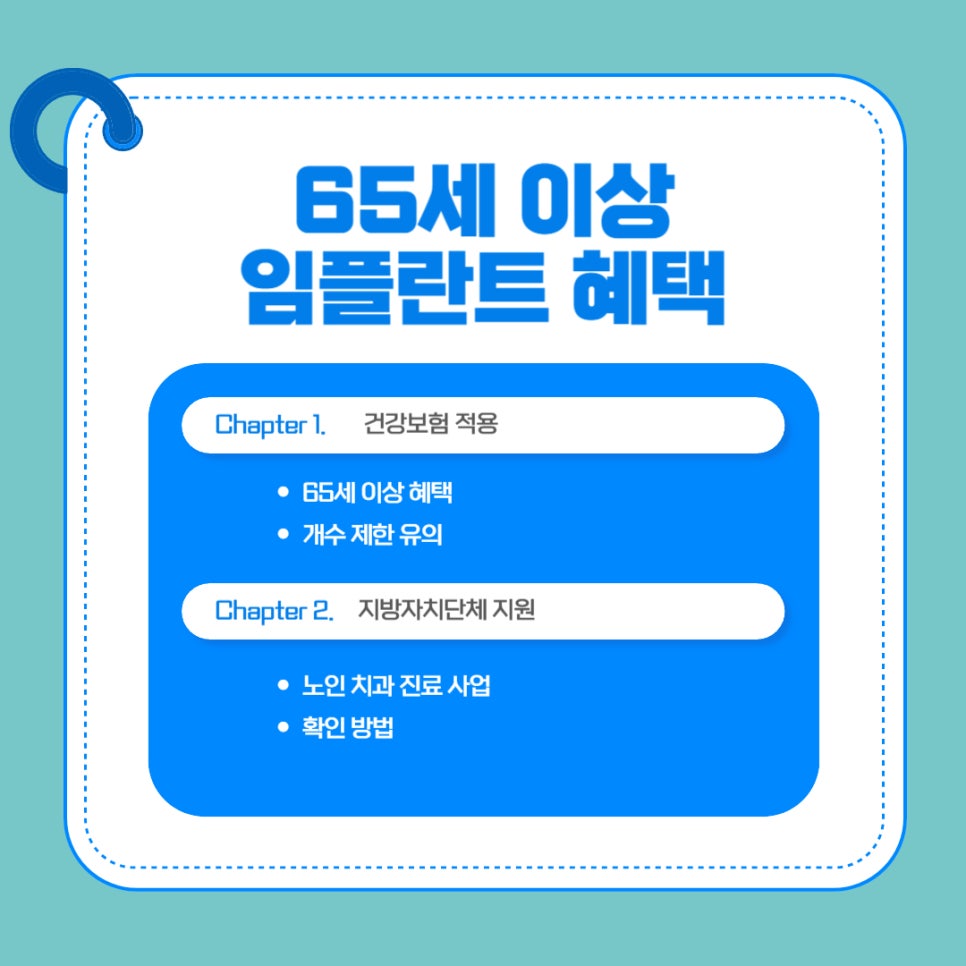
(1) Health insurance coverage
Benefits for those 65 and older
Seniors aged 65 and older can receive health insurance benefits for up to two implant procedures in their lifetime.
In the past, each implant cost more than 1 million KRW,
but after health insurance coverage was applied, the out-of-pocket burden has been greatly reduced, easing the financial strain.
Be aware of the limit on the number of implants
Health insurance does not apply to more than two implants, so the full cost must be paid out of pocket.
It is a good idea to determine the number needed in advance and plan your budget accordingly.
(2) Local government support
Elderly dental care programs
Some local governments operate elderly dental care programs that may provide support for implant costs or offer discounts.
How to check
If you contact the city, county, or district office in your area, or a welfare center,
you can get information about dental care support programs available in that region.
Types of implants
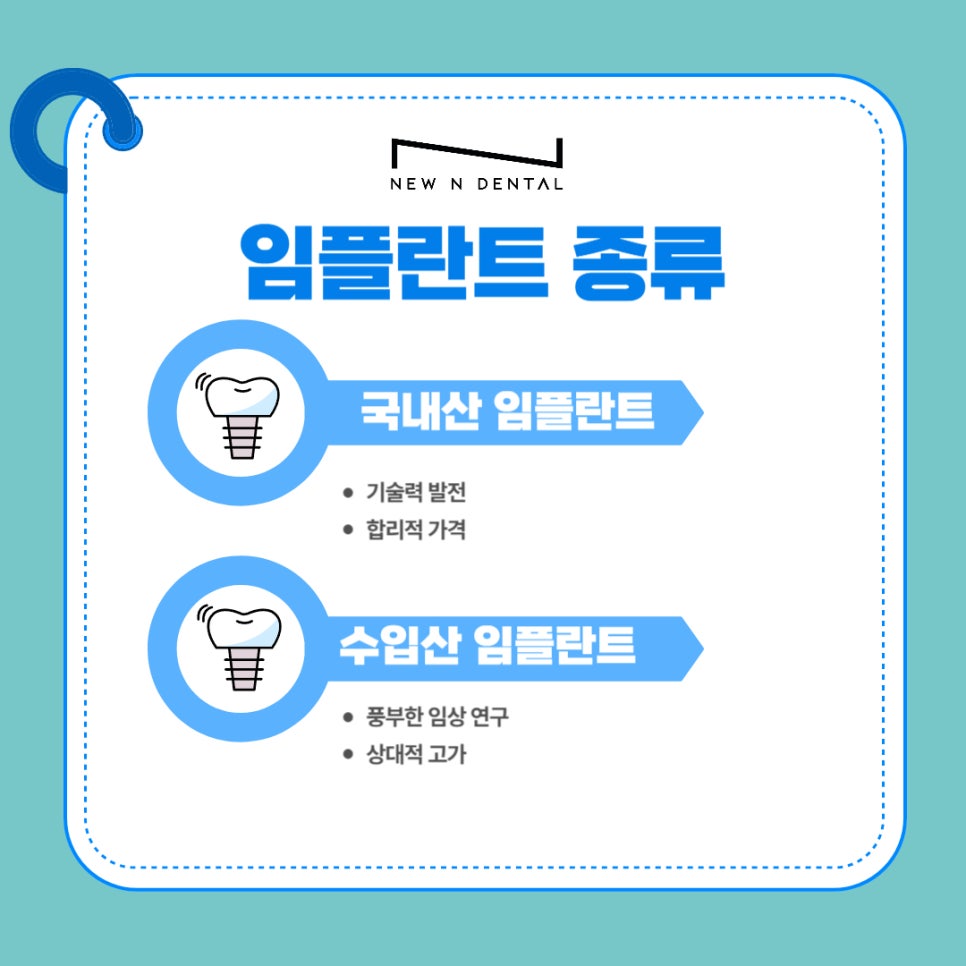
(1) Domestically made implants
Technological advancement
Implant technology has continued to advance in Korea as well,
and many products with excellent stability and durability have been introduced.
Reasonable price
Compared with imported products, they are relatively less expensive,
so they can be an economical option for seniors aged 65 and older.
(2) Imported implants
Abundant clinical research
Implants made in Switzerland, Germany, the United States, and other countries
are highly trusted because they are based on extensive clinical data.
Relatively expensive
Their prices tend to be higher than domestic products, so the budget must be considered.
Since each brand has its own advantages and disadvantages, please consult thoroughly with a dental specialist.
(3) Cases requiring bone grafting
Reduced bone density
In people aged 65 and older, the jawbone (alveolar bone) is often weakened,
so it is necessary to check whether bone grafting is needed before implant placement.
Additional cost and time
If bone grafting is necessary, the treatment period and cost may increase,
so it is important to establish an accurate treatment plan through a specialist's diagnosis.
Treatment process and precautions
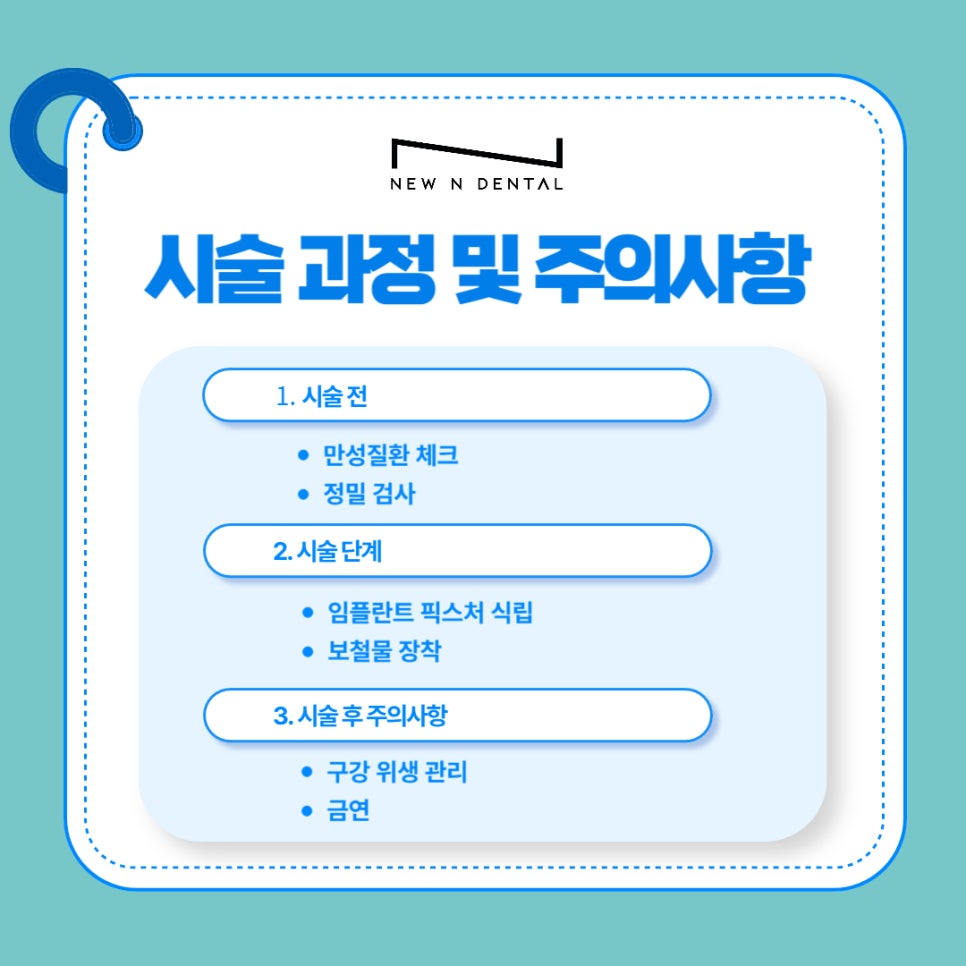
(1) Before treatment
Manage chronic conditions
If you have chronic conditions such as high blood pressure or diabetes, the risk of bleeding or infection during treatment may increase,
so you should inform the medical staff in advance.
Detailed examination
Through radiographic imaging and oral examination,
the condition of the alveolar bone and the level of treatment difficulty are carefully checked.
(2) Treatment stage
Implant fixture placement
After placing the implant fixture, which acts as an artificial tooth root in the alveolar bone,
the process of osseointegration is awaited.
Prosthesis placement
Once integration is complete, the abutment (post) and prosthesis are connected
so that it can be used like a natural tooth.
(3) Precautions after treatment
Oral hygiene management
Until the treatment area is completely healed, brush gently rather than brushing forcefully,
and if necessary, using an oral rinse can also be helpful.
No smoking
Smoking can interfere with osseointegration of the implant,
so please try to quit smoking before and after treatment if possible.
Implant prices
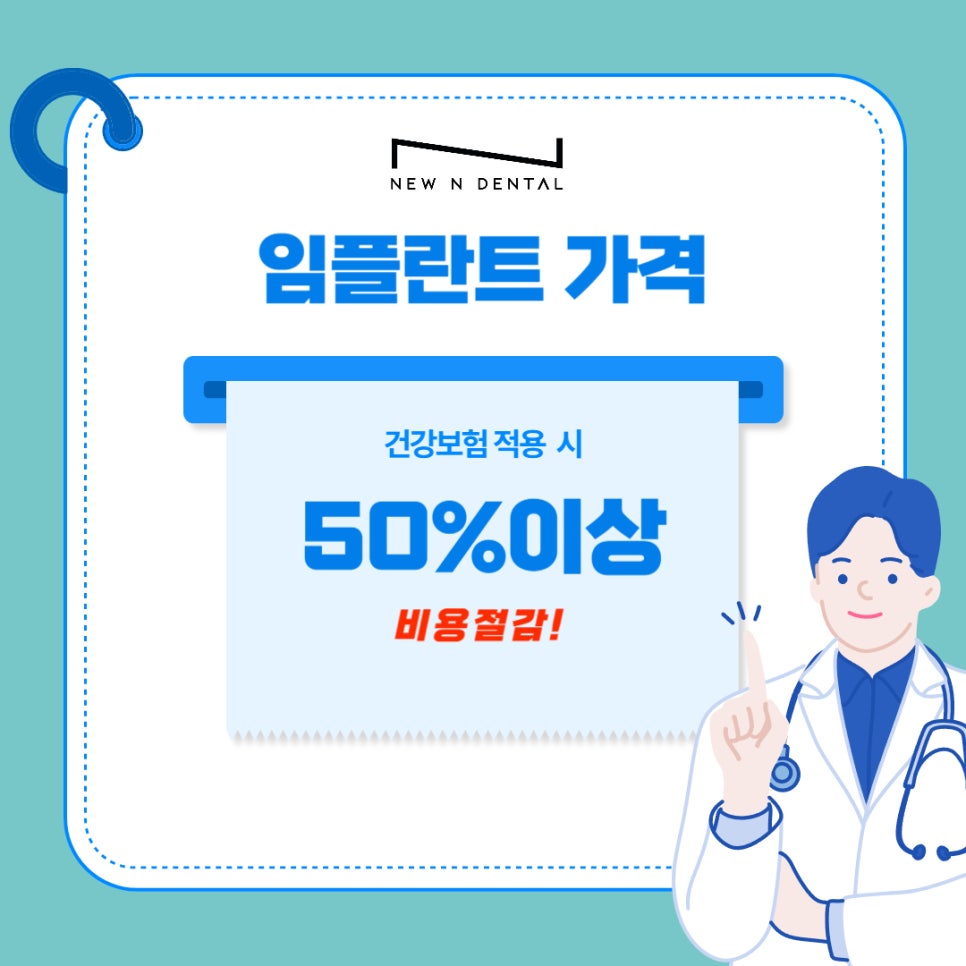
(1) When health insurance is applied
Reduced out-of-pocket costs
With health insurance coverage, implant costs are often reduced by more than 50% compared with the past.
Varies by dental clinic
The actual amount you pay will vary depending on the materials used, the scope of treatment, and the clinic's policy,
so consultation before treatment is essential.
(2) When more than two implants are needed or the treatment is non-covered
Domestically made implants
Around 1 million KRW per implant
Imported implants
May cost more than domestically made implants
Additional treatment costs
If bone grafting or sinus lift procedures are needed,
additional costs will arise, so it is a good idea to get an accurate estimate.

(1) Before treatment
Sufficient consultation
Preliminary examinations such as CT scans and gum checks must be carried out thoroughly.
Choosing a clinic with extensive treatment experience is also important.
Manage chronic conditions
Keep blood pressure and blood sugar stable,
and if necessary, consult with your doctor to adjust medication dosages, etc.
(2) After treatment
Regular checkups
After implant treatment, you should visit the dental clinic every 3 to 6 months to
check the condition of the prosthesis and the jawbone.
Be careful with your diet
Very hard foods can place strain around the implant,
so it is better to start with soft foods gradually and monitor your recovery.
Things to consider when choosing an implant

Experience of the dental specialist!
For seniors aged 65 and older, treatment may become more difficult because bone density can be lower,
so it is safer to find a dental specialist with extensive clinical experience.
Material quality and aftercare warranty!
Since implants are also consumables, check whether the material quality and aftercare warranty are reliable.
Value for money!
Rather than prioritizing only low cost, it is advisable to make the best choice by also considering the treatment results and long-term dental health.

Implants for those 65 and older are not merely a procedure to restore a single tooth,
but an important way to regain health and quality of life.
By actively using health insurance benefits,
you can receive implant treatment with a much lower burden than in the past,
and if you carefully check local government support policies as well, you may receive additional benefits.
Before treatment, it is important to accurately assess whether you have chronic conditions and the condition of the alveolar bone,
and if any unusual reactions such as pain or bleeding occur during or after treatment,
we recommend visiting the dental clinic immediately for diagnosis.
In particular, recovery in older adults may be somewhat slower,
so it is safer to get enough rest without overexerting yourself and to eat mostly soft foods.
Healthy teeth make it possible to enjoy meals freely and have pleasant conversations even in old age.
Through this post, we hope that those who are 65 and older found it helpful to learn about
implant benefits and types, as well as the conditions for health insurance coverage.
We recommend consulting with a dental specialist to establish the best treatment plan for you.
If you have any questions, you may also contact Nuen Dental Clinic in Gangnam.
Please leave a message via Naver TalkTalk or in the comments below. Thank you ^^










Previous image
Next image










Previous image
Next image
#65세이상임플란트 #뉴엔치과 #강남임플란트 #임플란트건강보험