Before deciding on the cost of malocclusion treatment
Things to check
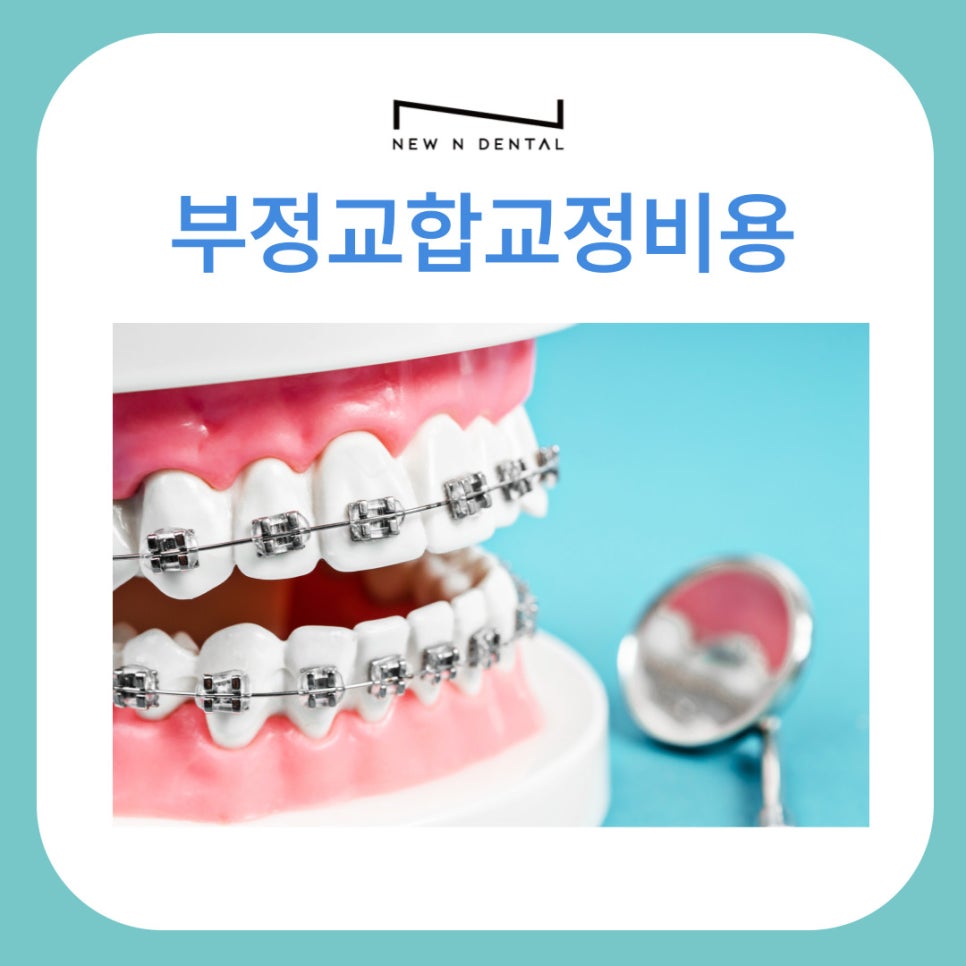
Malocclusion refers to a condition in which the upper and lower jaws do not fit together normally. It is a dental condition that can affect not only appearance but also chewing function, pronunciation, and temporomandibular joint health. Beyond simply having teeth that are not aligned, it is closely related to overall oral health, including facial asymmetry and temporomandibular joint pain, so early diagnosis and appropriate treatment are very important. In this article, we will cover the definition of malocclusion, treatment methods, and the cost of malocclusion treatment that many people are curious about in detail.
What is malocclusion?
Malocclusion refers to various conditions that deviate from normal occlusion. Typical examples include underbite, where the lower jaw protrudes ahead of the upper jaw (crossbite), open bite, where the front teeth do not meet and remain apart, excessive protrusion of the upper jaw, and crowded teeth that overlap or twist. Such malocclusion can cause not only appearance-related concerns but also problems such as reduced chewing efficiency, temporomandibular joint issues, and an increased risk of periodontal disease.
Causes of malocclusion
Malocclusion is broadly divided into genetic factors and environmental factors. When jaw size or tooth alignment is inherited from parents, it is considered an innate factor, and in such cases early observation and treatment at the appropriate time are important. On the other hand, bad habits such as mouth breathing, thumb sucking, tongue thrusting, and chewing on only one side are acquired causes. In children who are still growing, improving these habits alone can help prevent malocclusion from progressing.

Treatment methods for malocclusion correction
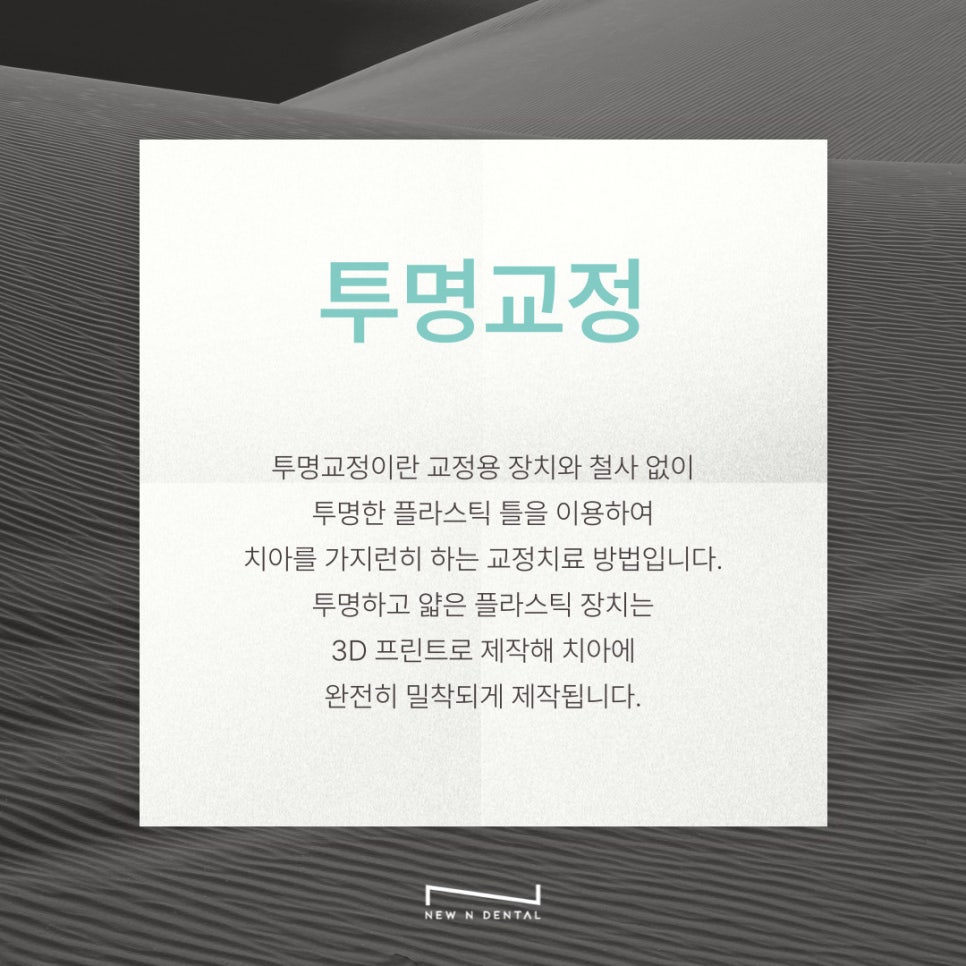
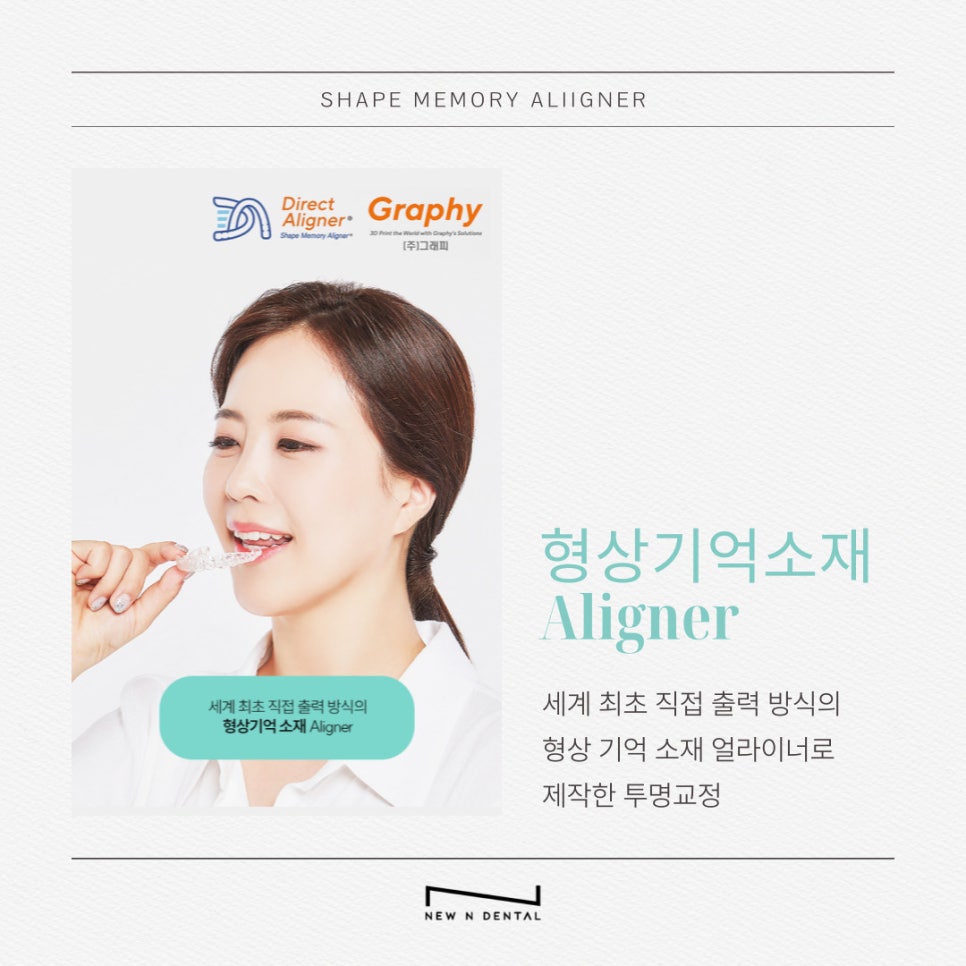
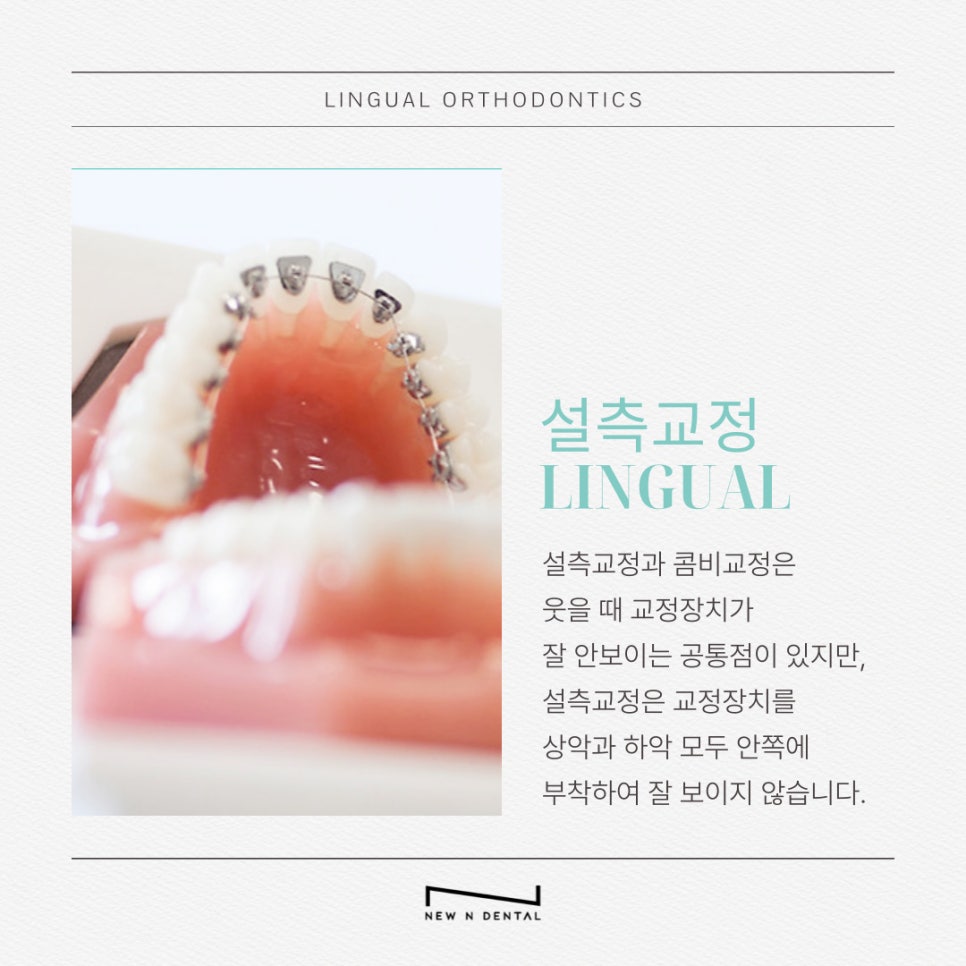
Treatment methods vary depending on the type and severity of malocclusion. In general, fixed orthodontic appliances (brackets), clear aligners, and lingual orthodontics (attached to the inside of the teeth) are used. For children in the growth period, more effective treatment is possible using functional appliances that control jaw growth. In adults, since bone growth has already been completed, there may be limitations with orthodontic appliances alone, and in cases of severe skeletal malocclusion, orthognathic surgery (double jaw surgery) may be performed in combination. Treatment usually takes about 1.5 to 2 years and requires a precise diagnosis and consistent management.
How much does malocclusion treatment cost?
The cost of malocclusion treatment varies greatly depending on the type of appliance used, the patient’s age, the severity of the malocclusion, and the treatment period. In general, fixed metal braces cost about 3 million to 5 million won, while aesthetic appliances such as ceramic or Clippy-C braces cost around 5 million to 7 million won. Clear aligners, such as Invisalign, which are widely used these days, are relatively expensive, ranging from 7 million to over 10 million won. In addition, when orthognathic surgery is needed for skeletal malocclusion, surgery costs may be incurred separately from orthodontic treatment, and in such cases the total cost can exceed 15 million won. However, for teenagers in the growth period, early orthodontic treatment during growth can reduce costs and improve treatment outcomes, so parents’ attention is very important.

The importance of a precise diagnosis
The starting point of malocclusion correction is an accurate diagnosis. Before orthodontic treatment, detailed examinations that analyze the position of the jawbones and teeth, the alignment of the teeth, the occlusion, and whether facial asymmetry is present are essential. To do this, panoramic X-rays, cephalometric imaging, 3D CT, and intraoral scanners are used to analyze the structure from multiple angles. Based on these data, the orthodontic specialist develops a treatment plan and explains in detail the type of appliance, the sequence, the expected duration, and the results after treatment. In particular, since malocclusion requires functional correction rather than simply cosmetic treatment, diagnostic accuracy determines the treatment outcome.
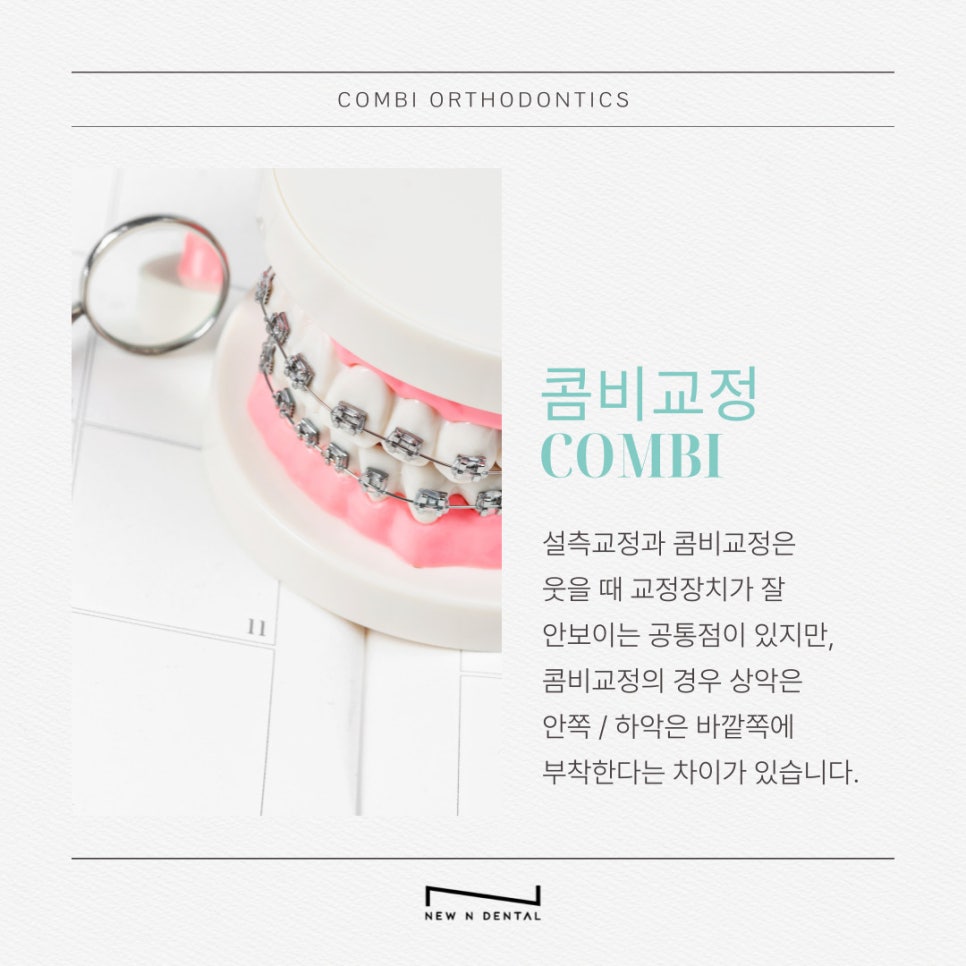
Components of the cost of malocclusion treatment
The cost of malocclusion treatment, which many people are curious about, is not just the price of the appliance itself; it is the total sum of the entire process, including consultation fees, appliance fabrication costs, regular follow-up visit fees during treatment, and retainer costs. For example, the initial consultation and detailed examinations may cost an additional 100,000 to 300,000 won, and during the retention period after orthodontic treatment, regular checkups and management are still required. Some clinics provide the total treatment cost as a package in advance, but in cases where costs are separated by stage, you should carefully check the itemized breakdown when receiving a quote.
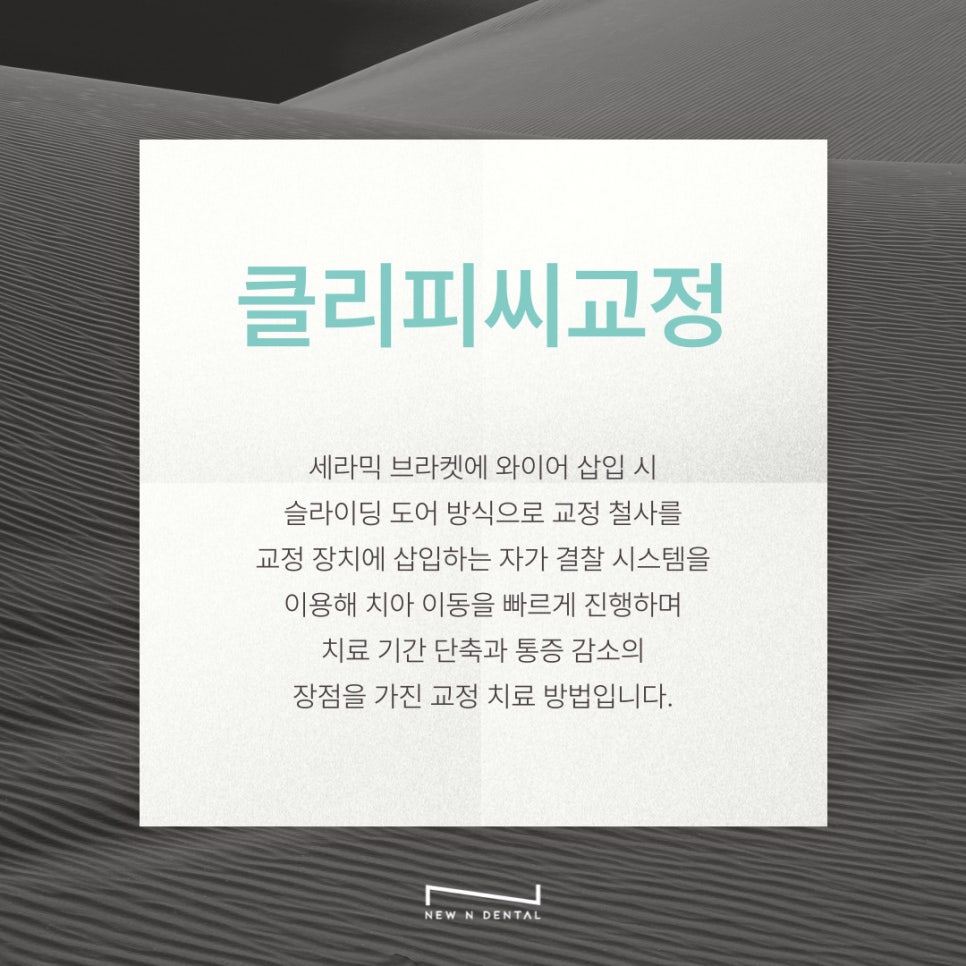
Whether health insurance applies
General orthodontic treatment for cosmetic purposes is not covered by health insurance, but if it is classified as functional malocclusion or a maxillofacial deformity, insurance benefits may apply. Representative examples include cleft lip and palate and severe skeletal malocclusion requiring orthognathic surgery, which may be covered by National Health Insurance. Whether coverage applies is determined through a diagnosis certificate issued by a dental clinic or hospital and a review process. In particular, for children and adolescents in the growth period, early diagnosis and orthodontic treatment may make improvement possible without surgery, so not missing this period offers significant advantages both financially and functionally.
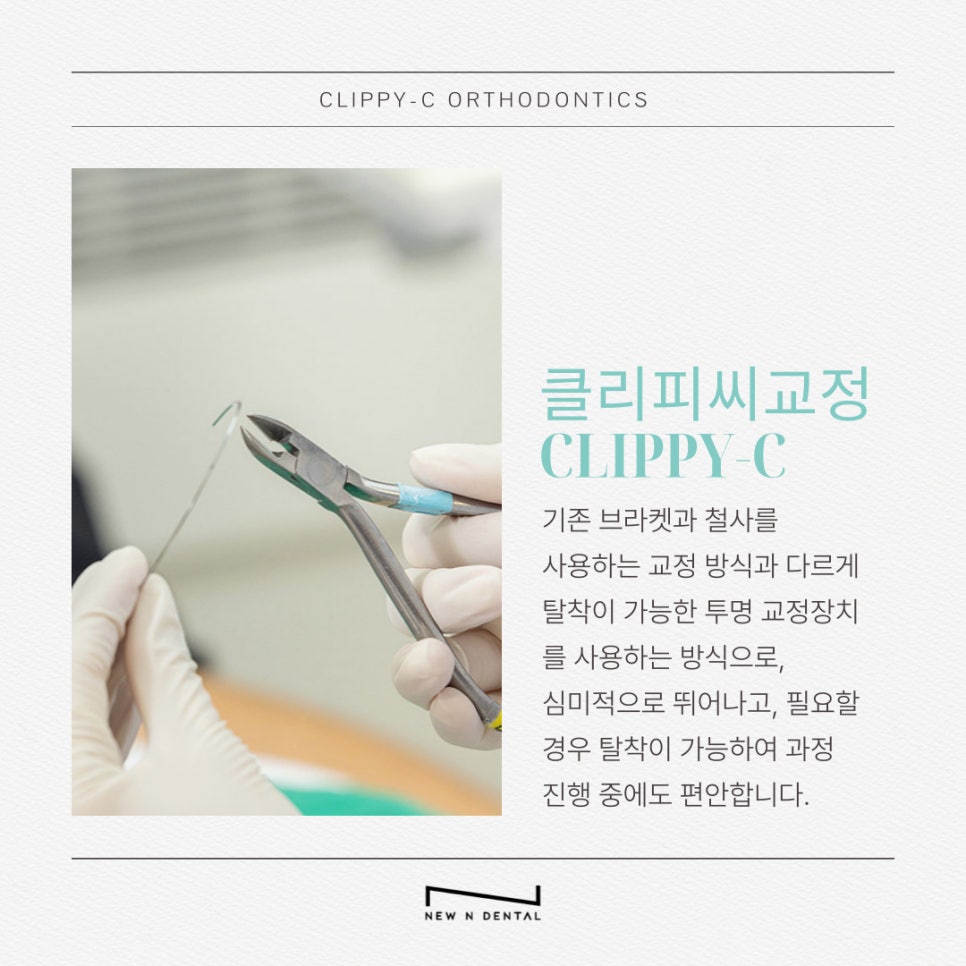
Post-treatment care and precautions
For malocclusion correction, aftercare is more important than the procedure itself. After the orthodontic appliance is removed, wearing a retainer is essential because teeth tend to move back to their original positions. Retainers are usually worn for at least one year, and during the first few months after treatment, they may need to be worn all day. In addition, regular checkups are necessary to continuously monitor the stability of the corrected bite and the condition of the temporomandibular joint, and lifestyle habits and oral hygiene management must also be maintained. In cases where childhood bad habits were the cause, behavior correction to prevent recurrence should also be carried out.
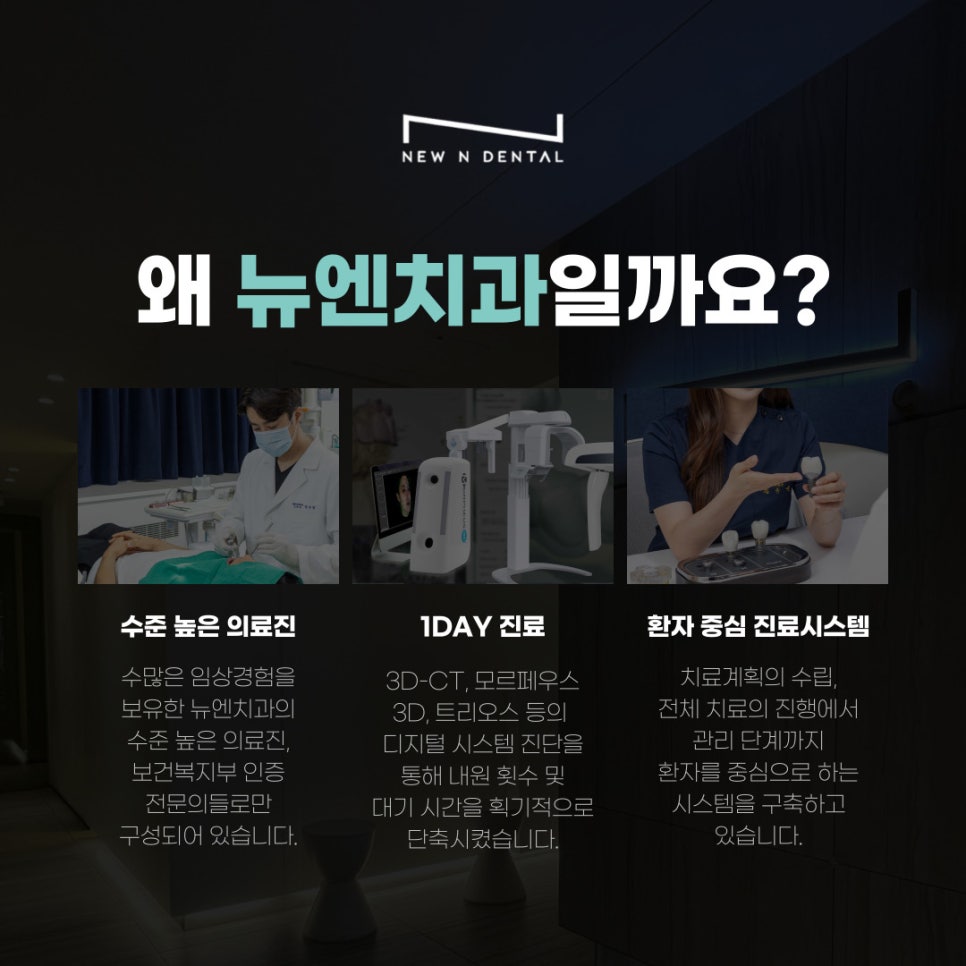
How to choose the right clinic for you
Malocclusion treatment is not a short-term procedure; it is a long-term treatment relationship that lasts for more than a year. Therefore, when choosing a clinic, you should not base your decision only on the cost of malocclusion treatment, but should comprehensively review whether there is an orthodontic specialist, the accuracy of the equipment used, and the clinic’s patient management system. It is also a good idea to consider online reviews, the doctor’s manner of explanation during consultation, and whether a personalized treatment plan is created to determine whether the clinic is trustworthy. Since orthodontic treatment is an important process that leads not only to improved appearance but also to functional recovery and restored confidence, it should be decided carefully through sufficient information gathering and consultation with a specialist.













Previous image
Next image