Information on implant surgery costs and
the treatment process
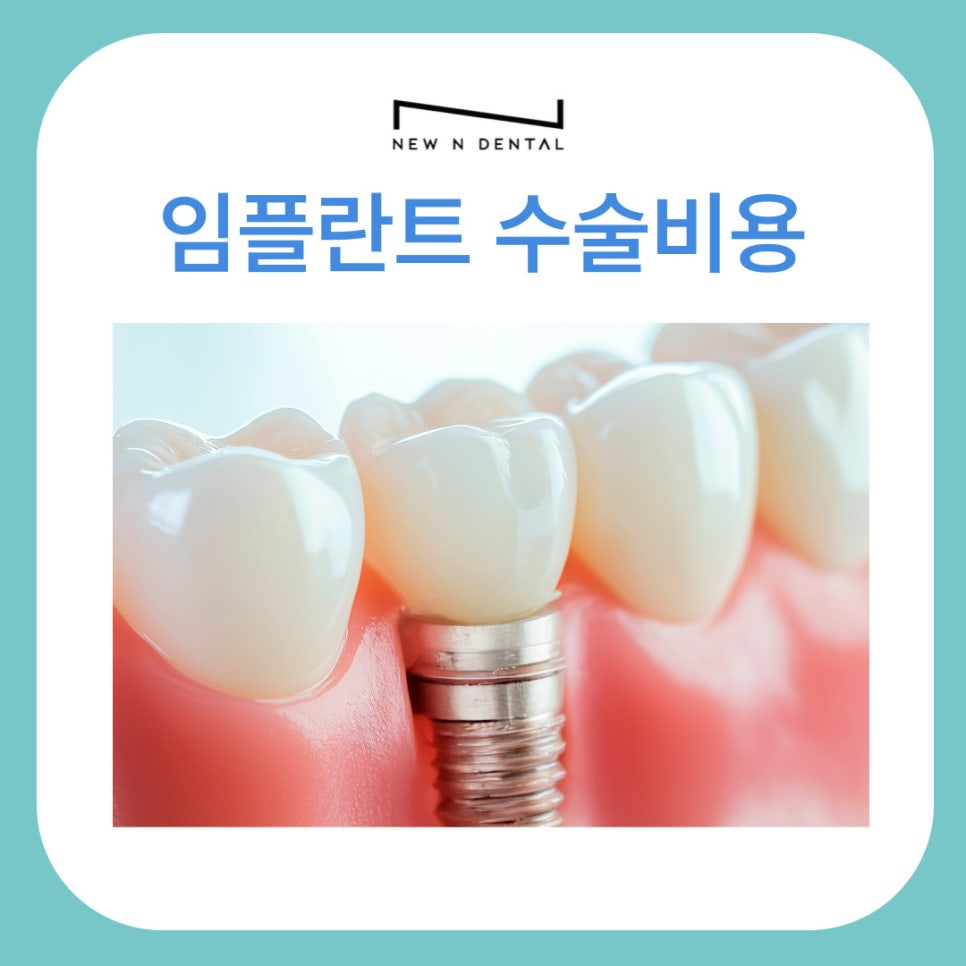
What is an implant?
Tooth loss can cause not only a decline in chewing function but also aesthetic and social inconvenience. A representative treatment used to address these problems is the implant. Implants have become a stable long-term tooth replacement option, offering functions and appearance similar to natural teeth while also being highly durable. In this article, we will cover the concept of implants, the procedure, indications, precautions, and the implant surgery costs that many patients are curious about in detail.
An implant is a treatment method that replaces a tooth by placing an artificial root into the jawbone and then connecting an artificial crown on top of it. The commonly used material is titanium, which has high biocompatibility and is strongly integrated with bone, providing sturdy support. It can be applied in cases where one or several teeth are missing, and it can also be used for patients with complete edentulism.

Implant treatment process
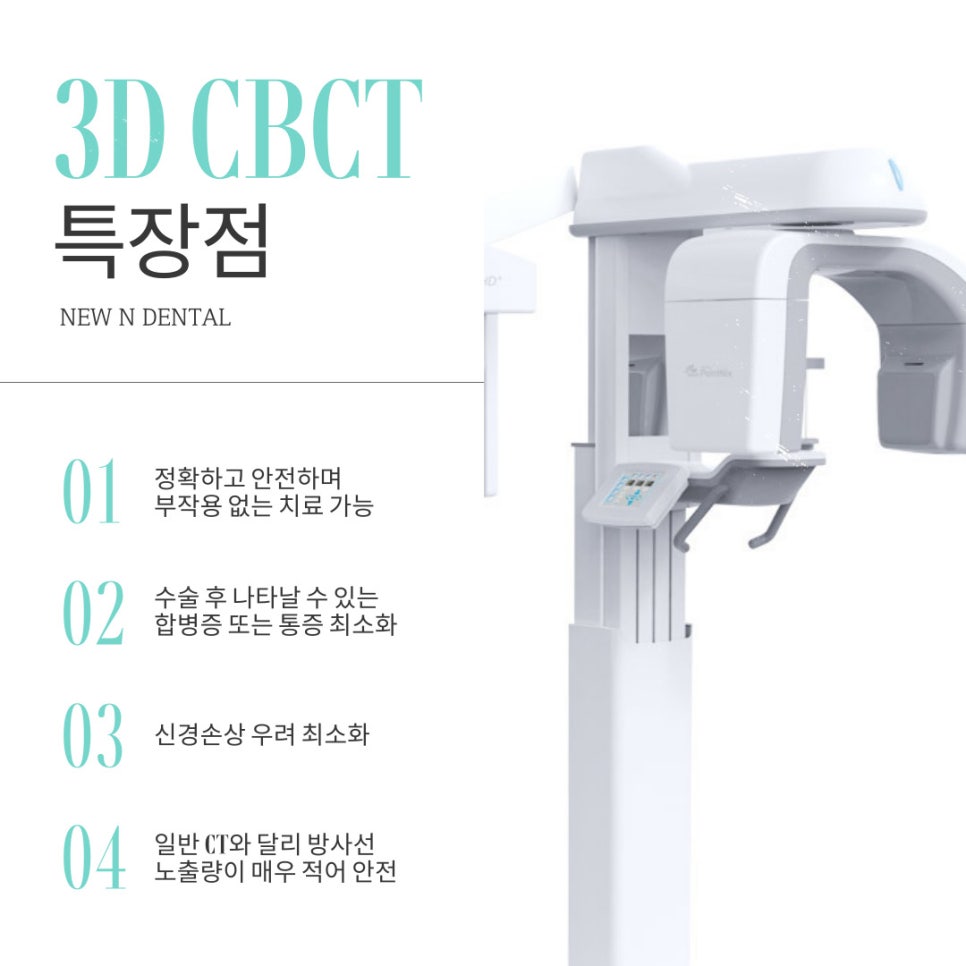
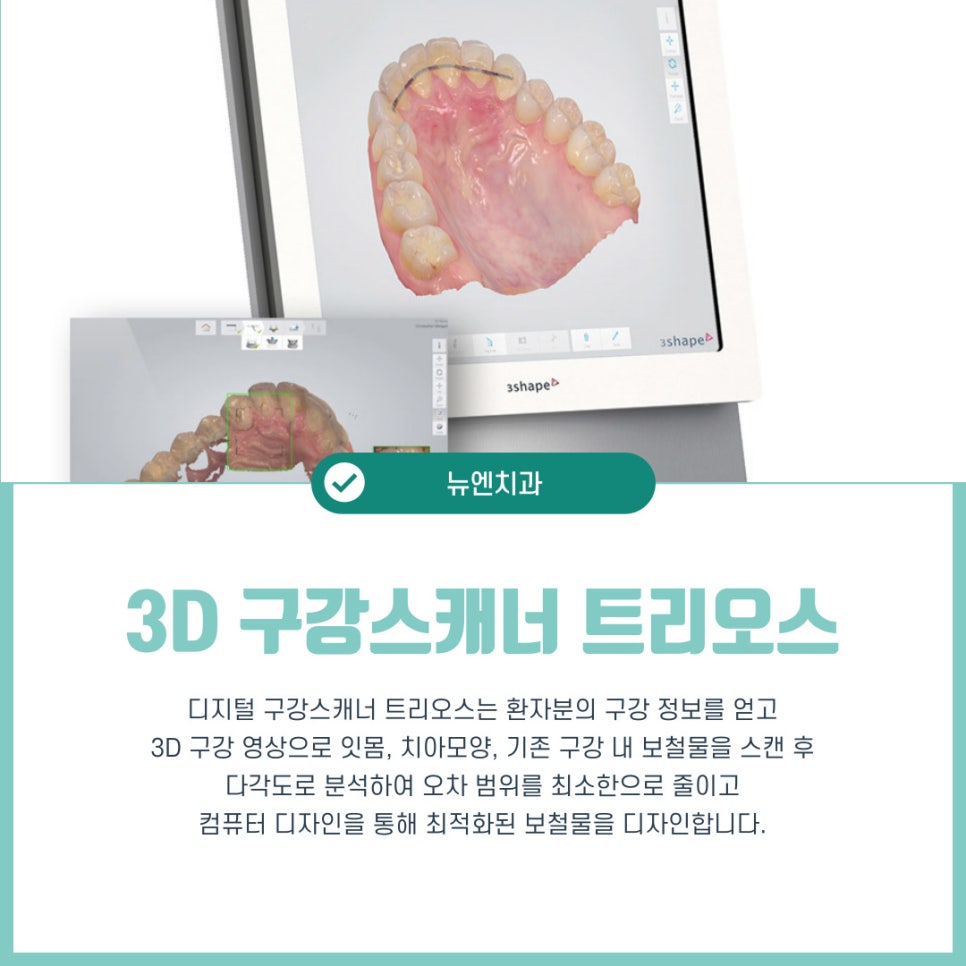
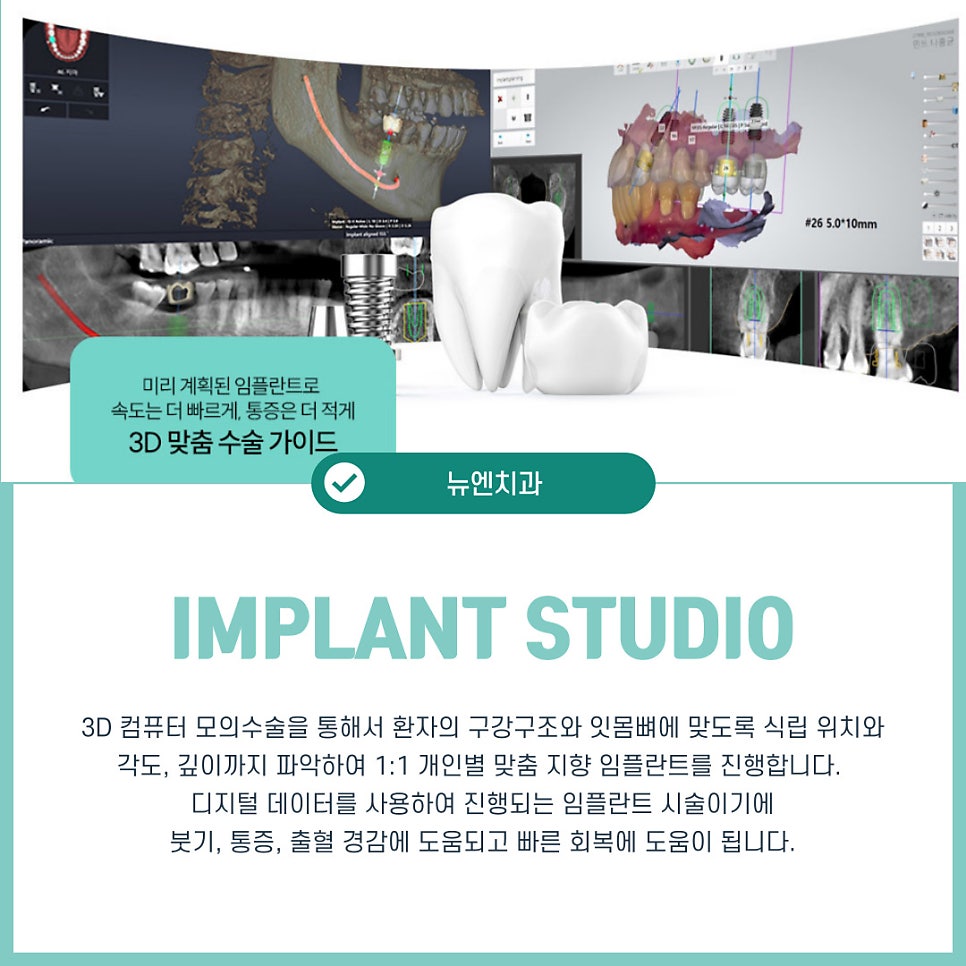
Treatment generally proceeds in the order of initial diagnosis and planning, placement surgery, osseointegration period, and prosthesis attachment. In the initial diagnosis, X-rays and 3D CT scans are used to check bone condition and nerve position, and a procedure plan tailored to the individual patient's oral structure is established. Placement surgery involves inserting the implant into the jawbone under local anesthesia, and depending on the situation, bone grafting or sinus lifting may be performed together.
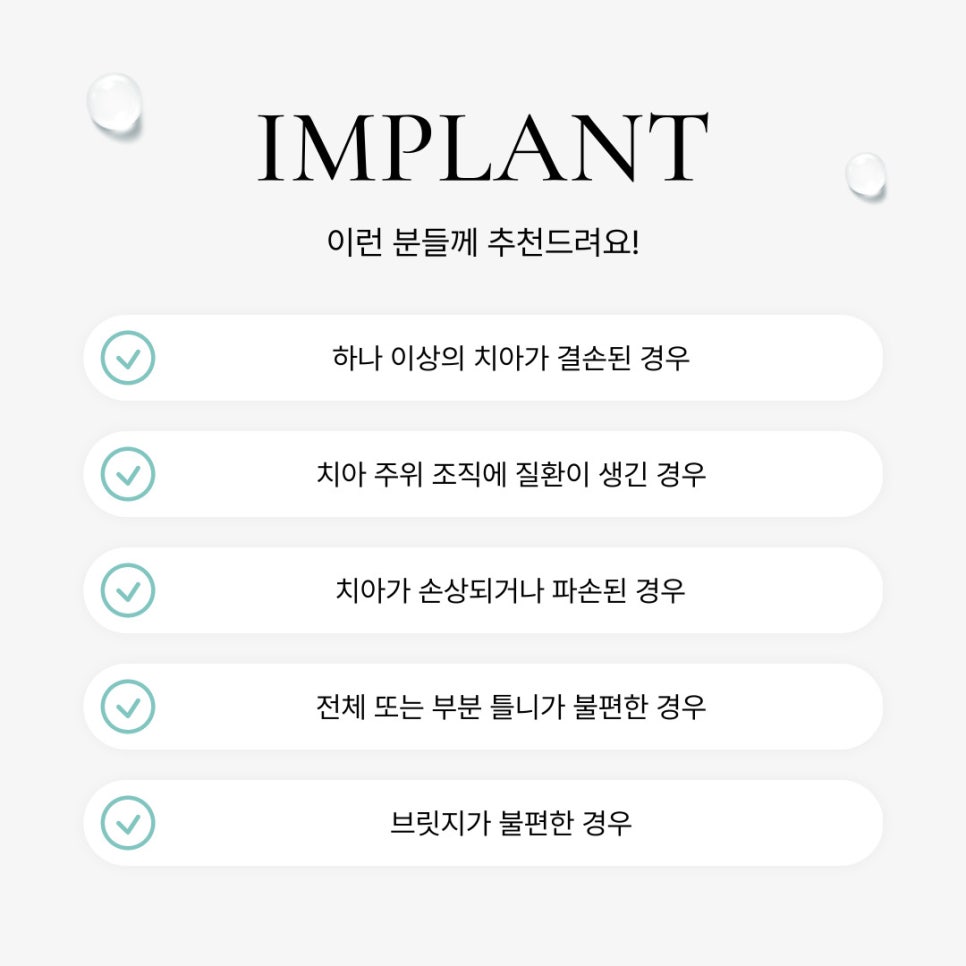
Functional and aesthetic improvement with implants
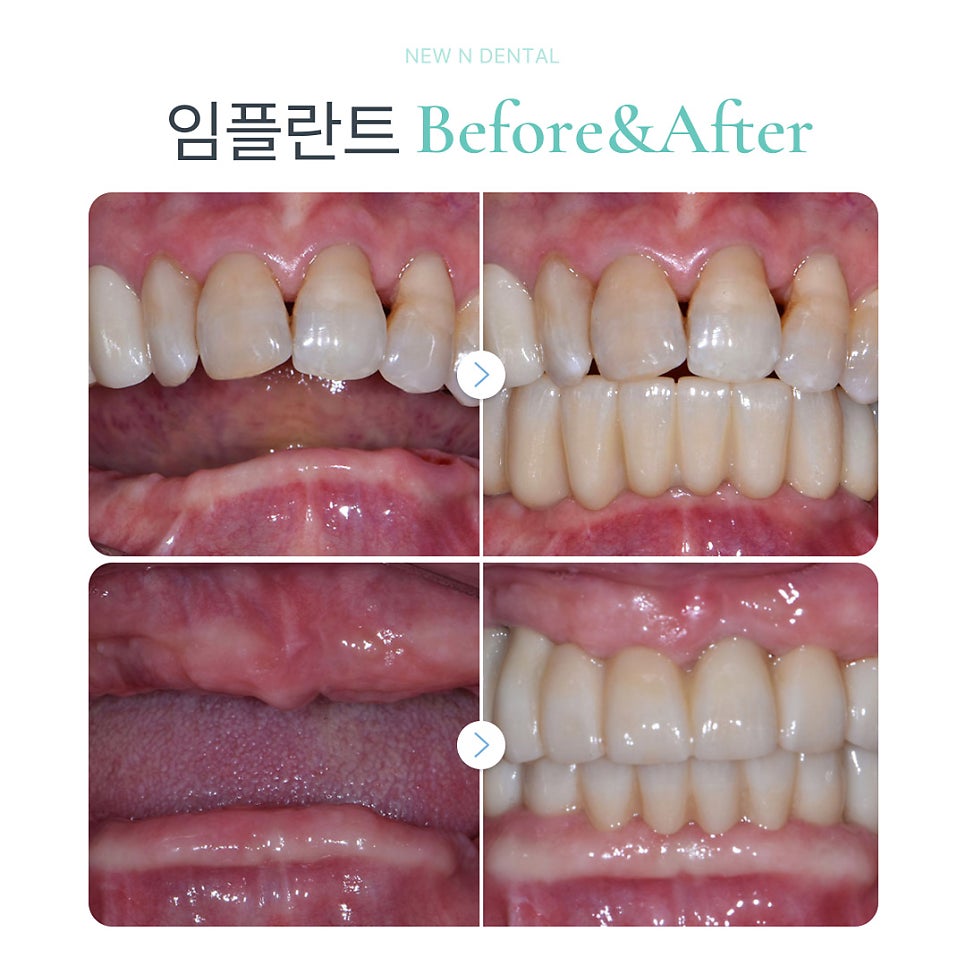
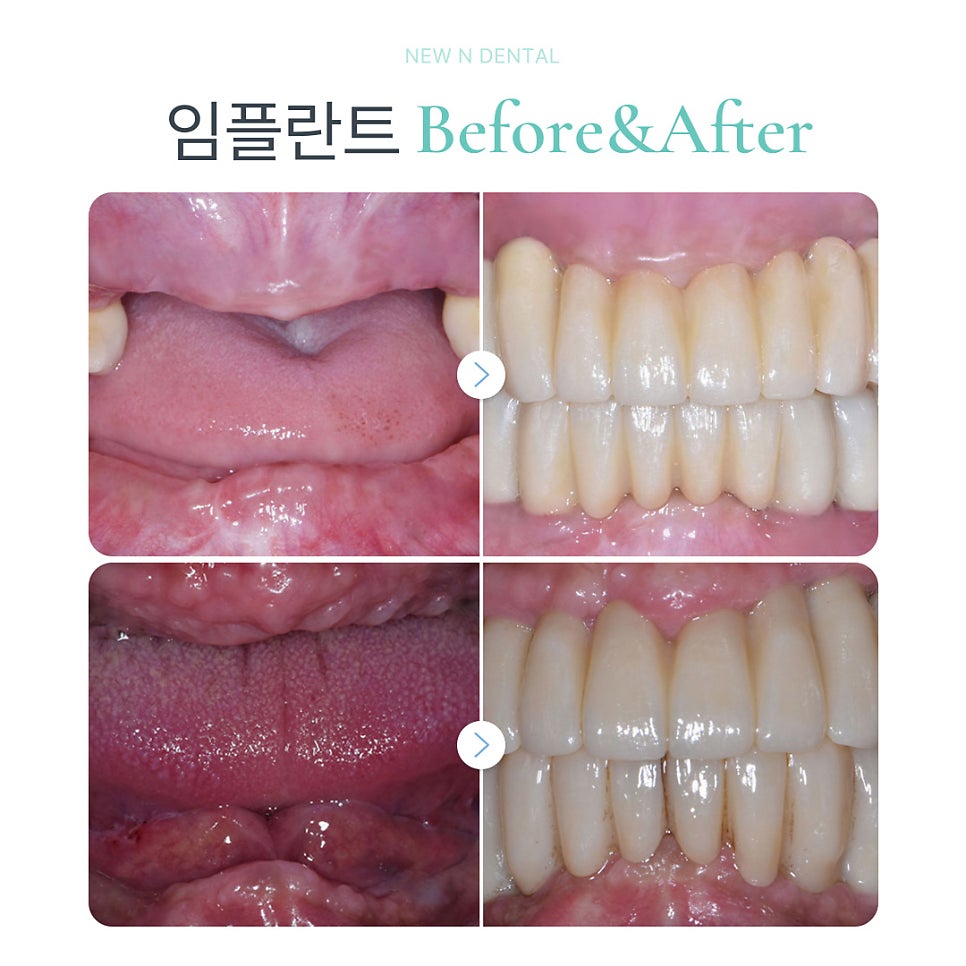
The osseointegration period usually takes 2 to 4 months, during which the implant becomes firmly fixed to the jawbone. Afterward, an artificial crown is made and attached, allowing the restoration of functions and aesthetics almost identical to those of natural teeth. In this way, implants are excellent not only for maintaining long-term chewing strength but also for improving appearance.
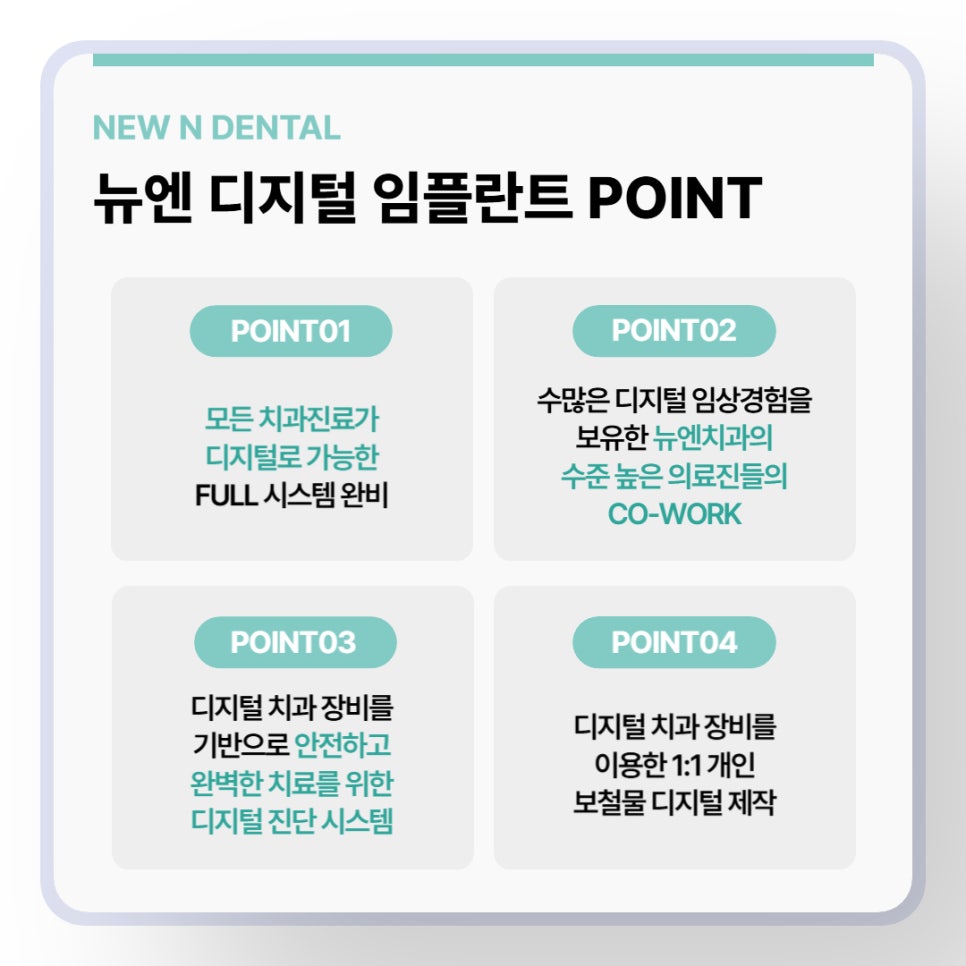
Advantages of implants
The biggest advantage of implants is that they do not damage adjacent teeth. In the case of a bridge, the teeth on both sides must be reduced, but an implant is placed independently in the missing area, allowing healthy teeth to be preserved. They are also effective in preventing bone resorption, which helps maintain facial shape over the long term.
Implant surgery costs are determined by various factors and vary from clinic to clinic. Generally, they include consultation fees, imaging fees, surgery fees, bone graft costs, implant material costs, and prosthesis fabrication costs, and additional aftercare costs may also arise. In Korea, the average cost is typically around 1 million to 2 million KRW per implant, and the price varies depending on the brand of materials used, the difficulty of the procedure, and the location of the clinic.
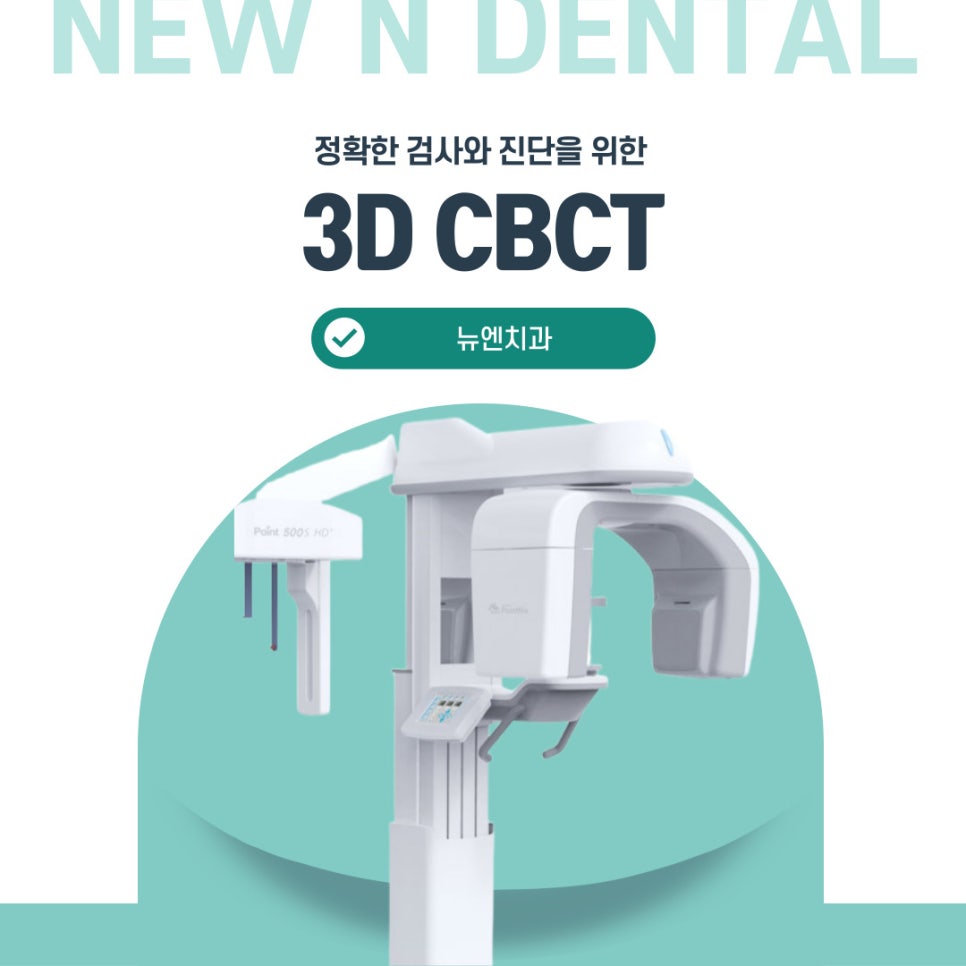
Implant costs
In particular, if bone grafting is needed or if additional procedures such as sinus lifting are included, extra costs may arise. Therefore, to confirm the exact implant surgery costs, a thorough preoperative diagnosis and consultation are essential. It is also a good idea to check package pricing offered by the clinic and whether insurance coverage applies.
National health insurance for implants
The financial burden of implants can vary greatly depending on whether they are covered by national health insurance. For patients aged 65 or older, health insurance provides benefits for implant procedures up to two teeth per lifetime, and the out-of-pocket cost is reduced to about 30%. This is a great help in reducing economic burden and is a very useful system, especially for older patients.
Precautions before implant treatment
In terms of indications, implants can be performed in most adults, but patients with chronic conditions such as diabetes, osteoporosis, and cardiovascular disease require caution in advance. Smokers may also be affected in treatment prognosis, and if oral hygiene is poor, the risk of implant failure increases, so thorough preoperative management is required.
Postoperative care is a key factor that determines the lifespan of an implant. In the early stage, pain and swelling are managed with medication, dietary control, and cold compresses, and excessive chewing or oral irritation should be avoided for a certain period. After that, regular follow-up visits, scaling, and oral hygiene management are essential. Although implants do not develop cavities like natural teeth, the surrounding gum tissue is vulnerable to inflammation, so care should be taken to prevent gum disease.
Implant failure cases
There are also some cases of implant failure. In general, if osseointegration does not occur properly or if persistent inflammation develops, it is considered a failure, and in such cases, re-implantation may be considered. To reduce the possibility of failure, thorough examination before treatment and procedures performed by an experienced specialist are important, and the patient's consistent care after treatment is also essential.
The biggest advantage of implants
Compared with the existing prosthetic treatment of bridges, implants may initially seem more expensive, but in the long run they can be a more economical choice in terms of maintenance costs and tooth longevity. In particular, they offer significant functional benefits because they help prevent bone resorption in the gums and support chewing strength.
Implants are a treatment that can satisfy both aesthetics and function at the same time, and they can substantially improve a patient's quality of life. Because they offer various advantages such as a confident smile, stable chewing strength, and improved natural speech, accurate diagnosis and planning tailored to each patient's oral condition are most important.
When considering implant surgery costs, it is necessary to look beyond price alone and take into account the clinic's expertise, the materials used, and the postoperative care system in a comprehensive way. If you choose a clinic based only on low cost, the long-term stability and aesthetic results may be unsatisfactory, so careful decision-making is required.
In conclusion, implants are a treatment method backed by scientific evidence and accumulated clinical experience, and they are one of the most effective ways to replace natural teeth. Implant surgery costs are determined by various factors such as the patient's oral condition, the scope of treatment, and the clinic's system, so it is important to make the choice that best suits you through sufficient consultation. We hope you regain healthy teeth and a bright smile through sound judgment and systematic treatment.













Previous image
Next image