
Why Implants Are Needed in Your 20s and What to Watch Out For
Hello, this is Gangnam New N Dental Clinic.
It is easy to think of implants as a treatment mostly done by middle-aged and older adults, but recently, cases of people in their 20s seeking implants have also been increasing. Losing teeth at a young age happens more often than expected.
This is because front teeth or molars can be damaged or lost for many reasons, such as traffic accidents, injuries during intense exercise, severe cavities or failed root canal treatment, and congenital missing teeth.
When considering implants at this stage, the reason is not just to restore chewing function, but also to maintain appearance and confidence. Your 20s are a time when you begin school, start working, and enter social life in earnest, so the impression created by your smile has a major effect on relationships and daily life. Therefore, it is important to choose the right treatment as early as possible.
Typical cases where implants are needed in your 20s

The most typical case in which implants become necessary in your 20s is when a tooth is lost due to trauma.
Especially front teeth can easily fracture or be lost from a fall or accident. Another case is when a tooth is difficult to preserve because of severe cavities or periodontal disease. In rare cases, if a tooth does not develop at all from birth or a permanent tooth does not erupt, a normal set of teeth can still be achieved through implants.
If a tooth is missing at a young age, it can cause discomfort when chewing food, affect pronunciation, and over the long term may lead to adjacent teeth tipping over or malocclusion, where the bite becomes misaligned.
Therefore, considering implants early can be a way to protect overall oral health.
Features compared with other age groups
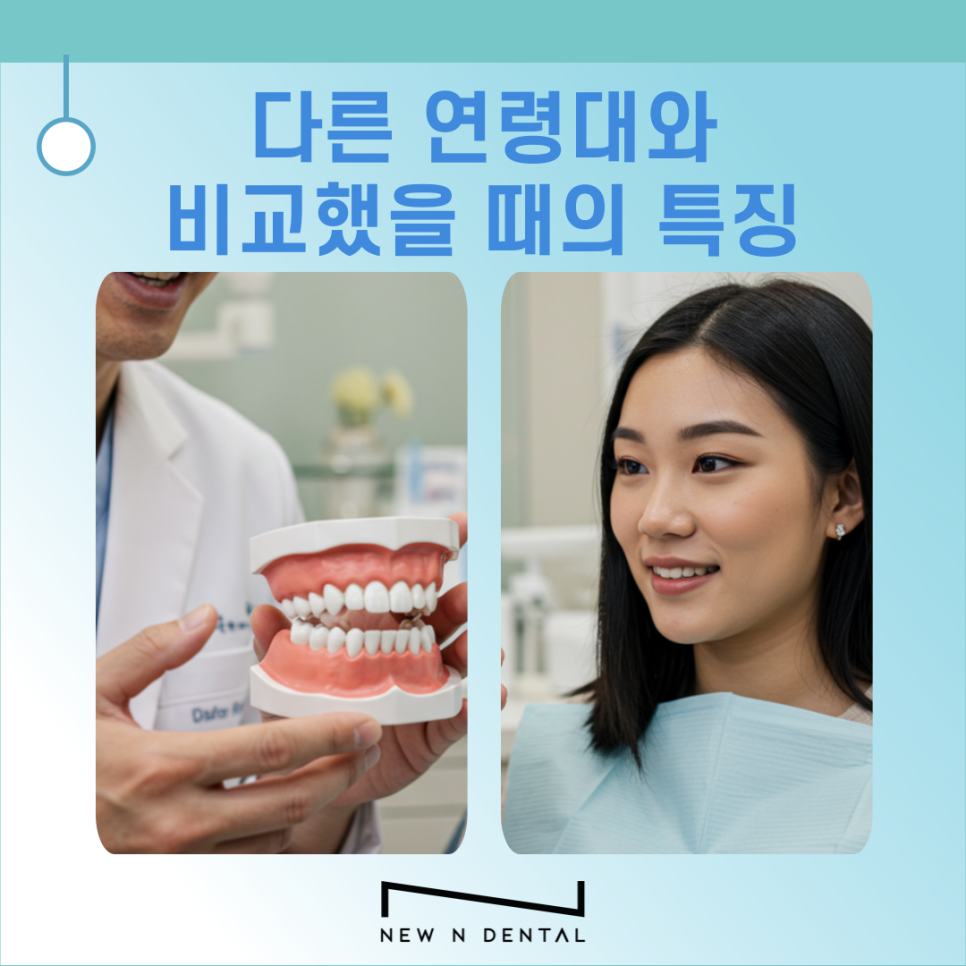
Implants in your 20s have several features compared with other age groups.
First, because bone density and gum condition are relatively healthy, the procedure success rate is high and recovery is faster.
Second, there is a strong emphasis on aesthetics. Patients in their 40s and 50s often prioritize functional recovery, but patients in their 20s are more likely to care about the smile line, natural tooth color, and alignment. Therefore, when choosing an implant prosthesis, many prefer highly aesthetic materials such as zirconia.
Finally, the fact that they can be used for a long time can be both an advantage and a burden. Since an implant placed once must be used for decades, an accurate diagnosis and a stable procedure at the initial stage are especially important.
Points to be careful about when proceeding with implants in your 20s
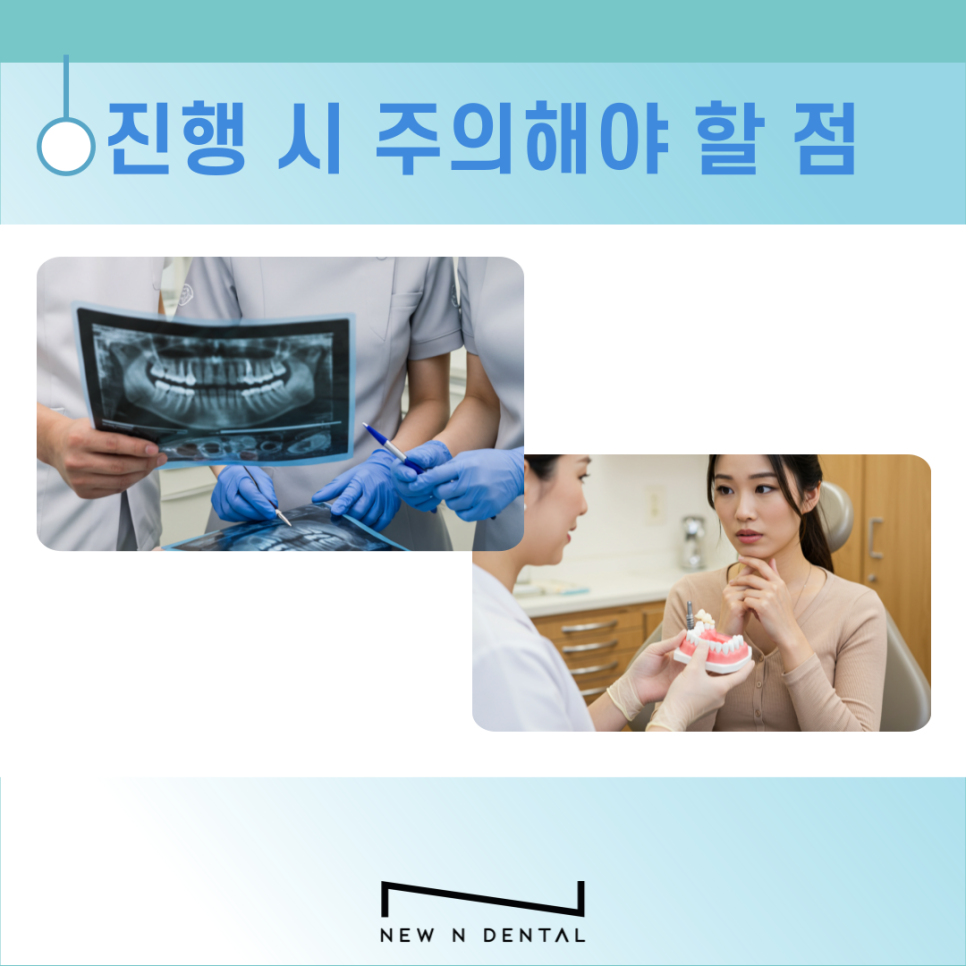
When getting implants in your 20s, there are several things to be careful about. First, it is essential to confirm whether bone growth has been completed.
In most cases, jawbone growth is complete in the early 20s, but there may be individual differences in rare cases, so it is necessary to check at a dental clinic through CT scans or similar methods whether the growth plates have closed.
Also, smoking and drinking habits significantly lower implant success rates, so correcting lifestyle habits is important.
For women, if pregnancy is planned, the timing of the procedure may need to be adjusted. Because implant treatment is a surgical procedure, antibiotics and painkillers are unavoidable, and there are medications that should be avoided in early pregnancy.
In this way, implants in your 20s are not a treatment that can be done simply just because you are young, and careful review tailored to each individual situation is necessary.
What to pay special attention to after the procedure
The procedure itself is important, but post-treatment care determines long-term success. Patients in their 20s who receive implants often have relatively healthy teeth and gums, so problems do not tend to occur early on.
However, because they are young, it is easy to neglect care.
Implants are more vulnerable to bacteria than natural teeth, so thorough daily brushing, along with the use of interdental brushes and dental floss, is necessary.
Regular dental checkups and scaling are also essential.
In addition, because implants depend greatly on the condition of the surrounding bone and gums, it is important to manage them so that periodontal disease does not develop.
An implant placed in your 20s can be used for more than 30 years, so building good habits from the beginning will greatly help protect your dental health for the rest of your life.
Implants in your 20s are not simply a treatment to replace one missing tooth.
They are a treatment in which a structure intended for use over the next several decades is placed, so they must be approached carefully.
Although youth offers advantages such as faster recovery and a higher success rate, considering long-term use means that even more thorough planning and management are needed.
Only by carefully checking your health condition and lifestyle habits before treatment, and continuing to manage things consistently after the procedure, can you experience the true value of implants.
Because a tooth does not grow back once it is lost, if you are considering implants in your 20s, you need to make a choice that looks beyond short-term convenience and toward your whole life.
#20대임플란트 #임플란트시술 #임플란트나이