
Custom Orthodontic Treatment Using Digital Equipment
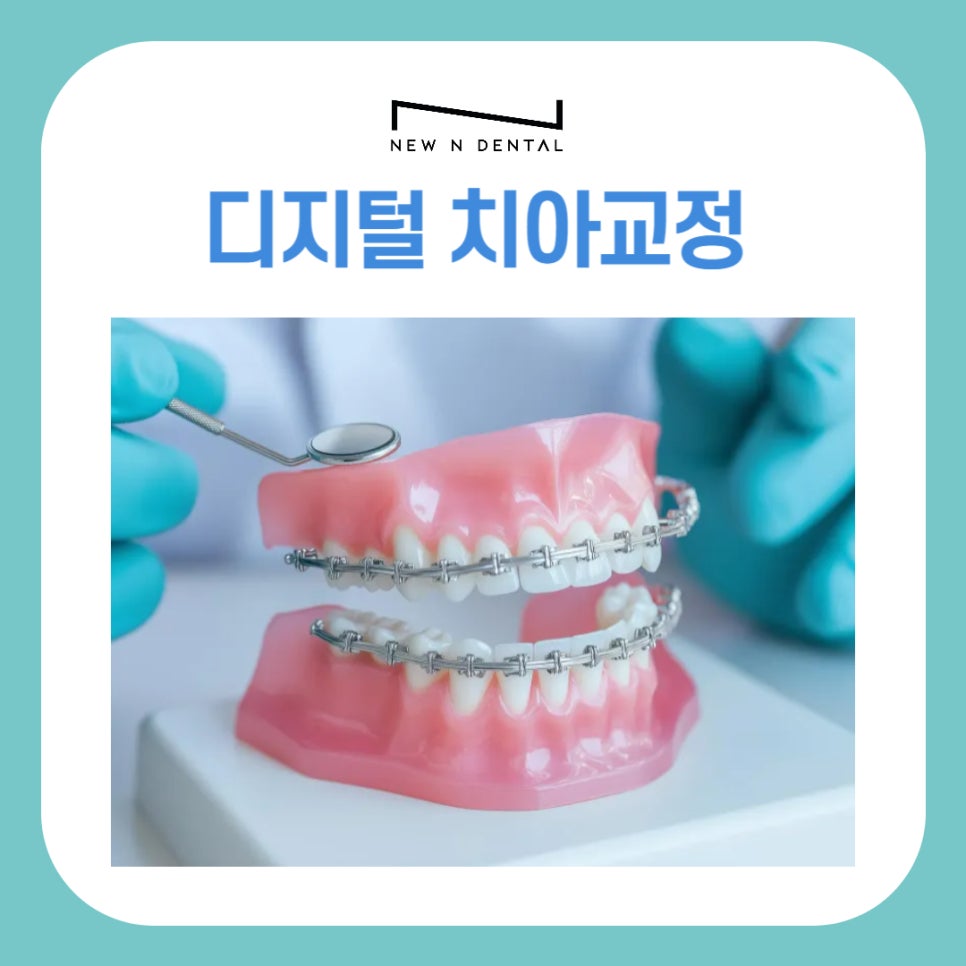
Hello. This is Gangnam New N Dental Clinic.
The success or failure of orthodontic treatment does not simply depend on which orthodontic appliance is used.
The starting point of orthodontics, and its most important process, is accurate diagnosis.
Many people tend to think of orthodontics as simply the process of aligning crooked teeth, but in fact, orthodontics is a much more complex treatment.
This is because it requires consideration not only of tooth alignment, but also jawbone position, the balance of both temporomandibular joints, and the harmony of the entire face.
If the diagnosis is incorrect, unnecessary extractions,
TMJ pain, and even retreatment
can follow.
In other words, it is difficult to expect satisfactory treatment results without the right diagnosis.
That is why, in recent years, customized orthodontic diagnosis and treatment using digital equipment have been receiving attention as a way to address these issues.
What is orthodontics using digital equipment?
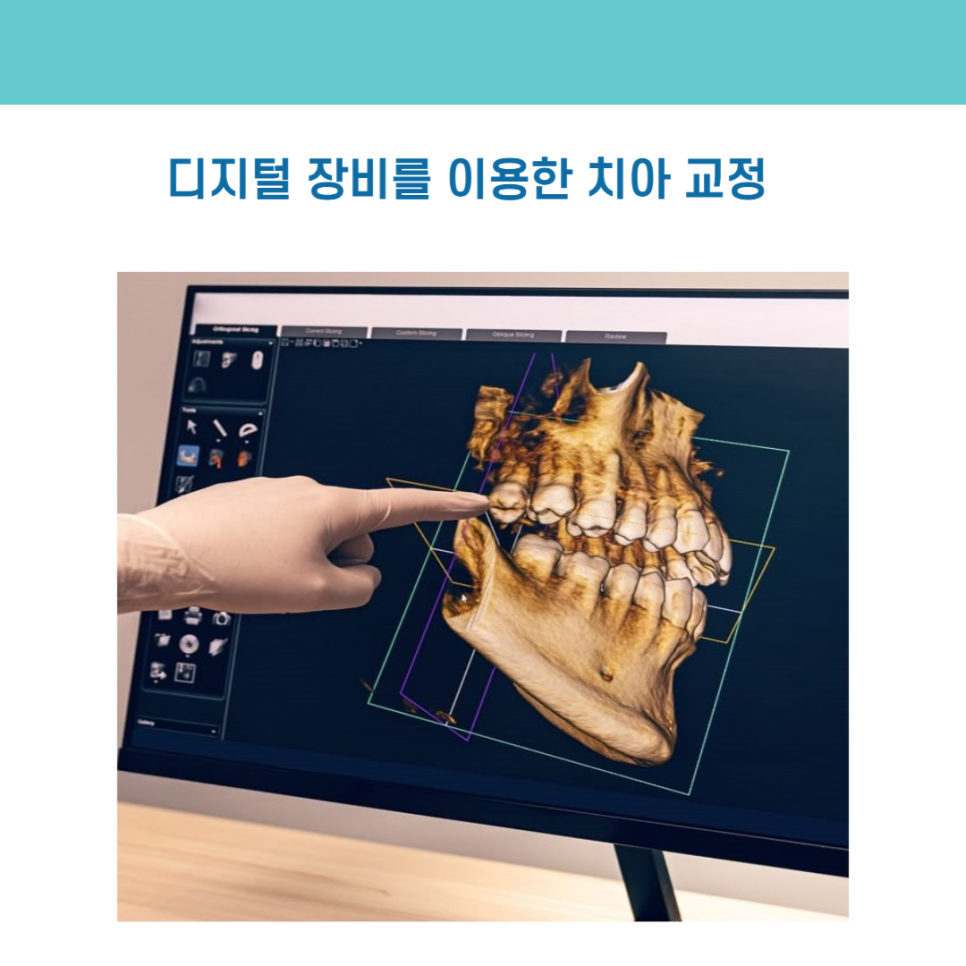
In the past, orthodontic treatment plans relied heavily on the clinician’s experience and intuition.
But now, with the introduction of advanced digital equipment, more precise and scientific diagnosis and treatment have become possible.
Using various devices, the condition of the patient’s jawbone inside the mouth is analyzed in 3D, appliances are made based on data, and the treatment process is simulated so that outcomes can be predicted and checked.
What kinds of digital equipment are there?
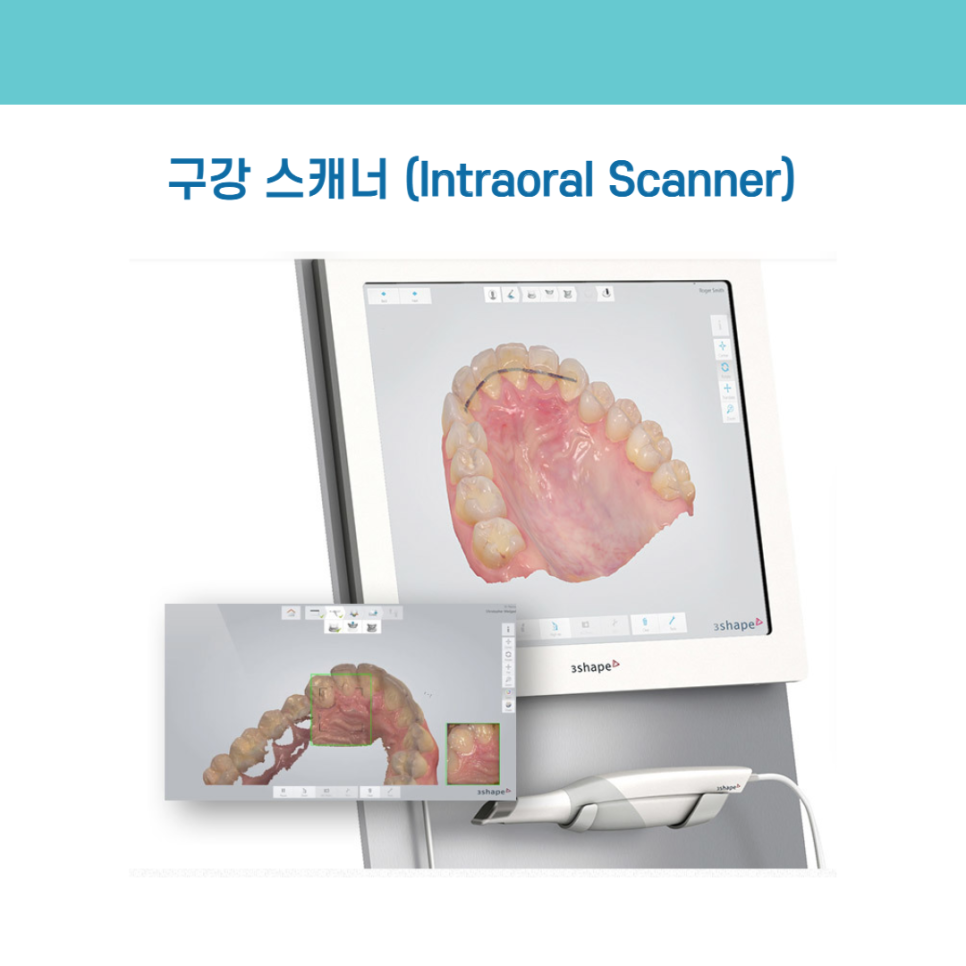
- Intraoral Scanner
An intraoral scanner uses a small camera to directly photograph every corner of the inside of the mouth and obtain 3D digital data.
It analyzes the shape of the teeth and the occlusal relationship from multiple angles, minimizes errors, and converts the information into data that can be stored separately for each patient and viewed anytime.
Above all, it helps minimize discomfort during the impression-taking process.
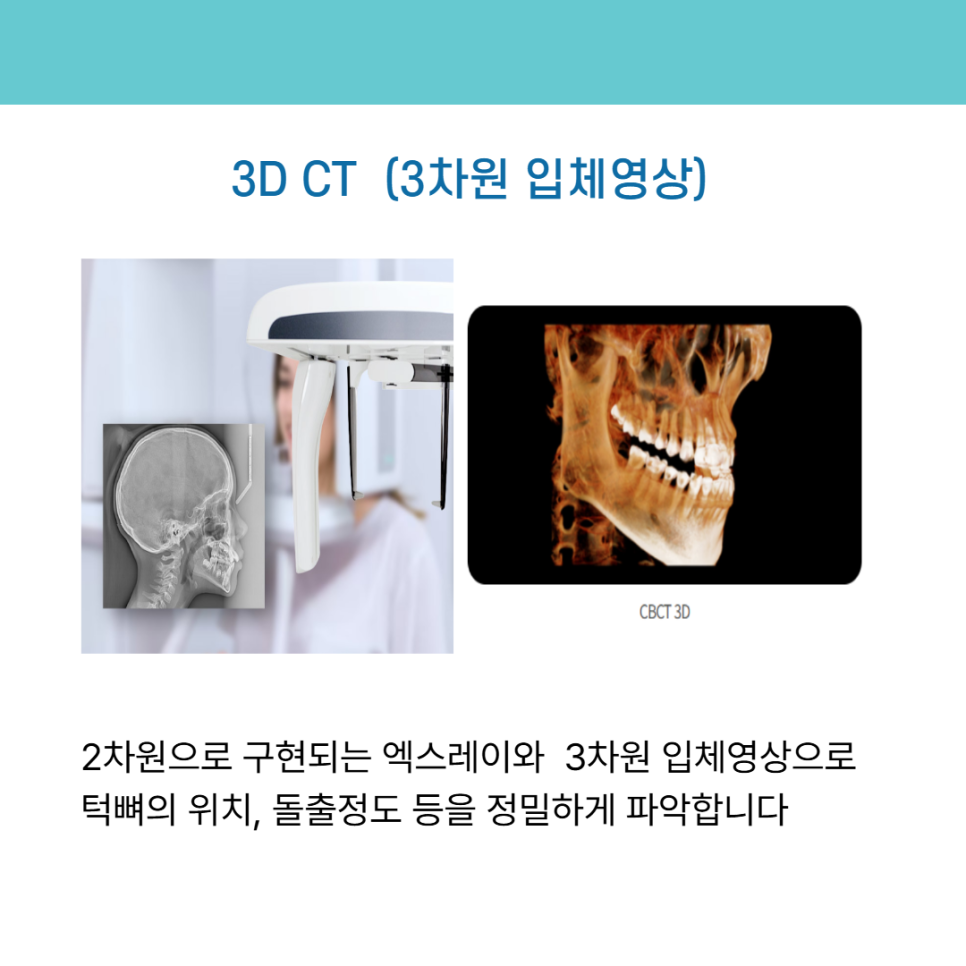
- 3D CT (CBCT)
Conventional X-rays used in dentistry are called panoramic or cephalometric images, and they are produced as 2D images.
With regular X-rays, it is difficult to accurately determine bone thickness or nerve position. In contrast, 3D CT allows a three-dimensional view of the jawbone, tooth roots, nerves, and temporomandibular joint.
Therefore, it can help assess important factors in orthodontic treatment such as whether extraction is necessary, the position of the jawbone, the occlusal relationship, the location of impacted teeth, and TMJ disorders.
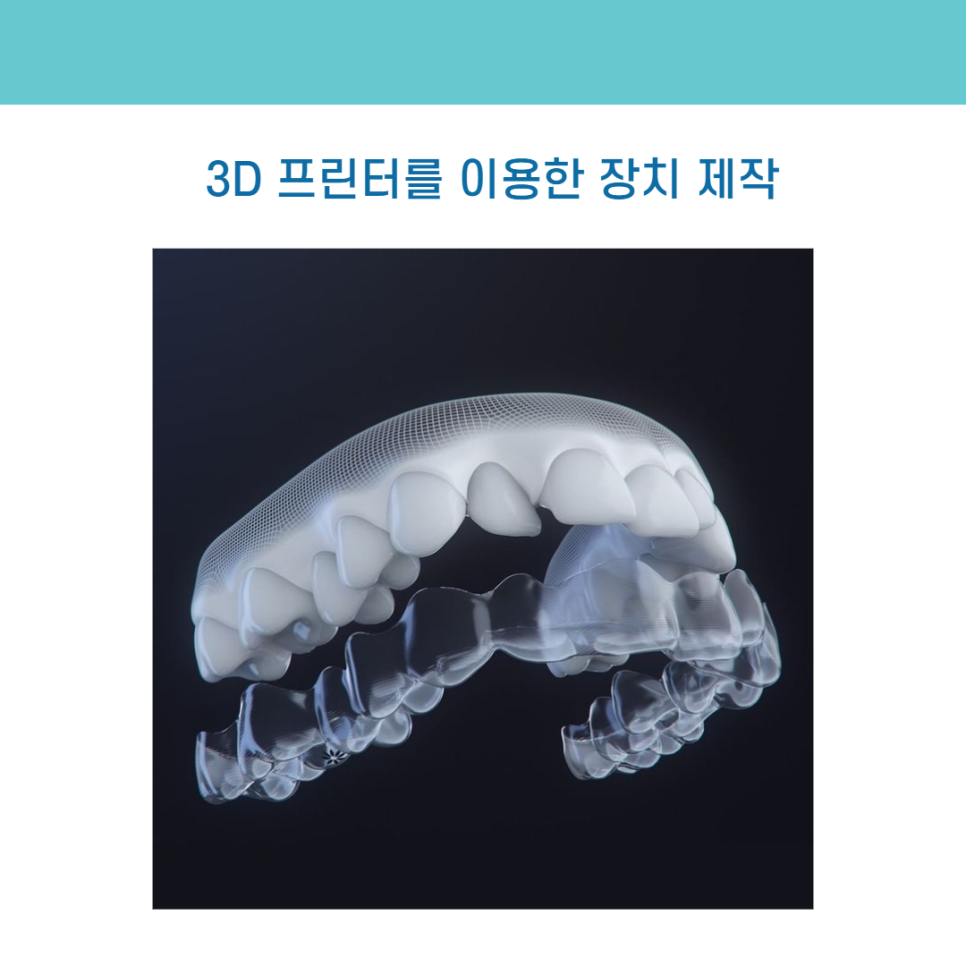
- 3D Printer
Based on data obtained from scans or CT images, actual models or appliances can be printed.
For example, it is used when making clear aligners or customized auxiliary devices.
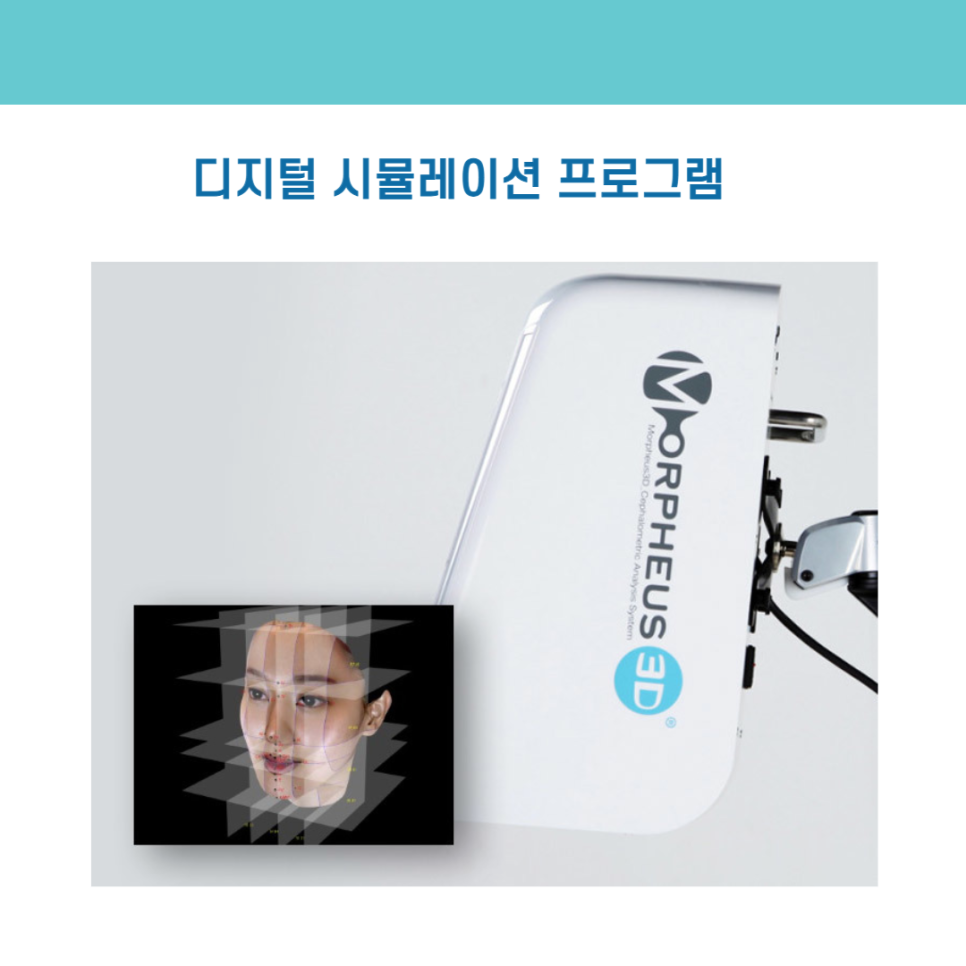
- Digital Simulation Program
Using a dedicated 3D facial scanner, the tooth movement path and final results can be previewed in 3D on a computer screen even before treatment begins. By seeing the predicted post-orthodontic condition, patients can more accurately understand what they want in terms of their teeth and facial appearance.
Through consultation with the patient, the clinician can design the optimal movement path, helping ensure a satisfying treatment process.
In particular, because the changes in soft tissue are rendered beyond the hard tissue changes (jawbone position and occlusal relationship), the visual changes are felt much more strongly.
What are the advantages?
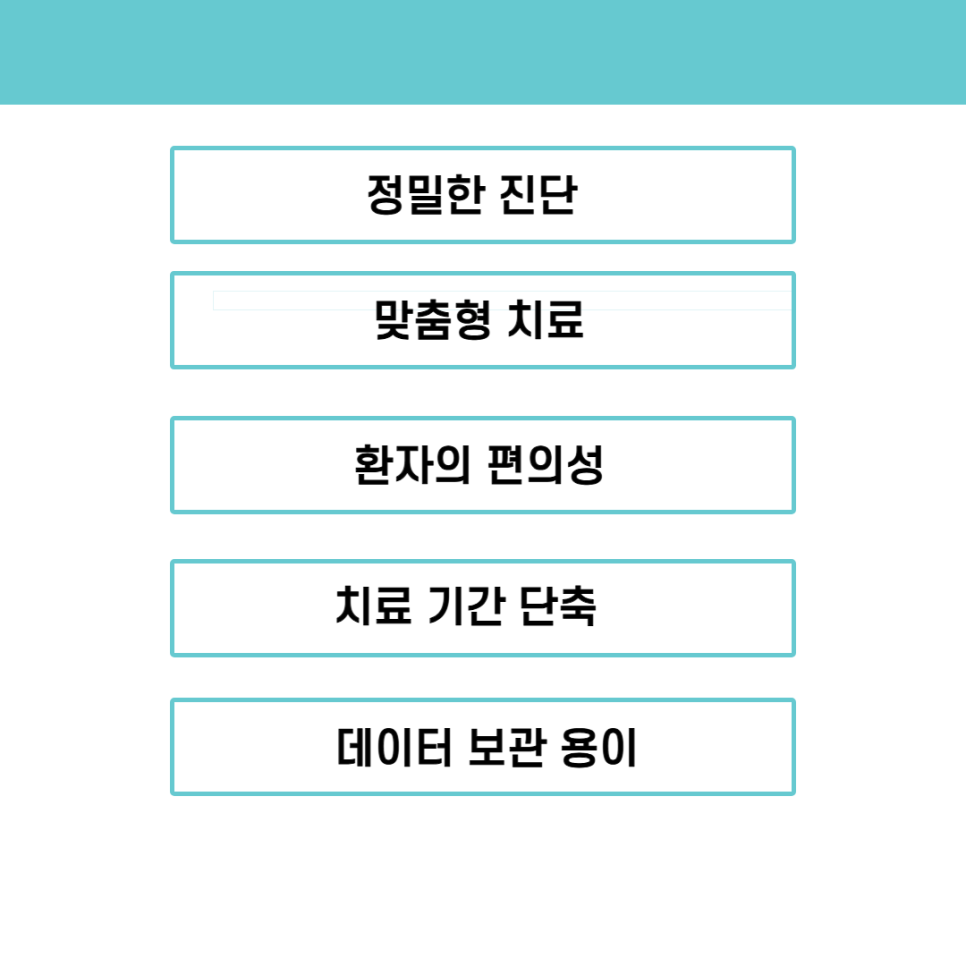
- Precise diagnosis is possible
Teeth are very sensitive structures that can change even with a movement of 0.1 mm. By diagnosing down to the smallest differences, it is possible to check not only tooth alignment but also the alveolar bone, gums, and nerves, reducing the risk of side effects.
- Customized treatment is possible
Orthodontic appliances can be made based on individual data, reducing unnecessary force and promoting efficient tooth movement.
- It shows predictable results
Because the before-and-after treatment appearance can be previewed through simulation, patient satisfaction is high.
- Patient discomfort is reduced
The uncomfortable impression-taking process is reduced, and hygiene management becomes easier.
- Treatment time is shortened
Because appliance fabrication and adjustment processes are automated, the intervals between visits and the overall treatment period may be reduced.
- Data is easy to store
Digital data can be stored for a long time, making it easy to compare progress or check results if retreatment becomes necessary.
“Orthodontic treatment using digital equipment is
not merely a change in system,
but an innovation that improves
patient experience and satisfaction.”
It is no exaggeration to say that the key to orthodontic success begins with accurate diagnosis.
That is because the results vary depending on how accurate and precise the diagnosis is.
To increase patient satisfaction and minimize errors as much as possible, customized orthodontic treatment using digital equipment is important.
If you are considering orthodontic treatment, you should check what digital equipment the clinic has, whether it is actually being used for patients, and how it is utilized during the treatment process.



 Previous image
Next image
Previous image
Next image
#DigitalOrthodontics #GangnamStationOrthodontics #GangnamOrthodonticClinic