
Anterior tooth implant placement
What should you be careful about?
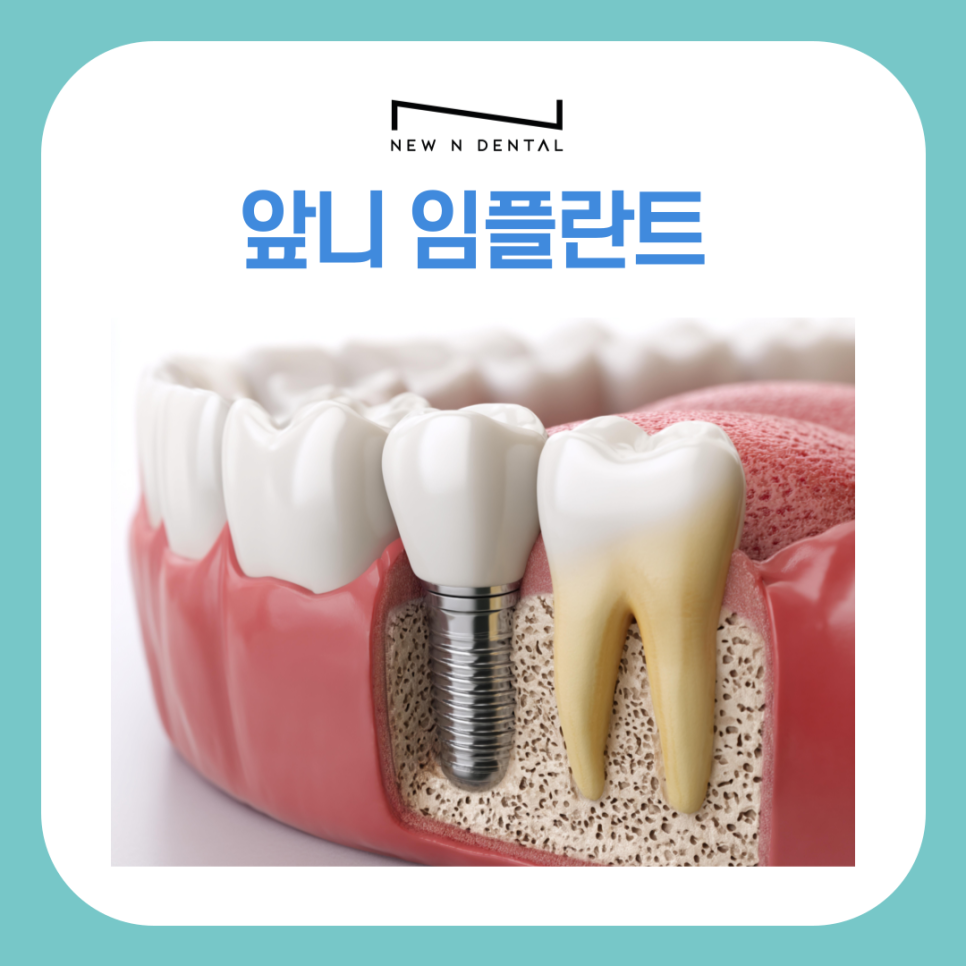
Teeth do more than simply chew food; they also have a major impact on pronunciation, smiles, and overall facial impression.
In particular, the front teeth are the first part people see when facing someone, so both health and aesthetic factors are important.
Because teeth are most visible when smiling and also play an important role in speech, losing them can bring significant inconvenience and psychological discomfort.
That is why front teeth require a very delicate approach. Today, we will look at what to be careful about during implant placement.
What are the main causes of losing front teeth?
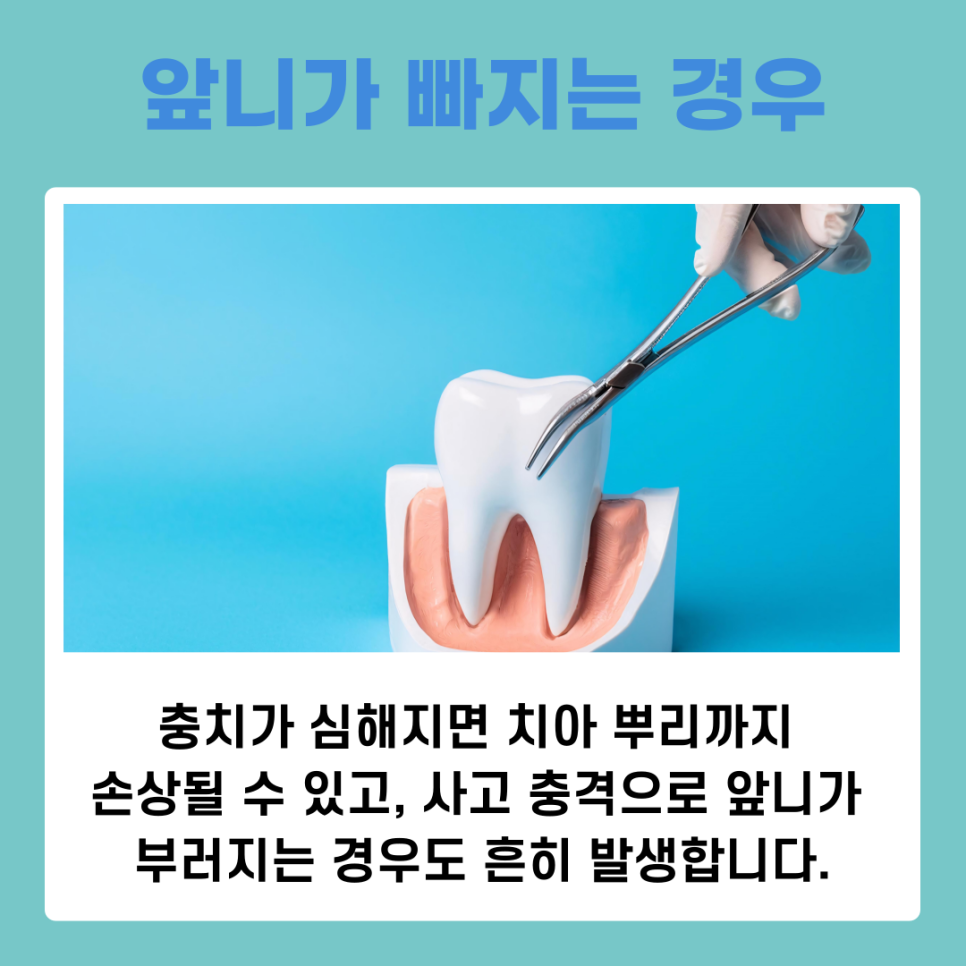
- Cavities and nerve damage
If decay becomes severe and infects the root of the tooth, the tooth may no longer be salvageable and extraction may be necessary.
If you endure after root canal treatment without restoring the tooth with a prosthetic, it often becomes weak and breaks or falls out.
- Trauma (accidents, impact)
Teeth may break or shift position due to traffic accidents, impacts during sports, or sudden falls.
Children and teenagers are often active, so extraction due to this kind of trauma sometimes occurs.
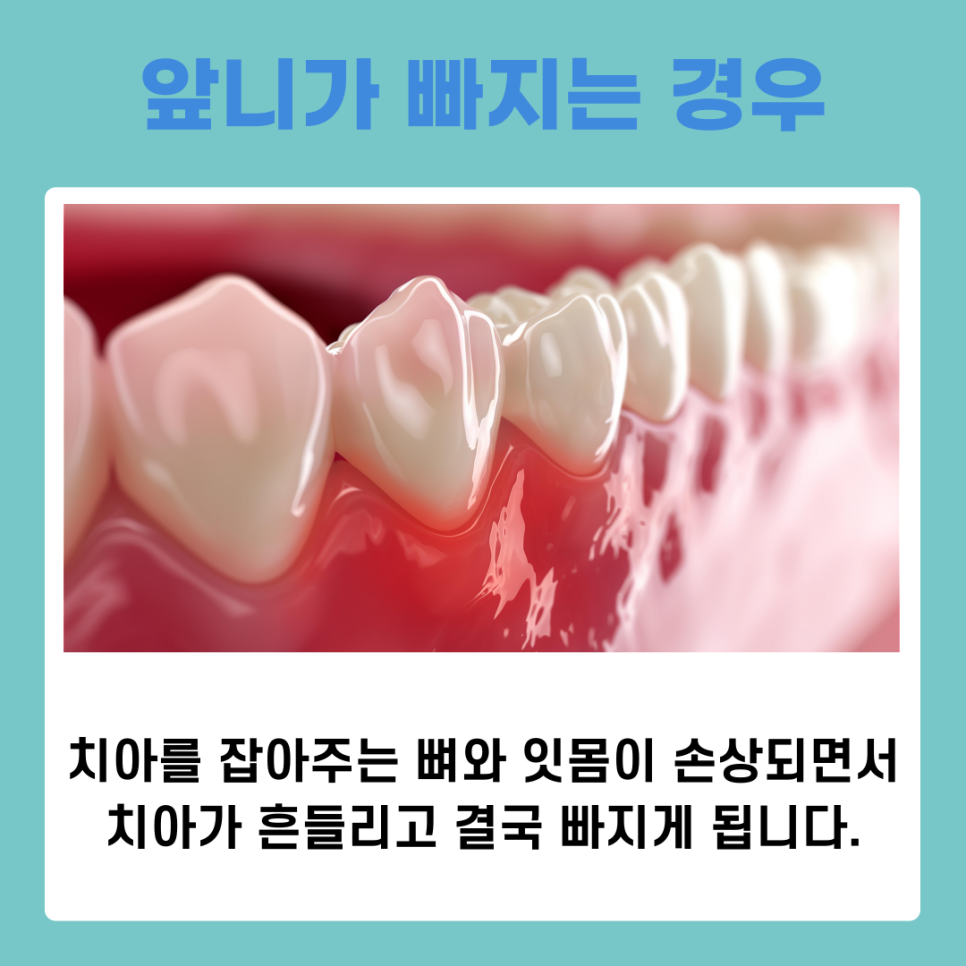
- Periodontal disease (gum disease)
This is a gum disease that accounts for a large proportion of patients visiting the dental clinic.
As the bone and gums that support the teeth are damaged, the teeth become loose and eventually fall out.
- Congenital absence
Although uncommon, some people are born without certain teeth forming at all.
In some cases, the small front tooth is missing, and in other cases, the absence of a small molar can cause teeth to shift, leaving spaces in the dental arch.
When front teeth are lost due to accidents, cavities, or gum disease, implants become a necessary option.
In such cases, what should you pay close attention to?
What are the characteristics of front tooth implants?
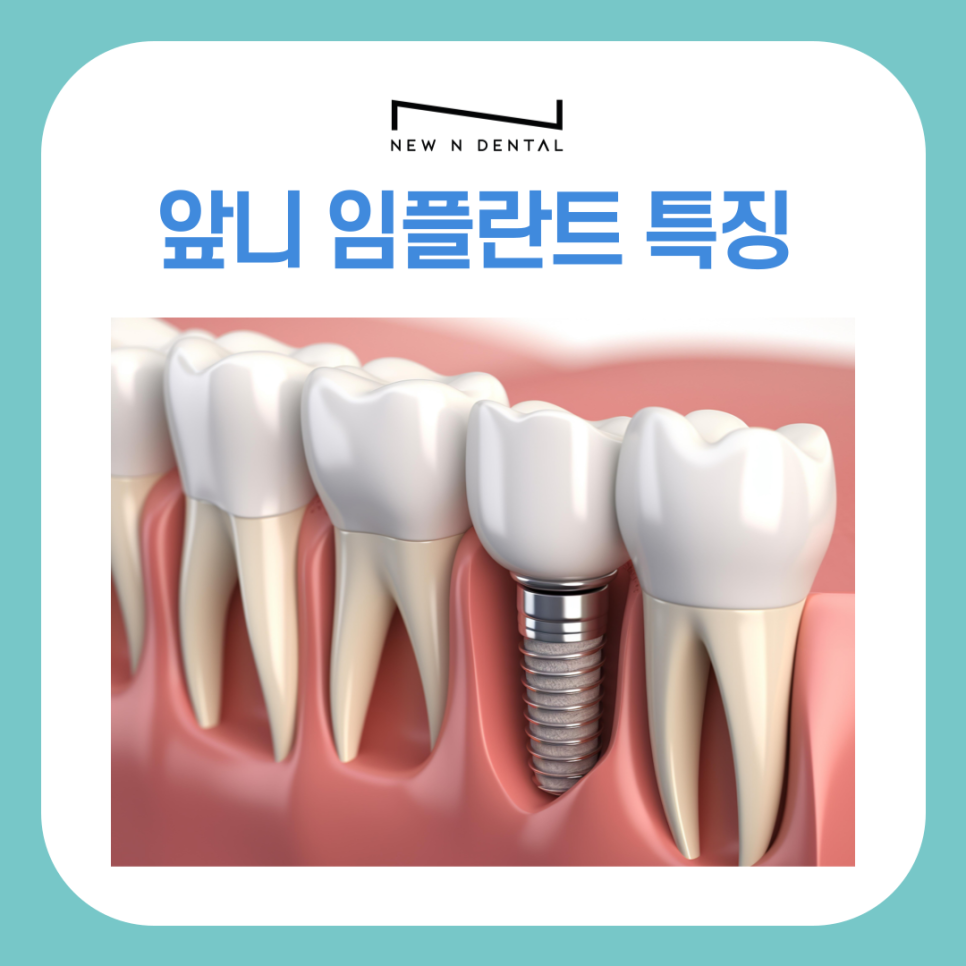
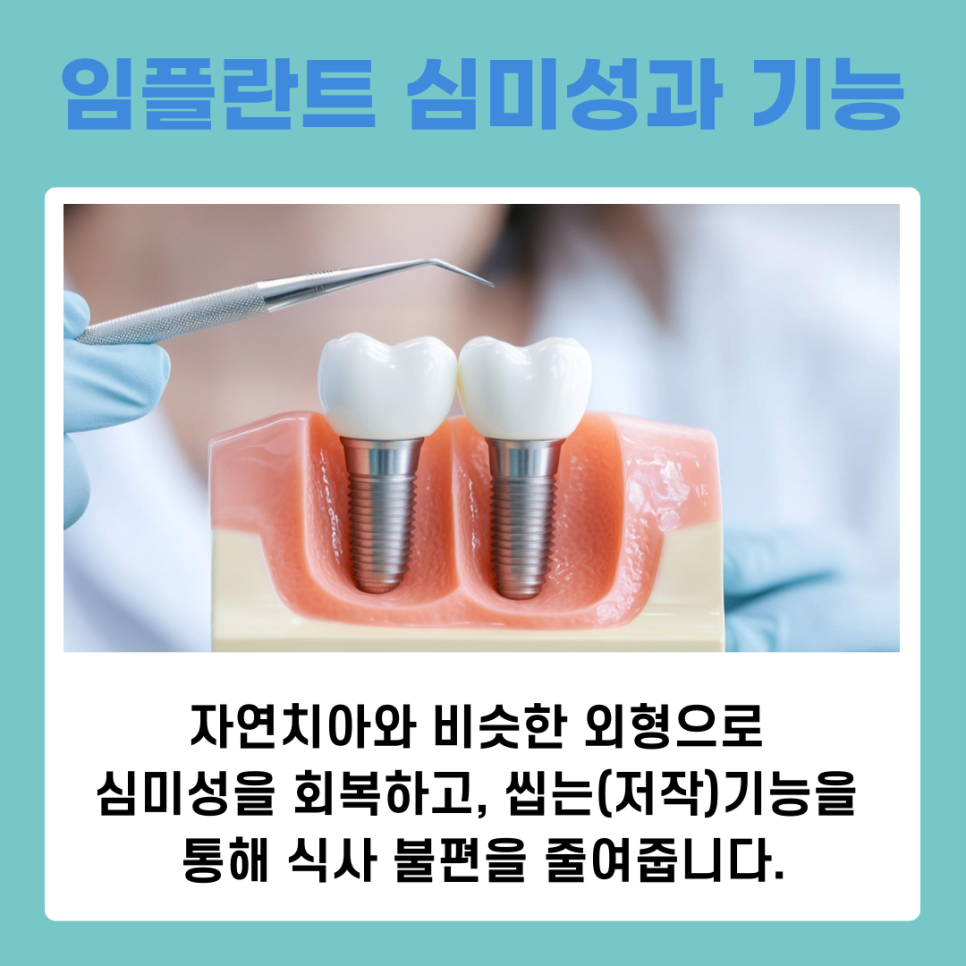
Implants can be applied to all teeth, but the front tooth area has several special considerations.
- Aesthetics
Because this is the area most visible when smiling or speaking, aesthetics that look like natural teeth are important.
It is necessary not only to restore function, but also to carefully harmonize the gum line and tooth color.
- Thin jawbone and short gums
The front tooth area often has thinner bone than the molar area, so bone grafting or gum grafting may also be needed when placing an implant.
If the condition of the bone and gums is not properly considered, an aesthetic imbalance can occur.
- Temporary prosthesis
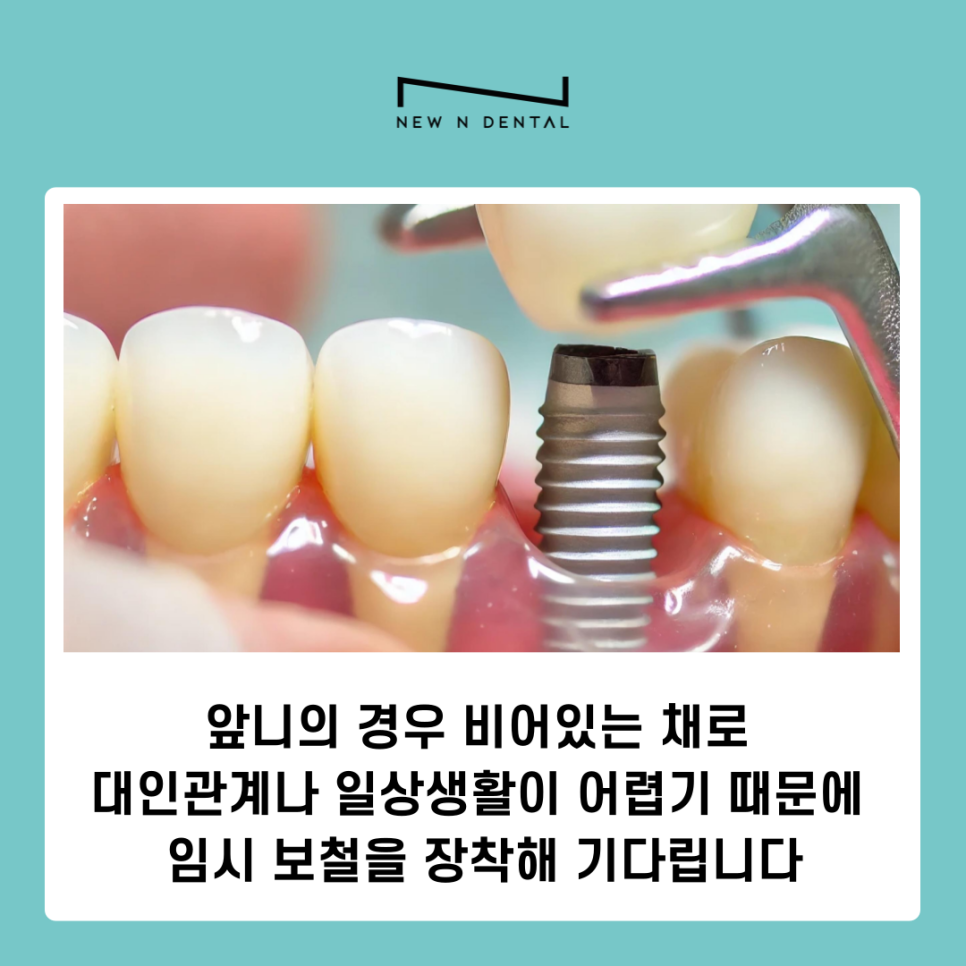
After implant placement, it is necessary to wait while avoiding impact until it integrates with the bone.
However, in the case of front teeth, being left with a gap makes social interactions and daily life difficult, so a temporary prosthesis is attached while waiting.
How can the aesthetics of front tooth implants be improved?
Special devices and prosthetic design techniques are used to maximize natural appearance.
Customized abutment: Instead of metal, highly aesthetic materials such as zirconia are used so that the part visible through the gum does not look dark, and the gums appear naturally translucent.
Temporary prosthesis: Before the final prosthesis is placed, a temporary tooth is fitted to guide the gum shape and give the patient time to adapt. This makes the final result look much more natural.
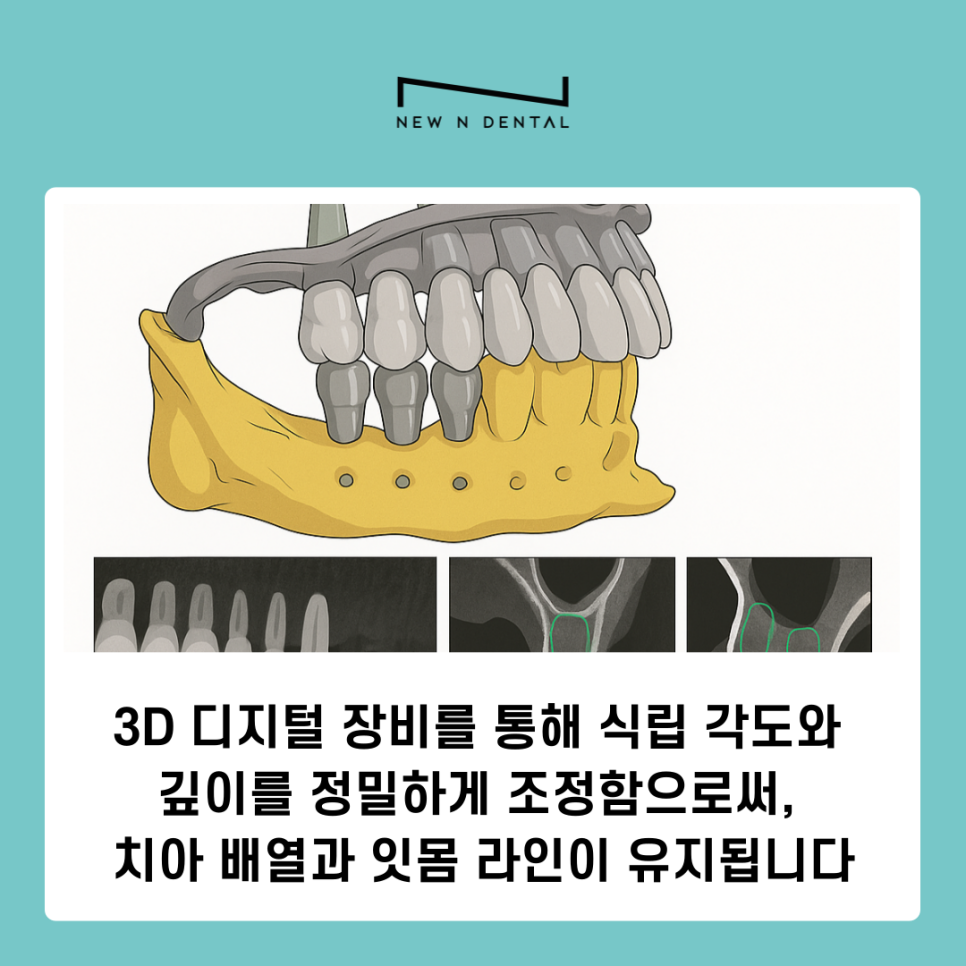
Guide kit: By precisely adjusting the placement angle and depth through 3D digital equipment, the tooth alignment and gum line are kept in harmony.
When these devices and techniques are used appropriately, an implant can go beyond simply replacing a tooth and achieve an aesthetic finish that is almost indistinguishable from a natural tooth.
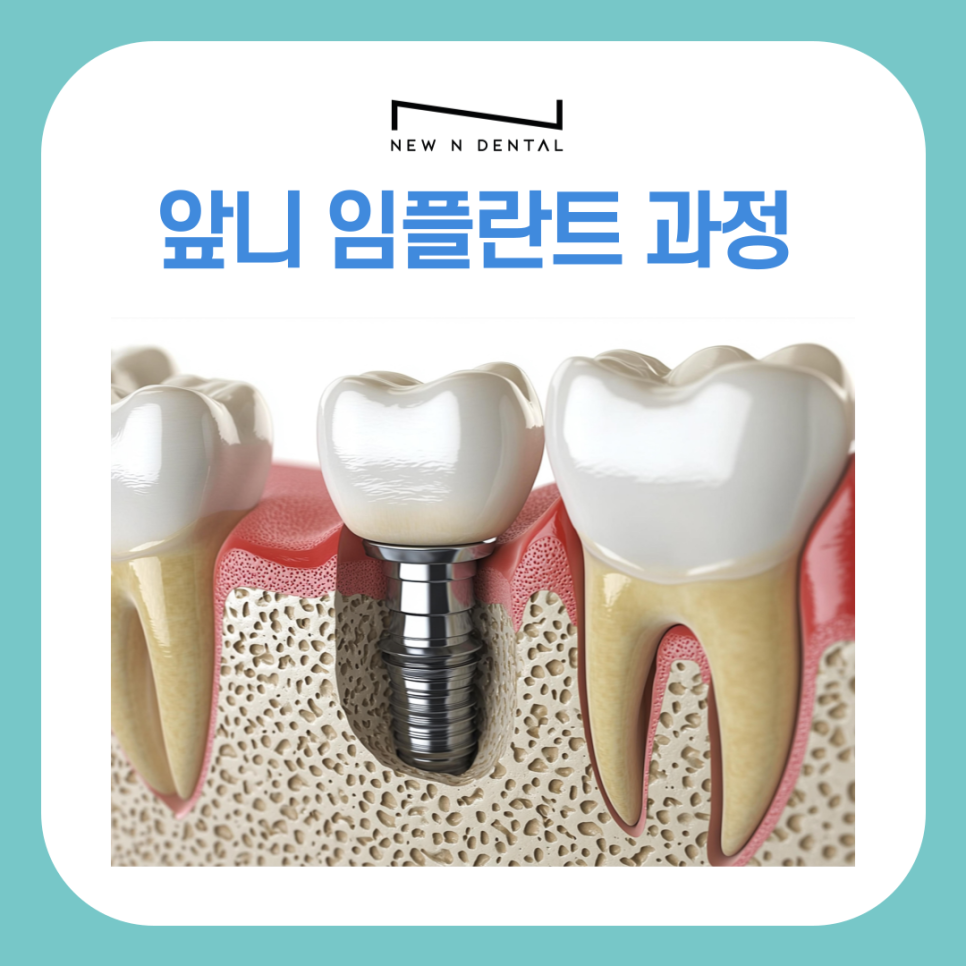
What is the front tooth implant process?
-
Precise diagnosis: A CT scan is used to measure bone thickness and height and check the condition of the gums. In particular, because even slight differences can affect aesthetics in the front tooth area, a precise analysis is essential.
-
Implant placement surgery: If the bone condition is good, surgery is performed to place the artificial tooth root. If needed, bone grafting or gum contouring may be performed together.
-
Healing period: Usually, you wait 2 to 4 months for the bone and implant to bond firmly. During this period, a temporary tooth can be used to maintain appearance and speech.
-
Placement of the final prosthesis: A custom prosthesis matched to the patient's tooth color, size, and gum line is made and placed. In this process, both natural aesthetics and pronunciation are considered.
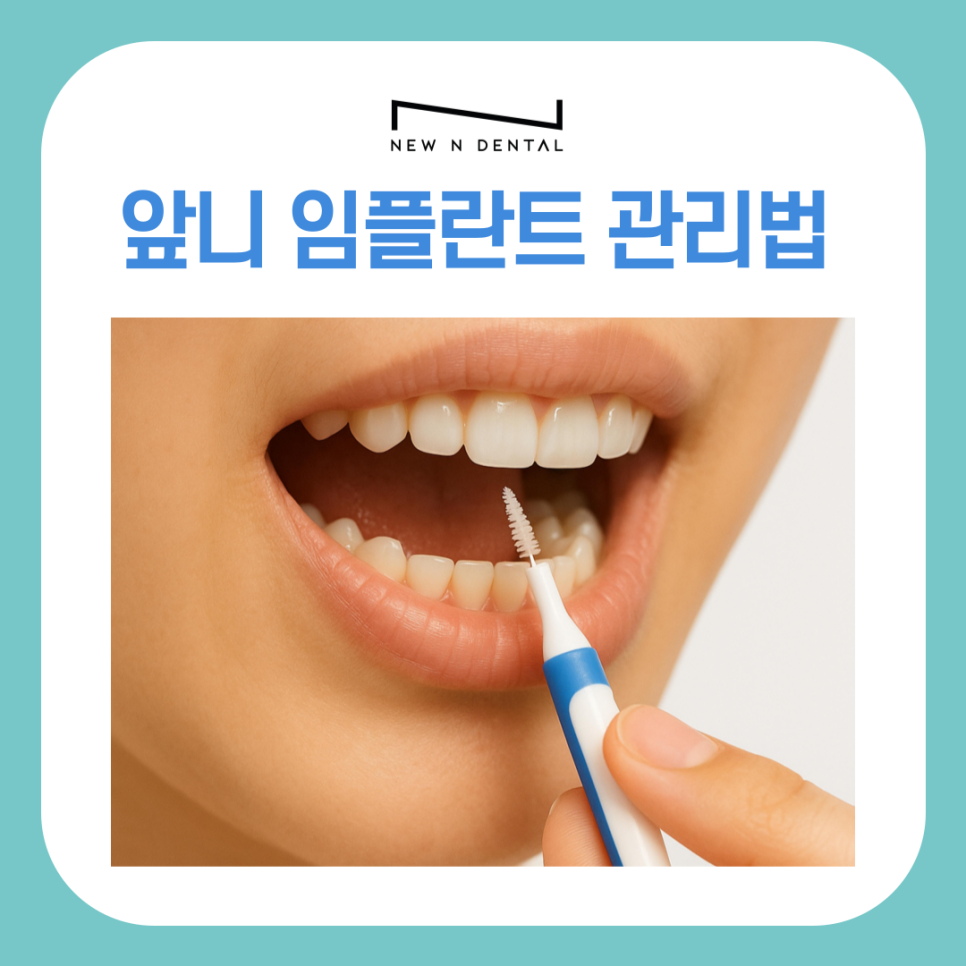
How should front tooth implants be cared for?
Because aesthetic satisfaction is important, post-procedure care must also be thorough.
-
Implants do not have periodontal ligaments that absorb external impact, so you should avoid hard foods and reduce the habit of biting or cutting with the front teeth.
-
To extend longevity, cleanliness between the gums must be maintained using interdental brushes and floss.
-
Check the condition of the gums and bone through regular dental visits.
Implants are one of the most effective treatments for replacing missing teeth, and especially a high-difficulty treatment that must consider both aesthetics and function.
It is not simply about replacing a tooth, but a process that helps restore the patient's smile and confidence.
If the front teeth are damaged or lost, it is important not to stop at simply filling the gap, but to receive personalized implant treatment suited to you through an accurate diagnosis and consultation with a specialist dental clinic.







Previous image
Next image
#FrontToothImplant #FrontToothImplantPlacement #FrontToothImplantPrecautions