
Gum Bleeding in Seocho-dong Dental Clinic
Why You Should Not Ignore It
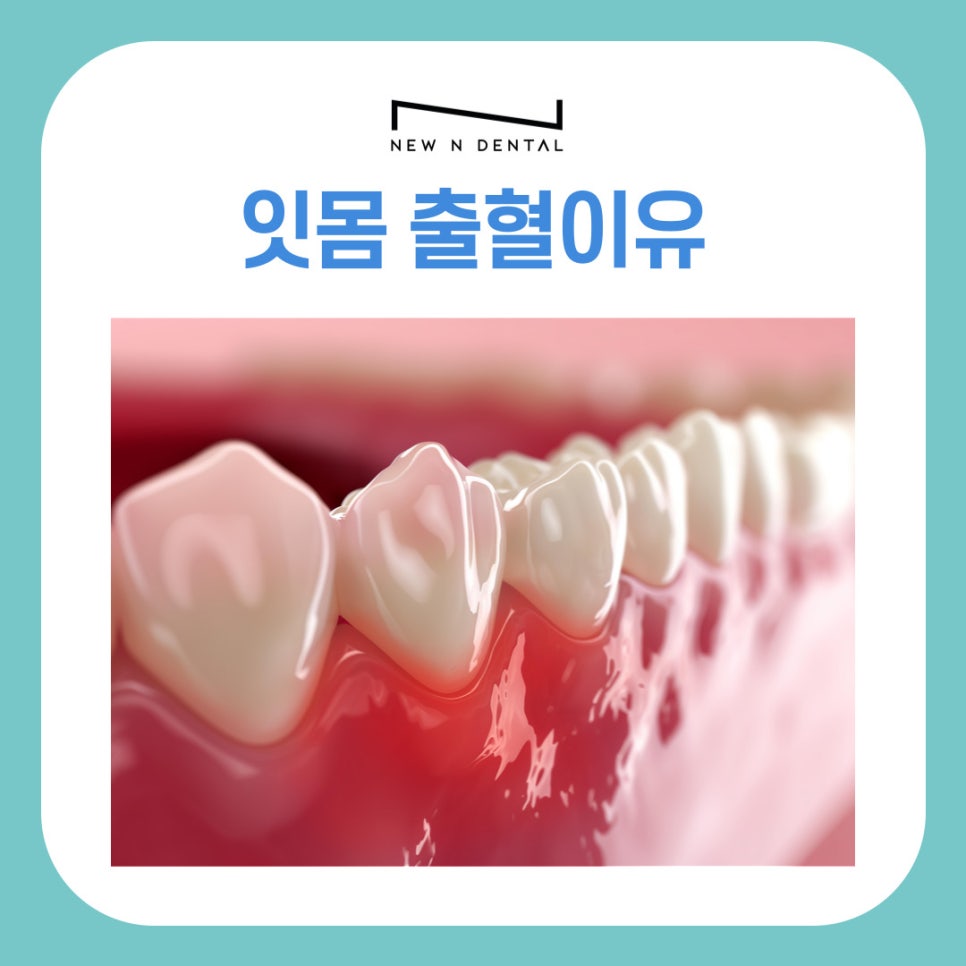
Many people have experienced bleeding while brushing their teeth or seeing a red mark after biting into an apple. Many people think of this as a simple occurrence and let it pass without concern, but in fact, gum bleeding can be a sign that something is wrong with oral health.
Especially if it is an early sign of conditions such as gingivitis or periodontitis, the condition can become more serious if not managed early. Today, we will look at the reasons gum bleeding occurs and the response and treatment methods you should know before it worsens into gingivitis or periodontitis.
Causes of gum bleeding

Gum bleeding occurs for various reasons. The most common cause is plaque and tartar. When bacteria accumulate at the boundary between the teeth and gums, inflammation develops, and as a result, bleeding can easily occur when brushing. Improper brushing habits can also be a cause. Scrubbing too hard or using bristles that are not soft can irritate the gums and lead to bleeding.

Nutritional deficiencies also play a role. If you are lacking vitamin C or K, blood vessels become weaker and bleeding can happen more easily. Hormonal changes also have an effect. During pregnancy or adolescence, changes in hormonal balance can cause swelling and make bleeding more likely. In addition, systemic conditions such as diabetes and blood disorders can also cause bleeding.
Gingivitis symptoms

Gingivitis refers to a condition in which inflammation occurs only in the gums. The most typical gingivitis symptoms are bleeding when brushing, swelling, redness, and itching. In the early stages, pain is often not severe, so it is easy to overlook. However, if left untreated, the space between the gums and teeth becomes deeper, bacteria multiply further, and the condition worsens.
Periodontitis pain
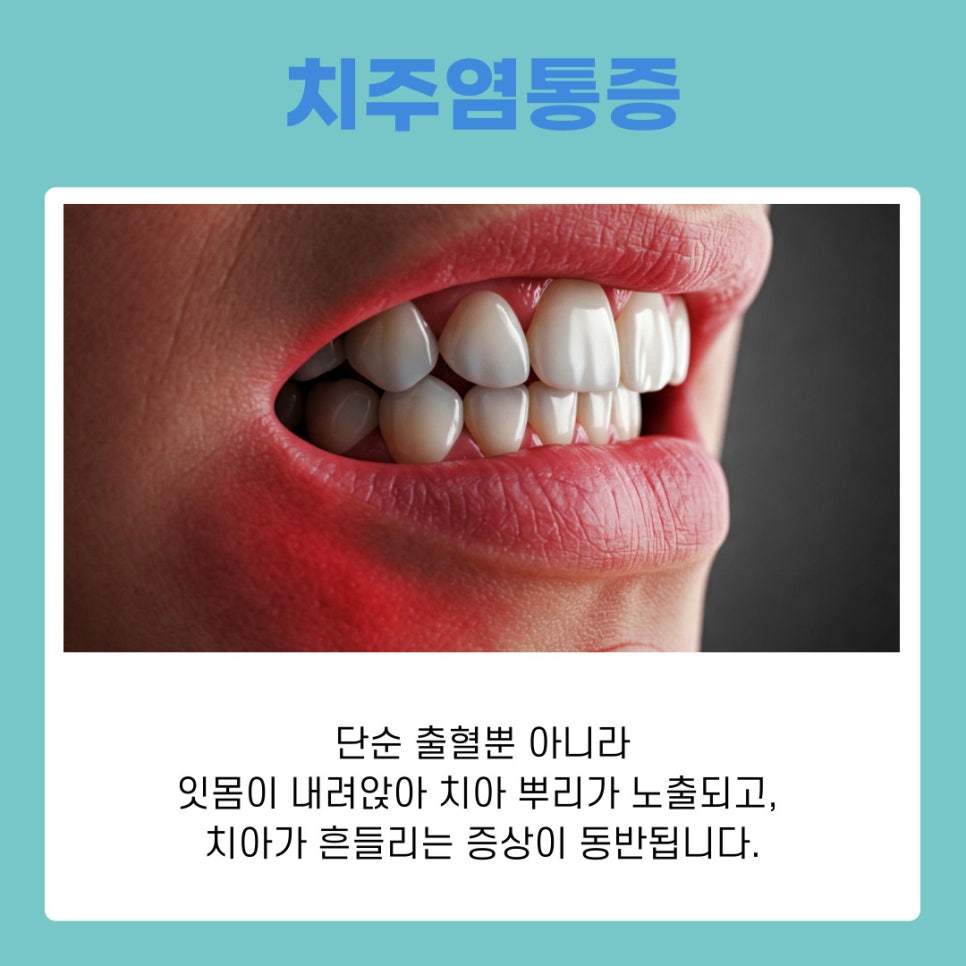
If gingivitis is not treated in time, it can progress to periodontitis. At this stage, in addition to simple bleeding, the gums recede, exposing the tooth roots, and the teeth may become loose. The gum pockets (periodontal pockets) deepen, pus may form, and bad breath worsens, increasing discomfort in daily life. In severe cases, it can lead to tooth loss, so periodontitis is absolutely not a condition to take lightly.
How to respond to gum bleeding

When gum bleeding occurs, gentle pressure to stop the bleeding can help. Using clean gauze or tissue and pressing for about 5 minutes will often stop the bleeding. At the same time, you should avoid brushing too hard or forcing floss use. A simple ice compress may also help relieve bleeding by constricting blood vessels. However, these measures are only temporary; if bleeding recurs, you must visit a dental clinic to identify the cause.
How is gum bleeding treated?
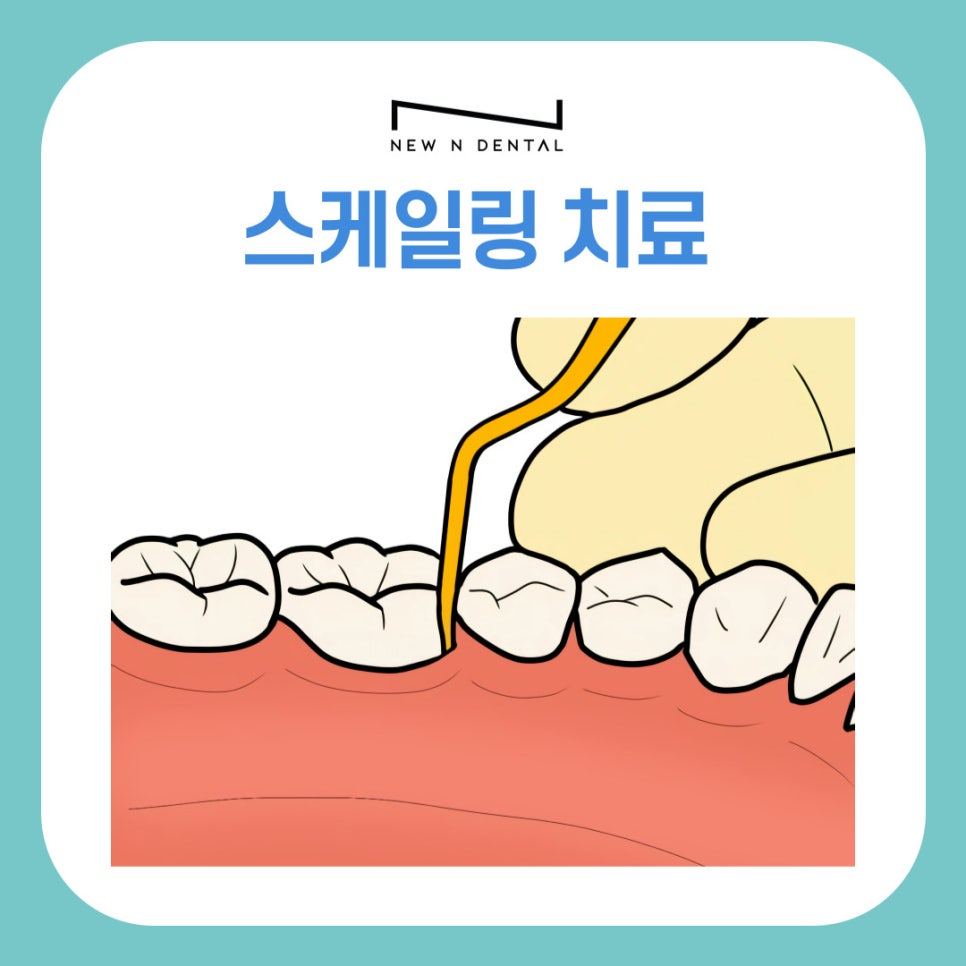
If it is at the gingivitis stage, removing tartar and bacteria through scaling alone can bring significant improvement. However, if it has already progressed to periodontitis, root planing or periodontal surgery may be necessary. In cases where inflammation is severe or bacterial infection is confirmed, antibiotics or anti-inflammatory medications may also be used together. The important point is that treatment must be accompanied by changes in lifestyle habits to prevent recurrence.
Prevention and lifestyle management
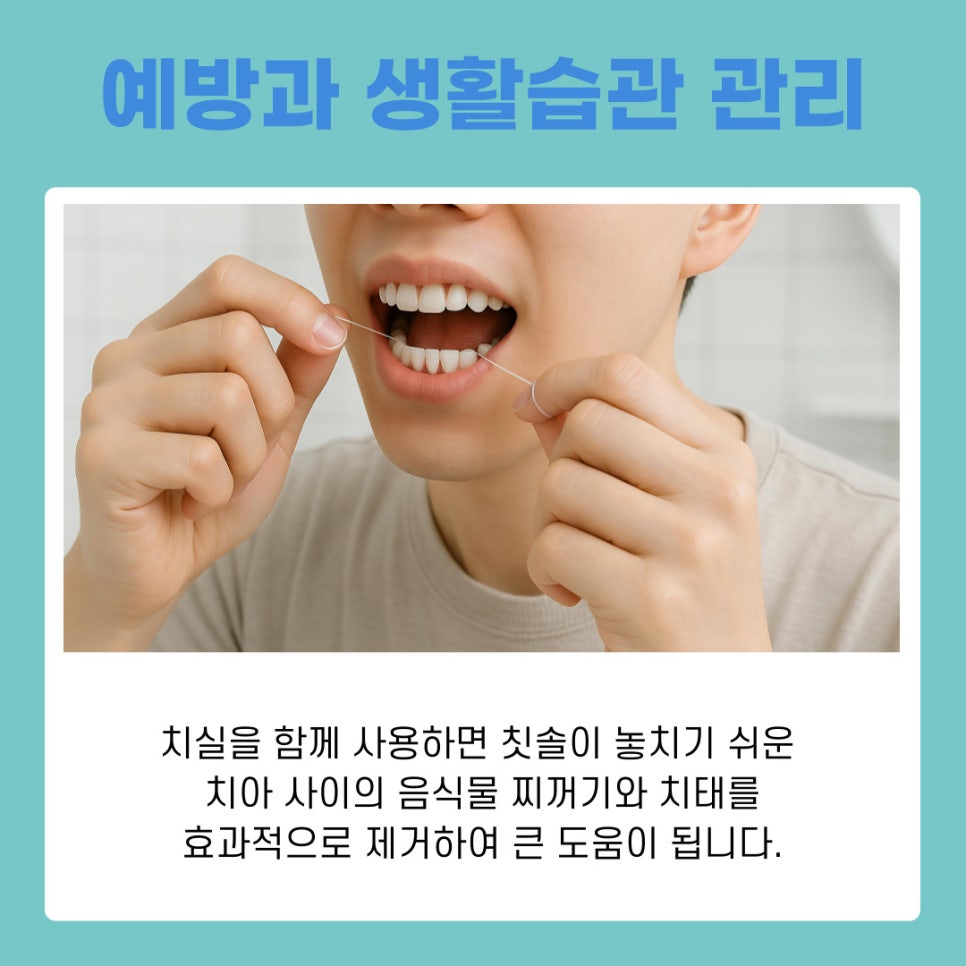
When brushing, it is important not to focus on the number of times but to brush thoroughly for the appropriate amount of time. In particular, you should pay attention to areas that are hard for a toothbrush to reach, such as the inner side of the back molars. Also, using dental floss together with brushing is very helpful for gum health because it effectively removes food debris and plaque between the teeth that a toothbrush can easily miss.
Reducing the intake of sugary drinks and sticky foods, and preventing dry mouth by drinking enough water, also helps. Above all, regular scaling and dental checkups are key to preventing gingivitis and periodontitis.
When dental treatment is definitely needed
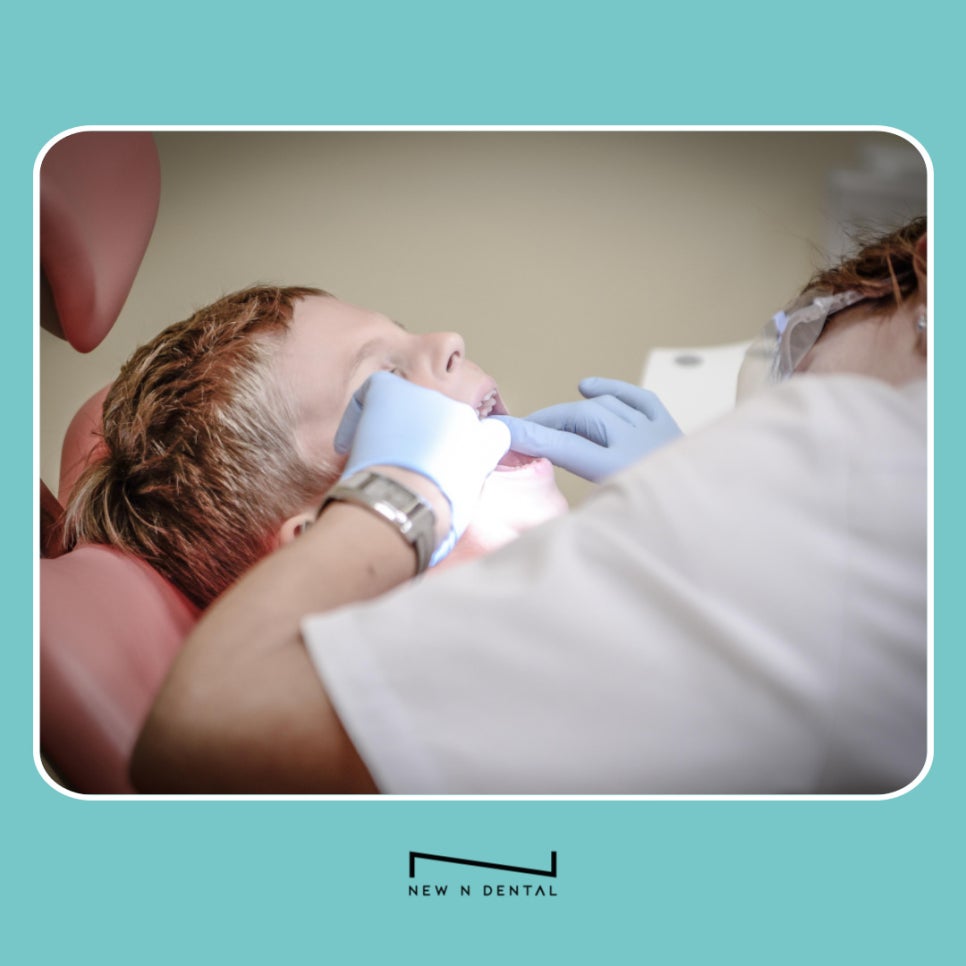
If bleeding keeps recurring, or if the gums swell, pus comes out, and the pain becomes severe, you must receive dental treatment. Also, if the teeth are loose or bad breath continues severely, it may already be at the periodontitis stage, so early treatment is needed. Do not ignore even minor bleeding; receiving professional care as soon as possible is the surest way to protect healthy teeth and gums.
Gum bleeding is a common occurrence, but it can be either a simple temporary symptom or an early sign of gingivitis or periodontitis. The important thing is to visit a dental clinic without delay if bleeding recurs or noticeable changes appear. If proper lifestyle habits and regular care are maintained together, gingivitis and periodontitis can be prevented and healthy gums can be preserved. Small attention and early response are the starting point for protecting dental health for life.







Previous image
Next image
#GumBleeding #ReasonForGumBleeding #GingivitisSymptoms #PeriodontitisPain