
Gangnam Dental Clinic Implant Bone Grafting
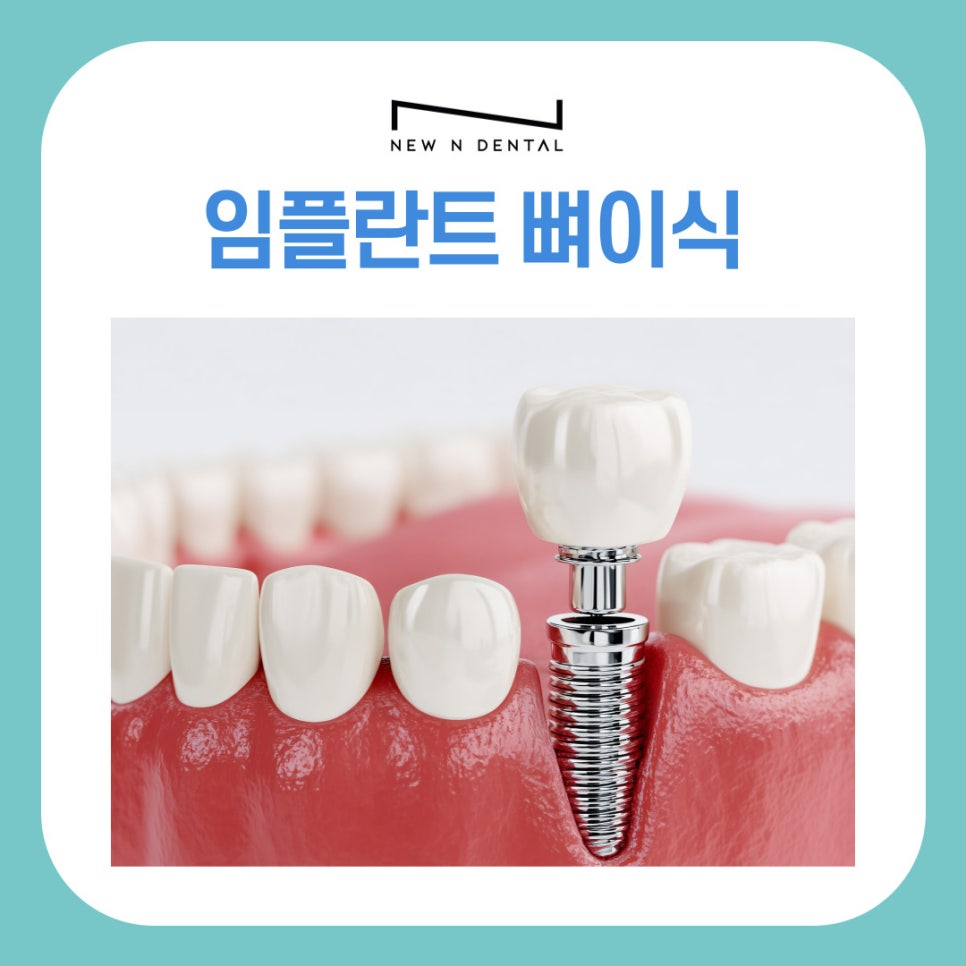
Implants are a comprehensive treatment that takes both the patient’s dental health and overall physical condition into account. In particular, when a tooth has been missing for a long time and the jawbone has been resorbed, bone grafting is often performed before implant placement to secure stable fixation. At this time, the patient’s lifestyle habits, especially smoking and drinking, can have a critical impact on the success rate of the bone graft. Today, let’s look at why smoking and drinking are risky, and what kind of care is needed before and after treatment.
Implant Bone Grafting
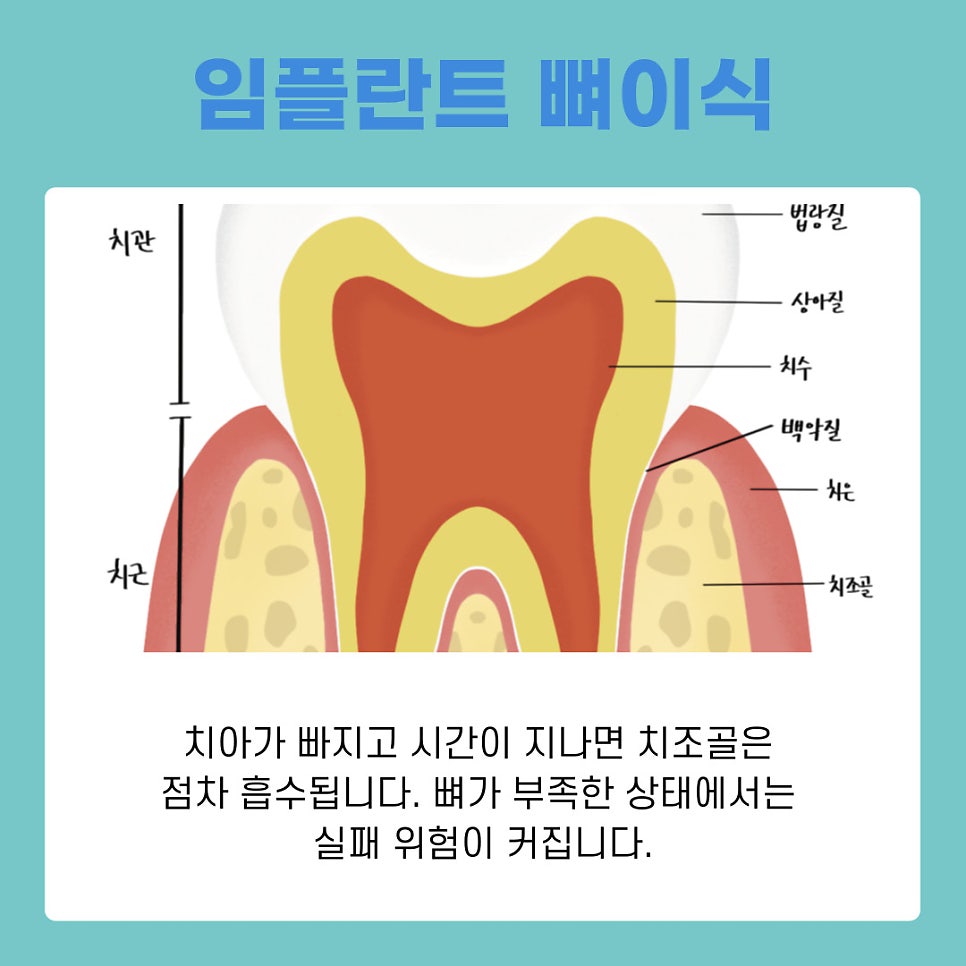
After a tooth falls out and time passes, the alveolar bone gradually resorbs. In such a state where there is insufficient bone, an implant may not be able to be placed, or its stability may be reduced, increasing the risk of failure. The procedure performed to address this is bone grafting. By reinforcing the bone with autogenous bone or synthetic graft materials, the implant can settle in more stably and be used long term.
To carry out this process with greater precision, digital equipment such as 3D CBCT and oral scanners is actively used. Going beyond simple visual inspection, three-dimensional imaging allows for a detailed analysis of bone conditions and major nerves, aiming for a procedure with minimal error. This kind of digital-based diagnosis becomes a key factor in increasing the success rate of bone grafting and implants.
How Smoking Affects Bone Grafting

Reduced blood flow: Nicotine in cigarettes constricts blood vessels, reducing the amount of blood flowing to the surgical site.
When blood supply decreases, oxygen and nutrients are not delivered smoothly, slowing the speed of bone regeneration.
Weakened immunity: Toxic substances in cigarettes interfere with the recovery of gum cells and increase inflammatory reactions. This raises the possibility of infection at the surgical site and interferes with the process by which bone and the implant firmly bond (osseointegration).
Long-term failure risk: According to research results, the failure rate in smokers is more than twice as high as in non-smokers. The difference is even more pronounced when bone grafting is required. Therefore, patients considering implants should start quitting smoking at least two weeks before surgery and must stop smoking during the recovery period after surgery.
How Drinking Affects Implant Bone Grafting
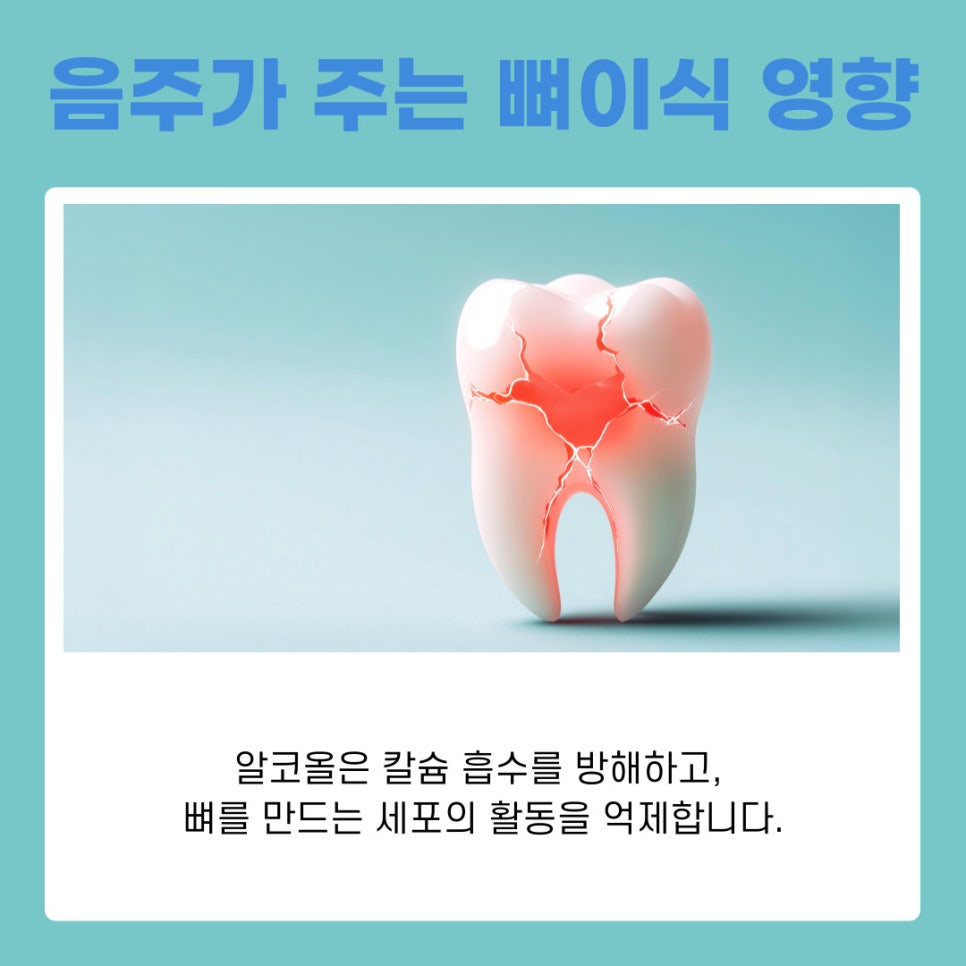
Suppressed immune function: Alcohol weakens the function of immune cells in the body, slowing wound healing and increasing the likelihood of inflammation.
Interference with drug metabolism: Antibiotics or painkillers taken after surgery are metabolized in the liver, and excessive drinking can impair liver function and reduce the effectiveness of the medication. This in turn leads to an increased risk of infection.
Impaired calcium metabolism: Alcohol interferes with calcium absorption and suppresses the activity of cells that build bone. As a result, the graft site may not settle properly, increasing the chance of failure. Therefore, it is recommended to refrain from alcohol not only immediately before surgery but also for at least two weeks after surgery.
The Combined Risks of Smoking and Drinking
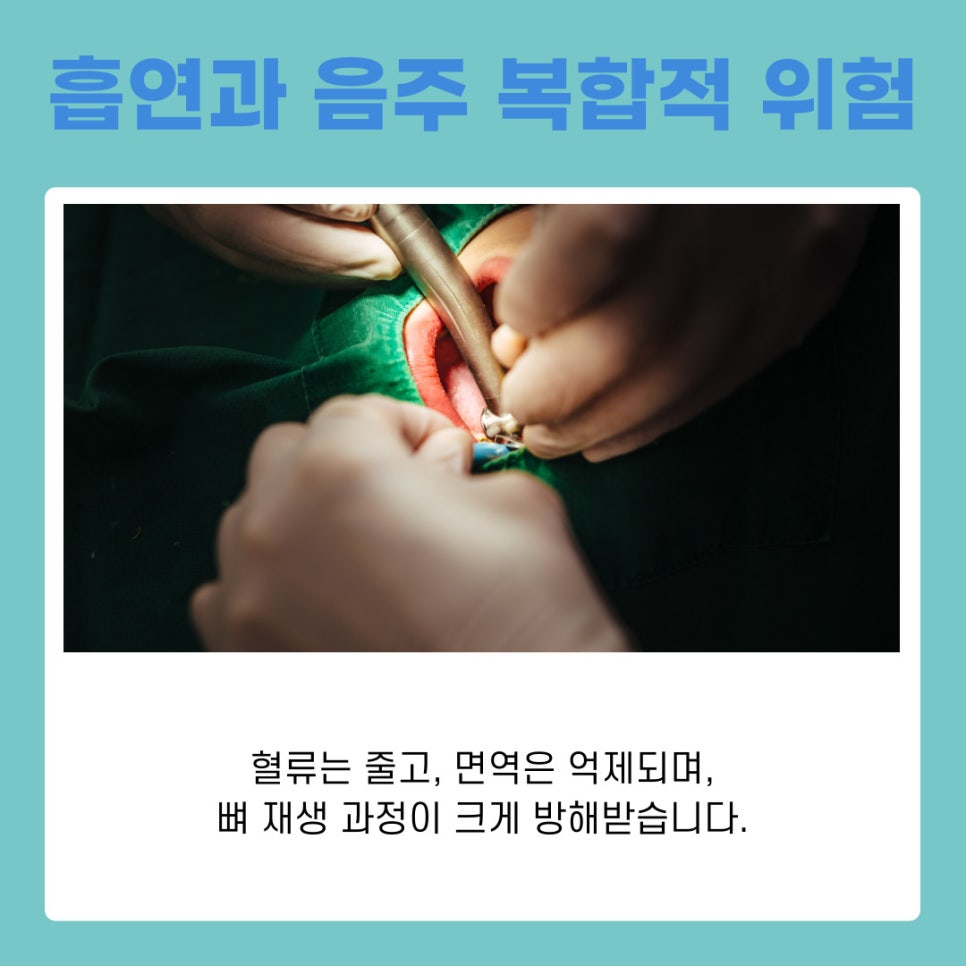
An even bigger problem is when smoking and drinking occur together. Blood flow decreases, immunity is suppressed, and the bone regeneration process is significantly disrupted. In such an environment, even if highly precise digital equipment and experienced medical staff perform the procedure, the possibility of unexpected complications and failure inevitably increases. In the end, it is no exaggeration to say that the key to treatment success depends on the patient’s own lifestyle habits.
Lifestyle Care for a Successful Implant
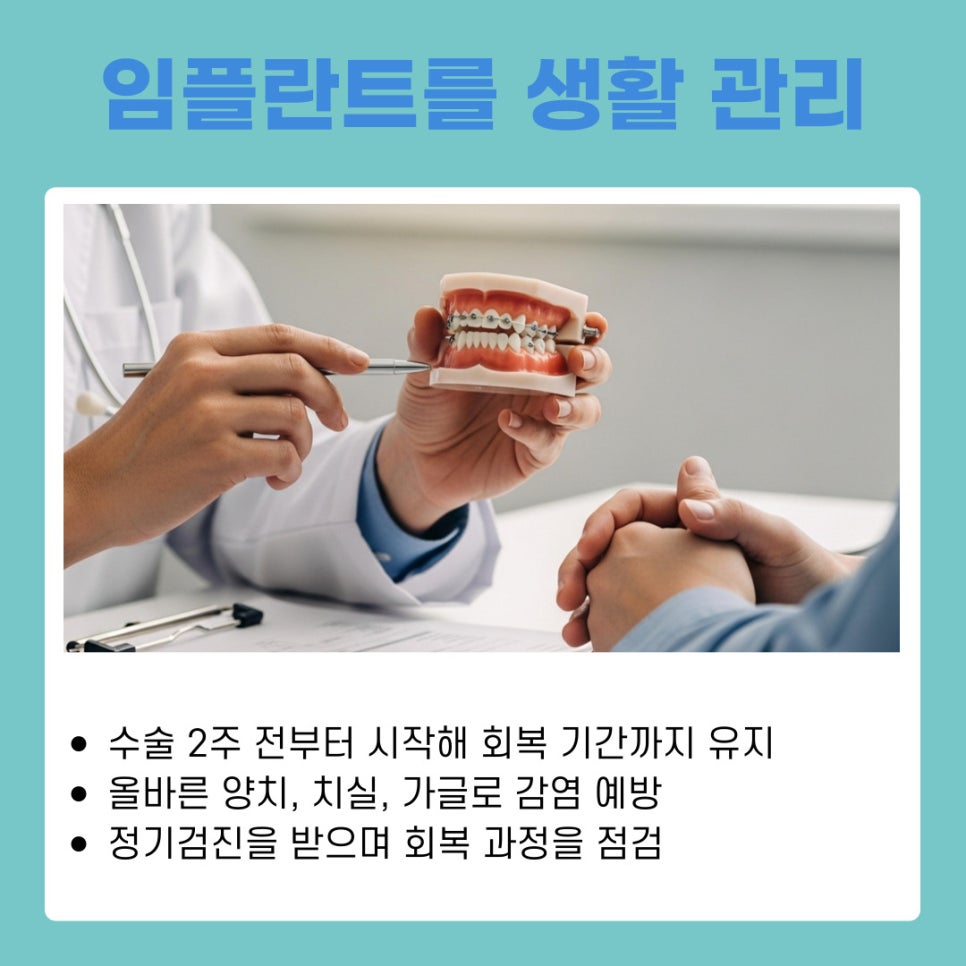
The care measures patients must follow for the success of bone grafting and implants are clear.
Quit smoking and drinking: Start at least two weeks before surgery and continue through the recovery period
Maintain thorough oral hygiene: Prevent infection with proper brushing, flossing, and gargling
Regular checkups are essential: After surgery, receive follow-up examinations according to the medical staff’s instructions and monitor the recovery process
Because lifestyle management depends most importantly on the patient’s own will, a successful implant can only be achieved when the medical staff’s guidance and the patient’s efforts come together.

Implant bone grafting is not a simple surgery, but a treatment in which lifestyle management determines the outcome. Smoking and drinking interfere with bone recovery, increase the risk of infection, and are also critical to the long-term stability of implants.
Gangnam New N Dental Clinic is a place where digital equipment and experienced medical staff work together, pursuing precise and safe treatment. However, for that process to truly shine, the patient’s own efforts must absolutely accompany it. If you are considering implants, we recommend starting to quit smoking and drinking now so that you can protect your healthy smile for a long time.







Previous image
Next image
#ImplantBoneGrafting #ImplantBoneGraftingSmoking #ImplantBoneGraftingDrinking #GangnamDental