
Dental regular checkups
How to prevent cavities
Healthy teeth are said to be a lifelong asset because they are directly linked to quality of life. However, one common problem many patients experience when visiting the dental clinic is cavities. If cavities are found early, they can be treated simply, but if left untreated, they can lead to root canal treatment or, in severe cases, tooth extraction. That is why regular dental checkups and proper oral care habits are more important than anything else. In this article, we will take a closer look at why regular dental checkups are necessary and how to prevent cavities.
Why are regular dental checkups necessary?
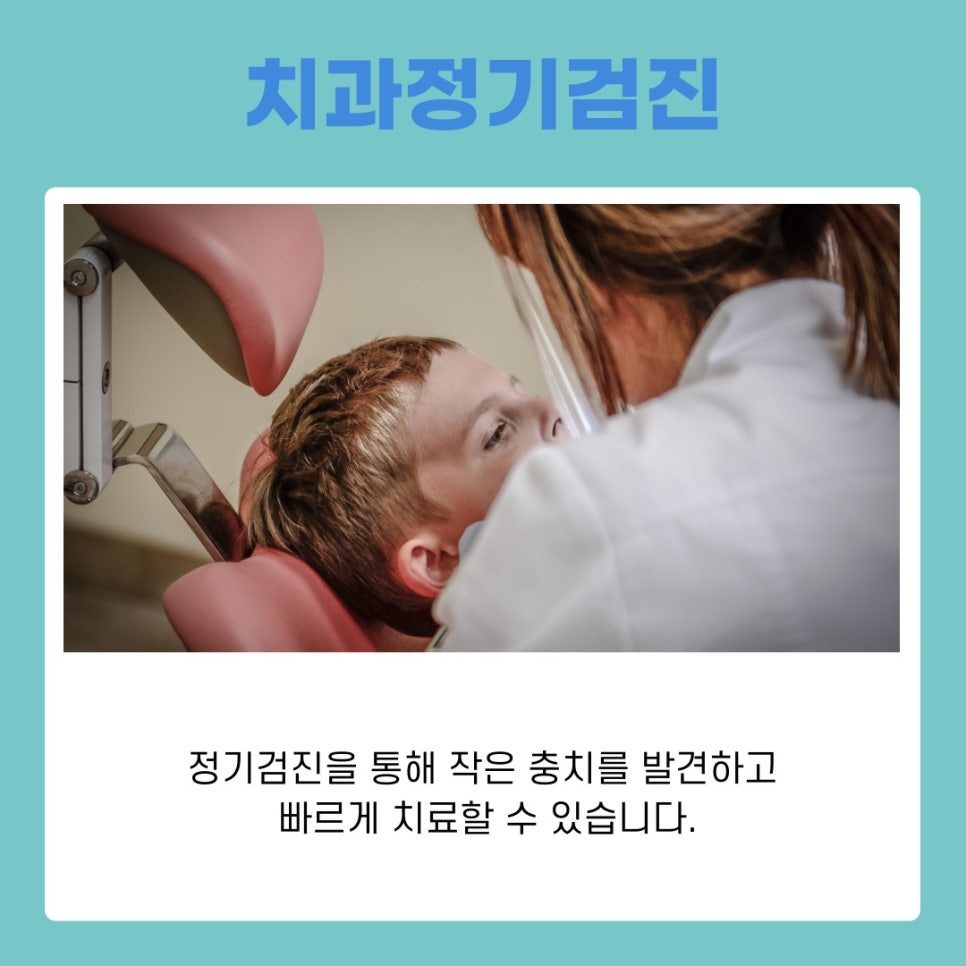
A regular dental checkup is not just a procedure to check for cavities. It is an important process for examining the overall health of your teeth and gums and detecting early problems that are not easily visible.
- Early detection of cavities: Cavities can progress even if they are not visible on the surface.
Through regular checkups, small cavities can be found and treated quickly.
- Prevention of periodontal disease: Periodontal disease that begins in the gums is a major cause of tooth loss in adults.
Regular scaling and checkups are key to preventing it.

Checking orthodontic and bite issues: You can protect your long-term oral health by checking whether your tooth alignment and bite are correct.
Correcting daily habits: You can learn proper brushing techniques and how to use dental floss and interdental brushes directly from medical professionals.
In general, adults are advised to have a checkup once every 6 months, while children are recommended to have checkups every 3 to 6 months depending on their stage of growth.
Causes of cavities
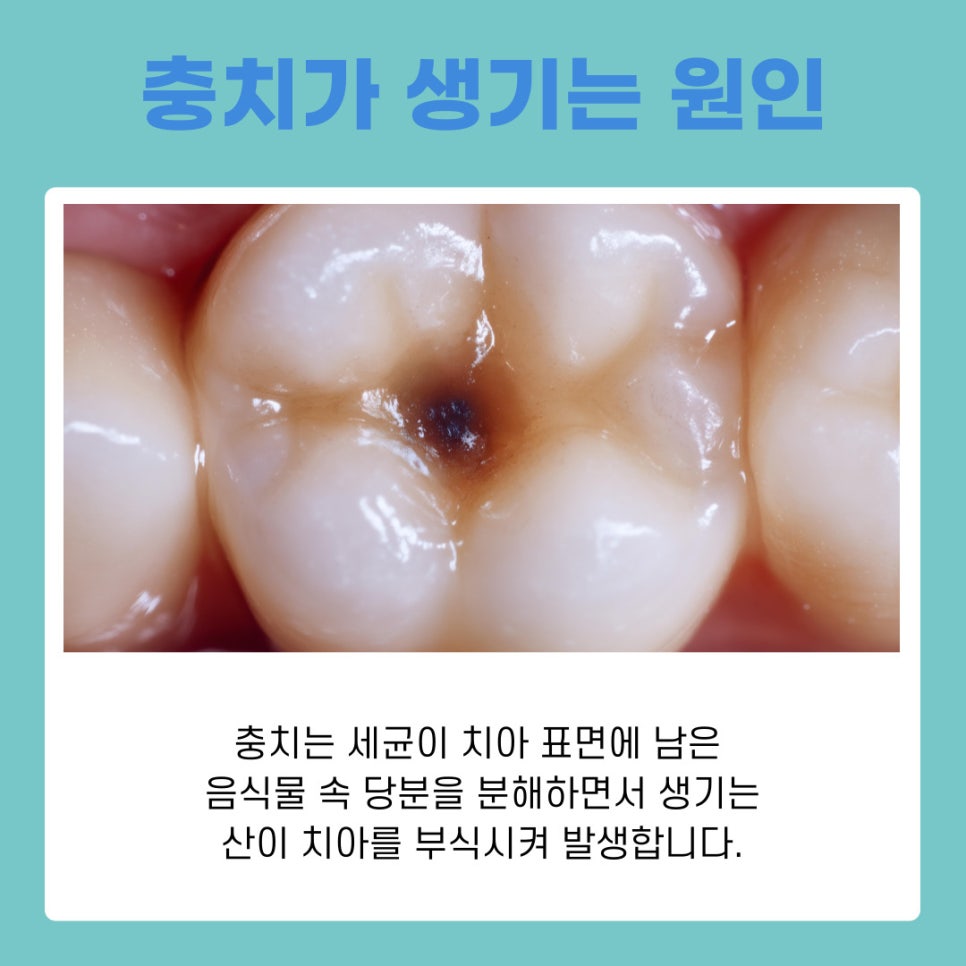
Cavities occur when acids produced as bacteria break down sugars left in food on the tooth surface corrode the teeth.
However, they are not caused simply by eating a lot of sweets. Even after brushing, if areas are not cleaned thoroughly, bacteria can remain and cavities can develop easily. Also, snacks such as carbonated drinks, cookies, and candy weaken the tooth surface and create an acidic environment.
In addition, when saliva secretion decreases, the mouth’s natural cleansing action weakens and the risk of cavities increases. Genetic and physical factors such as the thickness and structure of the tooth enamel can also have an effect.
How to prevent cavities in daily life
Prevention is the best way to deal with cavities. Dental treatment inevitably requires time and money, but
you can prevent them sufficiently with proper daily care.
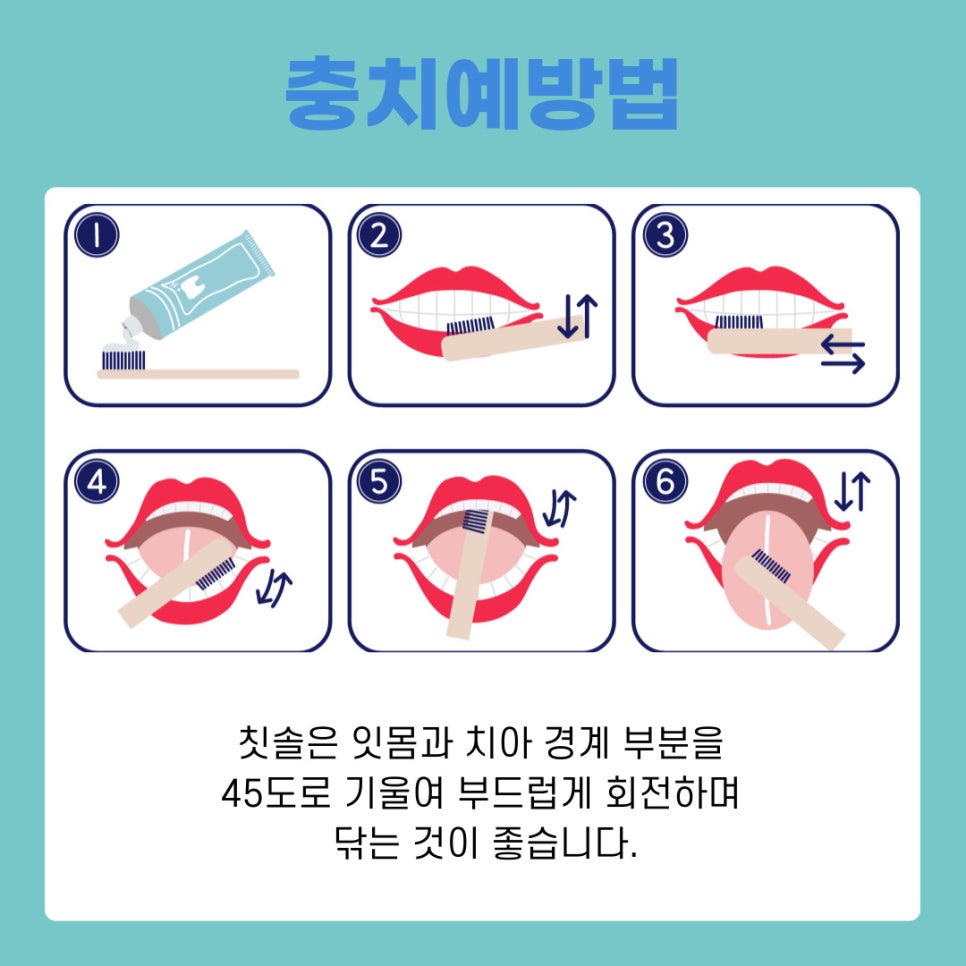
Proper brushing technique
The basic rule is the “3-3-3 principle”: brush 3 times a day, within 3 minutes after meals, for at least 3 minutes each time.
It is best to tilt the toothbrush at a 45-degree angle toward the gumline and gently brush in a circular motion.
Using dental floss and interdental brushes
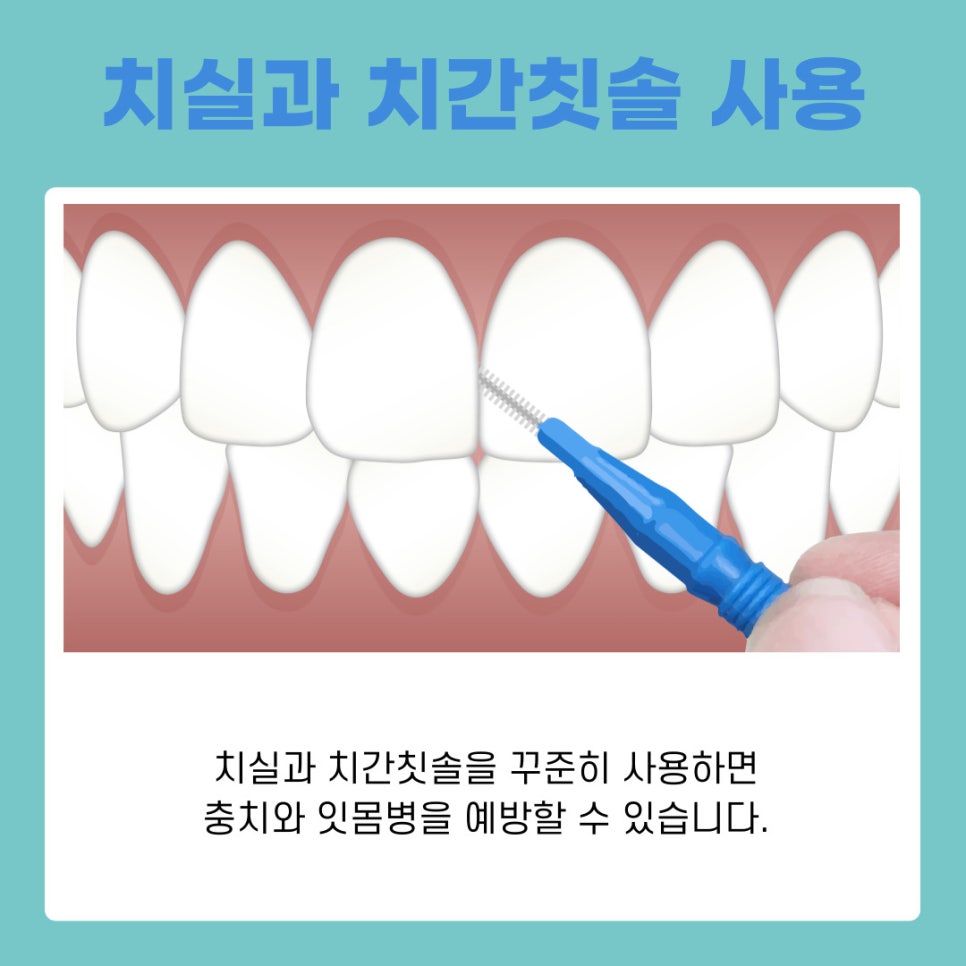
It is difficult to completely remove food debris and plaque from between the teeth with brushing alone.
If you consistently use dental floss and interdental brushes, you can prevent cavities and gum disease.
Regular scaling
Because tartar cannot be removed by brushing alone, you should receive regular scaling at the dental clinic.
Scaling helps prevent periodontal disease and also reduces the likelihood of cavities.

Reducing sugar intake
It is necessary to reduce sweets and carbonated drinks, and to make a habit of brushing or rinsing with water after consuming them.
Using fluoride
Using fluoride toothpaste can strengthen the tooth surface and inhibit the activity of cavity-causing bacteria. For children, receiving fluoride application at the dental clinic on a regular basis can also be helpful.
The importance of regular checkups and habit management

A regular checkup is not simply about checking the condition of your teeth; it is an important process for evaluating whether your usual cavity-prevention habits are being practiced properly. Professionals carefully check whether brushing and flossing techniques are correct and whether there are any problems with tooth alignment or bite. They can also detect early cavities and gum disease that ordinary people cannot notice by looking in a mirror or touching with their hands.
Even if you take care of your teeth yourself, it is difficult to check deep areas between teeth, tartar accumulated below the gums, or minor enamel damage. On the other hand, a specialist can diagnose even small changes that are not visible by using clinical experience and equipment. Therefore, when regular checkups and proper daily habits are carried out together, cavities can be effectively prevented and healthy teeth can be maintained for a long time.
Cavities can be treated simply if found early, but if they progress, they can lead to root canal treatment or tooth extraction, which can negatively affect not only dental health but also overall health. Therefore, regular dental checkups and practical cavity-prevention habits in daily life are not optional but essential.
Healthy teeth are not protected overnight. Consistent care and regular checkups come together to ensure lifelong dental health. Why not schedule a regular checkup at a nearby dental clinic today?







Previous image
Next image
#DentalRegularCheckup #CavityPrevention #GangnamDentalClinic