
Gangnam Station Dental Clinic Periodontal Disease Treatment

Swollen gums or bleeding after brushing are not simply signs of fatigue. They may be early symptoms of periodontal disease, also known as periodontitis. Periodontal disease is a condition in which bacteria and tartar build up, causing inflammation and damaging the jawbone that supports the teeth, which weakens the teeth. In areas near Gangnam Station, where busy daily routines make it easy for office workers, students, and others to miss regular checkups, many people postpone treatment and end up seeking care too late.
In the early stages, it can be improved with simple care, but if it progresses, teeth may be lost, so early treatment is important. At a Gangnam Station dental clinic, regular scaling treatment can help prevent periodontal disease and restore oral health.
Stages and Symptoms of Periodontal Disease
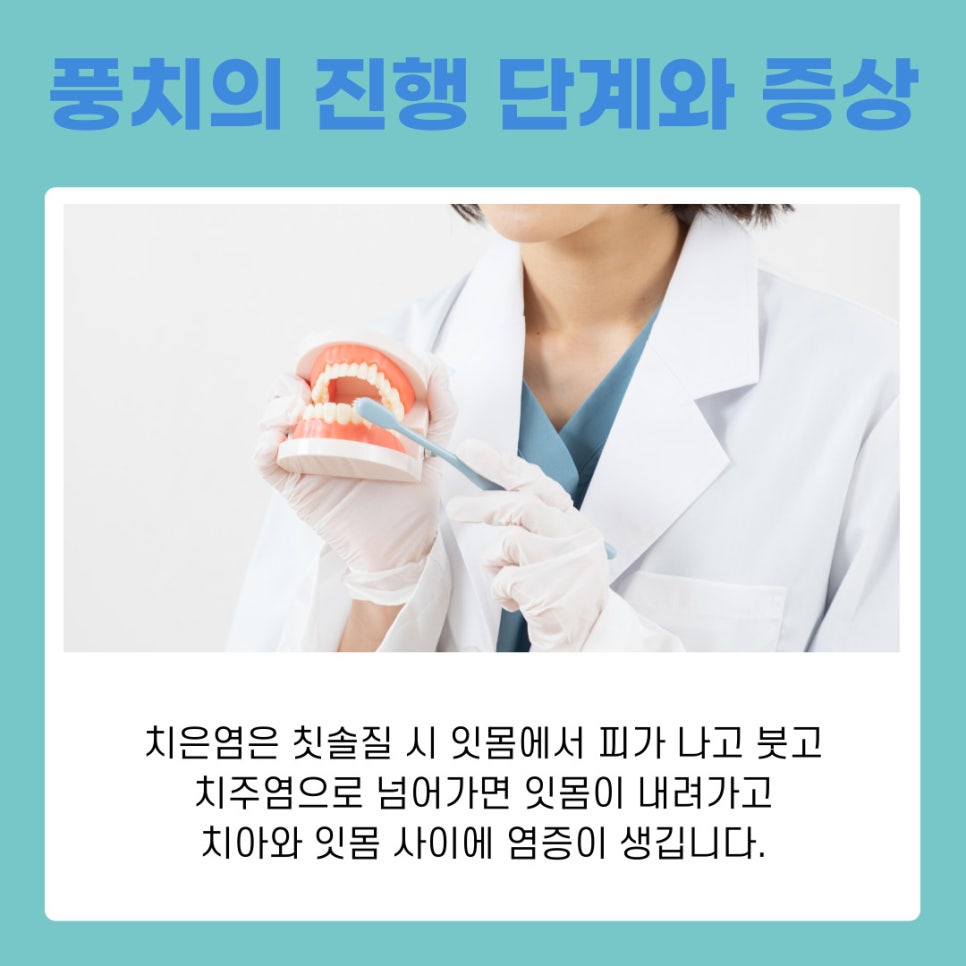
Periodontal disease does not worsen all at once. It progresses slowly through stages, so it is important not to miss the early signs. The first stage is gingivitis, where gums bleed during brushing and become swollen. At this stage, pain is usually not severe, so it is easy to brush it off.
When it progresses to stage 2 periodontitis, the gums recede and inflammation develops between the teeth. Bad breath becomes worse, and pain may be felt when chewing hard foods. By stage 3, damage to the alveolar bone occurs and the teeth begin to loosen. In stage 4, the gum bone is severely damaged, making it difficult to keep the teeth, and extraction may eventually be necessary.
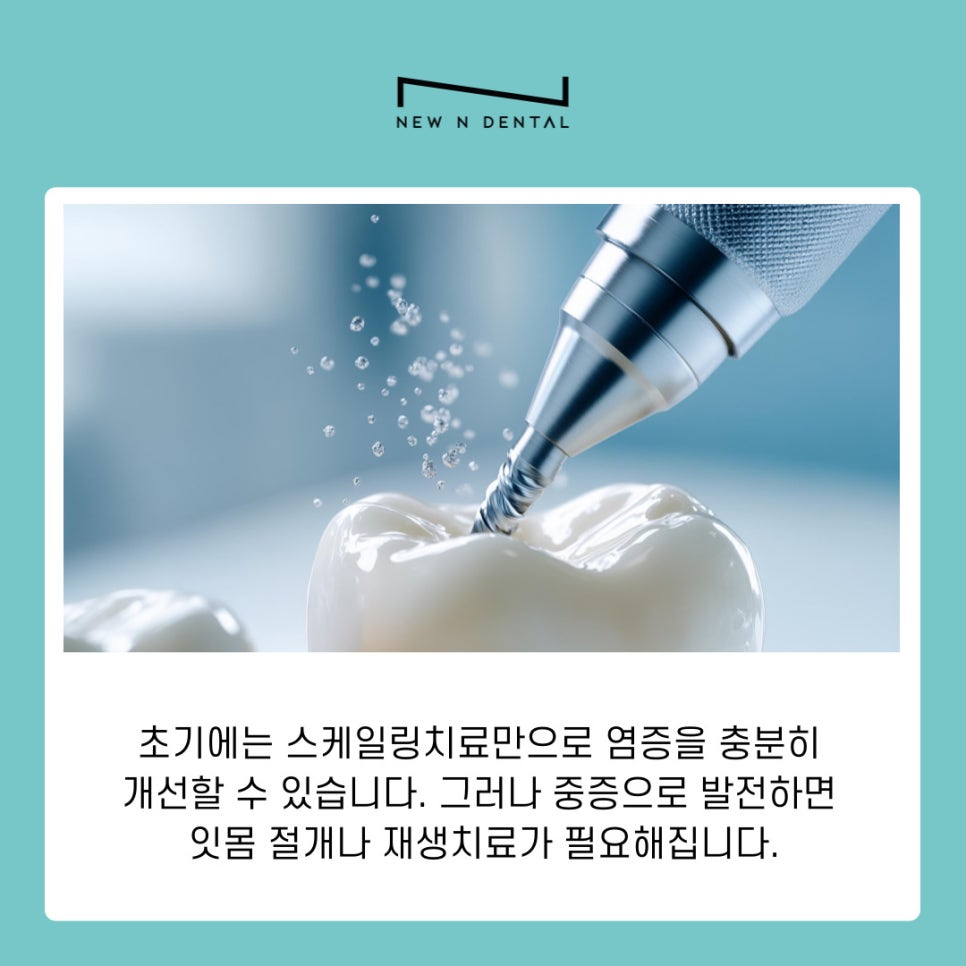
In the early stages, scaling treatment alone can sufficiently improve inflammation. However, if the condition becomes severe, simple cleaning is not enough for recovery, and gum incision or regenerative treatment becomes necessary. Therefore, even if the symptoms are mild, visiting the dental clinic early is the first step in protecting your teeth.
Principles and Process of Scaling Treatment
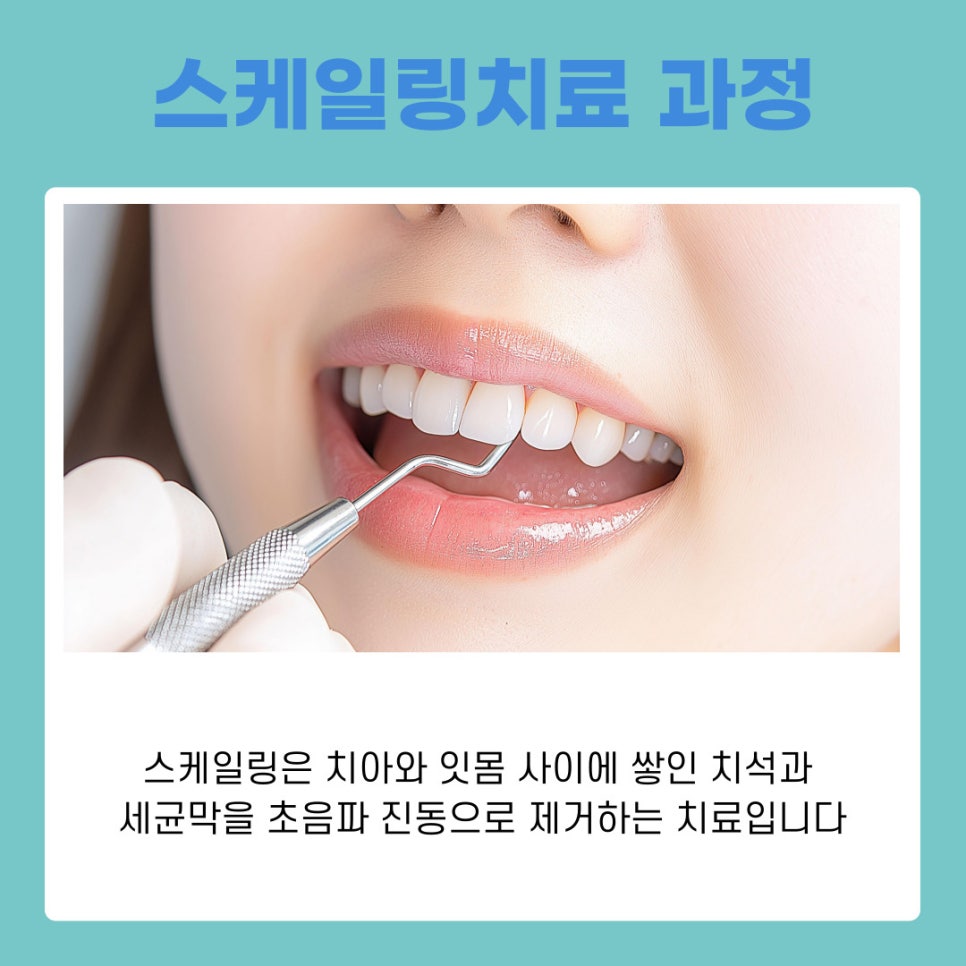
Scaling is a treatment that removes tartar and bacterial film accumulated between teeth using ultrasonic vibrations. Tartar cannot be removed by brushing alone and is a major cause of bacterial growth. When tartar moves below the gums, inflammation develops and the area weakens. Scaling thoroughly cleans this area and removes the cause of inflammation.
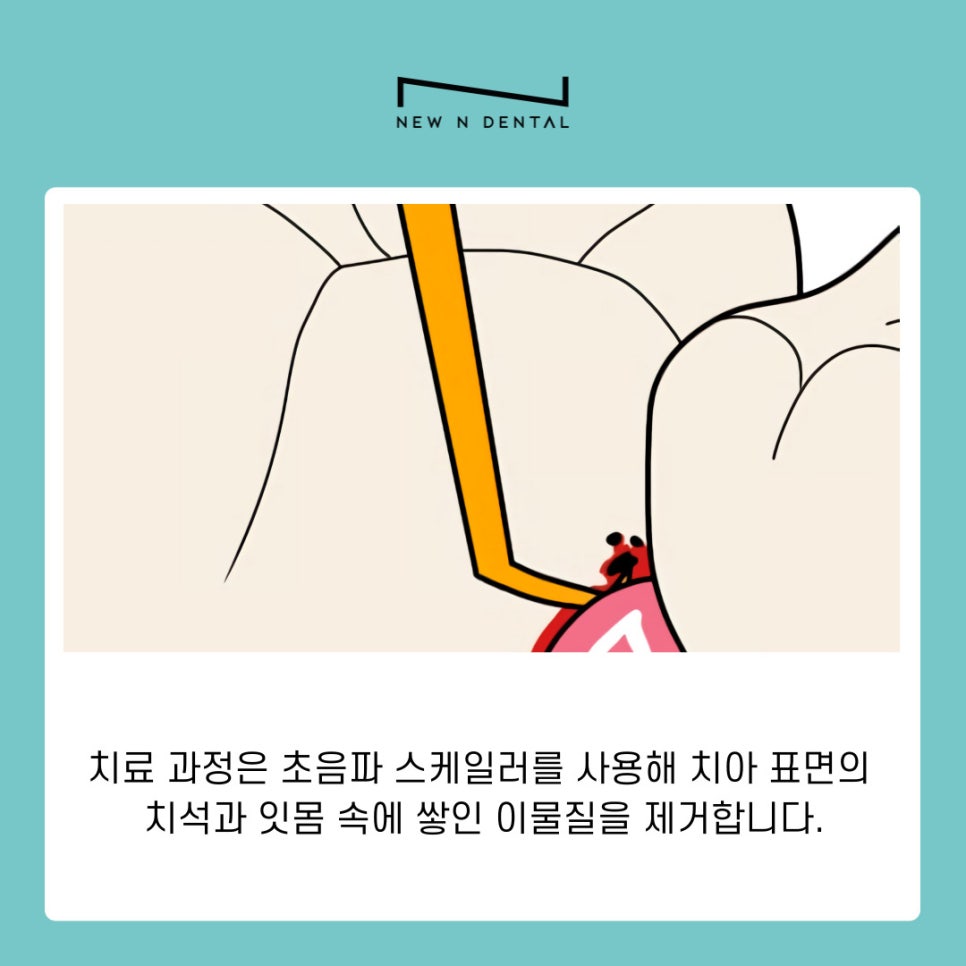
The treatment process uses an ultrasonic scaler to remove tartar from the tooth surface and debris accumulated inside the gums. After that, the root surface is smoothed so bacteria cannot attach again easily. After treatment, there may be slight sensitivity or bleeding, but recovery usually takes 1 to 2 days.
Care After Scaling Treatment
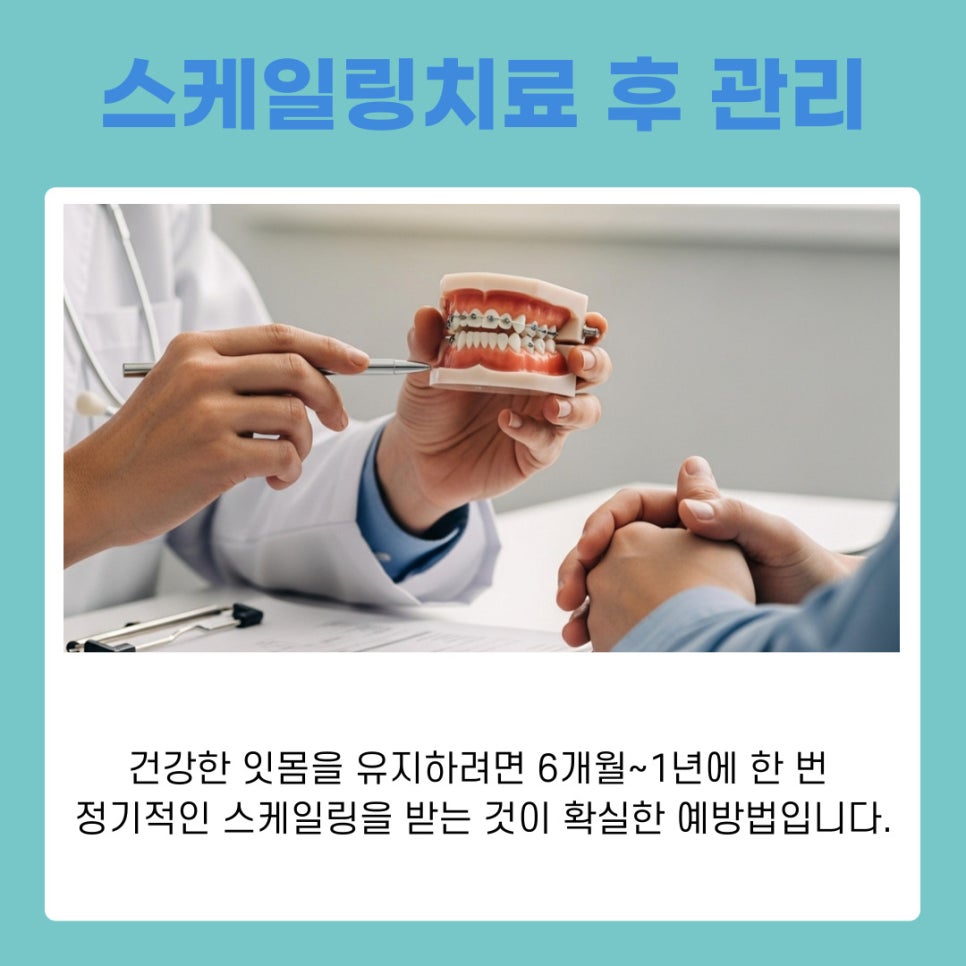
Immediately after treatment, avoid hot or irritating foods and hard foods, and brush with lukewarm water to help the gums recover more quickly. Using mouthwash once or twice a day can suppress bacterial growth and help prevent inflammation from recurring. At a Gangnam Station dental clinic, the patient's condition is analyzed with 3D imaging to provide customized scaling treatment. To maintain healthy gums, the most reliable preventive method is to receive regular scaling every 6 months to 1 year.
Step-by-Step Management of Periodontal Disease Treatment
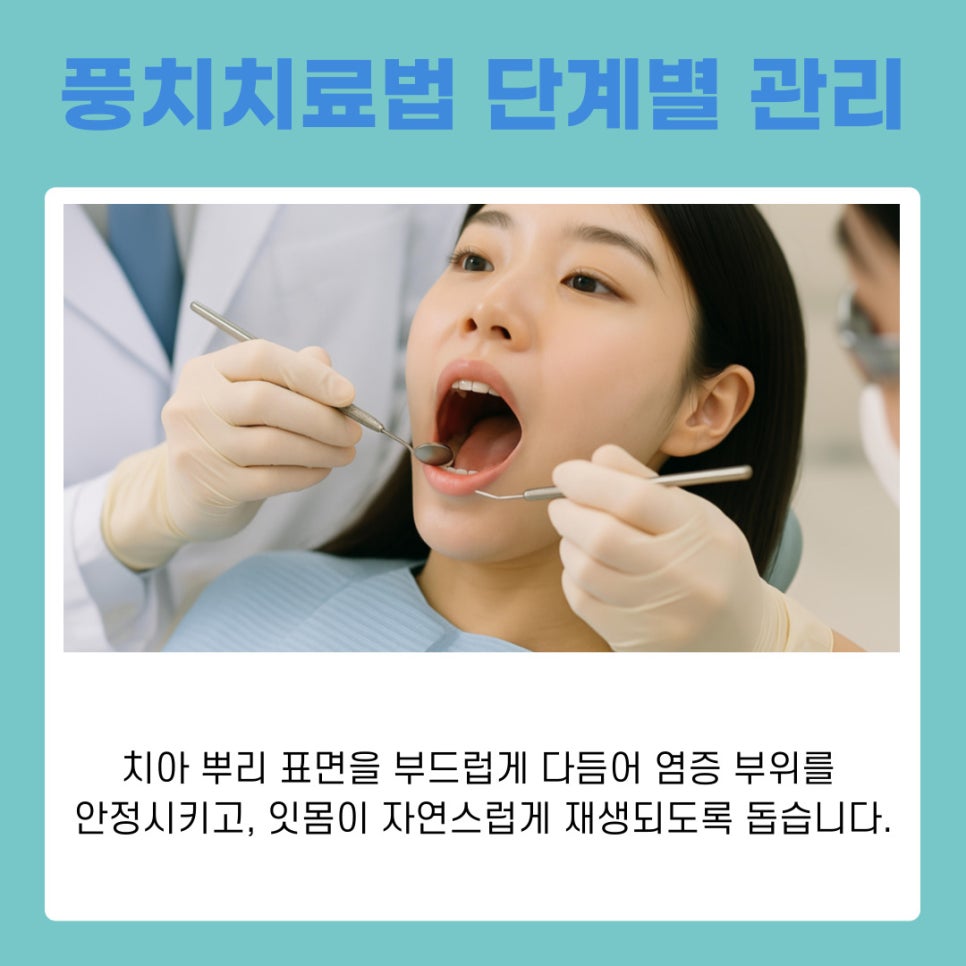
In early periodontal disease, scaling is combined with root planing. The surface of the tooth root is smoothed to stabilize the inflamed area and help the gums regenerate naturally. For moderate periodontal disease, inflamed tissue inside the gums is removed, and antibiotics or anti-inflammatory medication are used to reduce infection. In severe periodontal disease, it may be necessary to make an incision in the gums to directly remove the inflamed area and perform surgery to regenerate damaged gum bone.
After treatment, diet and oral care habits are adjusted together to help the gums recover.
In addition to brushing after meals, it is important to use dental floss or a water flosser so that food debris does not remain between the teeth. Periodontal disease requires treatment, but care after treatment is the key to preventing recurrence.
Once periodontal disease progresses, it is difficult for the gum bone to fully regenerate. Therefore, prevention through regular scaling treatment and proper oral care is the best approach. If your gums bleed after brushing or you feel that the spaces between your teeth are widening, it may already be a sign of periodontal disease. Even if there is no pain, gum disease can progress quietly, so it is advisable to visit the dental clinic for a checkup every 6 months, even if you have no symptoms.
Even in a busy daily routine, regular care alone can reduce the risk of periodontal disease and help you maintain healthy gums and teeth for a long time. Thorough brushing three times a day, scaling every 6 months, and regular checkups. These three habits are the surest way to protect your teeth from periodontal disease.










Previous image
Next image
#GangnamStationDentalClinic #PeriodontalDiseaseTreatment #ScalingTreatment
#ScalingCare #PeriodontalDiseaseStages