
Gangnam Station Implant Dental Clinic
Reasons for Treatment and Things to Consider
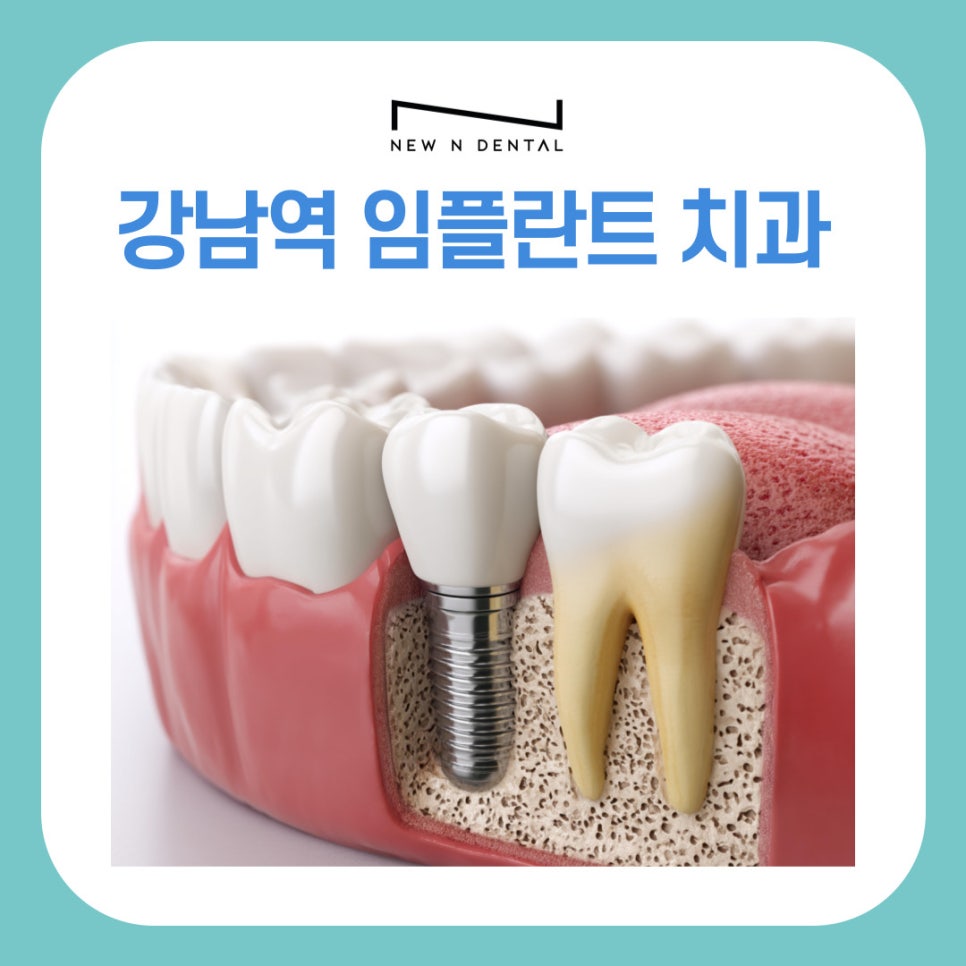
Teeth are organs that play various roles for a healthy life. They help the body absorb nutrients properly by chewing food, make it possible to pronounce words clearly, and also serve an aesthetic role by being located in the face. However, anyone can lose a natural tooth for various reasons. Teeth can be lost due to cavities, gum disease, unexpected accidents, and other causes. In such cases, an implant can restore the aesthetics and function that the original natural tooth provided. From here, we will take a closer look at how this process is carried out and what should be considered.
The Impact of Tooth Loss on Health
Koreans' life expectancy is steadily increasing, and with that, the importance of maintaining a healthy life is becoming greater day by day. In particular, oral health is highly important. Adults have a total of 28 teeth, excluding wisdom teeth, and each tooth plays its own role. But if even one of them is lost, it can become a problem, and caution is needed because it can even reduce quality of life.
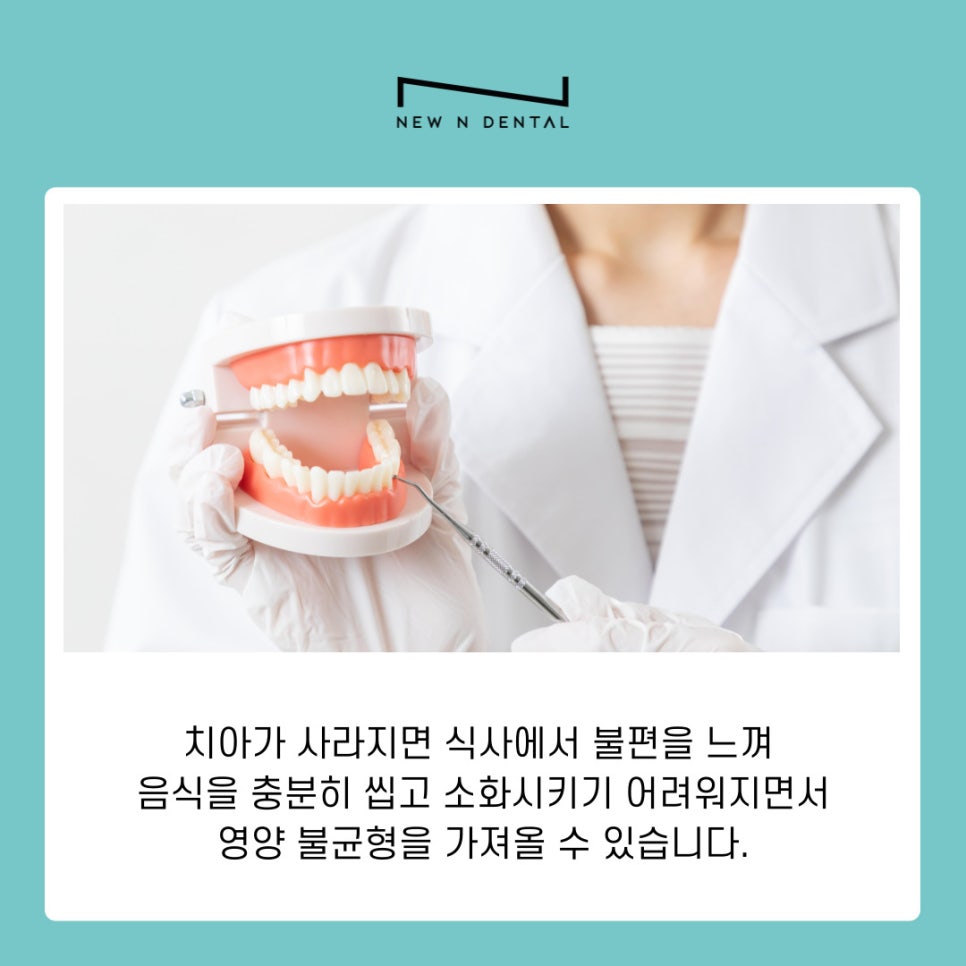
When teeth are lost, eating becomes inconvenient, making it difficult to chew and digest food sufficiently, which can lead to nutritional imbalance. Speech problems may also occur, and facial changes can happen as well. The jawbone at the missing site may shrink, or other teeth may move, causing the shape of the face to change. This can lead to reduced self-confidence and make social activities and interpersonal relationships difficult. Therefore, thorough hygiene management is necessary through careful brushing and the use of dental floss.
Why Implants Are Preferred
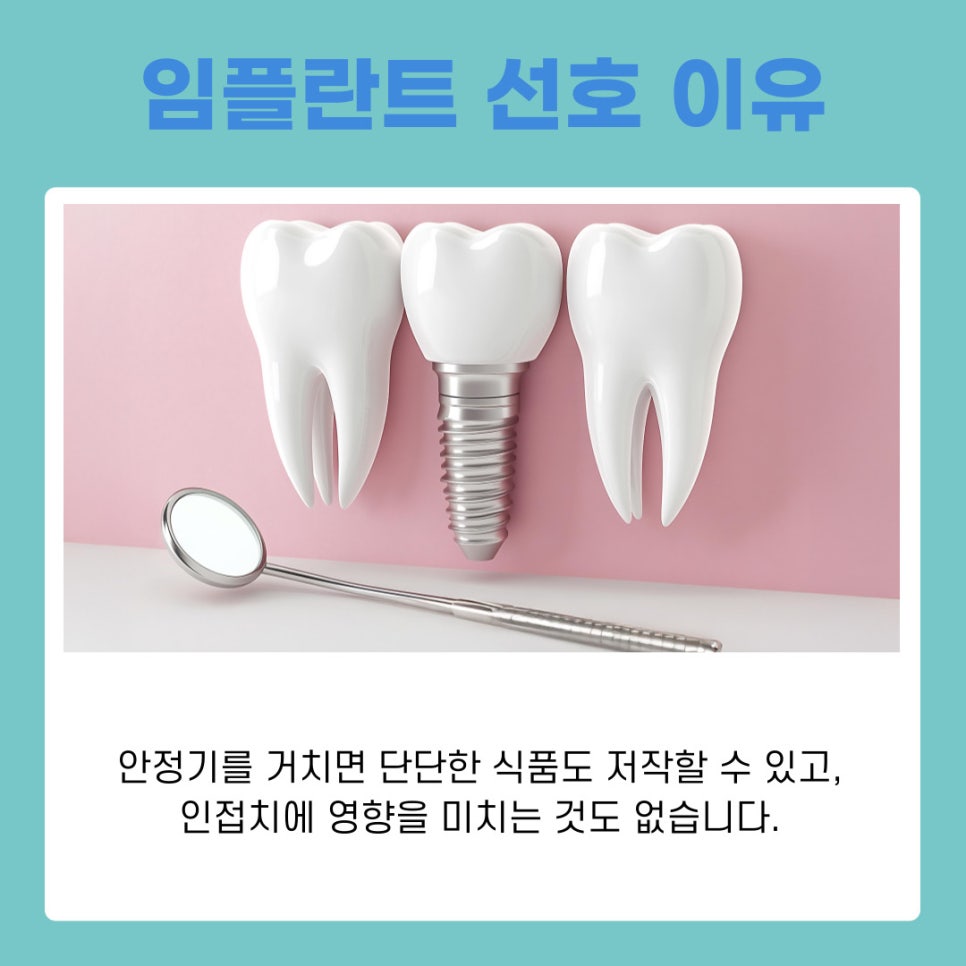
An implant refers to placing an artificial tooth root into the gum of the missing area and then putting a crown, or prosthetic tooth, on top of it. It is preferred because it has a shape similar to a real natural tooth and functions in a similar way. After the healing period, it can chew hard foods and does not affect adjacent teeth. However, because the procedure is technically demanding, careful selection of the medical facility is necessary.
For natural tooth loss, dentures or bridges can also be considered. Dentures may be an option when there are many missing teeth or when aging has led to a completely edentulous state. However, in the beginning, an adjustment period may be needed due to pain and other issues, and with long-term use, they may become loose and require readjustment or replacement. In addition, there is the drawback that the jawbone may eventually disappear completely over the long term.
Features of the Bridge Treatment Process
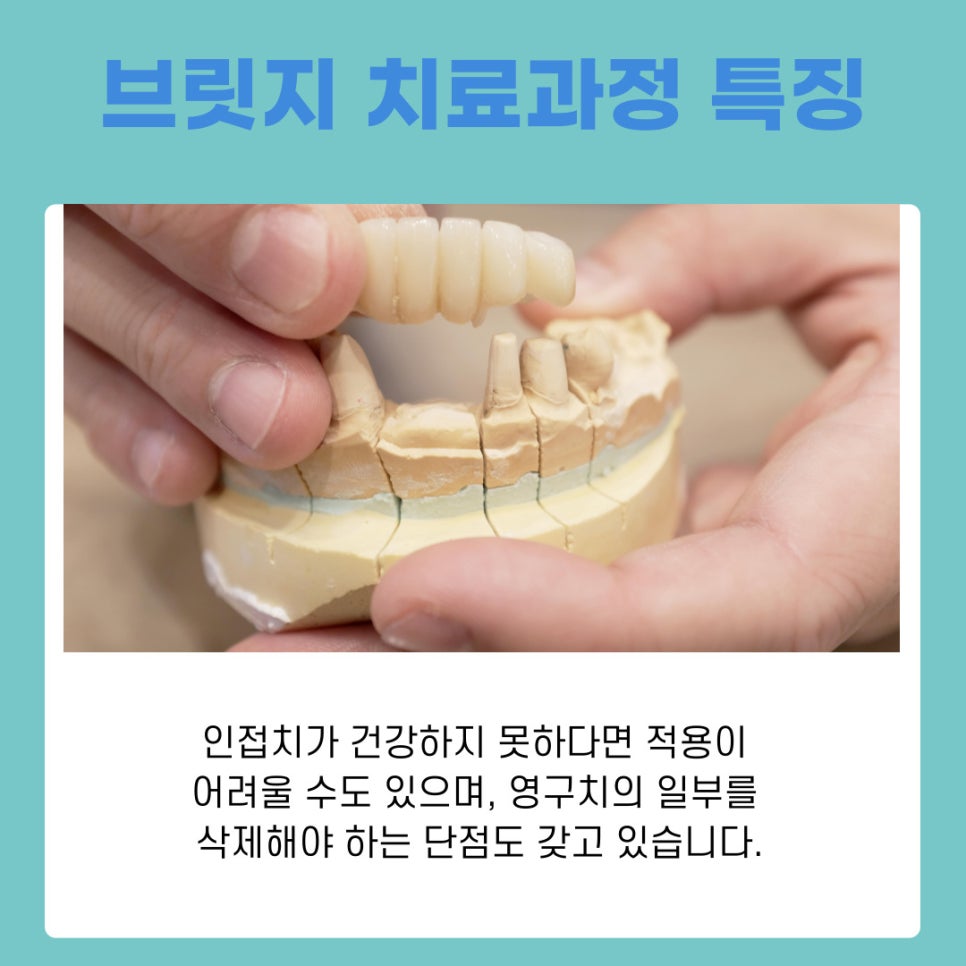
A bridge uses the teeth around the area where a permanent tooth has been lost, almost like pillars, to connect the restoration. It is relatively simple and generally can be treated at a lower cost, and once treated, it can be used for about 5 to 10 years. However, if the adjacent teeth are not healthy, it may be difficult to apply, and it also has the disadvantage of requiring some removal of healthy permanent tooth structure.
Implant Procedure
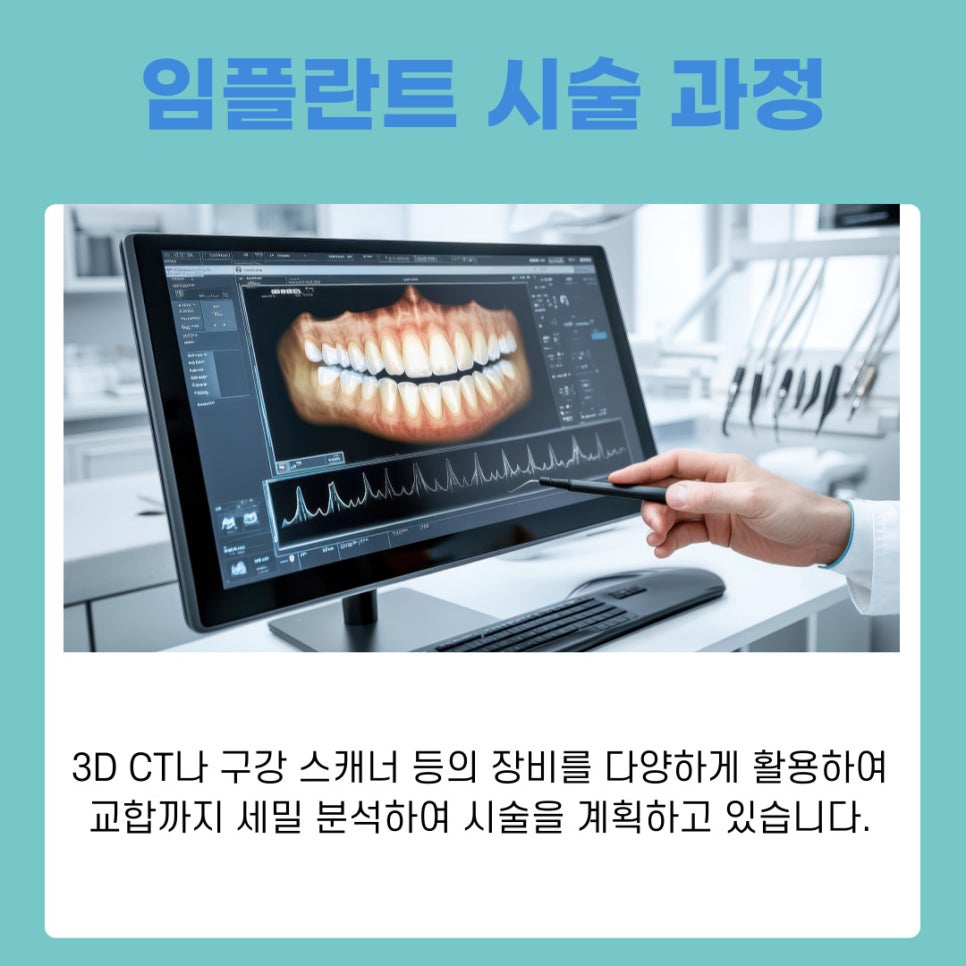
Although implants are highly preferred because they function and look similar to natural teeth, the process is complex and relatively difficult. So it is necessary to check how the procedure is carried out. First, a thorough examination must be performed in advance. If placement is done without carefully checking the patient's alveolar bone condition and oral structure, various problems such as looseness or falling out may occur later. These days, equipment such as 3D CT and oral scanners is widely used to analyze occlusion in detail and plan the procedure.

Such equipment can precisely assess not only bone thickness and height, but also the angle and position of growth, as well as how surrounding structures such as the maxillary sinus and nerves are passing through the area. Through this, it is possible to accurately determine whether there are structural problems. Based on the analysis results, a mock procedure is performed, and then a guide is created that takes into account the actual angle, position, and depth for placement before proceeding with the implant treatment in earnest.
At this point, if the jawbone that serves as a solid foundation is insufficient or weak, placement may be difficult. In particular, this situation can occur more easily when there is gum inflammation or when tooth extraction has been left untreated for a long time. In this state, placement is difficult, and even if it is placed, it may not be properly fixed and could come out or lead to side effects. In such cases, separate treatment such as bone grafting or sinus lifting may be necessary.
The number of people wanting implants is increasing, but finding a dental clinic suitable for this is not easy. This is because each clinic differs greatly in the equipment it uses, the materials, the medical staff's skill and know-how, the time required, and the level of experience. If you are concerned about tooth loss, please find a clinic with experienced medical staff and receive a careful consultation from the start to find an improvement plan.










Previous image
Next image
#GangnamStationImplantDentalClinic #GangnamStationDentalClinic #GangnamStationImplant