
Xylitol after brushing
Does it really help prevent cavities?
Because xylitol is said to be effective for preventing cavities, many people buy it and consume it in the form of gum or candy. But many people wonder whether it really helps prevent cavities, or whether it is simply a sweet-tasting health supplement ingredient. Today, let’s look at xylitol’s effects after brushing, along with the proper care methods for prevention.
What is xylitol?
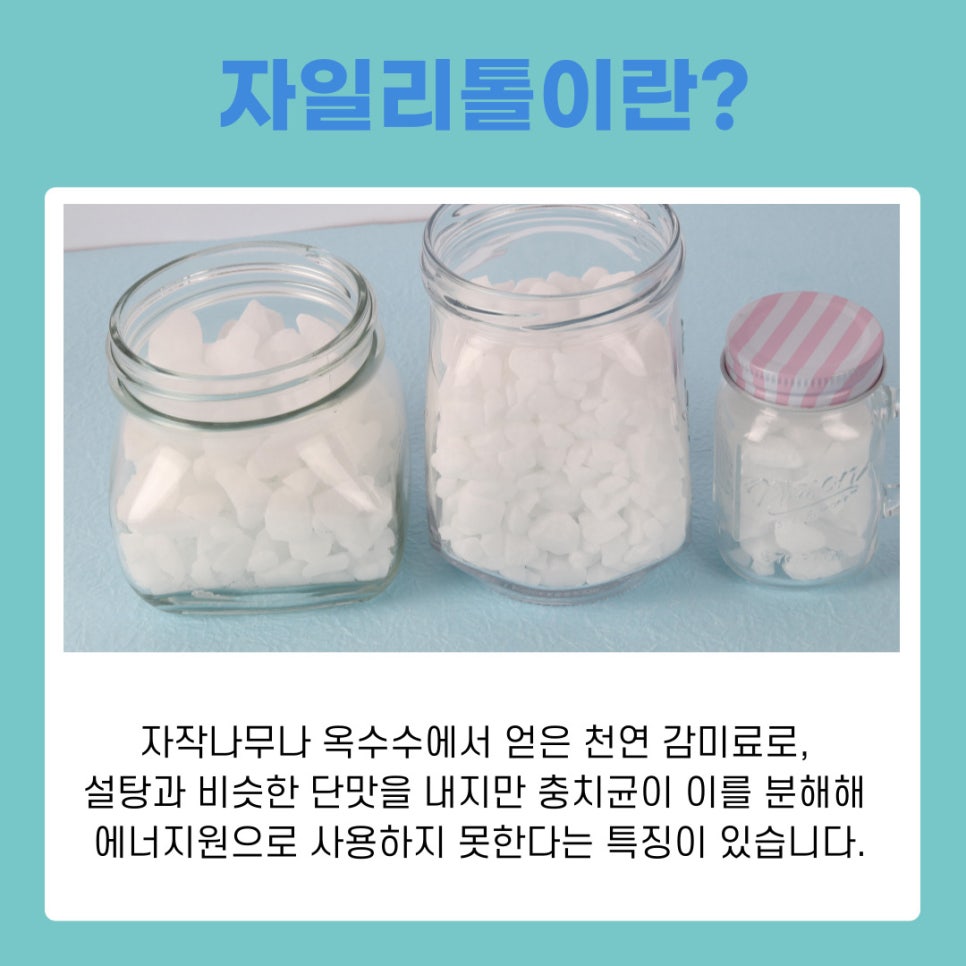
It is a natural sweetener derived from birch trees or corn. It has a sweetness similar to sugar, but a key feature is that cavity-causing bacteria cannot break it down and use it as an energy source. For this reason, it is called a sugar that does not cause cavities and is widely used in gum, toothpaste, mouthwash, and more. In particular, when you cannot brush immediately after a meal, chewing xylitol gum helps ease the acidic environment in the mouth and increases saliva, helping the mouth return to neutral more quickly.
Effects of xylitol
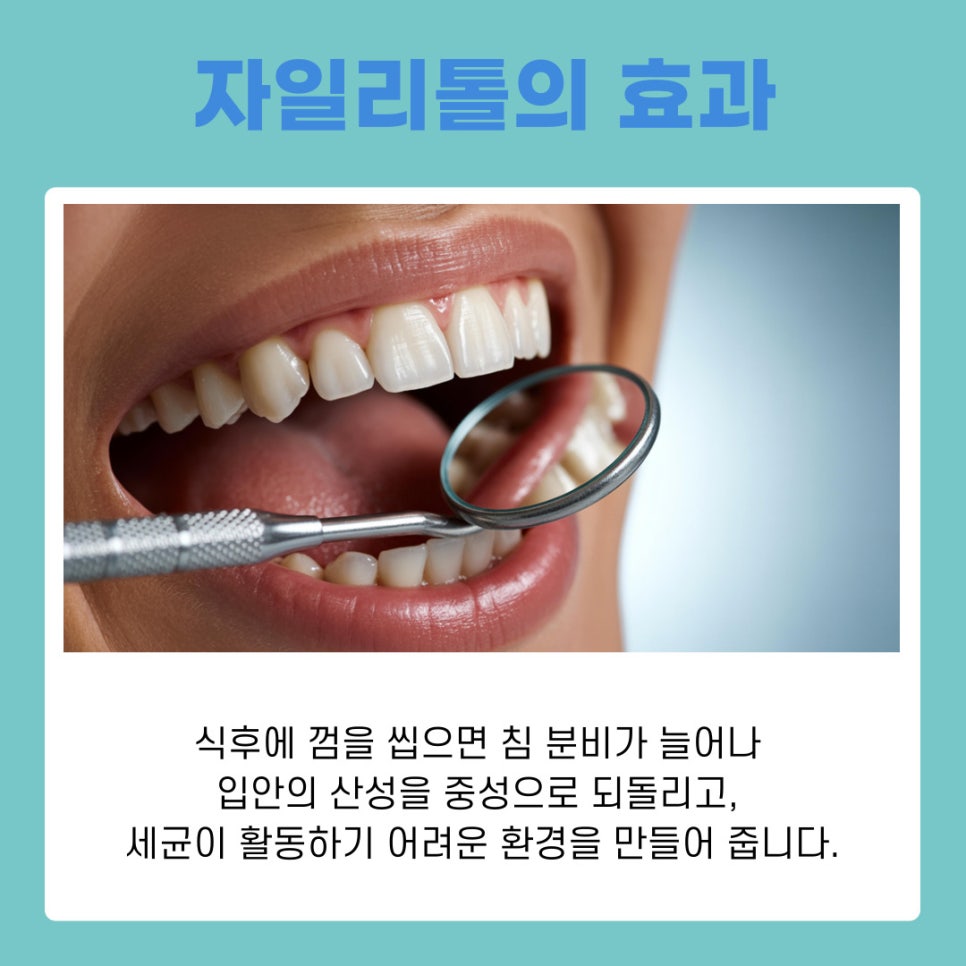
Xylitol is known to help reduce the likelihood of cavities by interfering with the process in which bacteria in the mouth produce acid. In particular, chewing gum after meals increases saliva secretion, returning the acidity in the mouth to neutral and creating an environment in which bacteria have difficulty functioning. In addition, results have been reported showing that when xylitol is used together with fluoride, the progression of cavities slows. However, xylitol is not a substance that completely prevents cavities, and greater benefits can be expected when basic care such as brushing and flossing is also practiced. Ultimately, it is best to view xylitol as an aid for keeping teeth clean.
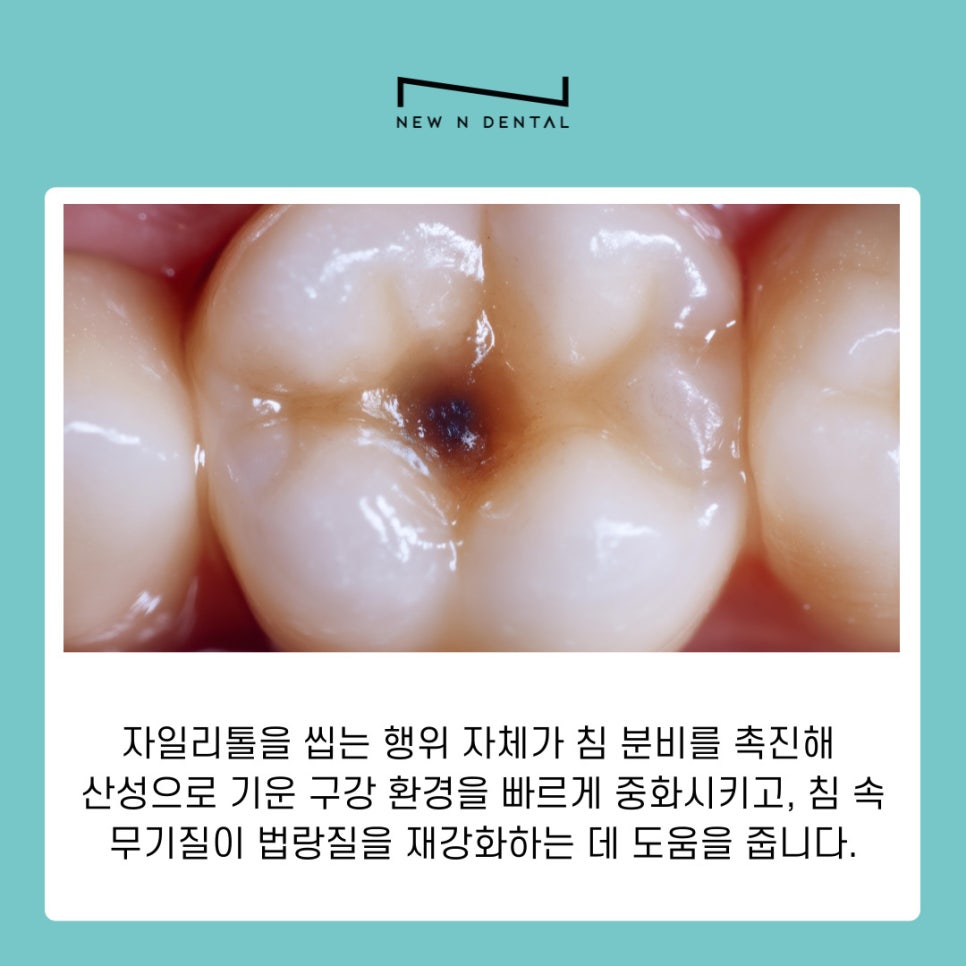
Cavities occur when bacteria in the mouth break down sugar and produce acid, and that acid dissolves the tooth’s enamel. But xylitol prevents bacteria from gaining energy even if they break it down, causing them to repeat pointless metabolic activity and gradually lose viability. In this process, acid production decreases, plaque formation is suppressed, and as a result the risk of cavities may be lowered. Also, the act of chewing xylitol itself stimulates saliva secretion, quickly neutralizing the acidic oral environment and helping minerals in saliva re-strengthen the enamel.
Xylitol usage frequency and recommended method
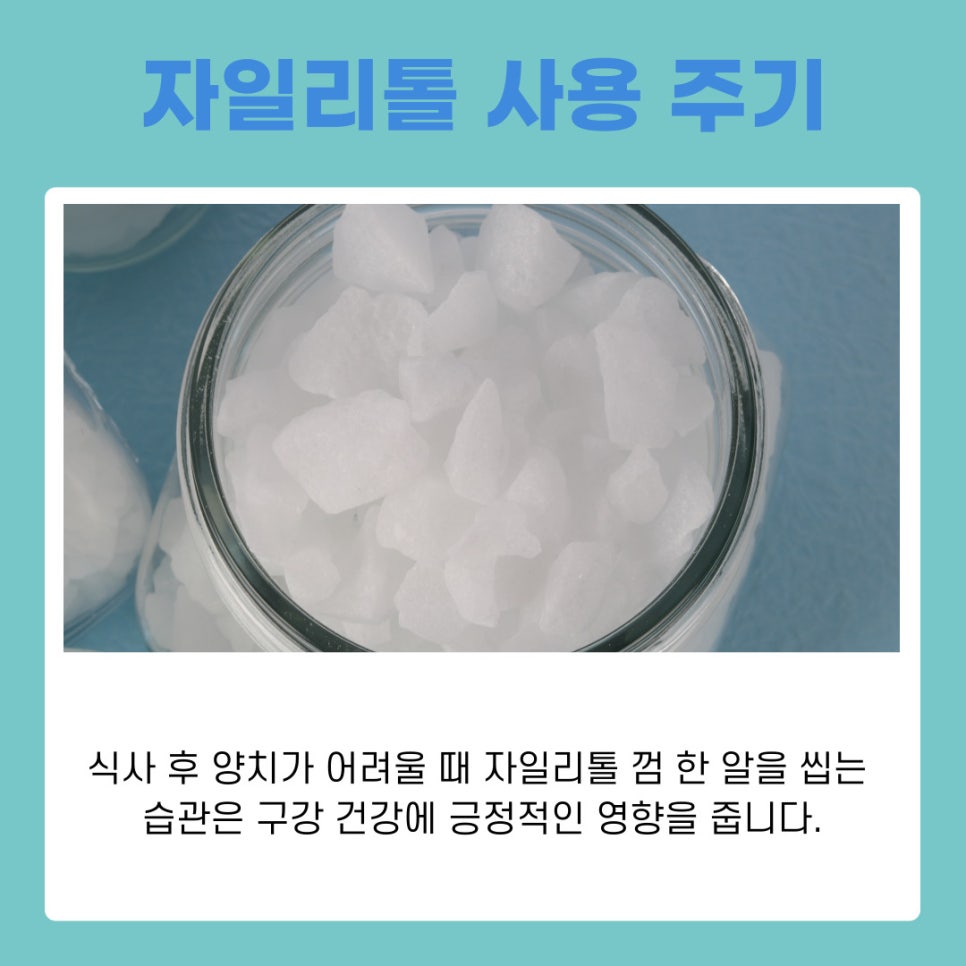
Making a habit of chewing one piece of xylitol gum when brushing is difficult after meals has a positive effect on oral health. In general, chewing it 3 to 5 times a day for at least 5 minutes at a time is recommended. The chewing stimulus increases saliva secretion, dilutes bacteria, returns the acidic environment to neutral, and protects the enamel. However, not all products have the same effect just because they contain xylitol. It is better to choose gum with at least 1 g of xylitol per product, and products that also contain sugar or fructose should be used with caution because they may actually increase the risk of cavities.
The key to preventing cavities
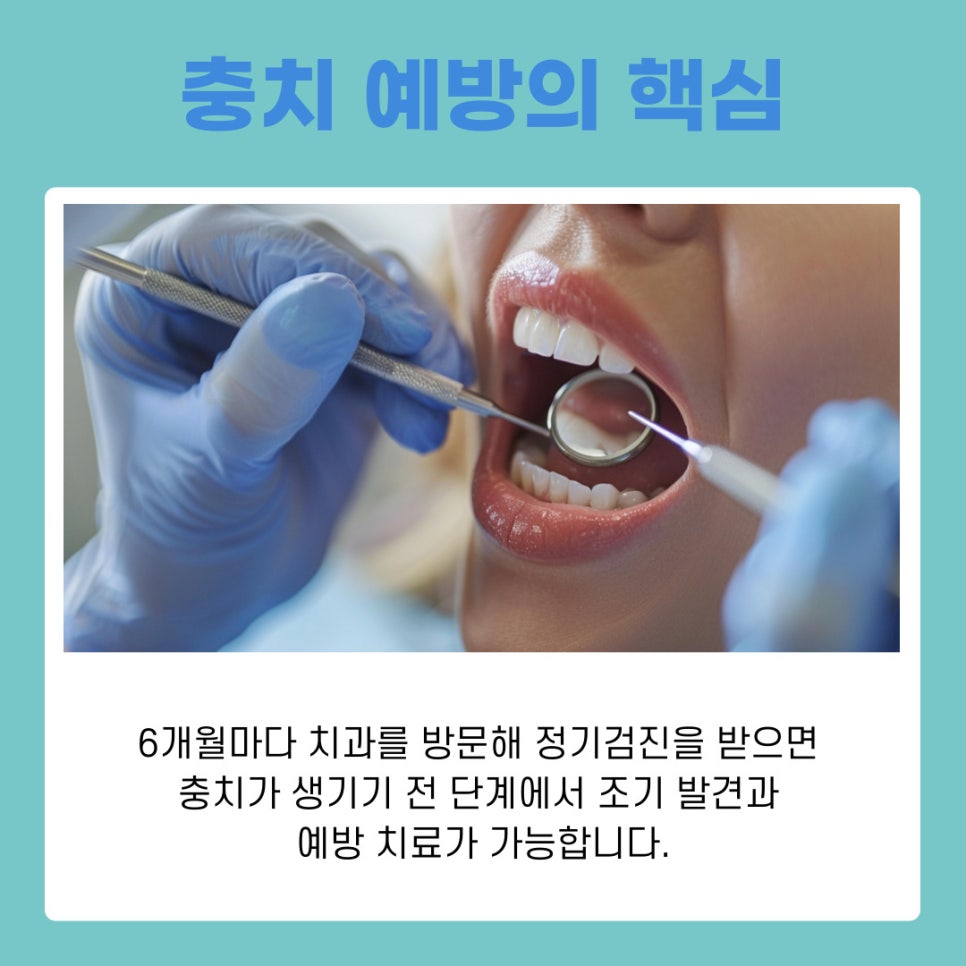
It is only an auxiliary measure for preventing cavities, not a fundamental solution. The key to prevention is still proper brushing and regular care. Brush within 3 minutes after meals for at least 3 minutes, and be sure to use dental floss or interdental brushes between teeth that a toothbrush cannot reach. Also, visiting the dentist every 6 months for regular checkups makes it possible to detect cavities early and receive preventive treatment before they develop. Reducing sugary foods and carbonated drinks, and increasing water intake to keep the mouth from drying out, is also very important. This is because when the mouth is dry, bacteria multiply more easily and acid accumulates.
The importance of early diagnosis

Cavities often have little to no pain in the early stage, so they are easy to leave untreated, but treatment should begin when the changes are still small if you want a higher chance of saving the tooth. Early cavities can be treated with a simple resin filling, but if they progress, root canal treatment or a crown may be needed, and in severe cases even extraction. The most reliable prevention is not missing even small abnormalities through regular checkups.
�
Xylitol gum serves as an auxiliary aid that lowers oral acidity and helps saliva secretion after brushing or when you cannot brush after a meal, reducing the risk of cavities. It helps maintain a healthy oral environment by suppressing plaque formation and acid production, but its effect may be limited if proper brushing, flossing, and regular checkups are not done together. In the end, the key to preventing cavities is consistent care and accurate diagnosis, and xylitol should be understood as one helpful supplementary habit in that process.










Previous image
Next image
##BrushAfterMealXylitol #CavityPrevention