
Gangnam Station Teeth Whitening: Solving Yellow Teeth
How to Regain a Bright Smile
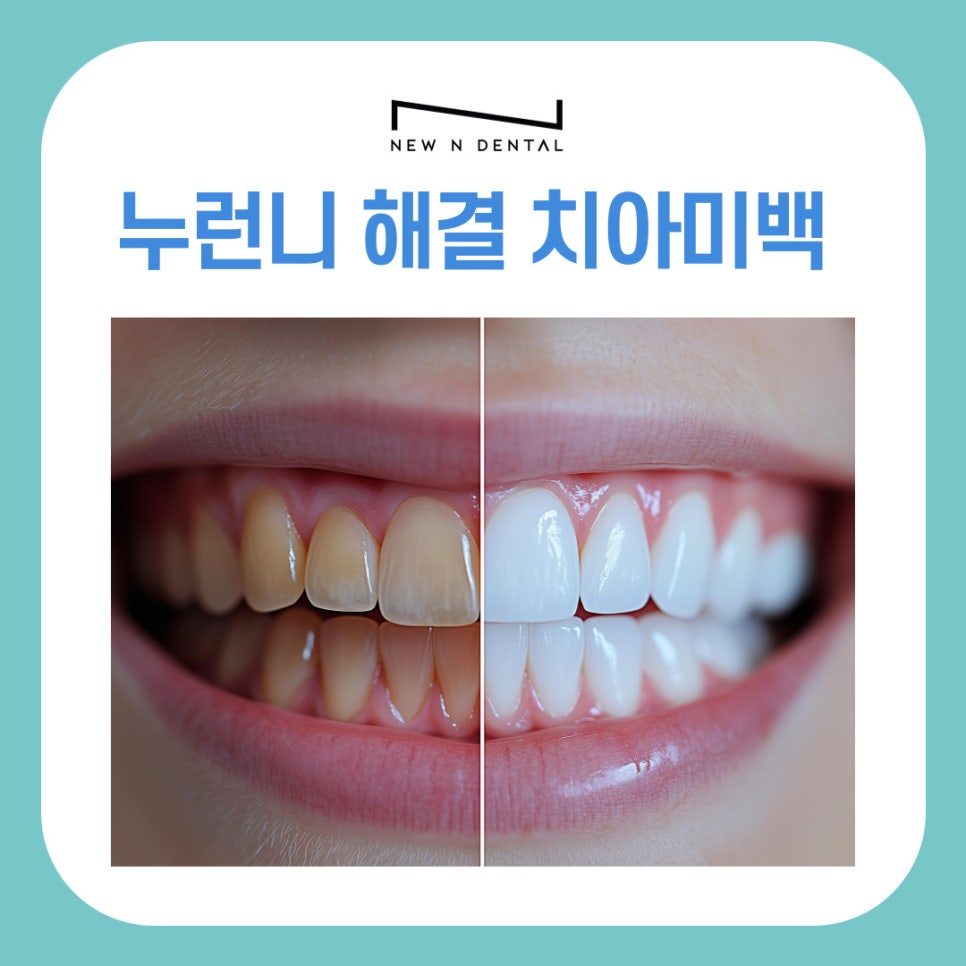
Yellowed teeth are one of the most common factors that interfere with a confident smile. No matter how neatly you dress or how brightly you smile, if your teeth look dull or yellow, your impression becomes less clear and the refined feeling diminishes. In fact, one of the reasons many people visit a dental clinic is tooth color change. Today, let’s look at the causes of yellow teeth and how to regain a natural, bright smile through teeth whitening.
Causes of Yellow Teeth
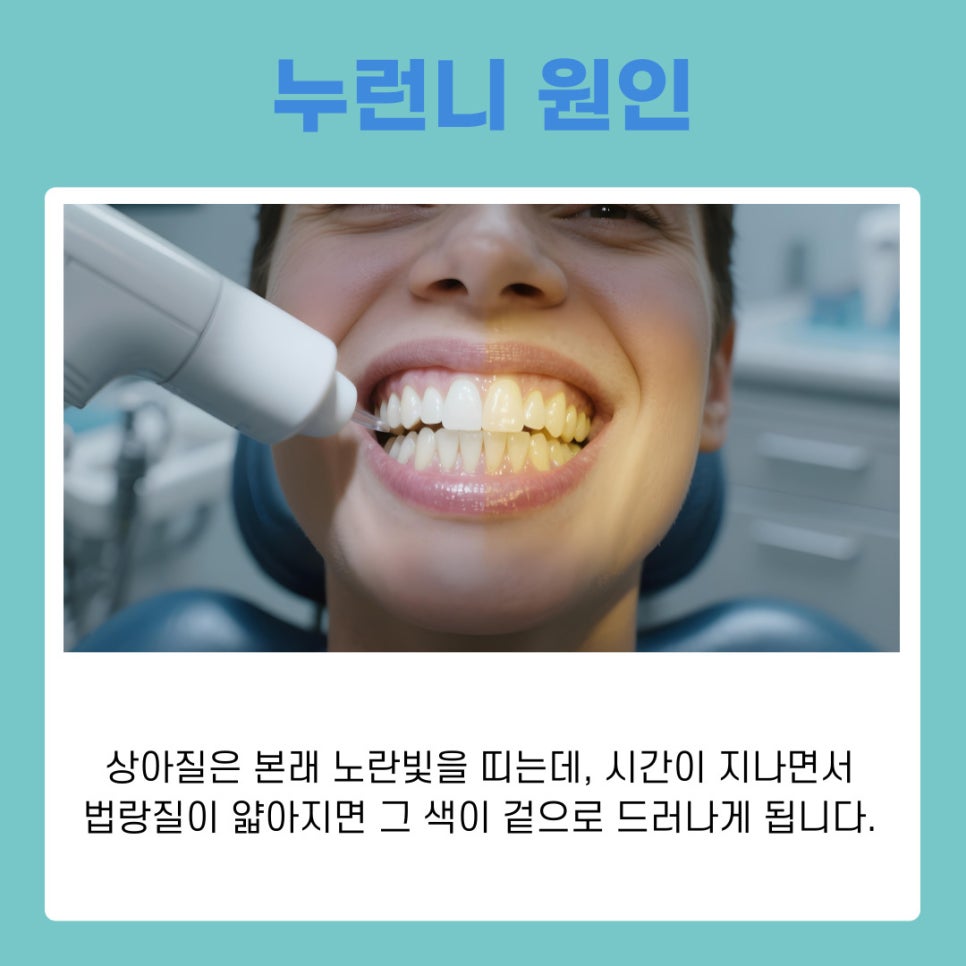
The causes of yellow teeth are not simply due to age. Teeth consist of a hard layer called enamel and the dentin beneath it. Dentin naturally has a yellowish tone, and as enamel becomes thinner over time, that color becomes visible on the surface. In addition, colored drinks that people frequently consume in daily life, such as coffee, black tea, wine, and cola, or smoking habits, can accelerate staining. These pigments settle into tiny gaps on the tooth surface and gradually make the teeth darker and duller.
Also, oral care habits have a major effect. Irregular brushing, tartar that cannot be removed of stains, and bacterial film in the mouth (plaque) are major factors that worsen yellow teeth. In particular, for smokers, nicotine and tar stick to the tooth surface and cause brown or gray staining, which is difficult to remove with regular brushing alone.
Factors That Cause Tooth Staining
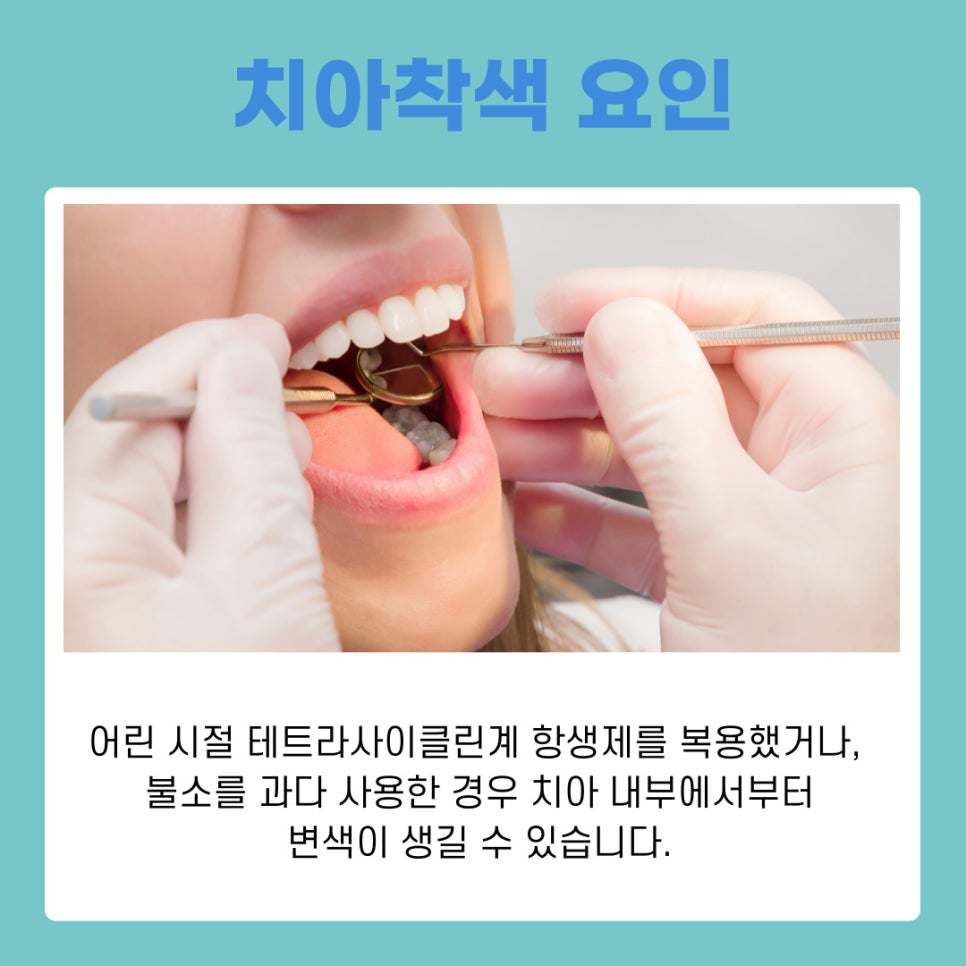
In addition, yellow teeth are also related to congenital factors, medication use, and aging. If you took tetracycline antibiotics during childhood or used too much fluoride, discoloration can occur from within the tooth. As you age, enamel wears down and dentin becomes thicker, making the color appear deeper. This is a natural change, but many people want to improve it through whitening treatment.
Removing Tooth Stains
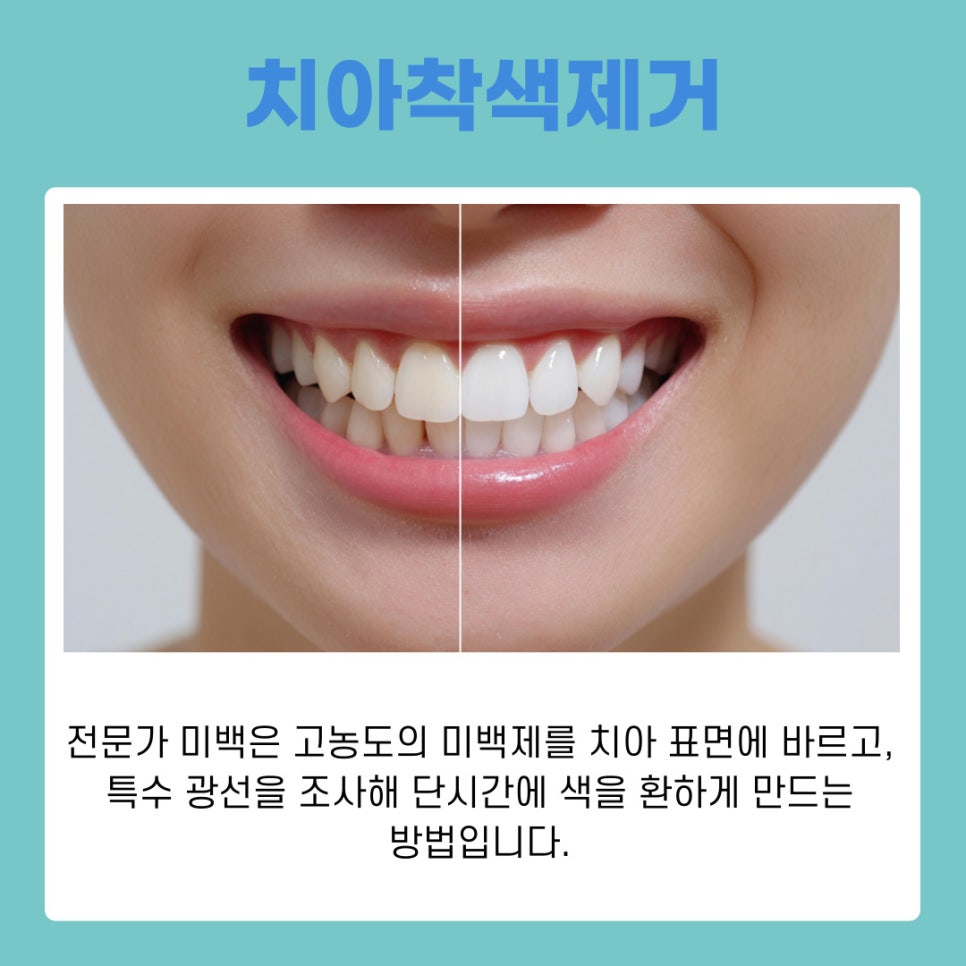
At this point, the option you can choose is teeth whitening. Teeth whitening is a treatment that oxidizes pigments deposited on the tooth surface or inside the tooth to restore the original brighter color. Broadly, it can be divided into professional whitening performed at a dental clinic and home whitening done consistently at home.
Professional whitening involves applying a high-concentration whitening agent to the tooth surface and exposing it to a special light to brighten the color in a short time. The procedure takes about one hour, but the advantage is that the effect is immediate and significant. It is suitable when you want quick results before an important meeting, wedding, or interview. On the other hand, home whitening involves placing whitening gel into a tray customized to your teeth and wearing it for a few hours a day. It brightens more gradually, but it causes less irritation and is easier to maintain.
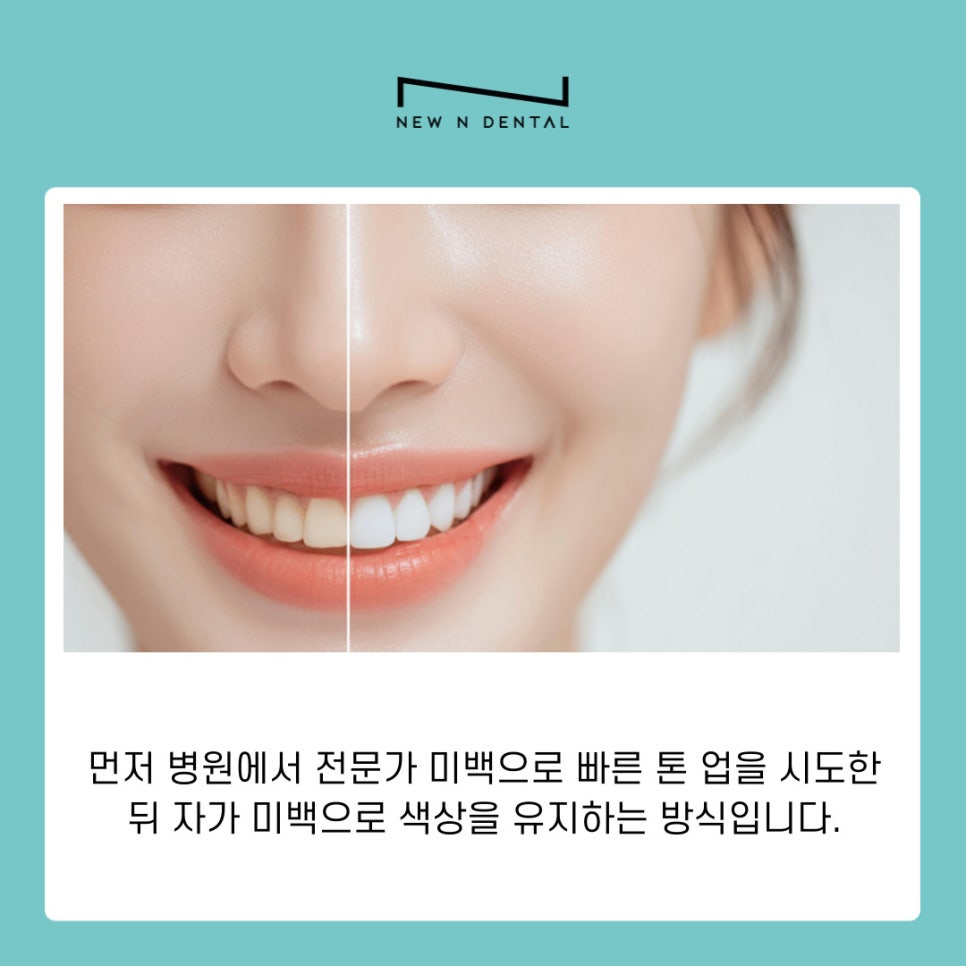
Recently, a combined whitening approach that uses both methods has also been widely used. First, the clinic performs professional whitening for a quick tone-up, and then home whitening is used to maintain the color. This allows you to get noticeable results in a short period while keeping a bright tone for a long time.
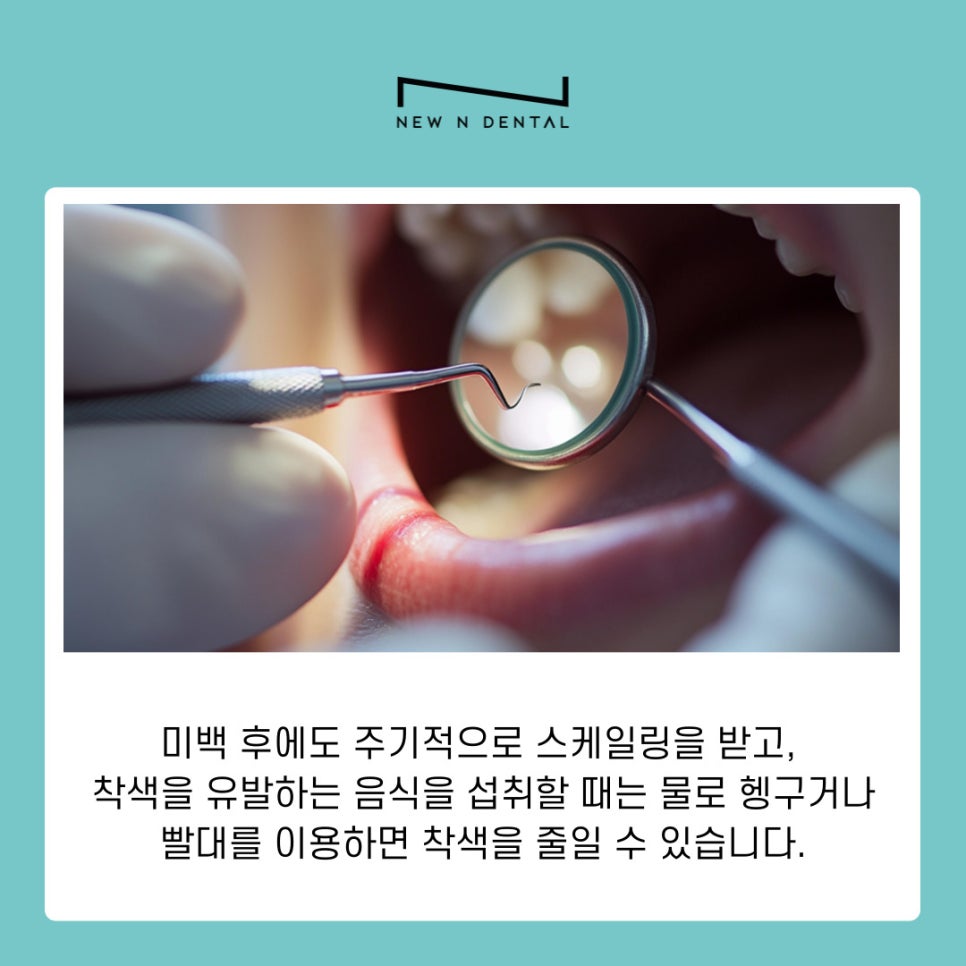
After teeth whitening, lifestyle management is very important. Right after the procedure, the tooth surface becomes temporarily sensitive, which increases the chance of staining returning. Therefore, for about 48 hours after treatment, it is best to avoid dark-colored foods and drinks such as coffee, wine, curry, chocolate, and cola. Also, smoking is the biggest factor that can quickly undo whitening results, so quitting is necessary. Even after whitening, getting regular scaling and rinsing with water or using a straw when consuming foods that cause stains can help reduce staining.
If yellow teeth are left untreated, they are not only unappealing in appearance but can also negatively affect oral hygiene. When surface staining becomes severe, bacteria can adhere more easily, plaque can form, and this may lead to cavities or gum disease. Therefore, when you notice a change in color, it is best to manage it early with whitening or cleaning treatment.

Teeth whitening is not simply a cosmetic procedure that makes teeth white. The whitening effect and duration vary depending on each person’s tooth condition, thickness, transparency, and lifestyle habits, so it is important to receive an accurate diagnosis at a dental clinic and choose the appropriate method. For example, if you whiten aggressively while having cavities or gum disease, pain or irritation may occur. Therefore, before whitening, you must check through an oral examination whether there are any areas that need treatment.
In the end, yellow teeth can be sufficiently improved with consistent care and proper lifestyle habits. Just regular scaling, teeth whitening, and eating habits that reduce staining can help you maintain a bright and healthy smile for a long time. White teeth are not just a sign of external beauty, but also a symbol of oral health and confidence. Starting today, take small steps to regain a clean and bright smile.










Previous image
Next image
#GangnamStationTeethWhitening #YellowTeeth