
Gangnam Station Implant Dentistry When an Implant Becomes Loose
Causes to Check and How to Respond
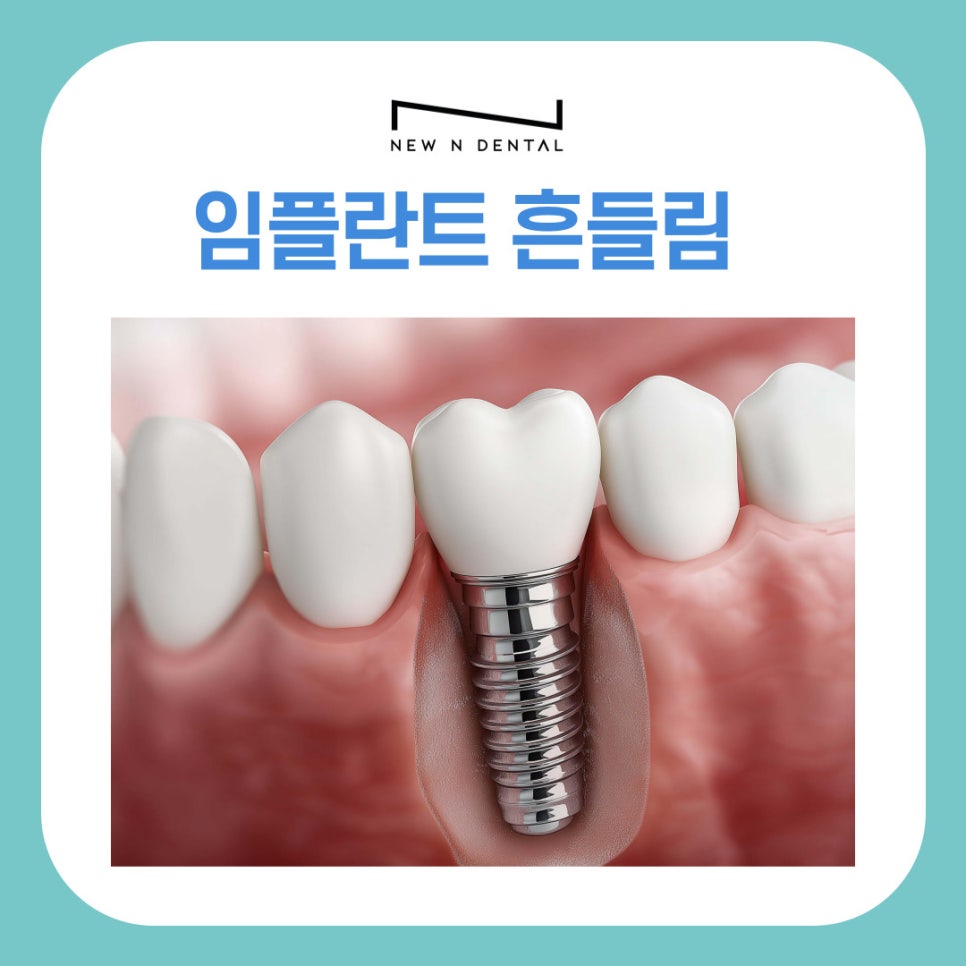
Implants are known as one of the most stable treatments for replacing natural teeth, but over time certain symptoms may appear. Even if they look fine on the outside, small problems starting inside can lead to looseness or discomfort, so early detection is very important. Because implants do not have nerves, early warning signs such as pain often appear weakly, and by the time you notice something yourself, the condition may already have progressed to some extent. Today, we will organize the main causes of looseness, the signs to check, and the proper response methods.
Early signs of looseness
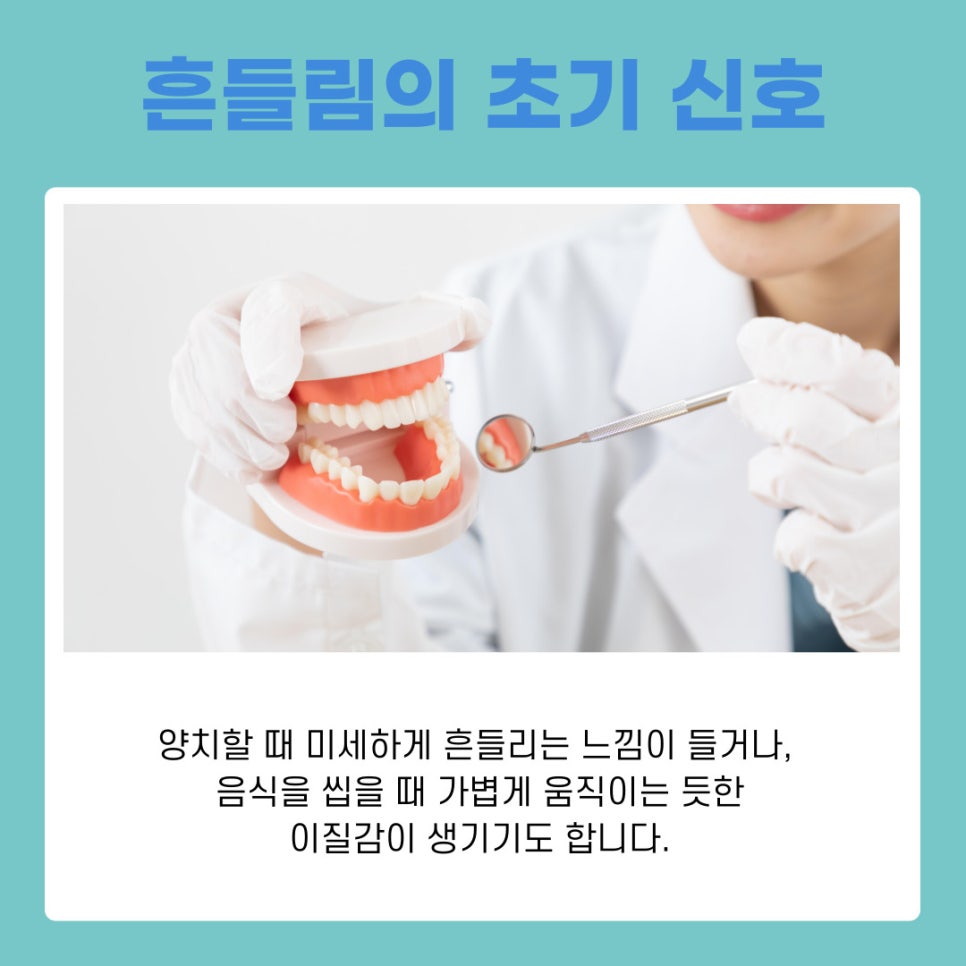
Although the implant itself has no nerves, changes in the surrounding tissues can show up as various sensations. At first, you may feel a slight wobbling sensation while brushing your teeth, or a strange feeling as if it moves a little when chewing. Also, if the gums swell or you feel mild pain when pressing on them, it may be a sign that changes are beginning in the surrounding bone or gum tissue. In some cases, sensitivity to cold or hot food may also be felt, which can happen when the surrounding gums have become sensitive due to inflammation. Even if pain does not appear right away, these early symptoms should be watched carefully.
Main causes of implant looseness
The first cause is peri-implantitis. This is similar to gum disease around a natural tooth, and it is a condition in which bacteria grow around the implant and cause inflammation. If the inflammation continues, the jawbone is gradually resorbed, weakening the support that holds the artificial root in place, and looseness eventually appears.
The second is loosening of the prosthesis or screw. Even if the artificial root is firmly fixed, if the prosthesis or the screw connecting it becomes loose, a slight movement may be felt. In this case, the looseness comes from a mechanical factor rather than a bone or gum problem.
The third is occlusal imbalance. If excessive force is repeatedly applied to a specific area while chewing, the structures around the implant can become stressed and a feeling of looseness may occur. If left untreated for a long time, it can also lead to prosthesis fracture or damage to the jawbone, which is one reason regular checkups are important. Lastly, lifestyle habits can also be a cause. Teeth clenching, bruxism, eating hard foods, and smoking can place long-term stress on the implant and cause looseness.
Risks when looseness occurs
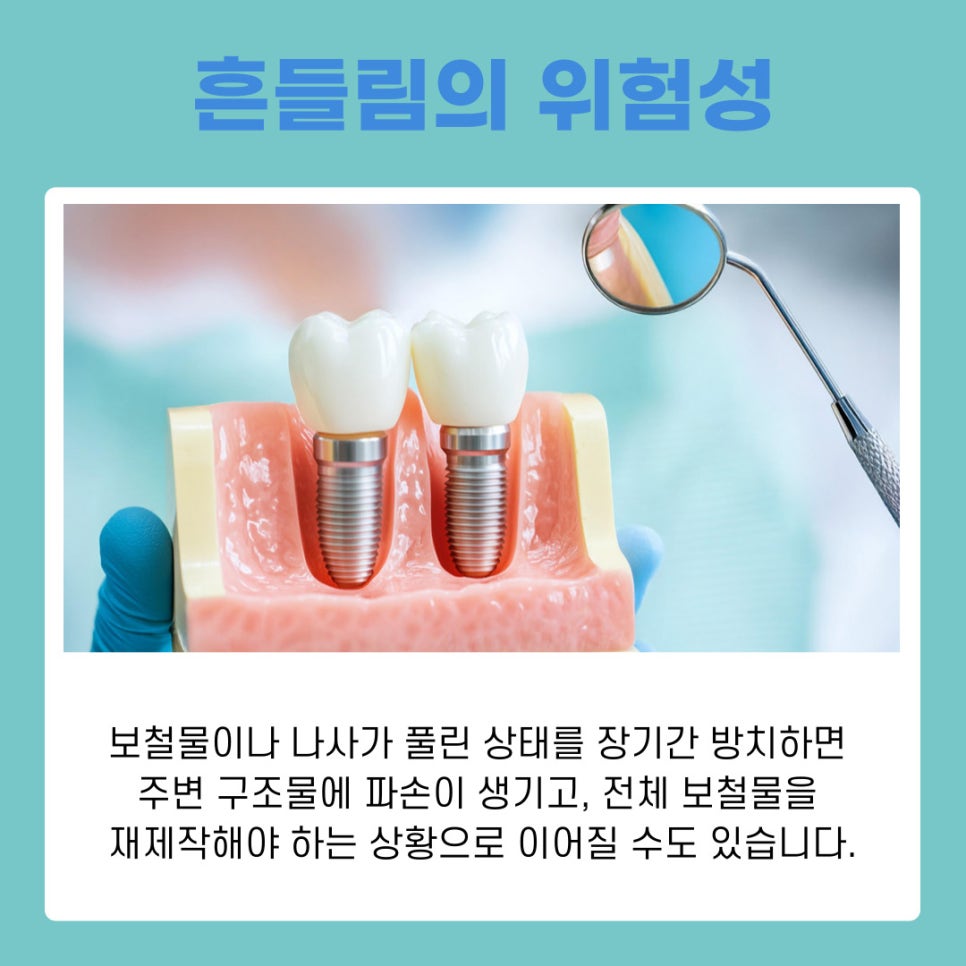
For implants, initial stability is the most important factor, but over time stability can change significantly depending on the health of the surrounding tissues. If looseness is left untreated for a long time, the inflammation may progress deeper and cause severe jawbone loss. In particular, once peri-implantitis progresses, recovery may be more difficult than with natural teeth, so early treatment is especially important. If a loose prosthesis or screw is left as is for a long time, it can damage surrounding structures and even lead to a situation where the entire prosthesis must be remade.
Proper response when looseness occurs
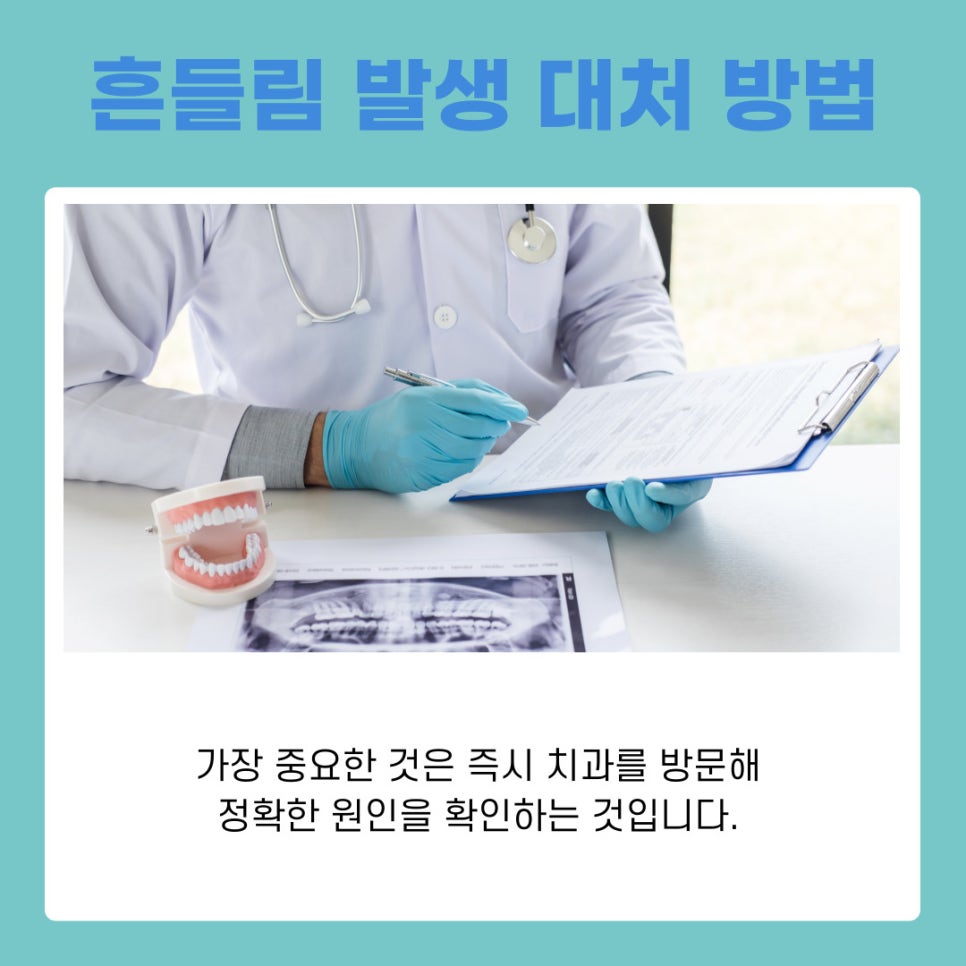
The most important thing is to visit a dental clinic immediately and identify the exact cause. It is difficult to judge jawbone resorption or internal inflammation by appearance alone, so the root cause should be identified through X-rays and evaluation of the surrounding tissue condition. If peri-implantitis is the cause, the inflamed area is cleaned and, if necessary, treatment is provided for the surrounding tissues.
If the prosthesis or screw has loosened, the problem may be solved simply by tightening it again or checking the condition of the prosthesis. If the issue is occlusion, fine adjustments are needed so that chewing force is not concentrated on one side. If you have bruxism or a clenching habit, an auxiliary device can be used to reduce the factors that worsen the condition. In other words, looseness may be caused by a screw problem or by a tissue problem, so professional judgment is essential.
Daily care to prevent looseness
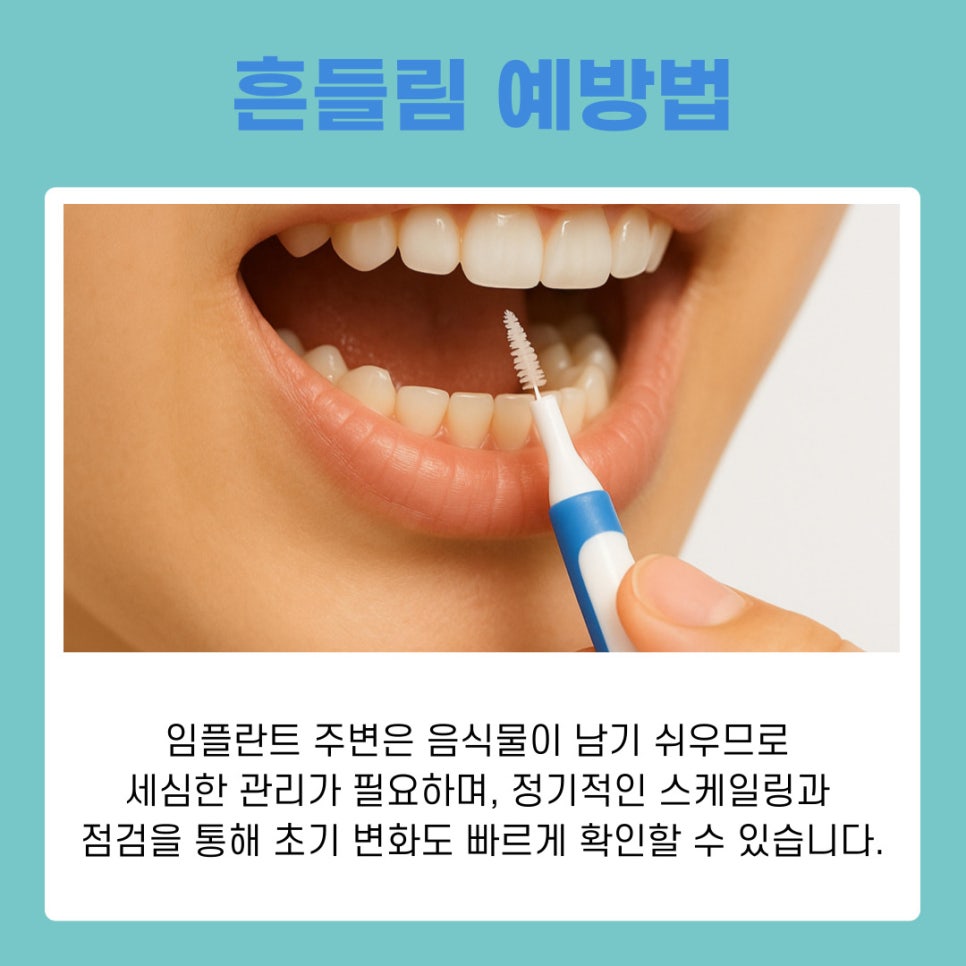
Brushing three times a day on a regular schedule, along with using interdental brushes and a mouth rinse, is essential. Food tends to remain around implants, so careful management is needed, and regular scaling and checkups can help detect early changes quickly. Smoking reduces blood circulation and worsens inflammation, so it is best to avoid it if possible. Hard foods should be handled with caution because they can cause prosthesis fracture or repeatedly create micro-looseness. In particular, if you have a bruxism habit, wearing a mouth guard can help reduce the pressure applied to the implant.
Implant looseness is not a problem that can be dismissed as a simple inconvenience. Even a small amount of looseness requires a completely different treatment approach depending on the cause, and if detected early, it may be possible to recover with only simple adjustment or care. On the other hand, if it is left untreated, jawbone loss may progress to the point that retreatment becomes necessary, so regular care and checkups are more important than anything else. If you feel that your implant is loose or if swelling or bleeding from the gums keeps recurring, please get a professional examination as soon as possible. Early diagnosis and accurate response are the most reliable ways to protect the lifespan of your implant and your oral health.










Previous image
Next image
#강남역임플란트치과 #임플란트흔들림