
Dental Clinic in Seocho-dong
How to Prevent Coffee Stains on Teeth After Brushing
Many people start their day with a cup of coffee after brushing their teeth in the morning. But have you ever looked in the mirror one day and thought your teeth seemed more yellow than before? Today, let’s take a look at how coffee after brushing affects teeth and how to properly care for them to reduce staining.
The Effect of Coffee After Brushing on Tooth Staining
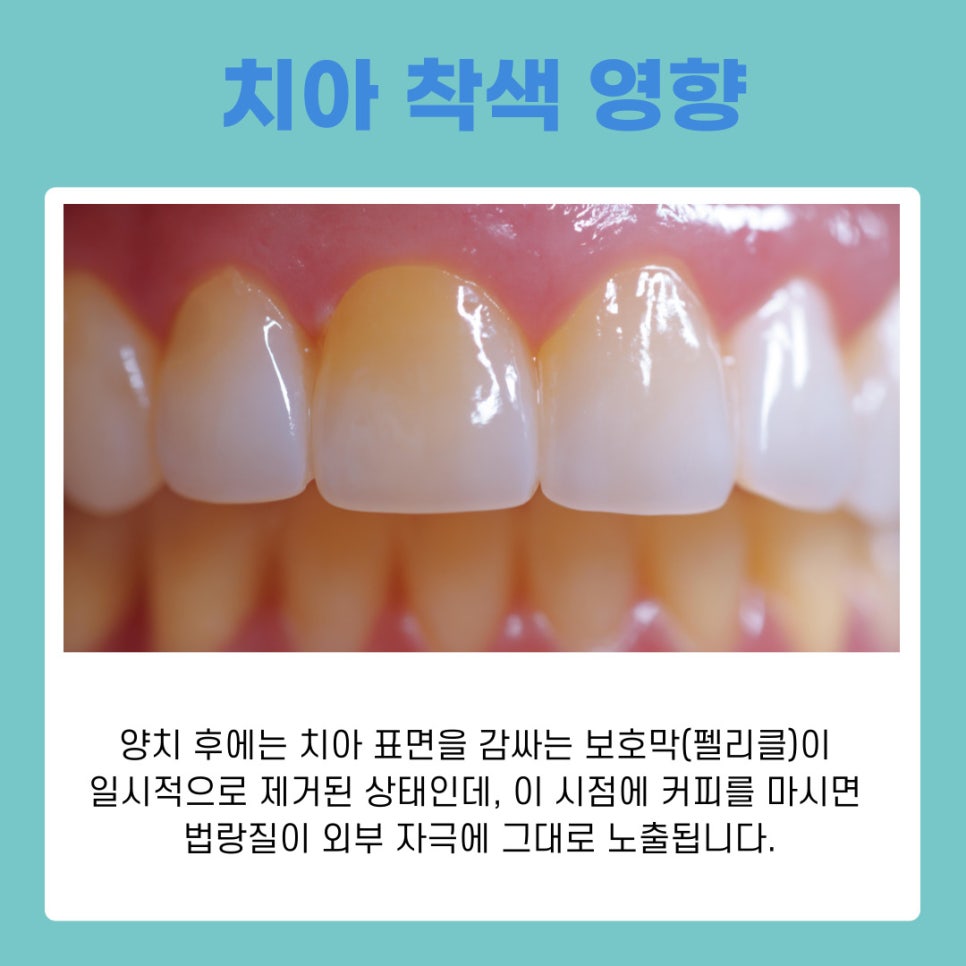
Coffee is a mildly acidic beverage with a pH of around 4 to 5. After brushing, the protective film covering the tooth surface, called the pellicle, is temporarily removed. If you drink coffee at this time, the enamel is exposed directly to external刺激. Coffee contains pigments such as tannins and chlorogenic acid, and when these components seep into the tiny gaps in teeth, staining can occur easily. In other words, when pigments and acid both touch teeth whose protective film has disappeared after brushing, the pigments can settle more deeply and lead to yellow or brown discoloration.
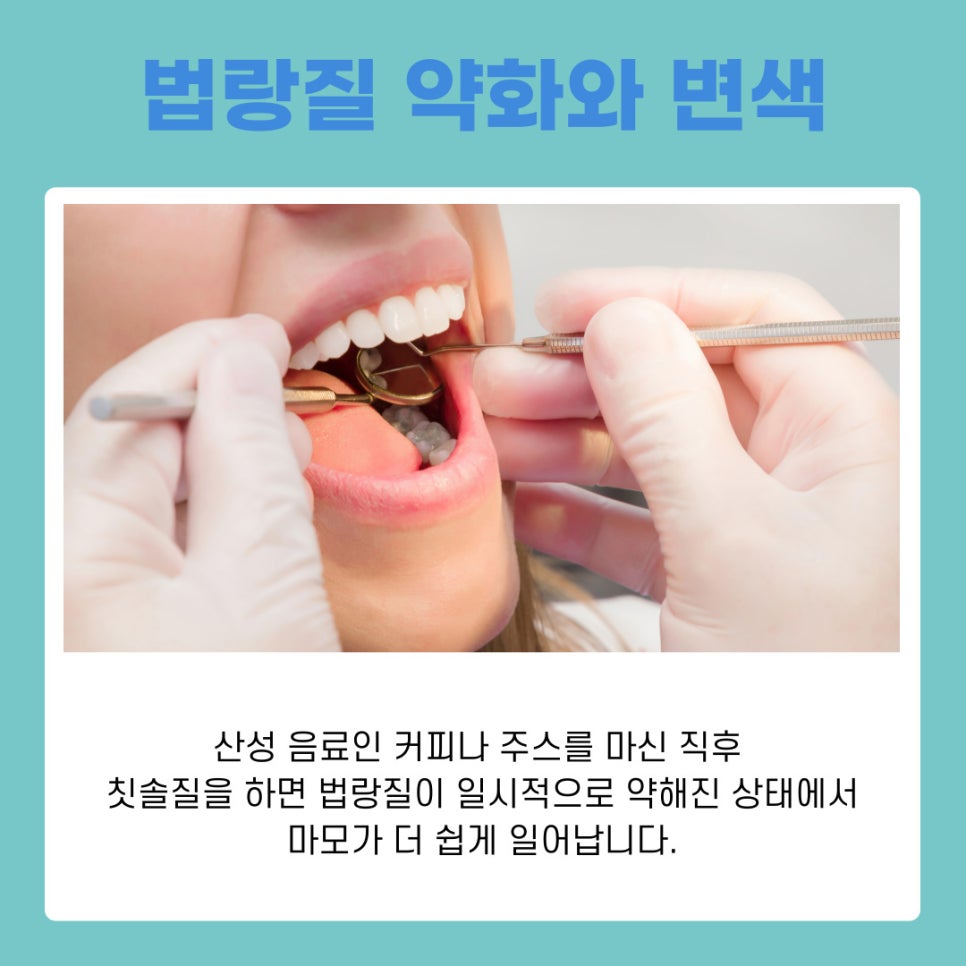
If you brush your teeth immediately after drinking acidic beverages such as coffee or juice, abrasion can occur more easily while the enamel is temporarily weakened. In addition, on tooth surfaces that are repeatedly exposed to beverages, the enamel can become damaged and pigments may settle along with it. In other words, coffee does not simply leave pigment behind; its acidic components soften the tooth surface, making staining more likely. For this reason, the habit of drinking coffee right after brushing can cause both enamel weakening and discoloration at the same time.
After Brushing, How Long Should You Wait Before Drinking Coffee?

After brushing, it is best to wait at least 30 minutes before drinking coffee. During this time, saliva rebuilds the protective film and covers the tooth surface, so if you drink immediately, pigments can touch the teeth before the film is formed and staining can occur more easily. If it is hard to wait during a busy morning, simply drinking water first or lightly rinsing your mouth before drinking can also help reduce staining.

How to Reduce Tooth Staining
If you frequently drink beverages with strong pigments, the simplest and most effective method is to gently rinse your mouth with water several times after drinking. This helps reduce the time pigments stay on the tooth surface and can help prevent staining. However, right after drinking acidic beverages, the enamel is temporarily weakened, so it is better to avoid vigorous brushing and instead manage it with rinsing.
Also, regular scaling is very effective at removing surface stains. Staining is not just a cosmetic issue; it also creates an environment where plaque and bacteria can adhere more easily, which is not good for oral hygiene. Removing stains and tartar through scaling not only restores the natural brightness of the teeth but also improves oral health, making it beneficial in the long run.
How to Protect Your Teeth While Enjoying Coffee
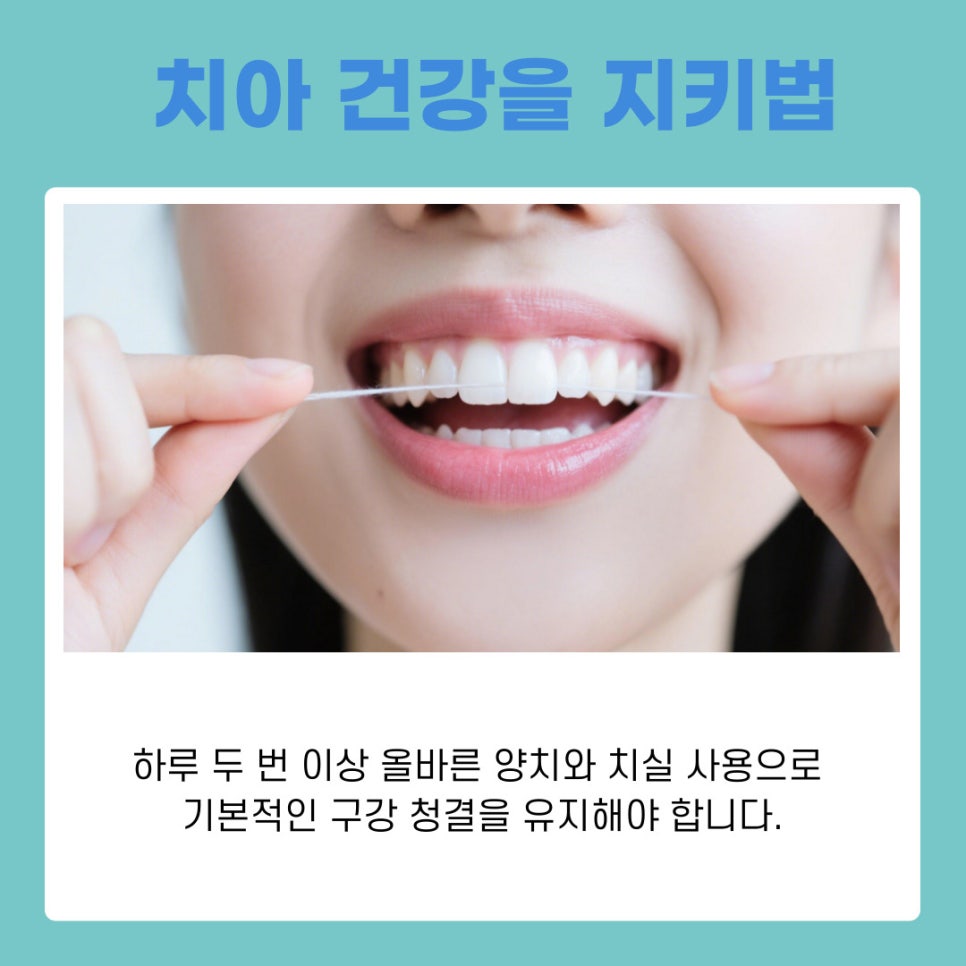
The key is when and how you drink it. After brushing, the protective film has been removed, so it is best to avoid the habit of drinking immediately and to leave at least 30 minutes. Also, after drinking, be sure to rinse with water to reduce pigment residue, and maintain basic oral hygiene with proper brushing and flossing at least twice a day. Coffee-related staining can happen to anyone, but it can be prevented with a little care. If staining has already progressed, the most reliable way is to have it professionally managed with scaling and polishing.
Regular Checkups for Stain Prevention
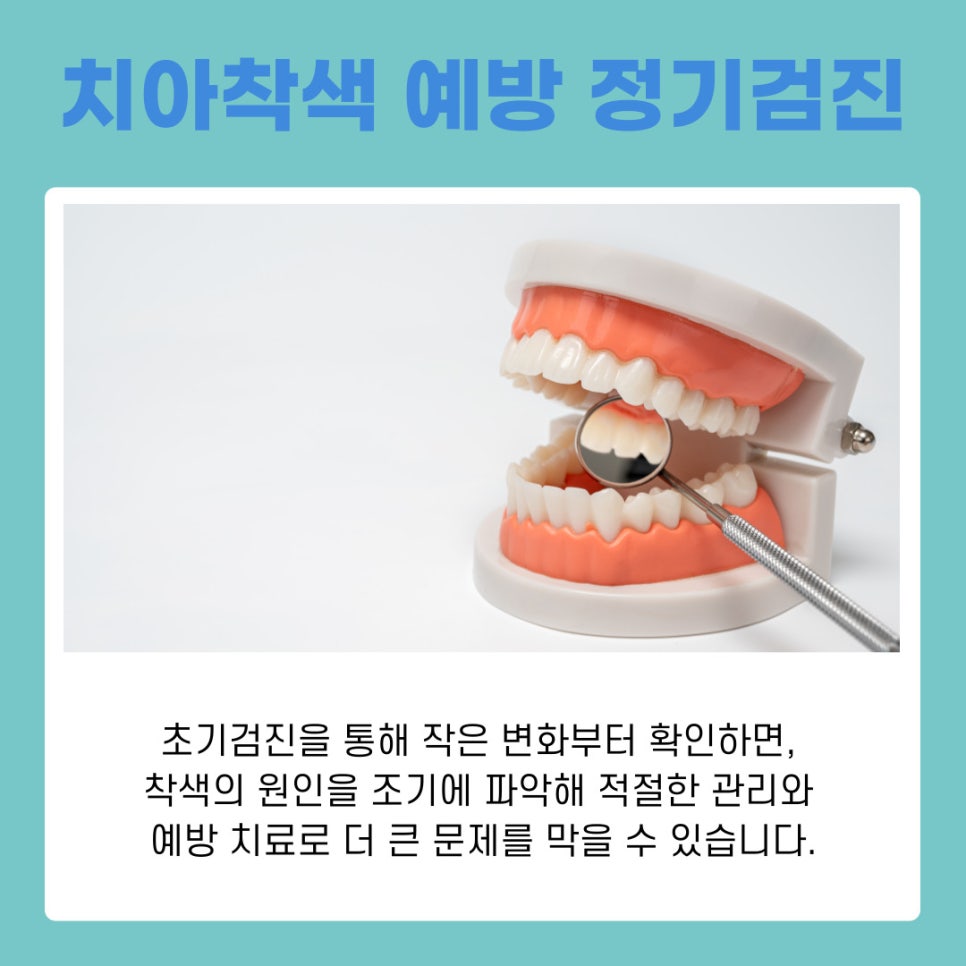
Tooth staining is not something that should be seen as merely a cosmetic issue. When pigment components in beverages repeatedly stick to the tooth surface, the teeth gradually become yellow and lose their natural translucency. However, it is difficult to accurately judge tooth health based only on the visible degree of staining, which is why regular initial checkups are important. This is because the treatment method differs depending on whether the staining on the tooth surface is simply pigment deposition or discoloration caused by enamel damage or the early stages of cavities. By checking even small changes through an initial examination, you can identify the cause of staining early and prevent bigger problems through appropriate care and preventive treatment.
Coffee is an everyday pleasure that we cannot easily give up, but if proper care does not follow, it can lead to changes in tooth color. By waiting a little after brushing before drinking and making the small habit of rinsing with water, you can protect your dental health for a long time. If you manage staining with regular checkups and professional scaling, you can enjoy coffee while still maintaining a bright and clean smile.










Previous image
Next image
#Seocho-dongDentalClinic #AfterBrushingCoffee