Before Orthodontic Treatment at a Seocho-gu Orthodontic Clinic
Basic Information You Must Know
Many people consider treatment simply because their teeth are not evenly aligned, but in reality, problems with tooth alignment are not limited to appearance alone. If the teeth do not fit together properly inside the mouth, chewing function declines, and excessive strain builds up on certain teeth or the gums. If this imbalance is left untreated for a long time, it can lead to gum disease, jaw joint discomfort, and even digestive problems.
Therefore, treatment to correct tooth alignment should be understood not merely as a cosmetic procedure, but as a process for restoring overall oral function. Once the bite is stabilized, chewing efficiency improves, oral hygiene becomes much easier, and in the long term it also helps protect the lifespan of the teeth.
The Principle of Tooth Movement and the Importance of Precise Diagnosis
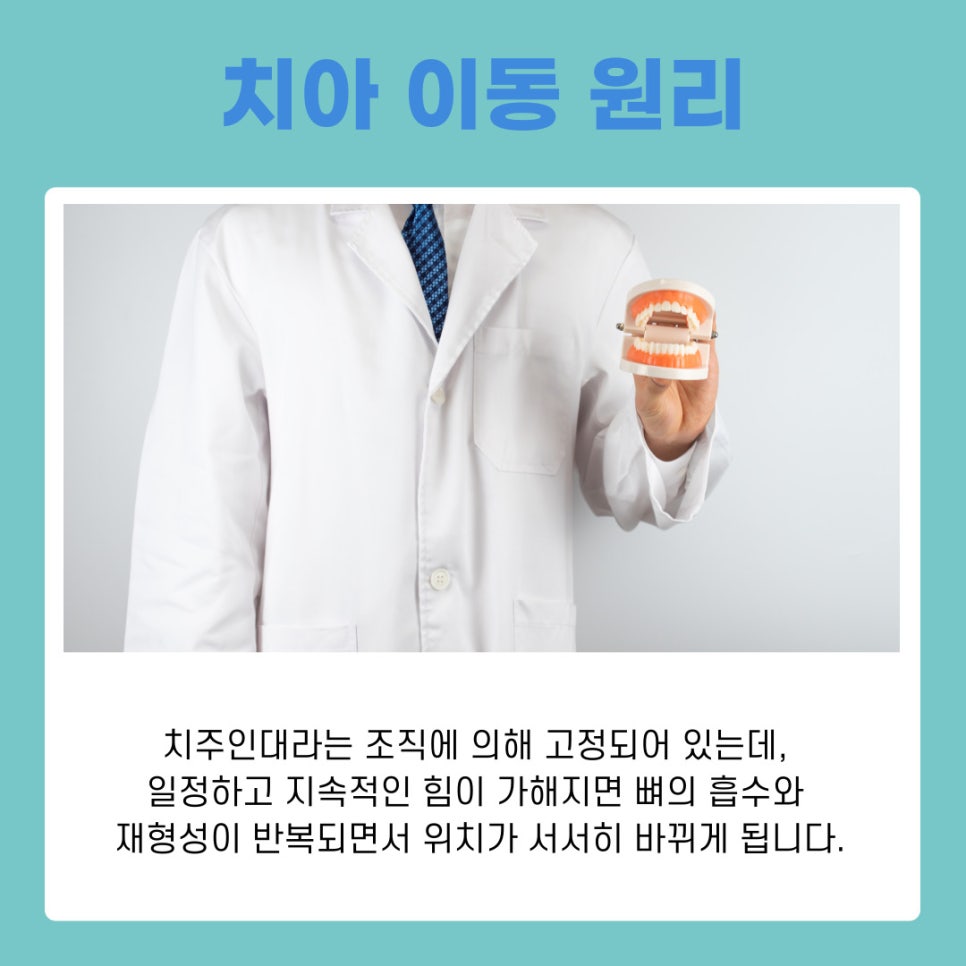
Treatment that moves teeth is not a process of applying force randomly. Teeth are fixed within the jawbone by tissue called the periodontal ligament, and when a constant, sustained force is applied to this area, bone resorption and remodeling repeat, causing the position to change gradually.
The speed of this process varies depending on an individual’s bone condition, gum health, and tooth shape. This is why the same appliance can produce different results. For that reason, precise diagnosis at the start is a key factor that determines the direction of the entire treatment.
Since there are limits to what can be learned from a simple X-ray alone, it has become common to establish treatment plans by combining 3D CT scans, oral scans, facial analysis data, and more. Such data play an important role in predicting the path of tooth movement and reducing unnecessary trial and error.
Types and Features of Orthodontic Appliances
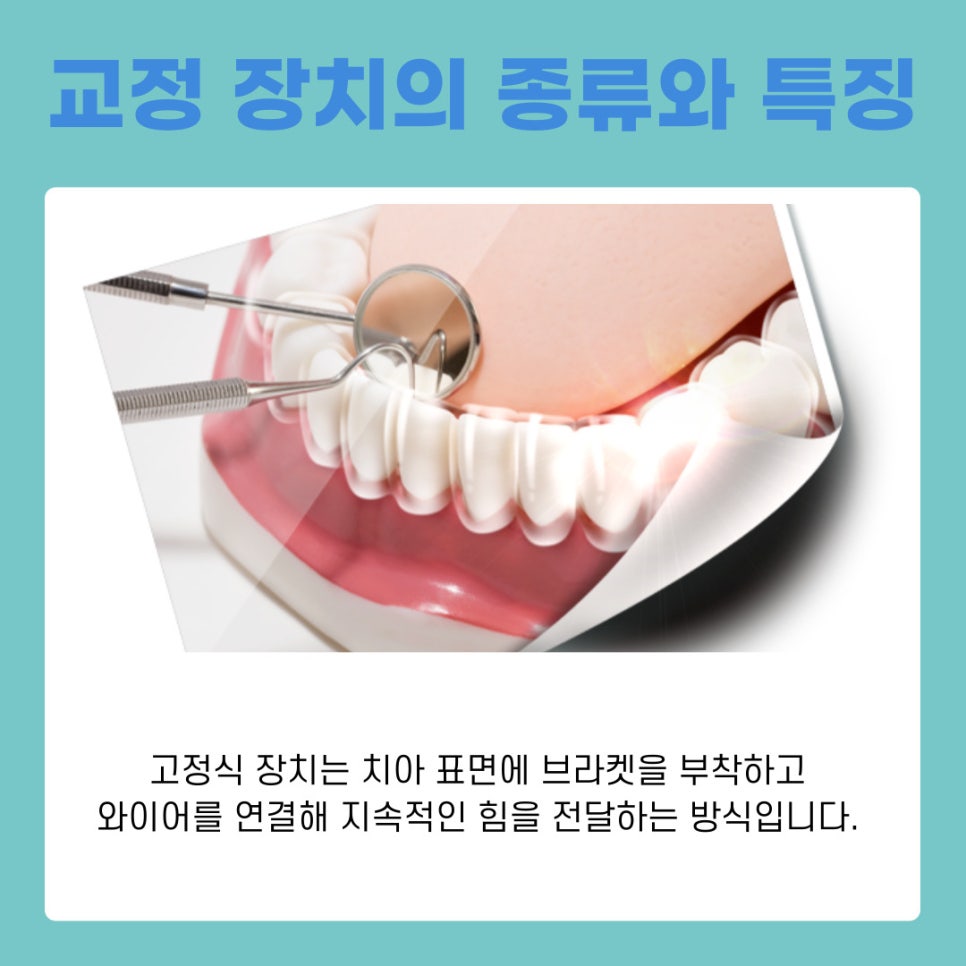
The appliances used to move teeth are broadly divided into fixed and removable types.
Fixed appliances attach brackets to the tooth surface and connect them with wires to deliver continuous force. In the past, they were mainly metal appliances, which had the disadvantage of being highly visible, but recently various forms with tooth-colored materials or improved structures have been developed. In particular, appliances with structures that reduce friction can help lessen pain and the sensation of something being stuck in the mouth.
On the other hand, removable appliances are characterized by the fact that the user can put them on and take them off directly. A representative method is one in which transparent appliances are replaced step by step to move the teeth. Because they are barely noticeable from the outside, they place less burden on social life, and since they can be removed when eating or brushing, hygiene management is easier. However, if the prescribed wearing time is not followed, the planned tooth movement may not occur. In other words, while this method offers high convenience, the user’s level of cooperation directly affects the treatment outcome.
When Transparent Orthodontics Is Appropriate and What to Watch Out For
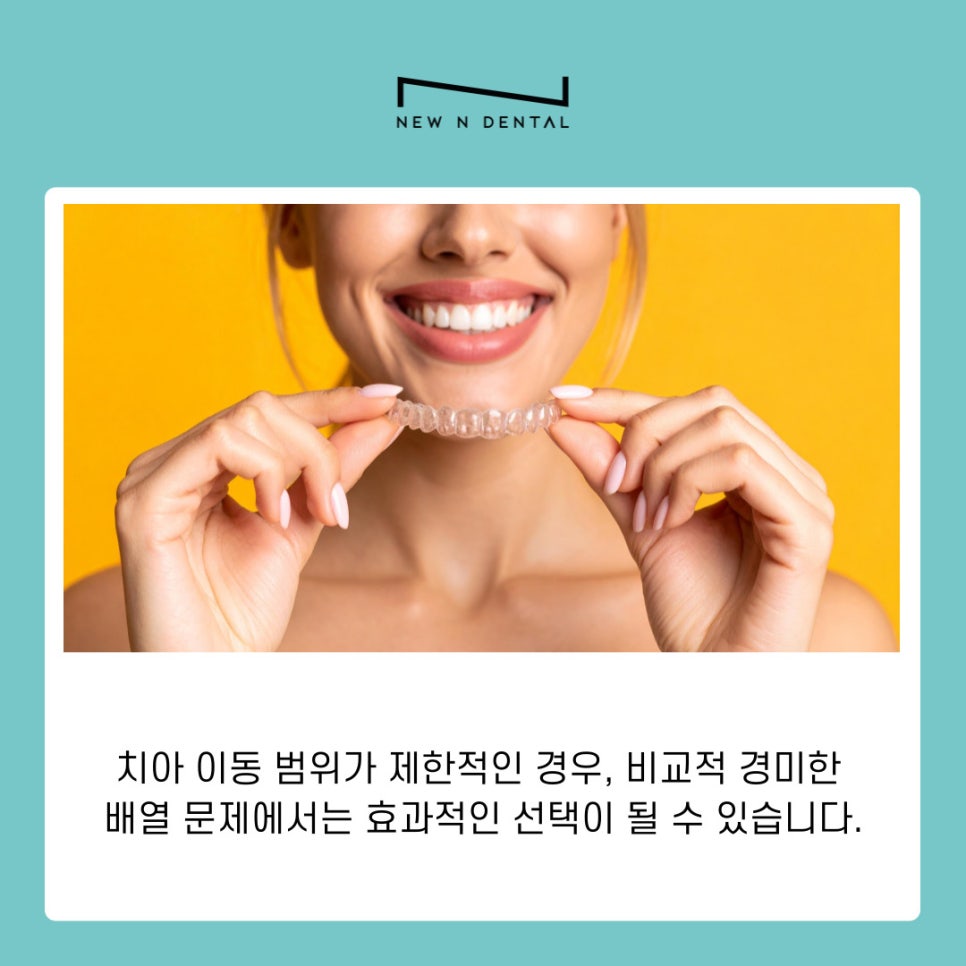
Orthodontic treatment using transparent appliances is not applicable to every case. It can be an effective choice when the range of tooth movement is limited and the alignment problem is relatively mild. It is often preferred by office workers or students who want to minimize appliance visibility in daily life, as well as by people in jobs that involve frequent face-to-face interaction. Thinly made appliances are designed with the gum line in mind, and they have a relatively small impact on speech or oral movement when worn.
However, because the planned force is delivered only when the appliance is worn for long periods, managing wearing time is extremely important. If time spent without the appliance becomes repeated without notice, the treatment schedule may become longer or the results may differ. Therefore, when considering this type of orthodontic treatment, it is important not to compare only appliance types, but to first consult medical staff with sufficient experience in developing treatment plans.
Treatment Duration and Management Factors for Tooth Movement
The time needed for tooth movement varies greatly from person to person. In general, treatment that addresses the entire set of teeth often takes around one to two years. By contrast, partial treatment that adjusts only some of the front teeth may be completed within a few months. However, treatment duration is not determined solely by appliance wear time. Tooth movement speed, visit intervals, and appliance care all work together. During treatment, visits usually take place at one-month intervals, and tooth movement is checked and appliances are adjusted during this process. At that time, the patient’s oral hygiene also becomes an important management factor.
Why Retainer Care Is Needed After Treatment
Treatment to move the teeth does not mean that everything is finished. Because teeth tend to return to their original positions, a retainer must be used after treatment. Retainers come in fixed types attached to the inner side of the teeth and removable types, and depending on the situation, both may be used together. The wearing period varies depending on the individual’s condition, but in many cases, years of management are recommended. If care becomes neglected at this stage, the results that were hard to achieve can become misaligned again. Therefore, regular checkups and hygiene management are essential even after treatment is complete.
Functional Changes Brought by Improved Tooth Alignment
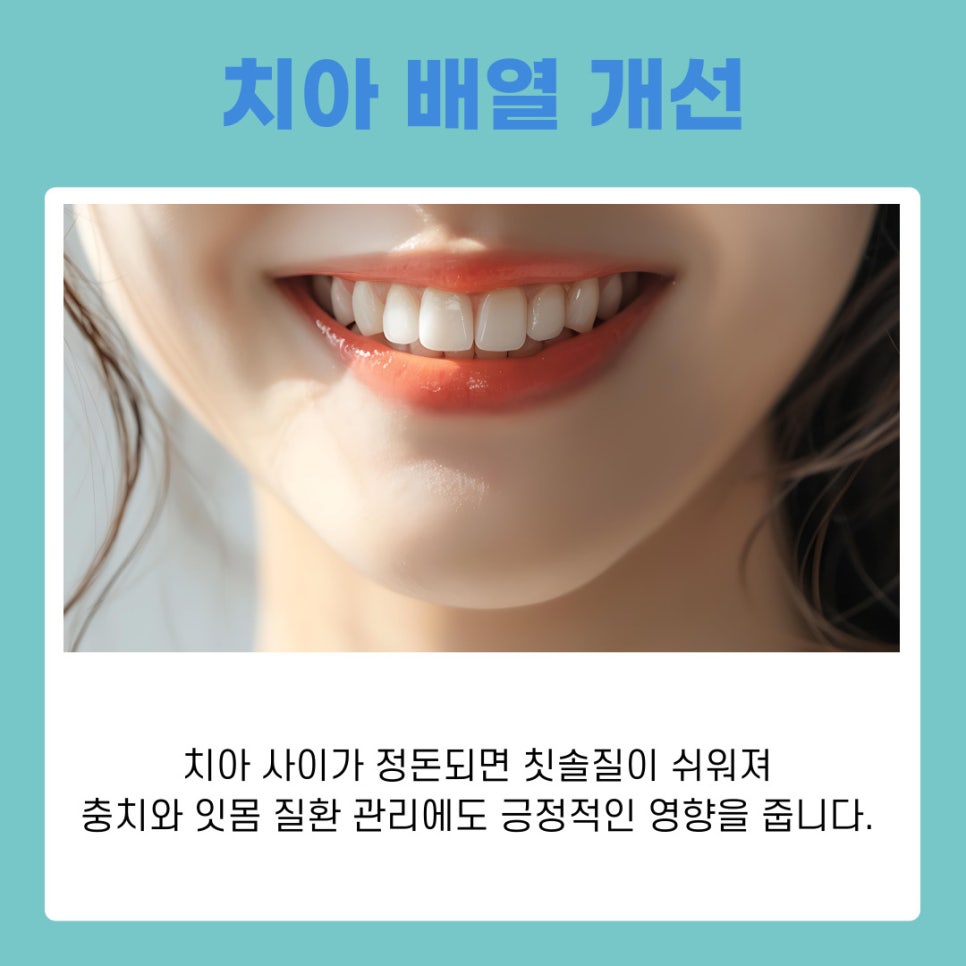
When tooth alignment becomes stable, it does more than simply change the impression you give when smiling. Chewing function improves, making it easier to eat, and the burden on the jaw joint is reduced. In addition, when spaces between teeth are organized, brushing becomes easier, which has a positive effect on cavity and gum disease management. These changes reduce small inconveniences in daily life and play an important role in maintaining oral health over the long term. In the end, orthodontic treatment can be seen as a process that considers both function and health, beyond appearance.
When deciding on treatment, what matters most is not only cost or duration, but also whether a plan tailored to the individual’s oral condition is established. It is advisable to find an orthodontic direction that suits you through sufficient consultation and an accurate diagnosis.
#Seocho-gu Orthodontic Clinic