
Seocho laminate, completing aesthetics
The principles and criteria of prosthetic treatment
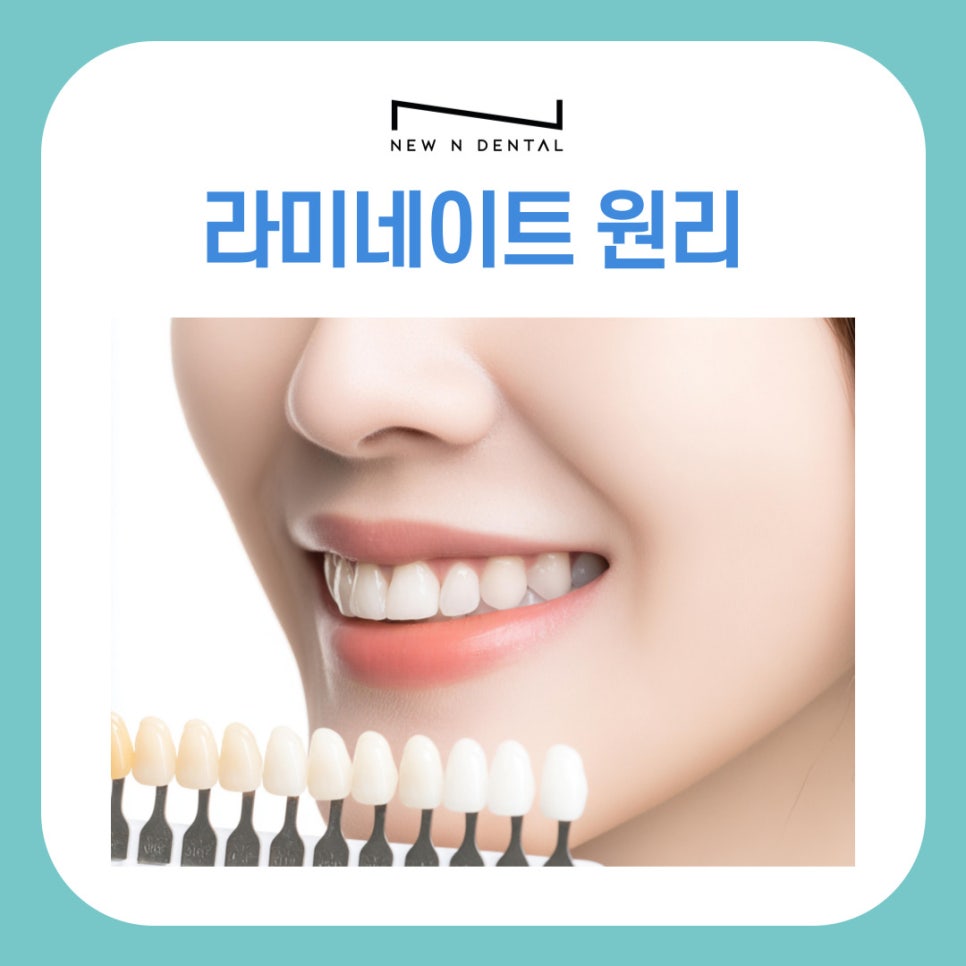
Teeth are one of the first things people notice when speaking, smiling, or taking photos. For that reason, the color, alignment, and shape of teeth have a direct effect on a person's impression and confidence. As a result, interest in aesthetic dental treatments that improve appearance has been steadily increasing among dental treatments in recent years, and laminate veneers are at the center of that attention. It has come to be recognized not merely as a procedure for whitening teeth, but as a treatment that aims to create a harmonious image while preserving the natural teeth as much as possible.
However, because interest is so high, many people make decisions without fully understanding the principles, process, suitable candidates, advantages, and limitations of the treatment. In this article, we will calmly organize everything about laminate veneers, one of the aesthetic prosthetic treatments in dentistry, from the principles to aftercare.
The concept and characteristics of laminate veneers

Dental treatment can broadly be divided into treatments aimed at restoring function and treatments focused on improving appearance. If treating cavities or gum disease belongs to the former, then treatments that improve tooth color, shape, and alignment belong to the latter. Laminate veneers are classified as a relatively conservative method among these aesthetic treatments. Unlike crown treatment, which covers the entire tooth, this method attaches a thin prosthetic mainly to the outer surface of the tooth. Because of this, it is considered a feature that it can improve appearance while preserving as much of the natural tooth structure as possible.
How laminate veneer treatment is performed
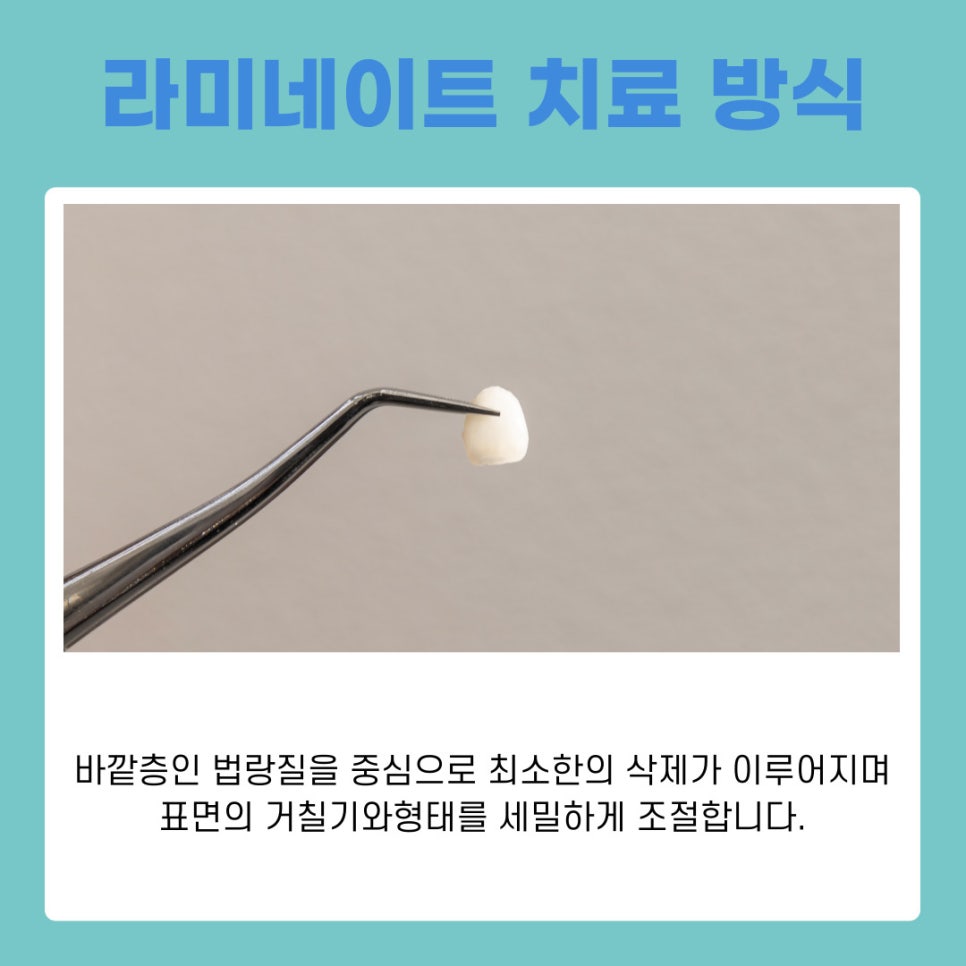
It is performed by precisely bonding a thin ceramic prosthesis to the tooth surface. Rather than simply attaching it, the tooth surface is finely adjusted and then a bonding system is used to create both physical and chemical bonds at the same time. Minimal reduction is performed mainly on the enamel, the outer layer of the tooth, and during this process the roughness and shape of the surface are delicately adjusted.
After that, the prosthesis is attached using a special adhesive, and the bond strength is stabilized using light and pressure. Recently, ceramic materials with excellent light transmittance and color stability have been used, helping to create a texture similar to that of natural teeth. If this material selection and bonding process are not handled precisely, problems such as detachment, discoloration, or fracture can occur, so careful design is essential.
Tooth conditions for which laminate veneers are considered
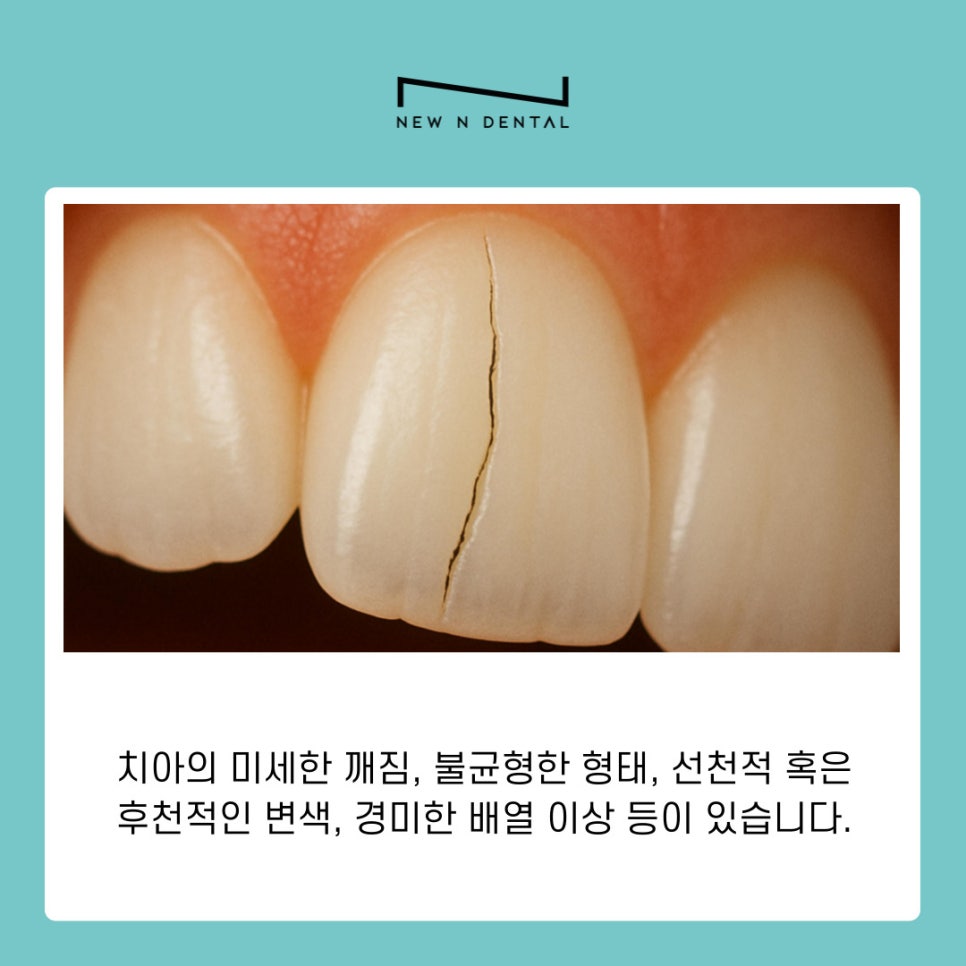
This treatment is not suitable for all dental problems. It is mainly considered when there is little structural damage to the teeth but aesthetic improvement is needed. Typical examples include minor chips, uneven shapes, congenital or acquired discoloration, and mild alignment issues.
It is often chosen when aesthetic discomfort is the main concern rather than functional dental problems. On the other hand, if cavities are deep, gum conditions are unstable, or occlusion problems are severe, other treatments may need to be prioritized. Therefore, the decision to proceed should be made after comprehensively evaluating the overall oral condition, not just the appearance.
The advantages, limitations, and actual treatment process
A major advantage when applied is that the amount of tooth reduction is relatively small. Because it can produce a noticeable change without excessively damaging the natural teeth, the psychological burden is reduced. In addition, the color and translucency can be adjusted to suit each person, making the harmony with the surrounding teeth natural. However, since it is an artificial prosthesis, there are limits to its durability against impact. If you frequently bite hard foods or have a teeth-grinding habit, the risk of fracture or detachment may increase.
If too much tooth structure is removed, sensitivity may occur, and if there is not enough space, the prosthesis may become too thick and look unnatural. In this respect, precise diagnosis and experience are factors that determine the prognosis. Before starting, intraoral photographs are taken and the tooth shape, color, and occlusal condition are analyzed.
Recently, digital scanning devices are often used to reduce the discomfort of taking impressions and to obtain more accurate data. The scanned information is rendered on a 3D screen and used to establish the treatment plan. After that, the tooth surface is prepared, and only the necessary amount is carefully reduced. In the laboratory process, customized prostheses are fabricated to reflect the tooth's shade, translucency, and surface texture. The finished prosthesis is checked for fit in the mouth, then bonded, and the treatment is completed with occlusal adjustment and final polishing.
Aftercare
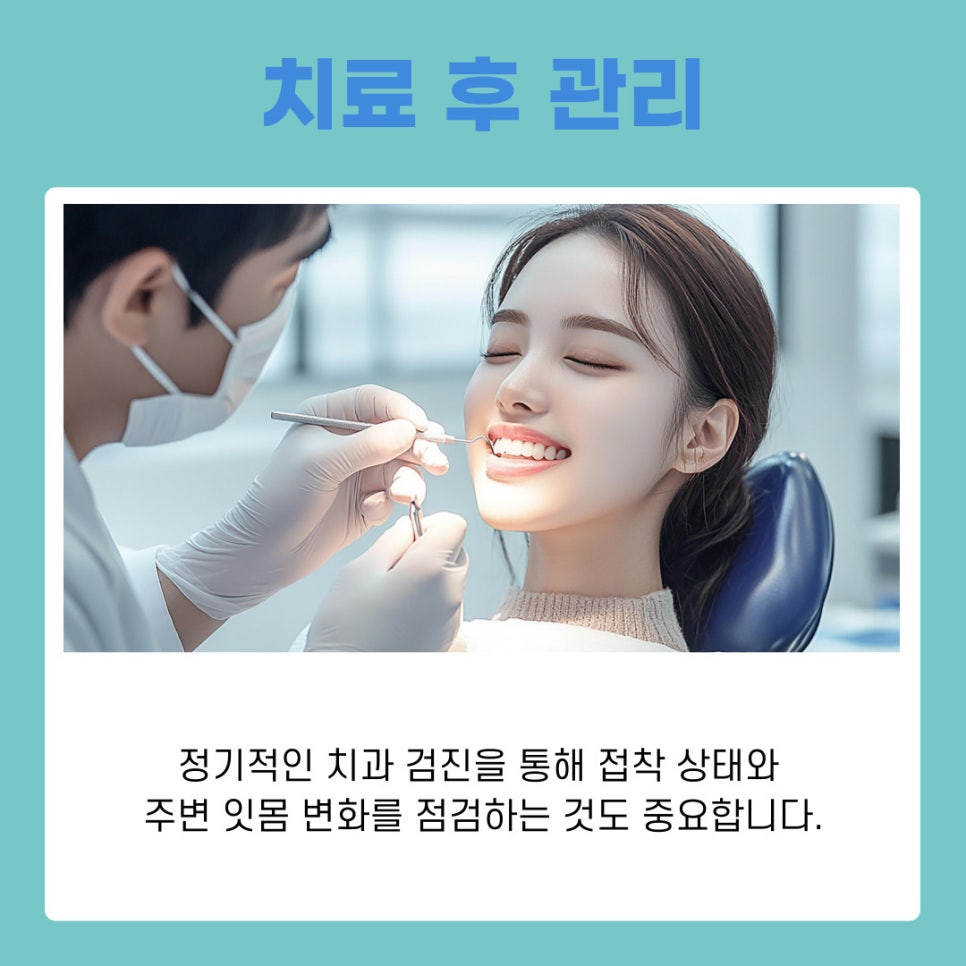
Just because the treatment is finished does not mean no care is needed. In fact, later lifestyle habits have a major effect on how long it lasts. Along with basic oral hygiene, it is best to avoid biting very hard foods with the front teeth. Sticky foods can also place stress on the bonding area, so caution is needed. If you have a habit of grinding or clenching your teeth, considering a protective appliance can be helpful. It is also important to check the bonding condition and any changes in the surrounding gums through regular dental examinations.
Criteria for choosing the treatment
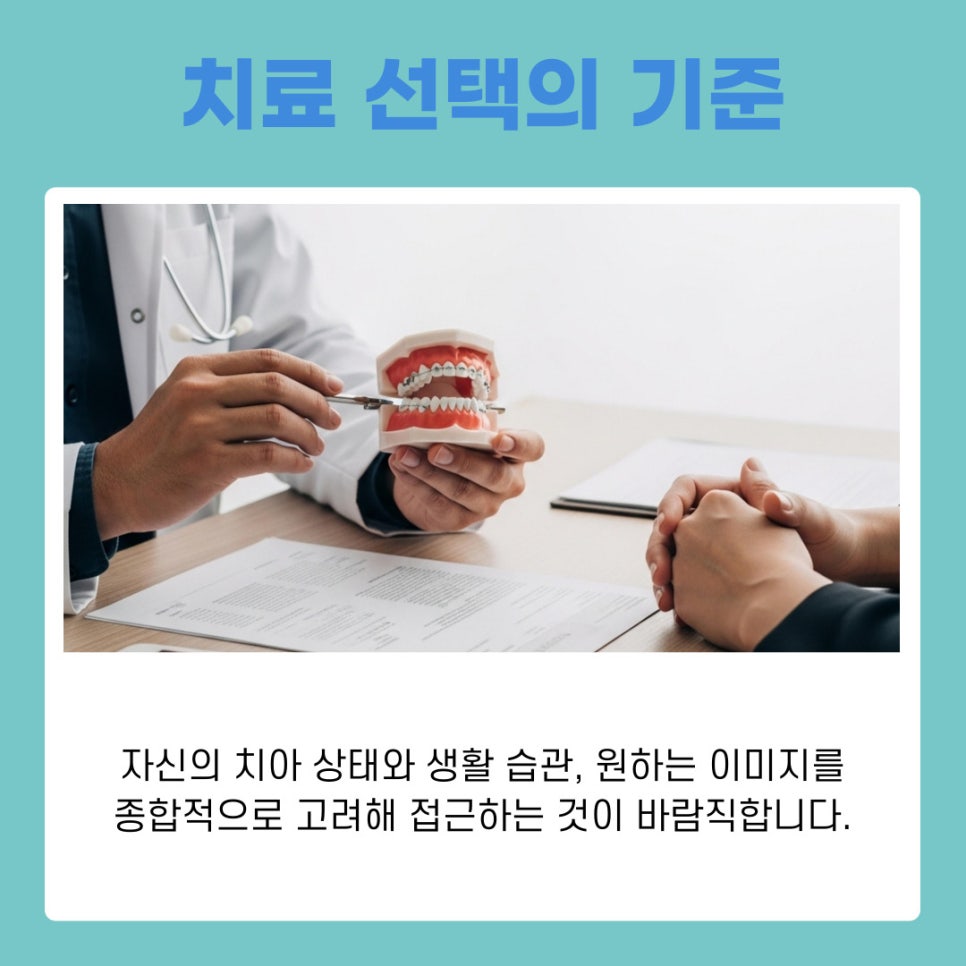
The essence of the treatment lies in subtle improvement rather than noticeable change. Just as well-fitted clothes naturally complement the body while covering its flaws, teeth also need to harmonize with the entire face for satisfaction to be high. To achieve this, it is necessary to control the amount of reduction, select the color, and understand optical properties. Laminate veneers are not simply a cosmetic procedure; they belong to the field of precise prosthetic treatment.
If performed without sufficient consultation and planning, the results may differ from expectations. Therefore, it is advisable to approach the treatment by comprehensively considering your tooth condition, lifestyle habits, and desired image. Laminate veneers are one of the options that can improve appearance while preserving natural teeth as much as possible. However, it is not the right answer in every case, and stable results can only be expected when an accurate diagnosis and plan come first. When not only the visible change but also long-term oral health is considered together, the true meaning of the treatment is complete.
#SeochoLaminate