
Banpo Station Dental Clinic Implant
Treatment Period and Recovery Process
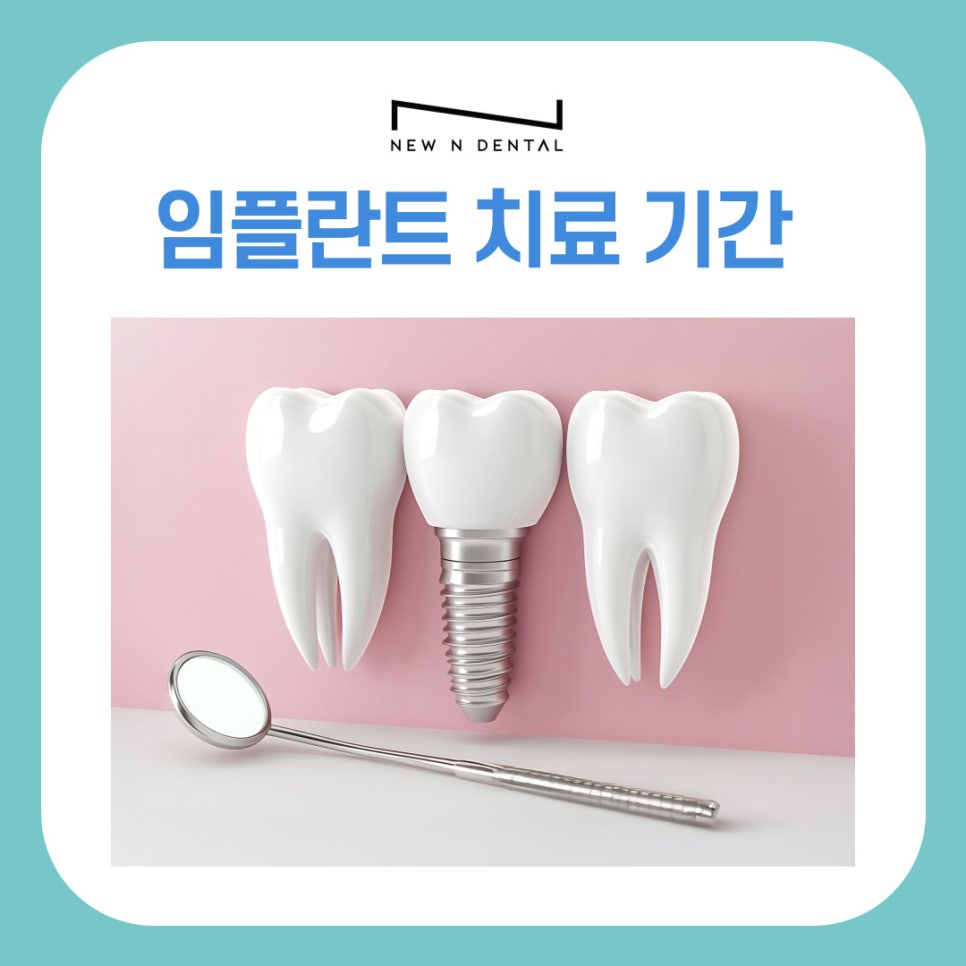
When a tooth is lost,
there are several treatment options,
but when function, aesthetics, and long-term stability
are all taken into account, many people become
interested in implant treatment.
�
However, the vague fear that comes from the word
surgery and the long treatment period often leave
people worrying without fully understanding the process.
�
In this article, we will carefully organize the overall treatment flow,
what is important at each stage,
and the points patients should be sure to understand.
Implant Treatment Components
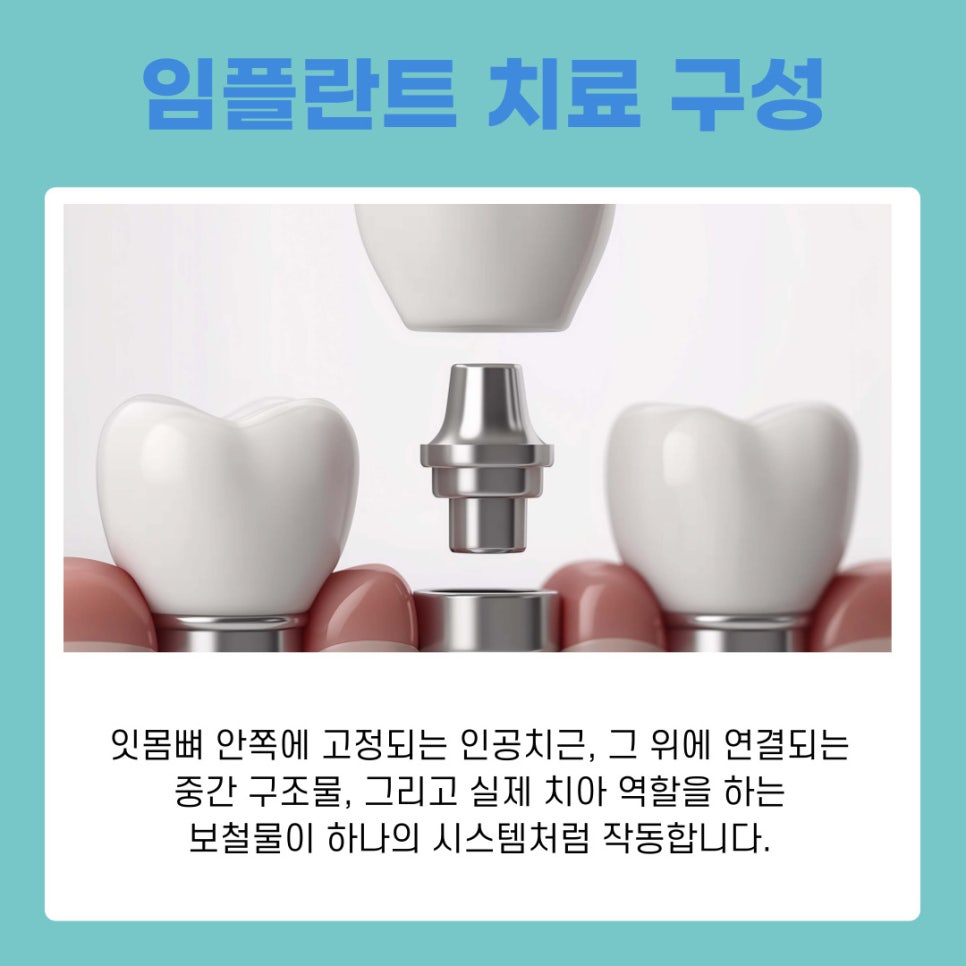
This treatment is not simply the process of attaching a
prosthetic tooth-shaped restoration.
�
An artificial root fixed inside the jawbone,
a connecting structure attached on top of it,
and the prosthetic that actually functions as the tooth
work together as one system.
�
The fixture located at the bottom is made of titanium
and bonds directly with the bone.
This bonding process must be stable for the
entire treatment to be completed successfully.
�
Because the hidden root area must be strong for
the visible tooth to be used for a long time,
what is inside is more important than
the appearance on the outside.
Importance of Precise Examination Before the Procedure
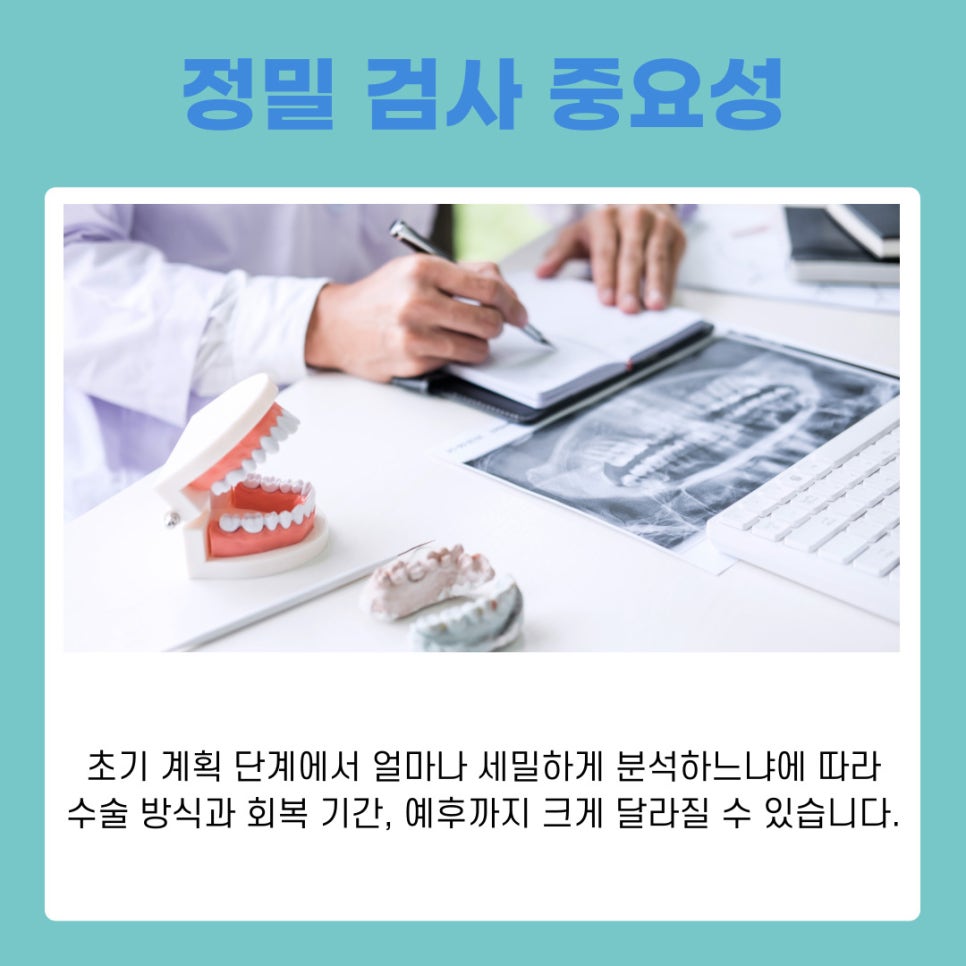
Before the full procedure begins,
the first step is a precise examination of the oral condition.
�
Through X-rays and CT scans,
the height and thickness of the alveolar bone,
the location of nerves,
and the distance from surrounding teeth are
analyzed comprehensively.
�
At this stage, it is determined whether the jawbone
is in sufficient condition and whether any additional
treatment is needed.
�
If the jawbone is healthy, placement may be possible
immediately after extraction,
but if the bone has already been resorbed,
reinforcement must be performed first.
�
How carefully the initial planning stage is analyzed
can significantly affect the surgical method,
recovery period, and even the prognosis.
Implant Placement Method and Surgical Approach
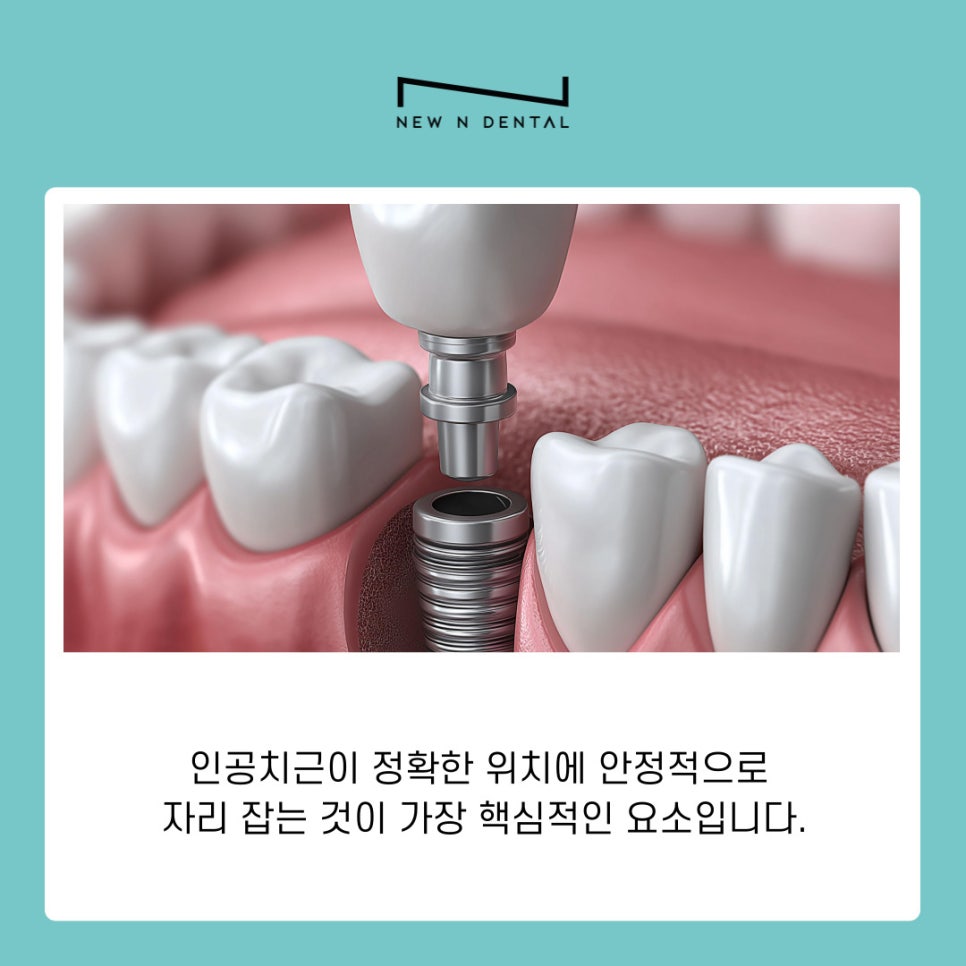
The stage at the center of the actual surgery is
the process of placing the fixture into the jawbone.
�
The standard method is to make an incision in the gums
and place the implant while directly viewing the bone,
which makes it easier to secure stability.
�
Recently, a method that uses digital data and is performed
with only minimal incision has also been used,
�
and this is carried out after precisely calculating
the position and angle through a preoperative simulation.
�
Because it can reduce concerns about bleeding and pain,
it may also be considered for people with systemic diseases
or older adults, but above all, the skill of the medical team
and accurate planning are most important.
�
Whichever method is chosen, the most essential factor
is that the artificial root is securely positioned
in the correct location.
Osseointegration Period and Recovery Process
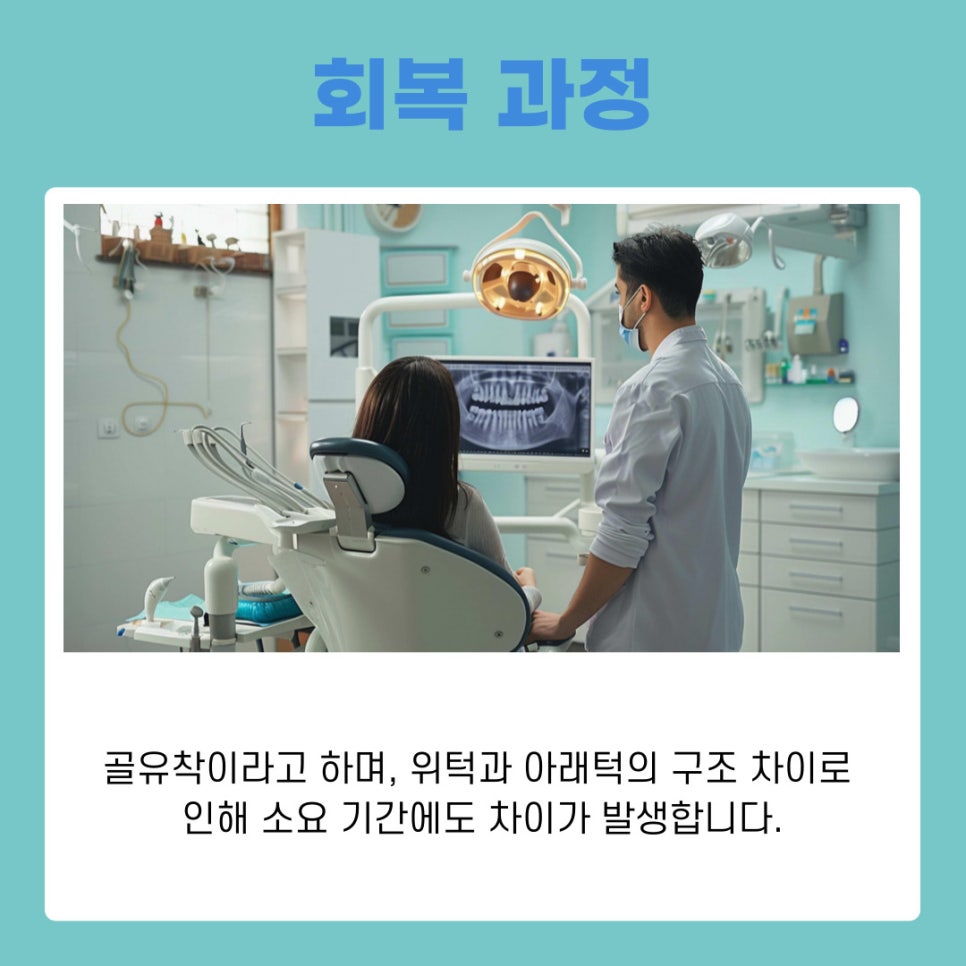
After the fixture is placed,
it does not move immediately to the next stage.
�
This is because time is needed for the bone and the
artificial root to bond firmly.
�
This process is called osseointegration,
and due to structural differences between the upper
and lower jaws, the required period also differs.
�
In general, the lower jaw bonds relatively quickly,
while the upper jaw tends to require more time.
�
During this period, it is important to avoid overuse
and pay special attention to oral hygiene
in order to expect stable bonding.
Intermediate Connector Structure and Prosthetic Fabrication Stage
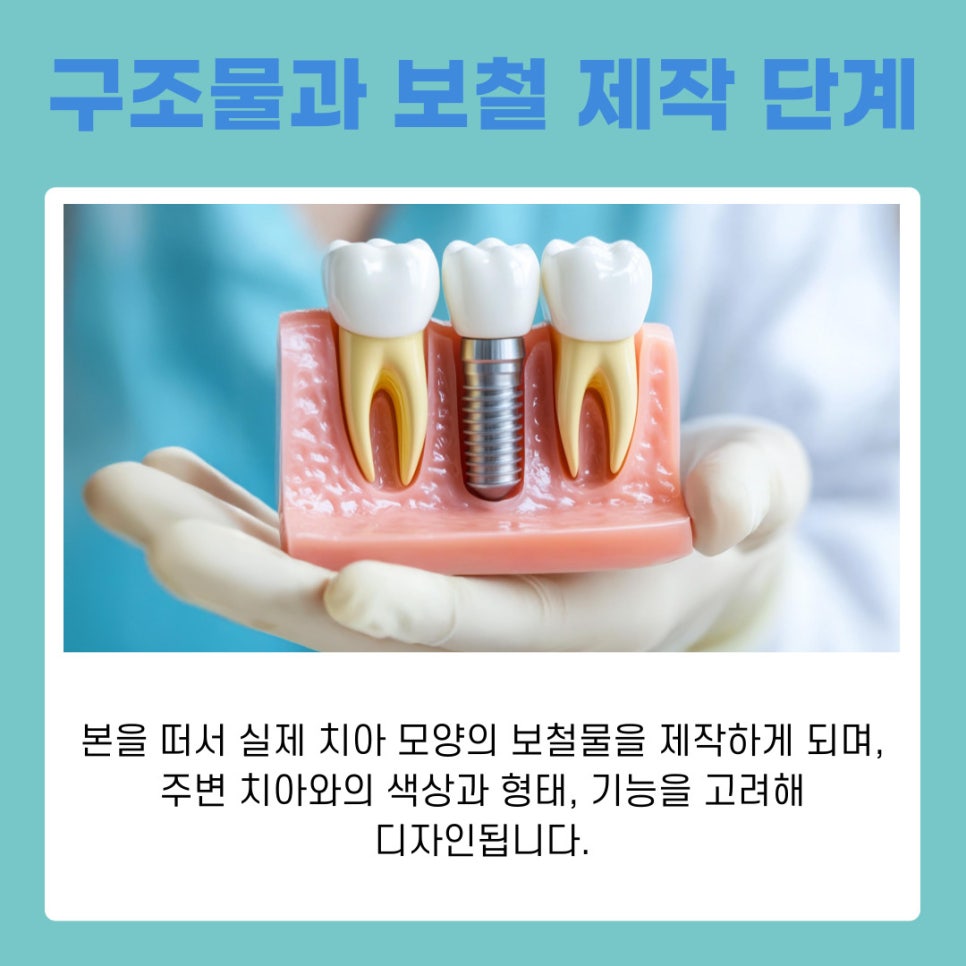
If the bone and artificial root have bonded sufficiently,
a connecting structure is attached on top.
�
This component connects the visible tooth
and the internal fixture,
and harmony with the gum line is very important.
�
A prefabricated product may be used,
but when it is custom-made to take into account
the individual gum shape and bite,
the prognosis is often more stable.
�
After that, an impression is taken and a prosthetic
shaped like a real tooth is fabricated,
and it is designed with consideration for the color,
shape, and function of the surrounding teeth.
Final Prosthesis Placement and Bite Adjustment Process
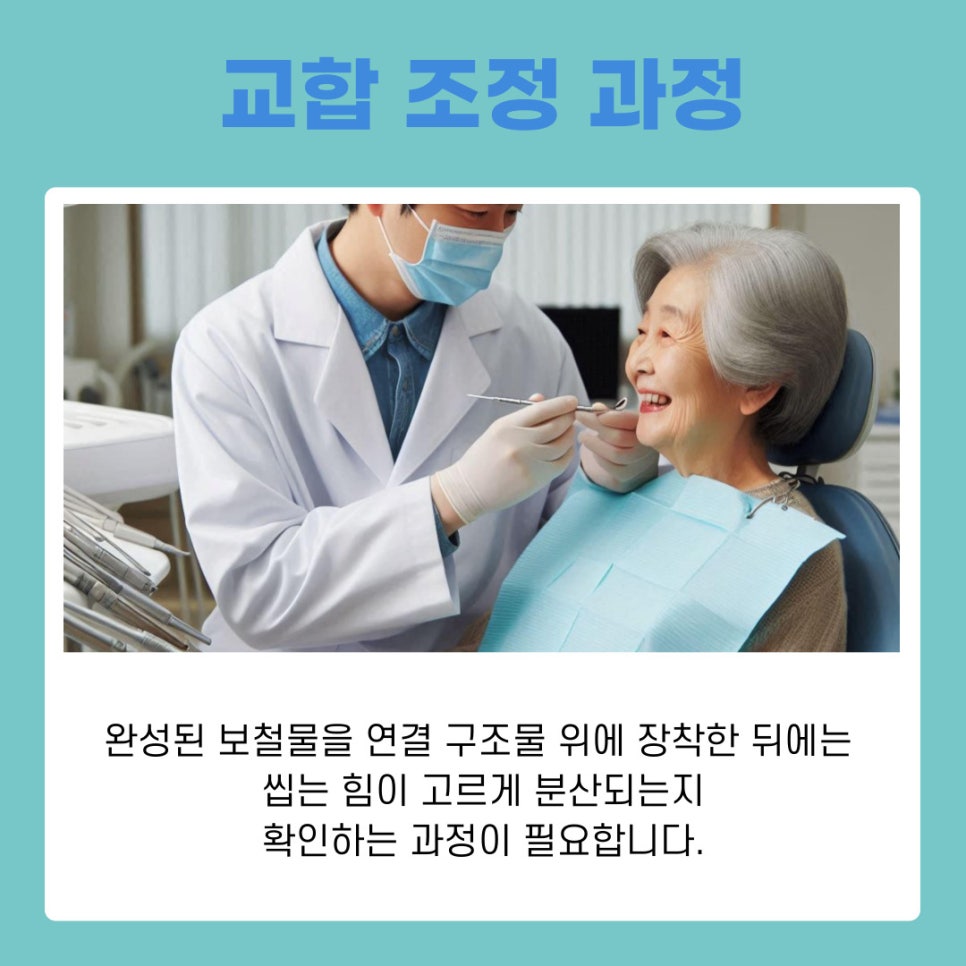
After the finished prosthetic is attached to the
connecting structure,
a process is needed to check whether chewing force
is evenly distributed.
�
If the bite is not aligned, excessive force can
be concentrated on a specific area,
which may cause damage or inflammation.
�
Fine adjustments must be made thoroughly at this stage
to minimize discomfort during long-term use.
�
Material selection is also important,
and recently ceramic-based materials that consider
both strength and aesthetics have been widely used.
The Importance of Digital Implant Treatment and Medical Team Experience
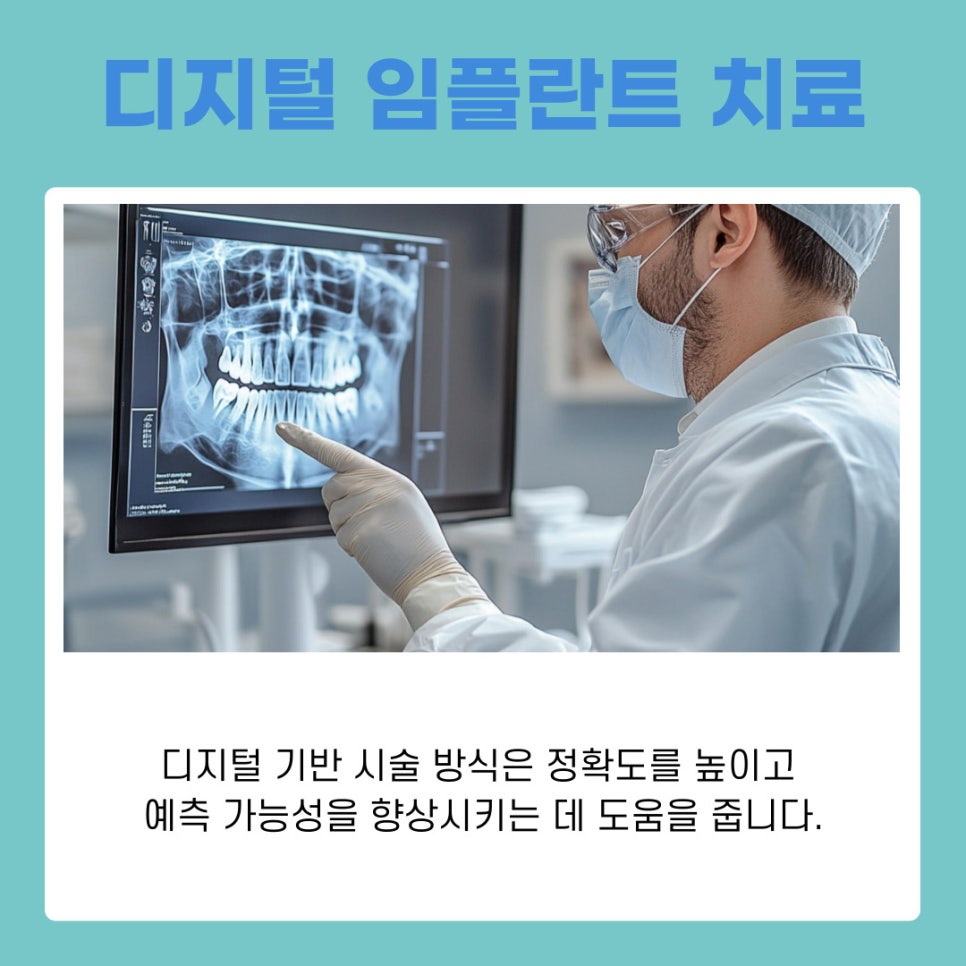
The recently popular digital-based procedure method
helps improve accuracy and predictability.
�
However, the equipment itself does not guarantee results.
�
Interpreting the data and applying it to the actual surgery
ultimately depends on the medical team's judgment and experience.
�
In particular, when bone grafting or sinus lifting is
required, clinical experience is especially important.
�
This is not a simple process that ends in a short period,
but a long-term treatment completed step by step
over several months.
That is why the entire process, from the initial planning
stage to final management, is organically connected.
�
Rather than deciding based only on cost or duration,
it is important to receive a plan suited to your oral condition
and to listen carefully to a sufficient explanation.
�
Implant treatment chosen with a proper understanding
can greatly help restore not only function
but also comfort in daily life.
�
#Banpo Station Dental Clinic #ImplantTreatment