Laminate veneers without tooth reduction
Learn about tooth contouring that is possible without filing down teeth
When considering tooth contouring,
the biggest concern is the burden of having to shave down natural teeth.
Recently, laminate veneer methods that
minimize tooth reduction or
almost do not require it at all
are drawing attention because they can
still deliver an aesthetic change.
However, this does not apply in every case,
so it is important to understand both the principles and the limitations.
There are moments when being dissatisfied
with the color or shape of your teeth
makes you hide your smile more often than you think.
At times like these, laminate veneers are mentioned as a way to expect change in a relatively short period of time.
But in the past, many people hesitated because there was a common belief that preparing the outer surface of the teeth was essential.
To reduce this burden, an approach that works without tooth reduction has emerged.
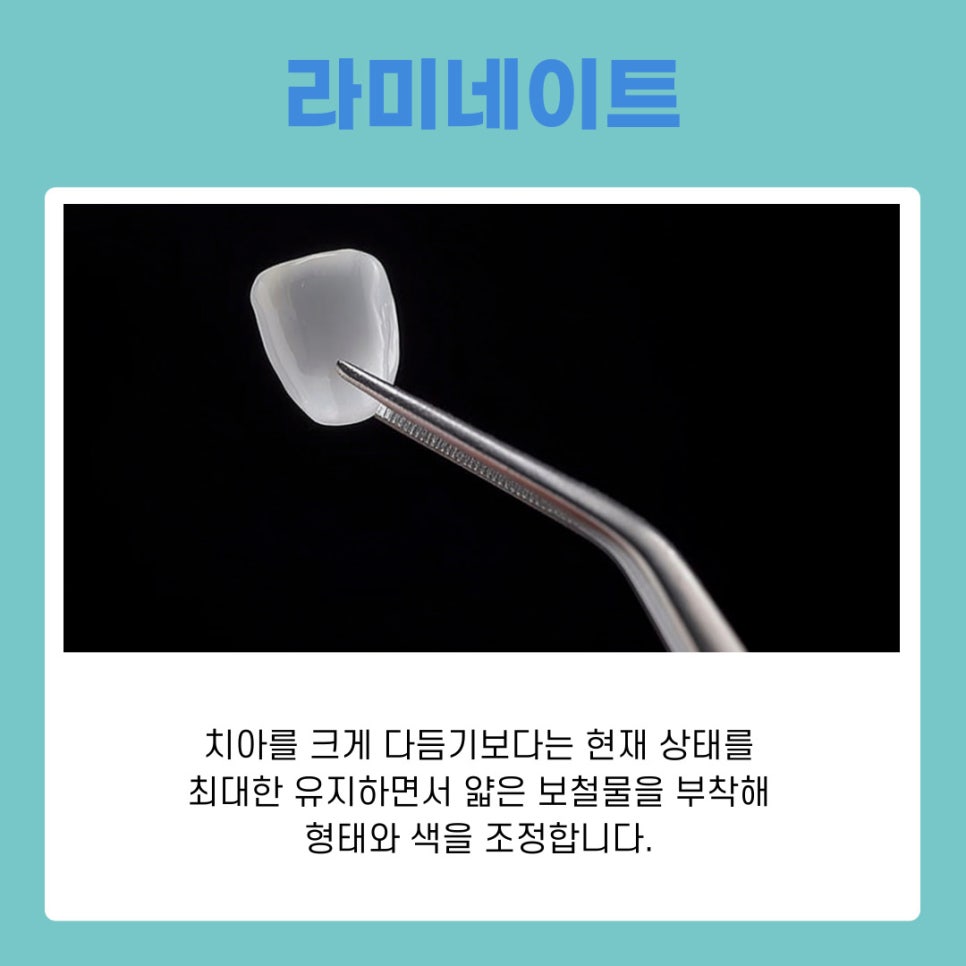
Rather than significantly reshaping the teeth, the current condition is preserved as much as possible while a thin prosthetic is attached to adjust shape and color.
Because preserving natural teeth is the priority, the psychological burden is reduced.
It is not simply a matter of adding something on top;
a precise design is required.
Laminate veneers without tooth reduction

The key to this method is pre-treatment diagnosis.
Tooth alignment, size, spacing,
and harmony with the lips must all be considered.
It is relatively suitable when there is enough space between the teeth
or when protrusion is not severe.
If the diagnosis is not accurate, it is difficult to achieve the desired result.
The advantages of no-reduction laminate veneers are clear.
There is almost no damage to the natural teeth,
and the burden of sensitivity or pain after the procedure is generally low.
In addition, the fact that they can be restored to their original state if necessary is also considered an advantage.
The change is there, but there is also a sense of reassurance because it can be reversed.
However, it is not a universal solution that applies to everyone.
If the teeth protrude significantly
or if there are major issues with the alignment itself,
there may be limitations.
In such cases, orthodontic treatment or other treatments may be considered first.
The condition of no reduction can, in fact, limit the result.
In the laminate design process,
simply making the teeth whiter is not the goal.
Customized design
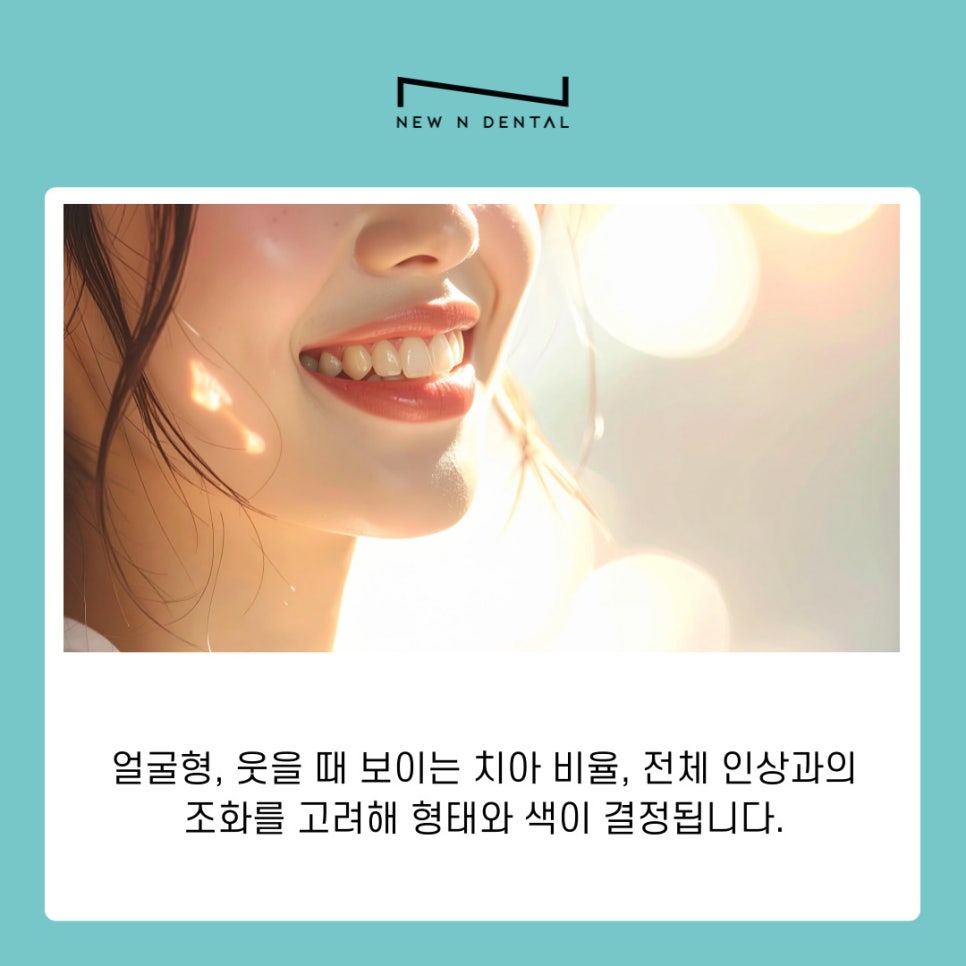
The shape and color are determined by considering the facial shape,
the proportion of teeth visible when smiling,
and how well everything harmonizes with the overall impression.
Even with the same laminate veneers, the result looks different from person to person.
The procedure is relatively simple,
but it requires delicacy.
After preparing the tooth surface, a custom-made prosthetic is attached,
and the accuracy of the bonding process determines long-term stability.
A small error can affect retention.
This is why an experienced process is necessary.
Immediately after the procedure,
you may temporarily feel unfamiliar with it.
However, for most people, it does not cause major inconvenience in daily life.
How to care for laminate veneers
In the early stage, it is better to avoid foods that are too hard
or too chewy.
This is basic care to prevent prosthetic fracture.
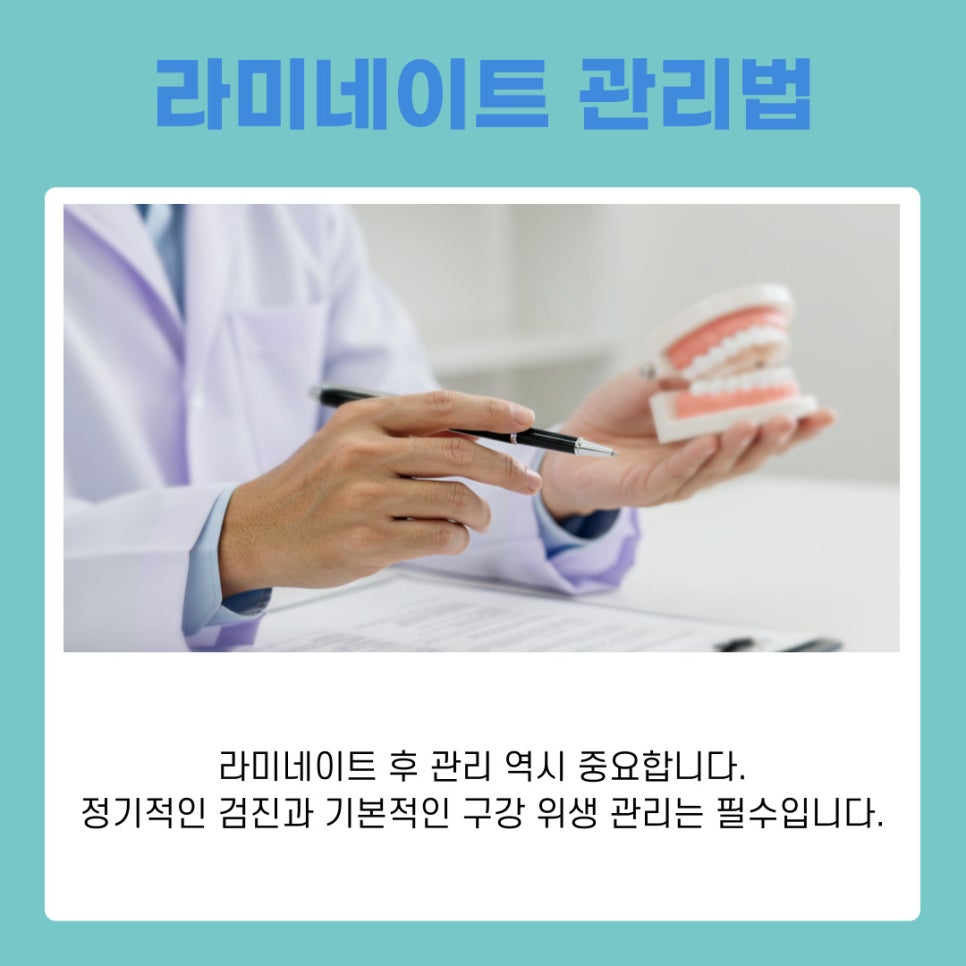
Post-treatment care for laminate veneers is also important.
Regular checkups and basic oral hygiene care are essential.
When receiving ultrasonic scaling,
it is helpful to inform the provider in advance
that you have laminate prosthetics.
A small amount of attention can help prevent damage.
Laminate veneers are a treatment for aesthetic improvement,
but if care is neglected, problems such as detachment or discoloration at the margins can occur.
This is less about treatment failure and more about the effects of care and usage habits.
The period after treatment is arguably even more important.
If you are a suitable candidate,
no-reduction laminate veneers can be a highly satisfying option.
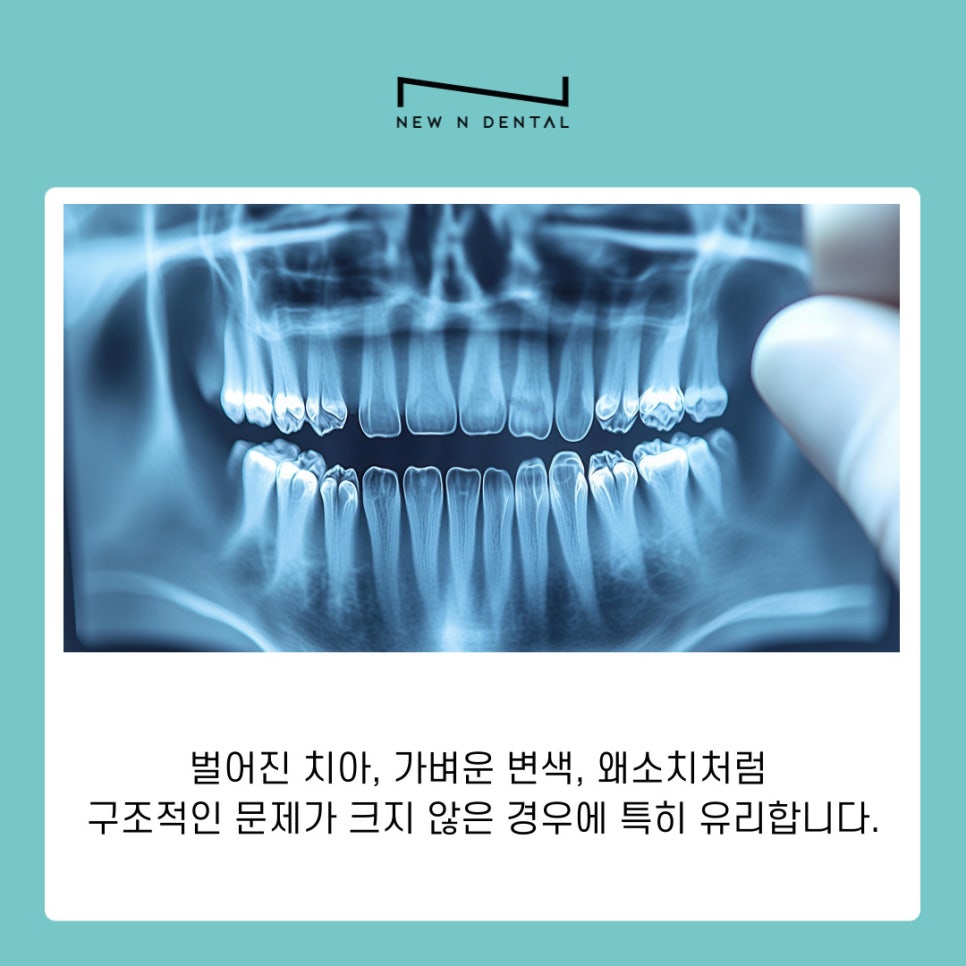
They are especially beneficial in cases such as gaps between teeth, mild discoloration, or peg-shaped teeth,
where structural issues are not significant.
On the other hand, when structural improvement is needed,
another approach is required.
When considering tooth contouring,
the important thing is not to judge based only on whether tooth reduction is involved.
Customized tooth contouring
You should also consider which method is the most natural and stable for your current dental condition.
The outcome depends on the criteria used for selection.
Laminate veneers can offer quick change,
but if the procedure is carried out without sufficient explanation and understanding,
a gap may arise between expectations and the actual result.
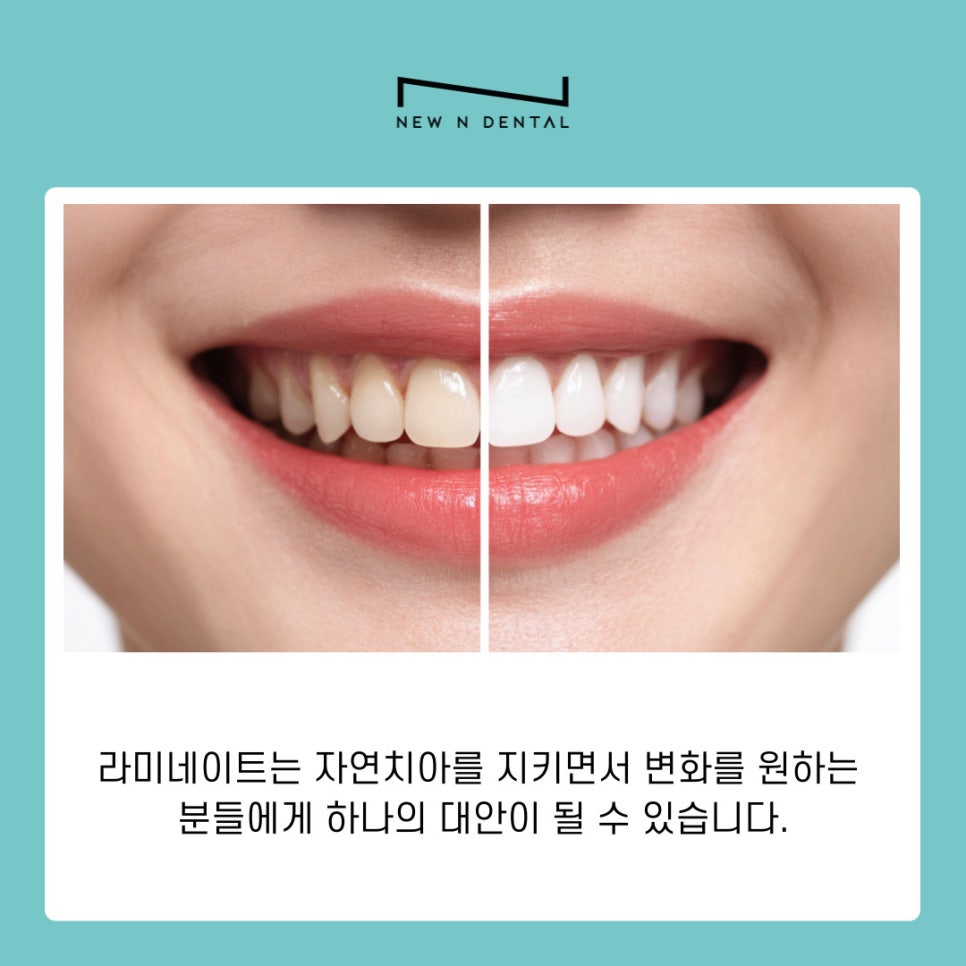
Laminate veneers without tooth reduction can be an alternative for those who want change while preserving their natural teeth.
However, it should be approached with a clear understanding of the conditions and limitations.
Forcing it may actually lower satisfaction.
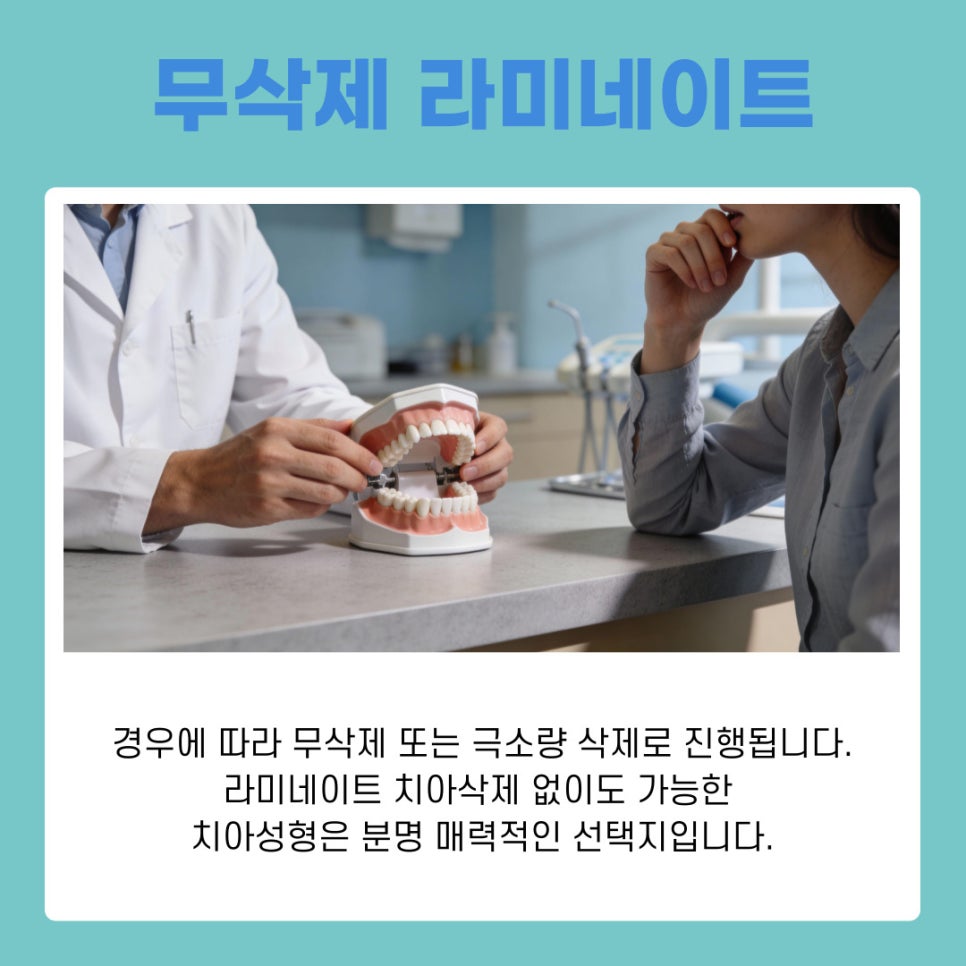
Q. Is it really possible without shaving the teeth at all?
A. Depending on the case, it is done without reduction or with a very small amount of reduction.
Depending on the tooth surface condition, alignment, and thickness,
very fine adjustments may be necessary to ensure bonding stability.
What matters is that it is not reduction to the extent of affecting function,
but rather the minimum adjustment needed to attach the prosthetic.
Tooth contouring that is possible without filing down teeth for laminate veneers is clearly an appealing option.
If you are considering laminate tooth contouring,
it is important to look at the process before the result.
If you choose based on sufficient diagnosis and explanation,
you can expect a change without regret.
In the end, the most important criterion is whether it is the right method for you.
#LaminateVeneersWithoutToothReduction #ToothContouring